

Conditions before the operation
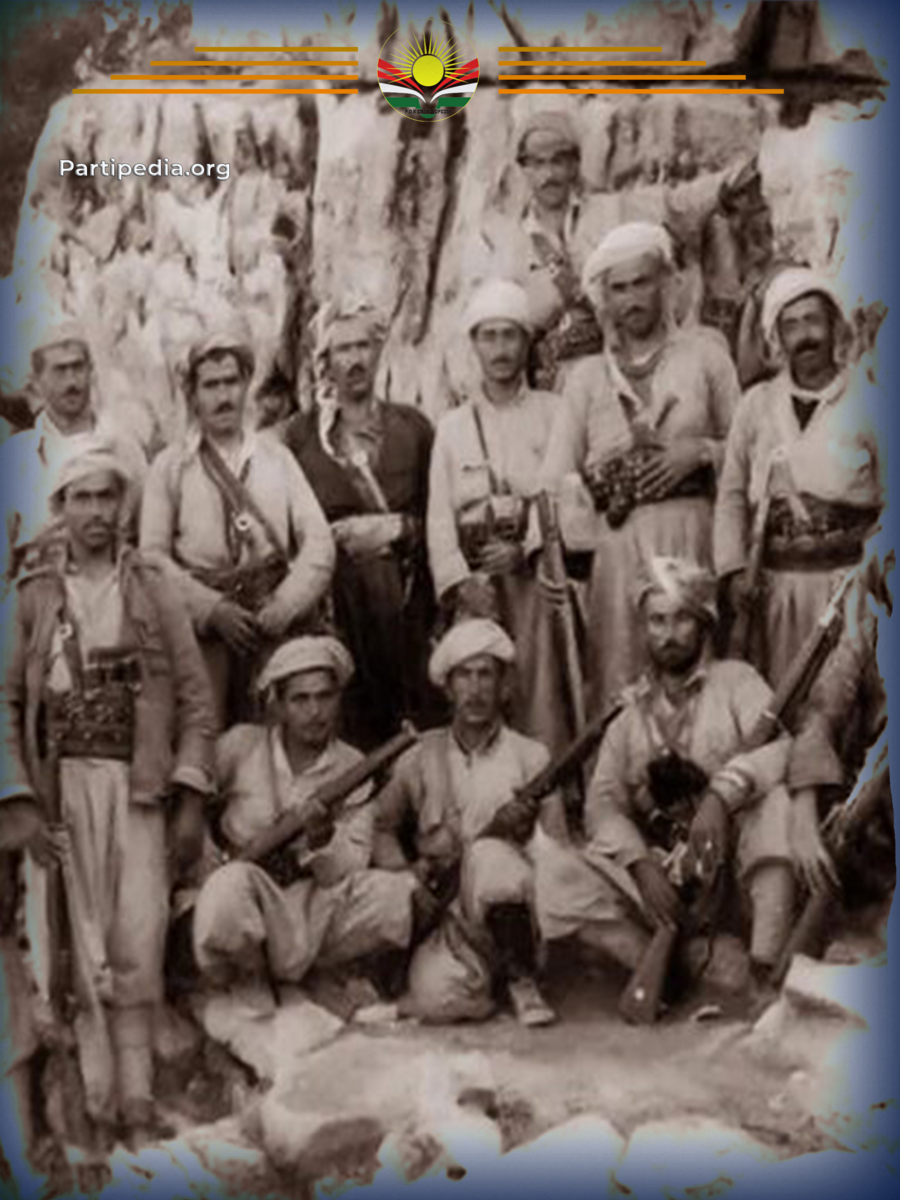
After the Peshmerga forces’ victory in the Battle of the Zakho Gorge, Issa Swar asked Barzani to form a force to strike the Ain Zalah oil company. After obtaining approval and discussing all aspects of the operation, preparations began in complete secrecy. Then, Asad Khoshawi, the general commander of the Badinan region, appointed Issa Swar to lead the military operation.
The region's leaders focused on gathering information about the location of Ain Zala, which was about 15 to 20 kilometers from the mountainous region and an 8 to 10-hour walk from the nearest Peshmerga position. The Tigris River served as a water barrier for the Peshmerga to cross, which necessitated carrying out the operation in record time to avoid encountering government forces during the withdrawal and to evade airstrikes. This facilitated the Peshmerga's operation. In September 1962, two Kurdish policemen, Hama Sur Hussein Barzinji and Mustafa Faraj Shawani, who worked for the Ain Zala oil company, joined the revolution. After discussions with the region's leaders, consultations, information gathering, and an exchange of opinions regarding their participation in the operation, final approval was granted.
Peshmerga preparations
Before the Peshmerga crossed the Tigris River, Issa Sour held a meeting with all Peshmerga commanders and officials. At the meeting, the forces were divided into three groups, and each group was assigned a commander with the following tasks:
The first group: Issa Swar’s force, consisting of Mullah Hamdi Abdul Majeed Al-Salafi, Abdul Rahim Jasim, Corporal Darwish, and Haj Qado Karafi, along with the chief guide Mustafa Faraj. The mission of this group was to control the main gate of the company.
The second group: Hashim Mirouzi’s force, which consisted of Ali Saif Al-Din, Murad Mumi, and Shahin Sheikho, along with a number of Peshmerga and the chief commander, Hama Sur Hussein Barzanji. The main mission of this group was to attack the Ain Zala police station.
The last group was led by Ali, hello AliAlong with the commander of the enclosure, Abdul Rahman Dino, and a number of other Peshmerga, the mission of this group was to control several important institutions within the company, especially the (switchboard and wireless) room, with a reserve force deployed on the hills surrounding the company.
Enemy losses and Peshmerga gains
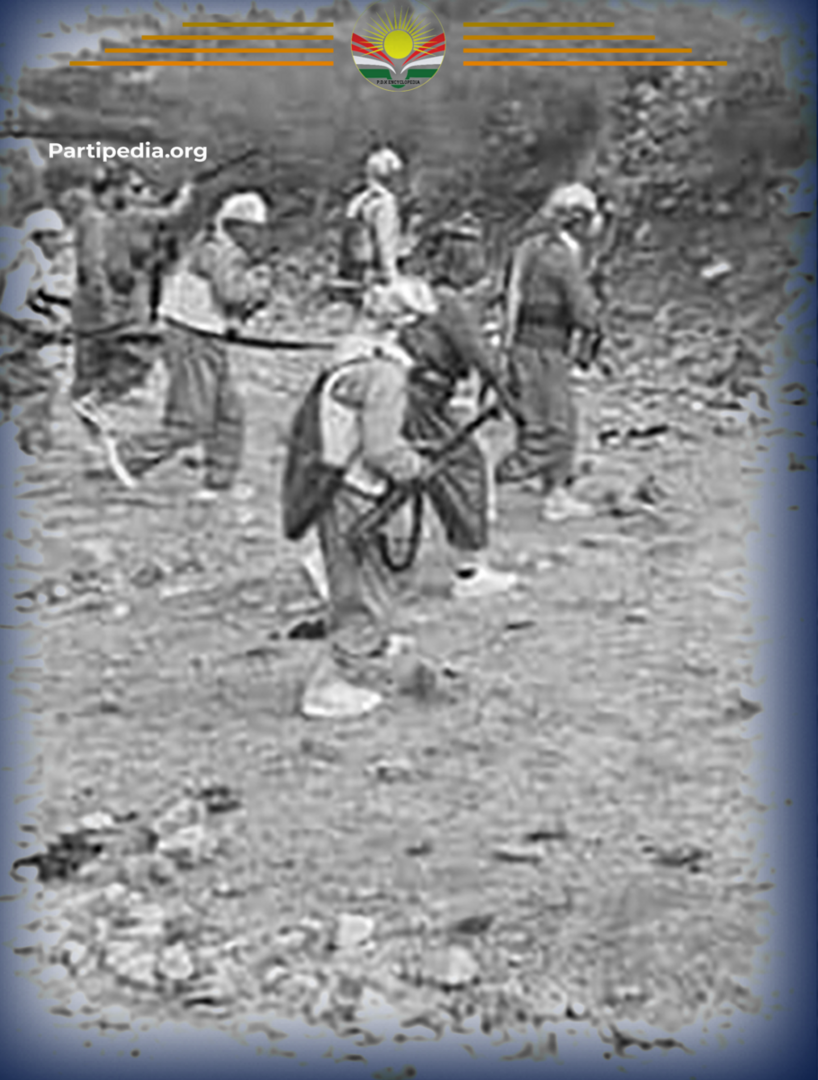
On the night of October 11-12, 1962, the Peshmerga forces launched the operation according to the previous plan. After a fierce clash with the guards and policemen at the company, they managed to hit their targets, killing a number of policemen and wounding others. The Peshmerga forces also managed to capture 70 policemen and officers, including the company director (Dick Dancourt) along with two British engineers.
Meanwhile, the Peshmerga burned an oil depot, a telephone exchange, and eight company vehicles. The Peshmerga's gains included 33 rifles, a machine gun, six pistols, two Brem machine guns, two cameras, and a large quantity of medical equipment. The Peshmerga's loss in this battle was the martyrdom of one of their fighters, Shahin Sheikho, whose body was later exhumed by Iraqi forces and subjected to inhuman humiliation after being dragged in a military vehicle in Ain Zala.
The impact of this process
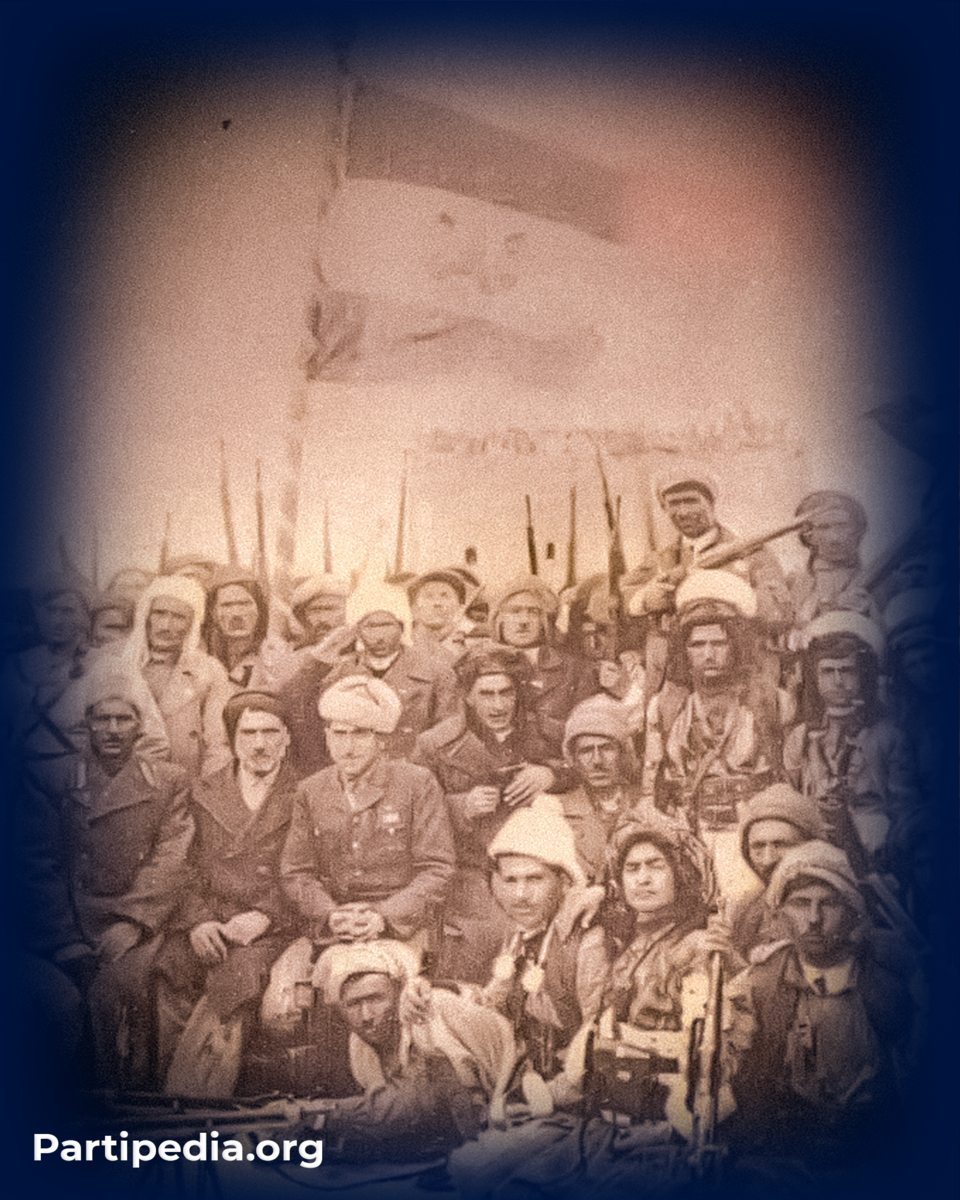
Due to the importance and impact of the Peshmerga's victory in that operation, Mullah Mustafa Barzani A congratulatory telegram was sent to Issa Swar after the Peshmerga forces released all the police officers and company employees. The foreign prisoners were sent to his headquarters on the orders of President Barzani, and upon their arrival, Barzani personally received them. They were treated with great respect and all their needs were met. It must be said that during the release of these prisoners and all the foreigners, the Kurdish revolution did not demand any material benefits from any party; rather, they were released free of charge.
This means that the Kurdish revolution, under the guidance of the revolution's leader, Mullah Mustafa BarzaniIt always upheld the principles of human rights, humanitarian values, and the laws of war, and never resorted to torture or violence against prisoners of war. Despite the brutality of the enemy army and the lack of international support for its revolution, the mountains were its friends and it relied on them.
The Ain Zala operation remains in the memory of Iraqi army commanders.
Even this large-scale operation was clearly documented in the writings and memoirs of Iraqi army commanders who were enemies of the Kurdish revolution. For example, Lieutenant General Saeed Hammo al-Talafari, then commander of the 2nd Battalion of the 11th Brigade of the Iraqi Army, wrote: "This courageous operation required great physical strength, as the Peshmerga forces managed to cross the Tigris River twice, and the operation was carried out in two nights and one day." Similarly, Brigadier General Abdul Karim Farhan, commander of the 1st Division of the Iraqi Army, wrote that "the Kurdish revolutionaries launched a successful and courageous campaign against the oil wells in Ain Zalah, northwest of Mosul."
The goal of the operation
The aim of this operation was to demonstrate to the Iraqi government that the Peshmerga forces could not only traverse mountainous regions, but could also venture further and carry out similar operations in the vast, flat plains. On the other hand, the attack on the Ain Zalah oil field resonated strongly in international financial circles, and as a result, interest in the Kurdish revolution intensified in international forums. Furthermore, it damaged the government's reputation for failing to protect its institutions and intimidated foreign countries with oil interests in Iraq. Another positive aspect of the operation, besides enhancing the reputation of the Kurdish revolution and damaging the government's image, was encouraging foreign journalists to visit Kurdistan, conduct research on the Kurdish revolution and the reasons for the Kurdish people's struggle, and convey the voice of the Kurdish revolution to the world.
Sources:
1- Abdul Fattah Ali Al-Butani, Badinan Region 1925-1970, Vol. 2, (Salahaddin University Press - Erbil - 2017).
2- Rojin Chalabi Munir, 14th January 1958 - 6th Administrative Year 1975, Year 14 Year 1975, Year 1975, (2018).
3- Masoud Barzani, Barzani and the Zagharikhwazi Kurd, Barzani and Bazoutnay, 2004.
4- Shawkat Mela Ismail Hossein, may Allah have mercy on him, may God protect him, (newspaper interpretation - Hewler - 2006).
5- Saeed Hammo, Memoirs of an Infantry Brigade Commander, Baghdad, 1977.