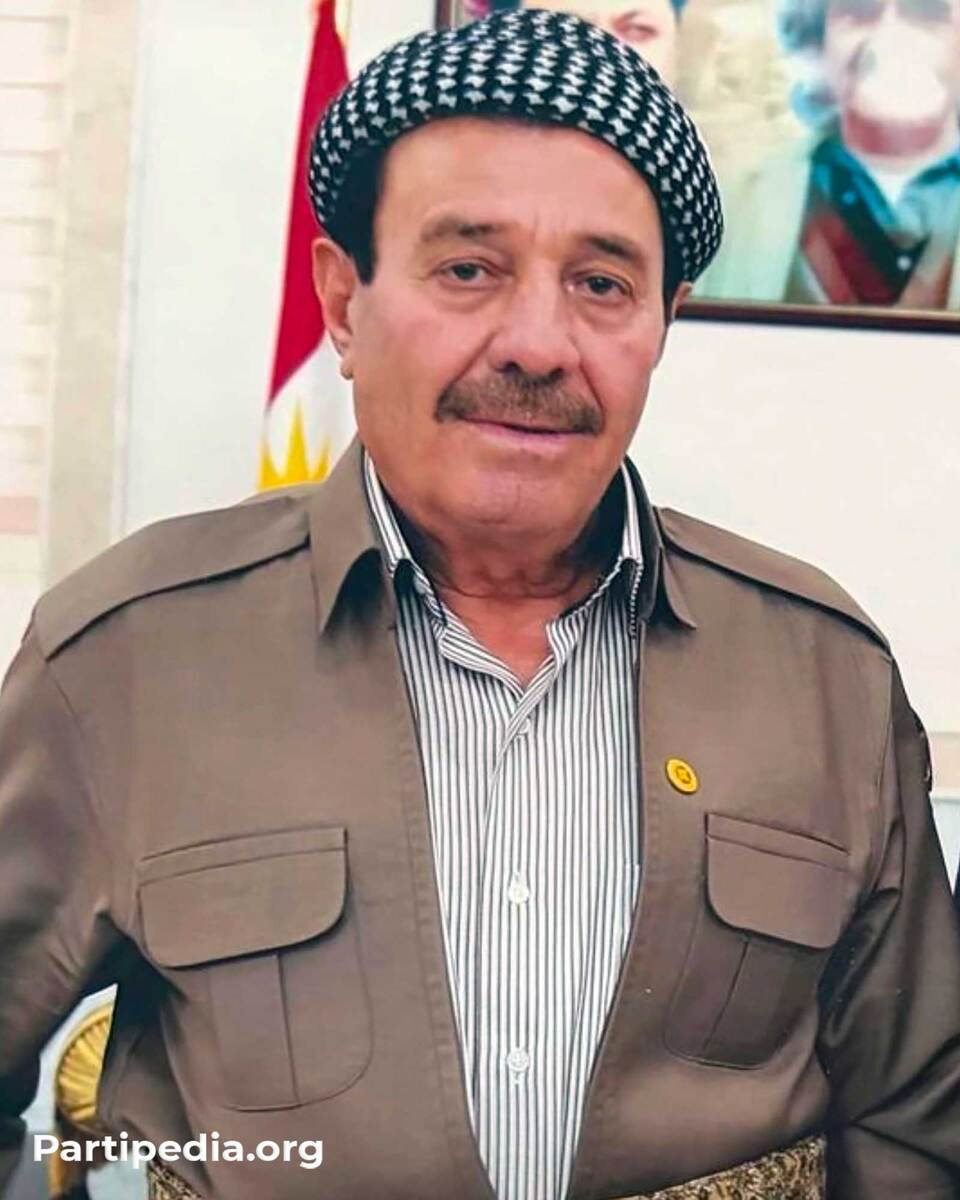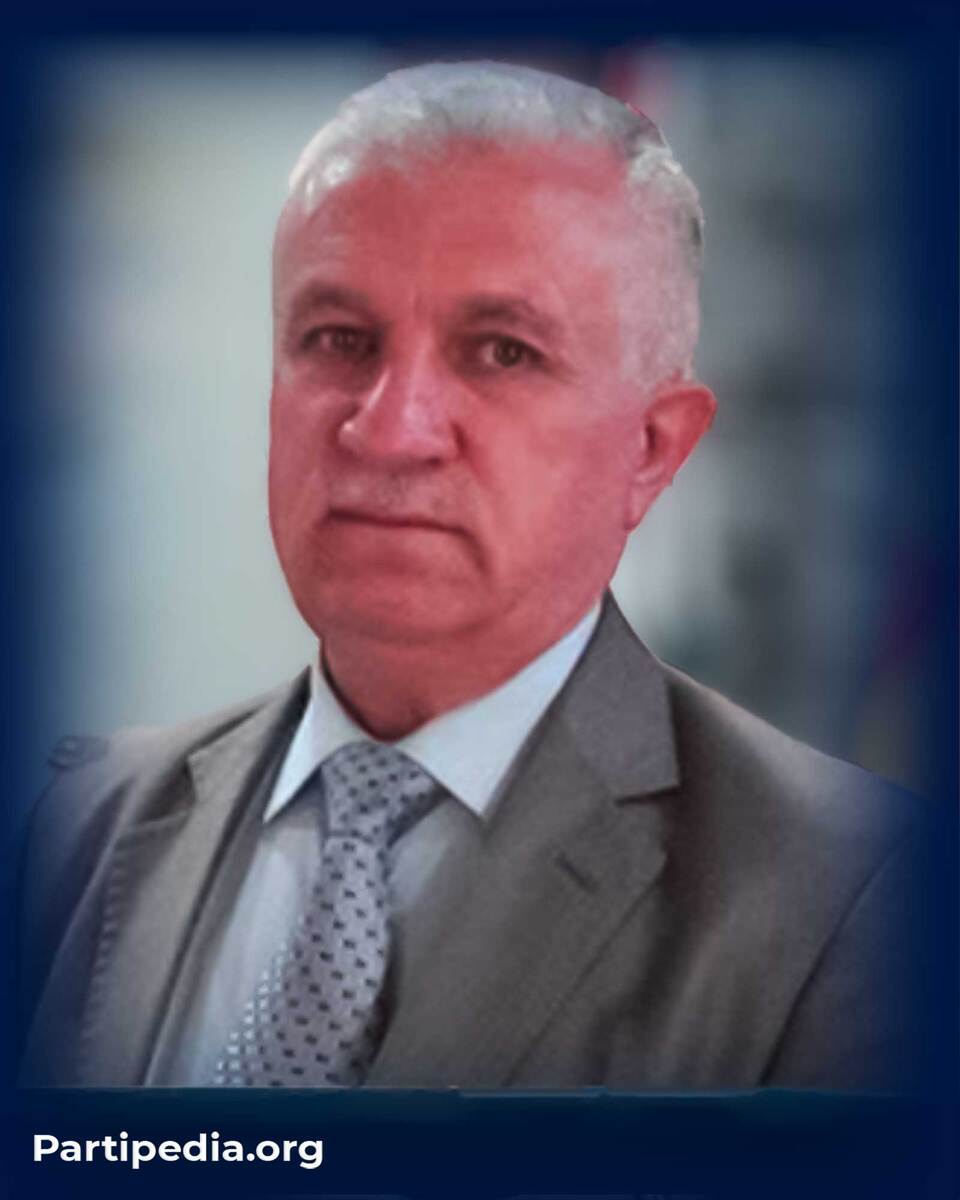


Fatah Guli was born in 1943 in Batifa township of Zakho district of Duhok province The September Revolution He was a refugee from Iran and settled in Naghdeh, East Kurdistan. He was later moved to Rabat community, then to Saraw Nilufar community in Kermanshah, and from there to Kerman Ninth Congress of the Kurdistan Democratic Party He was a Peshmerga there. He died of illness on June 24, 2007 and is buried in his hometown of Batifa.
In 1959 he joined the Kurdistan Students Union. In 1961 he joined the Peshmerga forces of the September Revolution. In 1964 he was appointed as a battalion cadre. In 1968 he was transferred to the Halgurd force He served in the force until
In 1980 he was appointed head of the Zakho regional committee in the first branch, in 1981 he was transferred to Duhok region, in 1985 he was appointed head of the Amedi regional committee, in 1986 he was appointed head of the Duhok regional committee. In 1988, after the infamous Anfal and chemical attacks on Badinan, Ababakr Osman Mohammed went to Doski Zhur with a group of other comrades and stayed there.
In 1992 he was appointed head of the Kurdistan Front in Duhok region and head of the Duhok regional committee. At the end of the same year he was appointed commander of the Zakho army. In 1999, he was one of the members of the Kurdistan Workers Party (PKK) delegation invited by Saudi Arabia to participate in the Hajj. In 2001, after the establishment of the eighth branch in Zakho, Fatah Guli was appointed deputy head of the branch.
He participated in several battles including the Hassan Pirka Battle in 1980, the Duhok People's Battle in 1982, the Zawita People's Battle in 1982, the Dergzhing Battle in 1984, and the Sutke Battle in 1987. Dastan of Khawkurk In 1988.
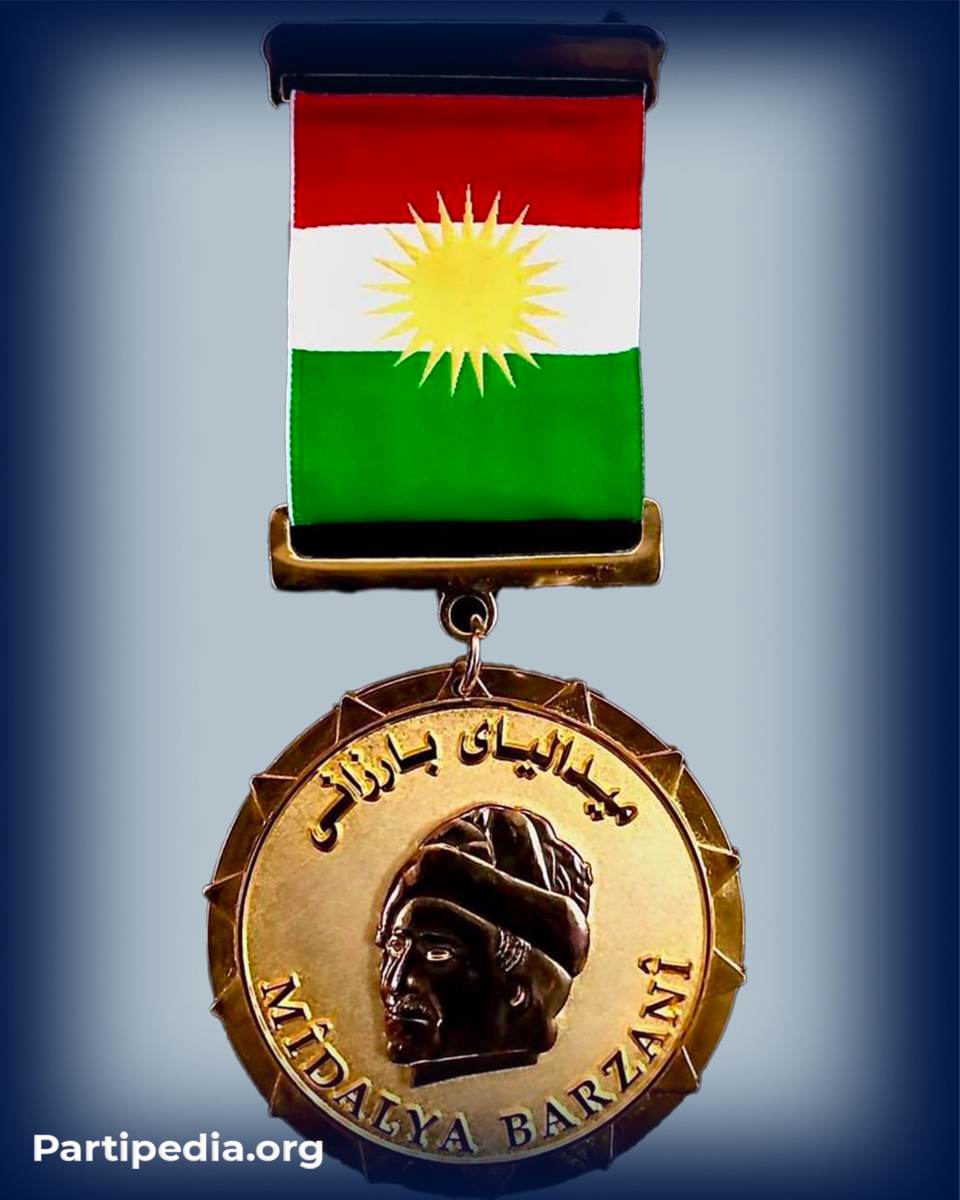
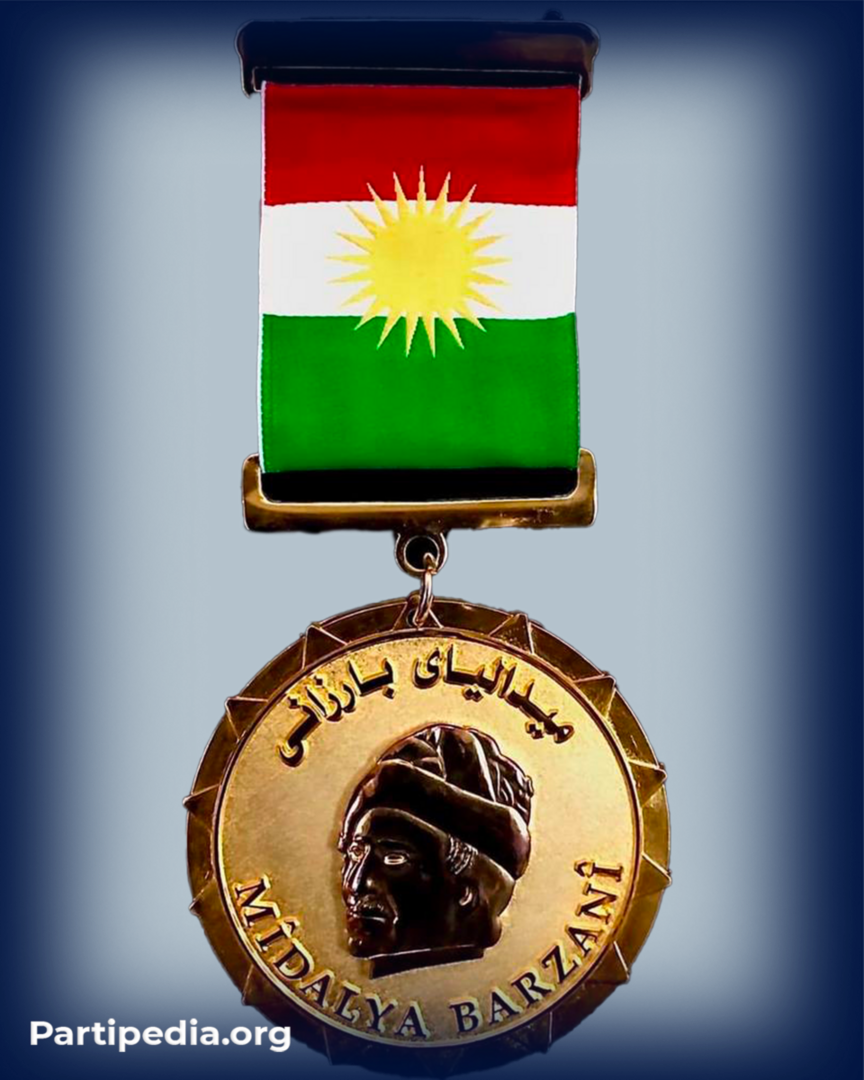
on August 16, 1996 on its Golden Jubilee Kurdistan Democratic Party For his services to the Kurds, Kurdistan and Barzani's path, by the President Massoud Barzani He was awarded the Barzani Medal.
reference:
1- Archive of the Encyclopedia of the Kurdistan Democratic Party.