


Biography
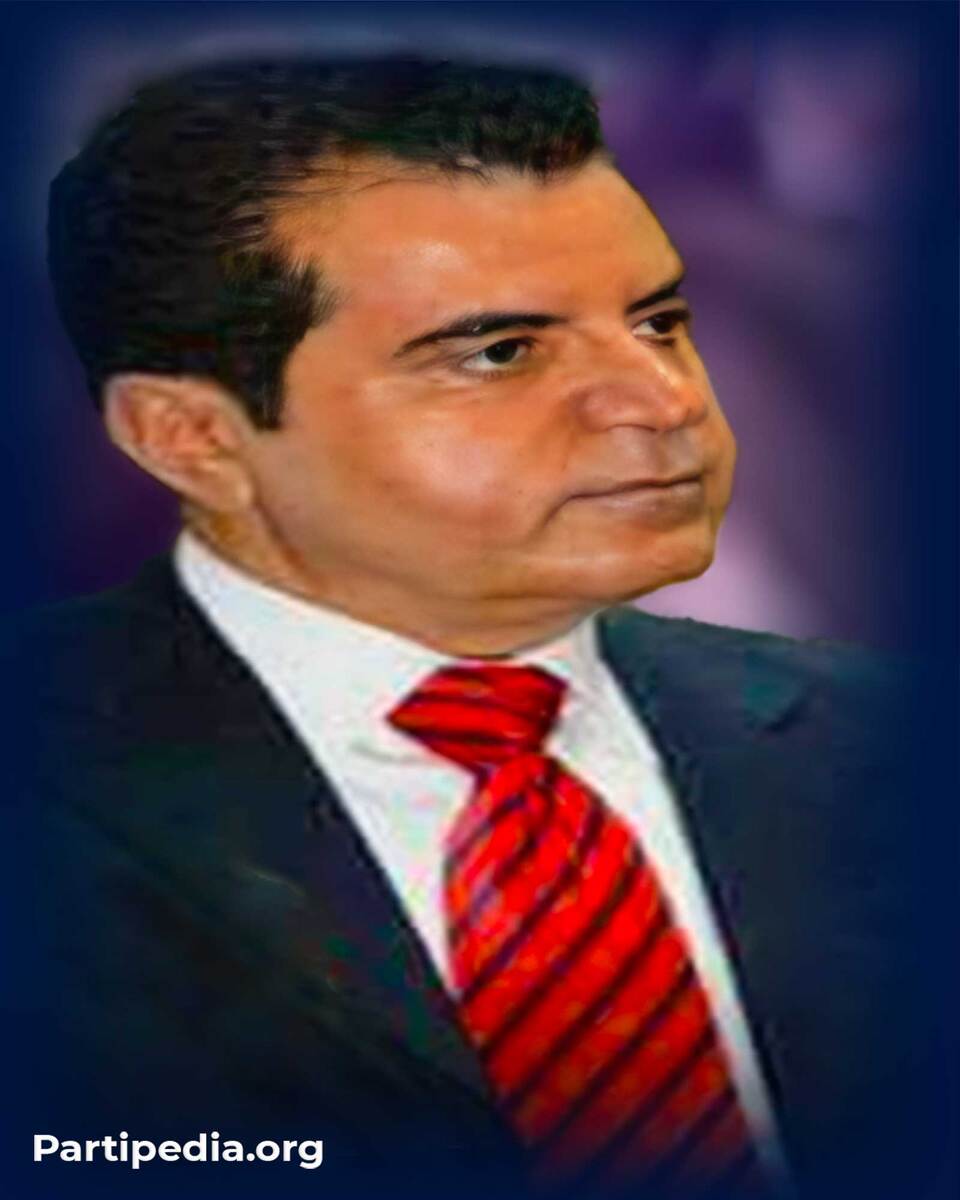
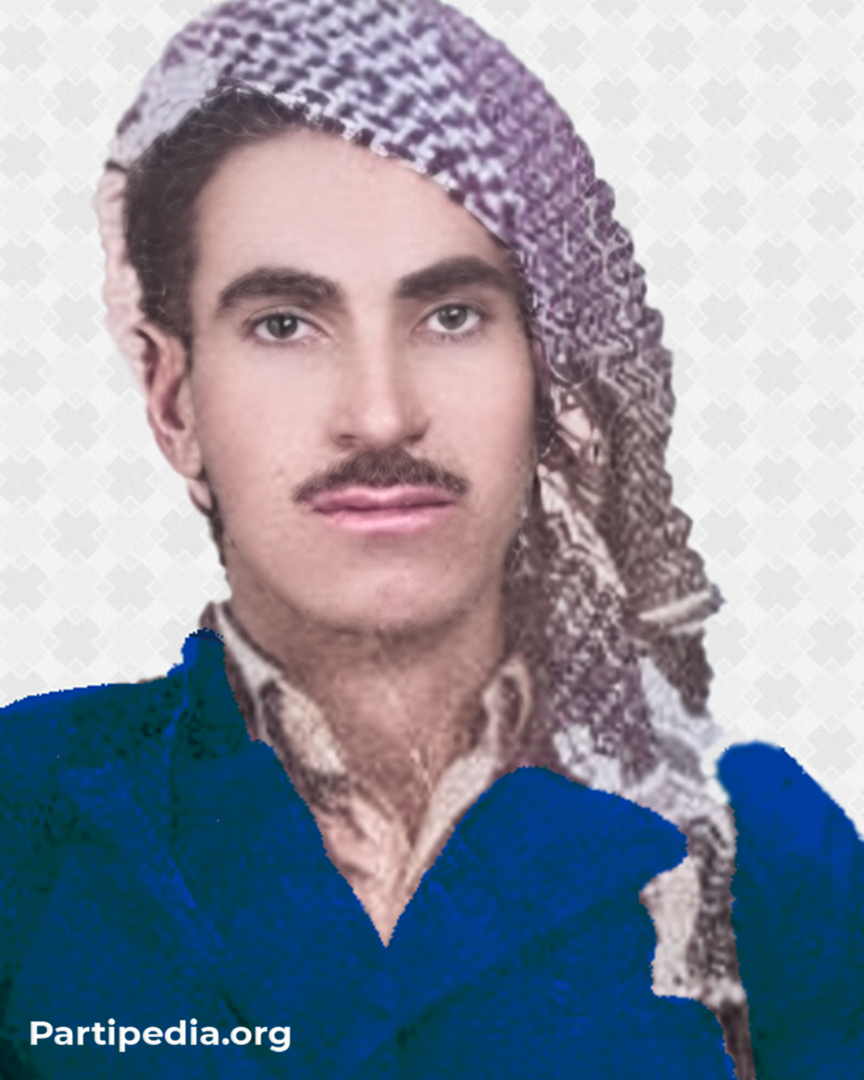
Ali Abdullah Reza, known as Ali Askari Shalaw was born in 1937 in Sulaimani. He is one of the sheikhs of the Naqshbandi Haqqa sect of Maulana Khalid Naqshbandi of Sharazoor Abdulkarim Shadala (1893-1943) and Mama Reza Shadala (1905-1961) were supporters of the First Barzan Revolution.
He graduated from high school. In 1959, he married Sabiha Sheikh Jalal Sargaloo The September Revolution He briefly moved to the Kingdom of Iran. On August 31, 1975, he was appointed mayor of Rafa'i district in southern Iraq by order of the Iraqi Revolutionary Leadership Council. He was fluent in Kurdish, Persian and Arabic.
Khabatname
Ali Askari In 1958 he was a member of the leadership of the Kurdistan Students Union and the Kurdistan Democratic Youth Union. In 1958 he was in charge of the Kirkuk organizations of the Kurdistan Students Union Elected fourth, on Saturday, December 8, 1960, he was one of the founding members of the Open Stage Kurdistan Democratic Party - Iraq, 1960: Member of the Central Committee of the Kurdistan Democratic Party (KDP). Fifth Congress In November 1960, he was elected as a member of the Revolutionary Organization Committee and in charge of Kirkuk.
In 1961, he was appointed head of the committee of the first branch of the Kurdistan Democratic Party (KDP). The September Revolution In Badinan, he was secretly known as Shalaw and the second commander of his insurgent forces The September RevolutionIn 1961, he participated in the broad meeting of the Kurdistan Democratic Party (KDP) and voted for the defense and revolution Leadership The September Revolution In 1964, he participated in the Mawat Conference and was expelled from the Sixth Congress of the Kurdistan Democratic Party (KDP). Mustafa Barzani (1903-1979) He was the leader of the Kurdistan Democratic Party (KDP) and the Revolutionary Leadership Council in Iraqi Kurdistan Mustafa Barzani In 1965, he participated in the battle of Mount Korrek in Ruandz district of Erbil province against the Iraqi army.
On August 28, 1966, he participated in the first group rally in Timar (Garmyan). Ibrahim Ahmad ـ Jalal Talabanion 28 December 1966 with Jalal Talabani (1933-2017) and Omar Mustafa Mohammed Amin (1923-1992). Omar is a gun and Hilmi Ali Sharif In 1930-1998, he left Raqqa Valley in Sulaimani province and moved to the Iraqi government The September Revolution On October 15, 1970, he was accompanied Ibrahim Ahmad Fatah (1914-2000) and Omar Mustafa Mohammed Amin (1923-1992), also known as Omar Dababa, met the president at Barzani's headquarters in Dilman village Mustafa Barzani They have fallen and have been forgiven together The September Revolution He lived in Galala village of Balak region of Erbil province.
On February 10, 1971, he joined the ranks for the second time Kurdistan Democratic Partyin 1973 by the leadership Kurdistan Democratic Party He was appointed commander of the Erbil Plain Force. In 1974-1975, he was a member of the Military Bureau The September Revolution In mid-April 1975, he participated in a broad meeting in Urmia in order to continue the struggle and resistance. On April 24, 1975, on the recommendation of the president Mustafa Barzani He returned to South Kurdistan in order to prepare the situation for the revolution and was given material assistance and contact code. On April 28, 1975 he returned to Sulaimani and on April 30, 1975 he was expelled to Baghdad by the Director of Security in Sulaimani.
On August 23, 1976, he began negotiations with the representative of the interim leadership of the Kurdistan Democratic Party (KDP) in Hanjirlu Cave On August 31, 1977, he participated in the first meeting of the PUK leadership in Dole Koste in the international border triangle (Iraq, Turkey and Iran) in Erbil province, in order to distribute the posts and became the commander of the force He was elected as a Peshmerga in 1976. He was one of the founders of the Kurdistan Socialist Movement. In 1976 he joined the ranks of the Peshmerga forces In the summer of 1976, he joined the Iraqi army in the village of Khurkhura in Sulaimani province in order to coordinate with the forces of the interim leadership of the Kurdistan Democratic Party (KDP). Kamal KirkukIn the autumn of 1976, he met with Kamal Kirkuk in the mosque of Galala village in Sulaimani province in order to coordinate the forces. In 1977, he became a member of the Political Bureau of the Kurdistan National Union He has been appointed commander of the Kurdistan National Union (KNU) Peshmerga Forces.
Sources:
- Archive of the Kurdistan Democratic Party.
- Fatih Rasul, In a Long Caravan, (Stockholm, 1997), pp. 160-1
- Ali Sanjari, The Kurdish Case and the Arab Ba'ath Party in Iraq, Part III, (Duhok - Khani Printing House - 2012), pp. 204, 359, 388-390, 394 -
- Text of Mam Jalal's speech at the 10th anniversary of martyr Omar Dababa, Kurdistan New newspaper, organ of the Kurdistan National Union, No. 2671, eleventh year, Sulaimani, Wednesday, December 30, 2002, p.
- Mohammed Ismail Mohammed, Follow-up on the article by Sayyid Farhad Auni published in Gulan Arabi magazine, Gulan Arabi magazine, No. 29, Erbil, Culture Printing House, October 29, 1998, p 112.
- Aram Karim, I Know Mam Jalal, Part 1, (No Place - 2000), pp. 13, 20-2
- Aqila Ruandzi, Yad u Afarin, (Erbil, Shawshka Center for Cultural Activities, Education Printing House, 2005), p.
- Shuan Hussein Shink Balaki, Jawhar Namq Salim 1946-2011 Life, Works and Political Role, Soran University, Faculty of Arts, 2016, (Unpublished Master's Thesis), pp. 80-8
- Chris Kuchra, Kurdish National Movement, translated by Ebrahim Younesi, second edition, (Tehran, Negah Publishing House, 1998), pp. 280, 312,
- Shuan Mohammed Amin Taha Khoshnaw, Erbil Between 1963-1970: A Historical Study of the Political Situation, (Erbil, Salahaddin University Printing House, 2016), pp. 45,
- David McDowell, Tarikh al-Akrad al-Hadith, (Beirut, Dar al-Farabi, 2004), pp. 518-5
- Abdurrahman Sharafkandi, Cheshti Majeur, (Paris, 1997), pp. 452-4
- Shokat Khazndar, Journeys and Stops of the Iraqi Communist Party ... View from the Inside, (Beirut - Dar al-Knooz al-Adabiya - 2005), p.
- Abdul Fattah Ali al-Butani, Studies and Research in Contemporary Kurdish and Iraqi History, (Erbil, Dar Sprez Printing and Publishing House, Haji Hashim Printing House, 2007), pp. 382,
- Mohammed Hassan Sargayneli, Ako Tribe Between Old and New History, Volume 1, Second Edition, (Erbil - Rojhelat Printing House - 2019), pp. 447,
- Mam Jalal, Braim Ahmad, a wise leader of a new era of Kurdishness, Khak Magazine, No. 58, Year 5, Sulaimani, Dilêr Offset Printing House, April 10, 2002, p.
- Mustafa Abdurrahman Younis Jordan, Sarsank Havingeh u Wargahe Shahane 1922-2016, (Baghdad-Al-Jawaheri Printing House-2017), p.
- Tofiq Mullah Sadiq, Memoirs of the Days of Party, Peshmerga and Expulsion, 2nd Edition, (Erbil, Shahab Printing House, 1996), pp. 72-73, 95-9
- Rasoul Rashid Saeed, Memoirs of a Peshmerga, (Missing - 2017), pp. 37, 46, 90-9
- Prepared by: Salah Rashid, Mam Jalal Meeting of Age from Youth to the Republican Palace, Volume 1, (Sulaimani - Karo Printing House - 2017), pp. 183, 309,
- Prepared by: Salah Rashid, Mam Jalal Meeting of Age from Youth to the Republican Palace, Volume 2, (Sulaimani - Karo Printing House - 2017), p.
- Ibrahim Ahmad, Study of the Struggle of Kaka Omar Dababa, Kurdistan New Newspaper, Organ of the Kurdistan National Union, No. 303, Year 2, Erbil, Friday, December 29, 1993, p.
- Talib Moryasi, Search for Truth, Vol. 1, (Erbil, 2004), p.
- Jamal Baban, Declaration of Iraq, (Sulaymaniyah, General Directorate of Printing and Publishing, Shvan Printing House, 2006), p.
- Habib Mohammed Karim, History of the Kurdistan Democratic Party of Iraq (in the headquarters) 1946-1993, (Duhok, Khabat Printing House, 1998), pp. 61, 67-6
- Hassan Arfa, Kurds and a Historical and Political Question, (BJ-BTA), p.
- Rozhin Chalbi Munir, Zakho, July 14, 1958 – March 6, 1975, (No place – Zakho Kurdish Research Center – 2018), pp. 121, 223,
- Hasso Hormi, Lamps from the Life of Amir Tahsin Saeed Ali Bak, (Erbil, Rojhelat Printing House, 2017), p.
- Ahmad Sharif Lak, Commentary on Historical Events, Volume 2, (Erbil - Rojhelat Printing House - 2019), p.
- Hama Faraj Halabjaei, From Shinrwe to Stockholm, 3rd edition, (Sulaimani - Karo Printing House - 2015), pp. 168, 203, 278-2
- Khalif Ghafoor, Golden Bowl, Volume 1, (Kirkuk – Kirkuk Intellectual and Social Association – Karo Printing House – 2011), p.
- Dana Adams Shamdat, Journey to Brave Men in Kurdistan, translated and commented by Jarjis Fathullah, (Erbil, Dar Aras Printing and Publishing House, Ministry of Education Printing House, 1999), p.
- Ardeshir Pashang, Kurds during the Iran-Iraq War, (Tehran, Marz-e-Boom Publishing House, 2015), p.
- David McDowell, Contemporary Kurdish History, translated by Ibrahim Younesi, fourth edition, (Tehran, Paniz Publishing House, Dalahoo, 2014), pp. 536-5
- Sarhad Younis Mohammed, From Sharazoor to Nasiriyah, (Erbil – Hevi Printing House – 2018), p.
- Salam Abdulkarim, Political Life in South Kurdistan 1975-1991, (Sulaimani, Chawarchra Publishing House, 2011), p.
- Seyed Ali Mojani, Sulmaz Siddiqui, Al-Hanemati, Culture of Contemporary Iraqi Men and Families, (Tehran, Azam Publishing House, 2013), p.
- Abdul Satar Tahir Sharif, Kurdish Societies, Organizations and Parties 1908-1958, (Baghdad, Dar al-Shoun Cultural Center, 1989), pp. 182, 202,
- Abdul Satar Tahir Sharif, History of the Kurdistan Revolutionary Party, Second Edition, (Baghdad, Revolutionary Publications, 1979), pp. 170, 172,
- Ali Sanjari, The Kurdish Case and the Arab Ba'ath Party in Iraq, Part III, (Duhok - Khani Printing House - 2012), pp. 206-207,
- Mohammed Sahl Taqush, Tarikh al-Akrad 637-2015, (Beirut, Dar al-Nafais for Printing, Publishing and Distribution, 2015), pp. 261-2
- Omar Abdulaziz, Encyclopedia of Kurds and Kurdistan, Volume 1, (Sulaimani - 2018), pp. 504-5
- Salar Hafeed, Ali al-Askari and the Rule of History, (Without Place - Without Sunnah), pp. 29, 39, 44-4
- Fazil Karim Ahmad, We set out with big dreams, Volume 1, (Sulaimani - Tehran Printing House - 2019), pp. 134-136, 144, 294, 321, 335,
- Farid Asasad, Encyclopedia of the Kurdistan National Union, 2nd edition, (Sulaimani - Academy of Awareness and Training of Cadres - 2015), pp. 516-5
- Fouad Sadiq, Storm of Politics, (Erbil, Ministry of Culture, General Directorate of Printing and Publishing, Cultural Printing House, 2006), pp. 150, 156-157.
- Resolution of the Revolutionary Leadership Council No. 926, Iraqi Newspaper, Ministry of Justice, Baghdad, No. 2488, Year 10, Baghdad, Tuesday, September 8, 1975, p.
- Kazem Habib, The Quests of Iraq in the Twentieth Century, Iraq in the Republican Covenant, Part II, Al-Tas' Book, (Erbil - Dar Aras Printing and Publishing House - 2013), pp. 352, 358.
- 56. Congress of the Kurdistan Democratic Party, Roji Nuw Magazine, No. 3, Year 1, Sulaimani, June 1960, p.
- Why did anyone see the destruction of the empty copper to the government areas?, Khabat newspaper, Lasan Hal al-Hizb al-Dimqrati al-Kurdistan, No. 486, Khabat Printing House, March 1966, p 2.
- Mohammed Ismail Mohammed, Follow-up on the article by Sayyid Farhad Ouni published in Gulan Al-Arabiya magazine, No. 28, Erbil, Culture Printing House, October 25, 1998, p.
- Mohammed Ali Ismail, My Memories Seventy Years Old and More Than Half a Century of Struggle, (No Place - 2019), pp. 127-128, 132-1
- Mohammed Fatih, The Development of Party Life in South Kurdistan, (Erbil – Salahaddin University Press – 2014), p.
- Massoud al-Barzani, Barzani and the Kurdish Liberation Movement, Volume 3, (Erbil, Ministry of Education Printing House, 2002), pp. 144, 166, 198, 255-2
- Mustafa Nariman, Memories of My Life, Baghdad, Kurdish Culture and Publishing Institute, Dar Al-Hurriya Printing House, 1994, p.
- Mullah Mustafa al-Barzani and his companions present information to the Interior Minister on the establishment of the party, Khabat newspaper (Al-Nidal), No. 141, Al-Rai Al-Aam Printing House, Baghdad, Sunday, 9 December Al-Thani 1960m, pp. 1,
- Mahmoud Mullah Ezzat, Endless Caravan, (Sulaimani, Sardam Publishing House, 2000), p.
- Mullah Shem Hamdi Haji Omerani, How did the beginning of the new revolution of 1976 begin?!, 2nd edition, (Erbil - Haji Hashim Printing House - 2013), pp. 40-4
- Mullah Farooq Shuani, Hamoo Kurd, Vol. 1, (Erbil, Roshnbiri Printing House, 1997), p.
- Nawshirwany Mustafa Amin, From the Bank of the Danube to the Bell Tower, (Nowhere, 1997), p.
- Hawre Baxewan, Hawre Name bo Mejwooy Kurdistan u Kurd, (Sulaimani, Sardam Publishing House, Roon Printing House, 1999), p.
- Hawkar Karim Hama Sharif, September Revolution, (Erbil - Salahaddin University Printing House - 2012), pp. 45-4