

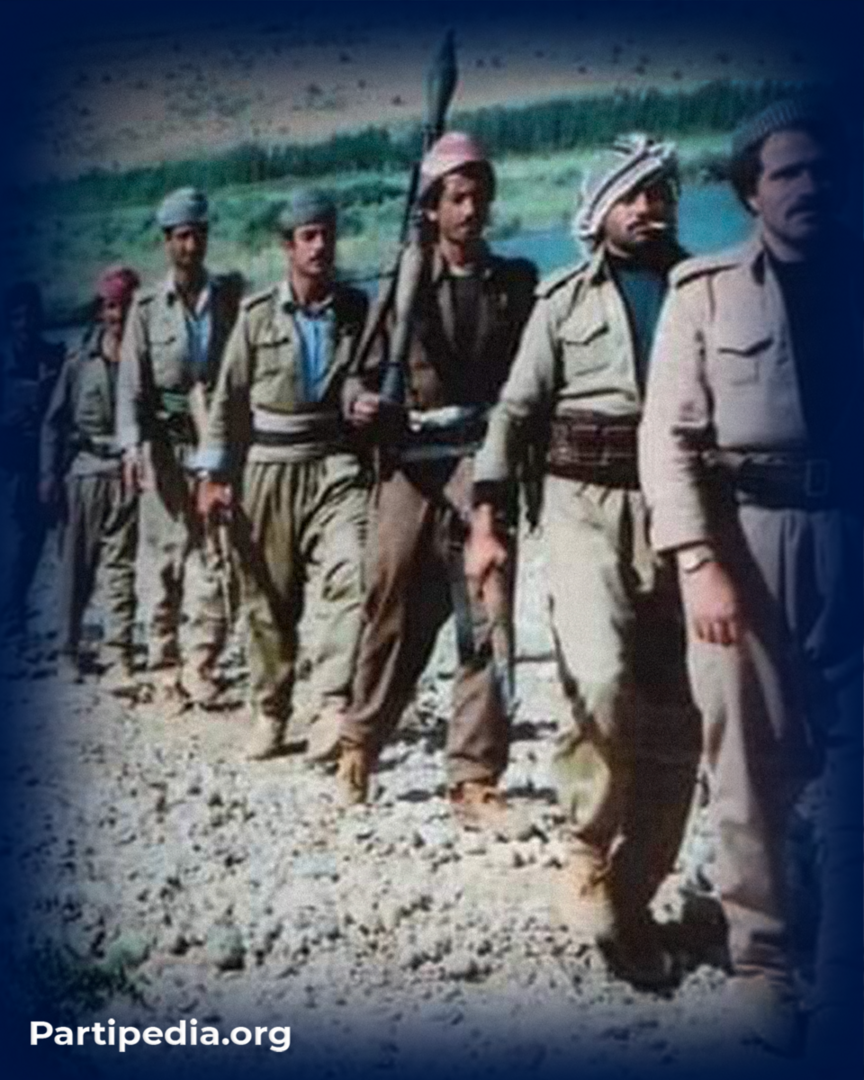
The Baath regime tried by all means to remain in power and remove the obstacles and dangers it faced, and used every effective and useful plan. It is clear that the areas under the control of the revolution were sites of Peshmerga bases and headquarters, and they always posed a great threat to the interests of the Baath regime. Therefore, it resorted to using all the means available to it, and suddenly it was threatened and pressured by its military forces, and ground and air attacks were launched against it with the aim of cleansing it and destroying the villages of Kurdistan.
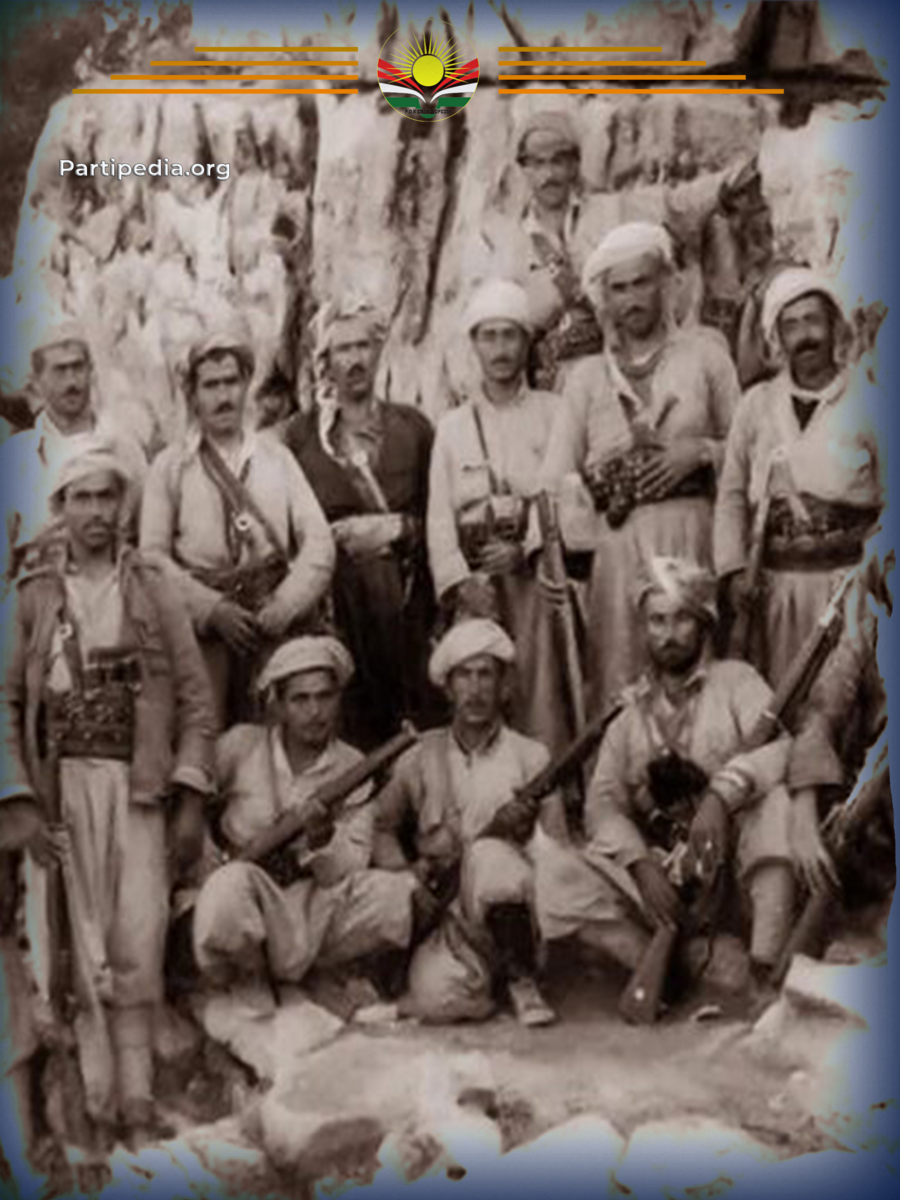
In August 1984, the regime’s army launched a large-scale attack on the areas under the control of the revolution in Zakho in the Bahdinan region, targeting the headquarters of both the Dohuk and Zakho local committees, in order to stop the activities of the Peshmerga and silence the voice of the revolution in the region. Thousands of soldiers and mercenaries participated in the attack, led by Arshad Zebari and Jafar Mustafa, supported by tanks, artillery, armored vehicles, rocket launchers and helicopters.
The attack began on the morning of August 24, 1984, from three axes:
First: Babukhki and Gulnazki axis
Second: The axis of Zeuka, Abwe, Navshki, and Usmana
Third: Levi's axis is on the headquarters of the local committee in Zakho, in the Harina Gorge.
The Peshmerga forces were deployed along the axes according to the attacks of the government forces. Due to the entrenchment of the Peshmerga forces of the Martyr Shahyaz Saleh Organization and the Heval Sadiq Gulnazki Organization in the Babukhki and Gulnazki axis, the task of the Ziuka Abwi, Navshki, and Osmana axis was assigned to the Peshmerga forces of the Ranjbaran, Khalid Kocher, and Martyr Muhammad Hamdi Organizations, along with a group of Popular Resistance forces. At that time, the Peshmerga forces were organized within the party structure in the form of branches and local units. Fatah Goli A local committee official in Duhok oversaw the Peshmerga forces in that confrontation, and another joint force of Peshmerga was formed. Kurdistan Democratic Party A group from the Communist Party, led by Muhammad Murad, acted as an emergency force to support the Peshmerga forces assigned to the front from which the government forces advanced. This force was stationed above the village of Ziuka Abawi between the two fronts.
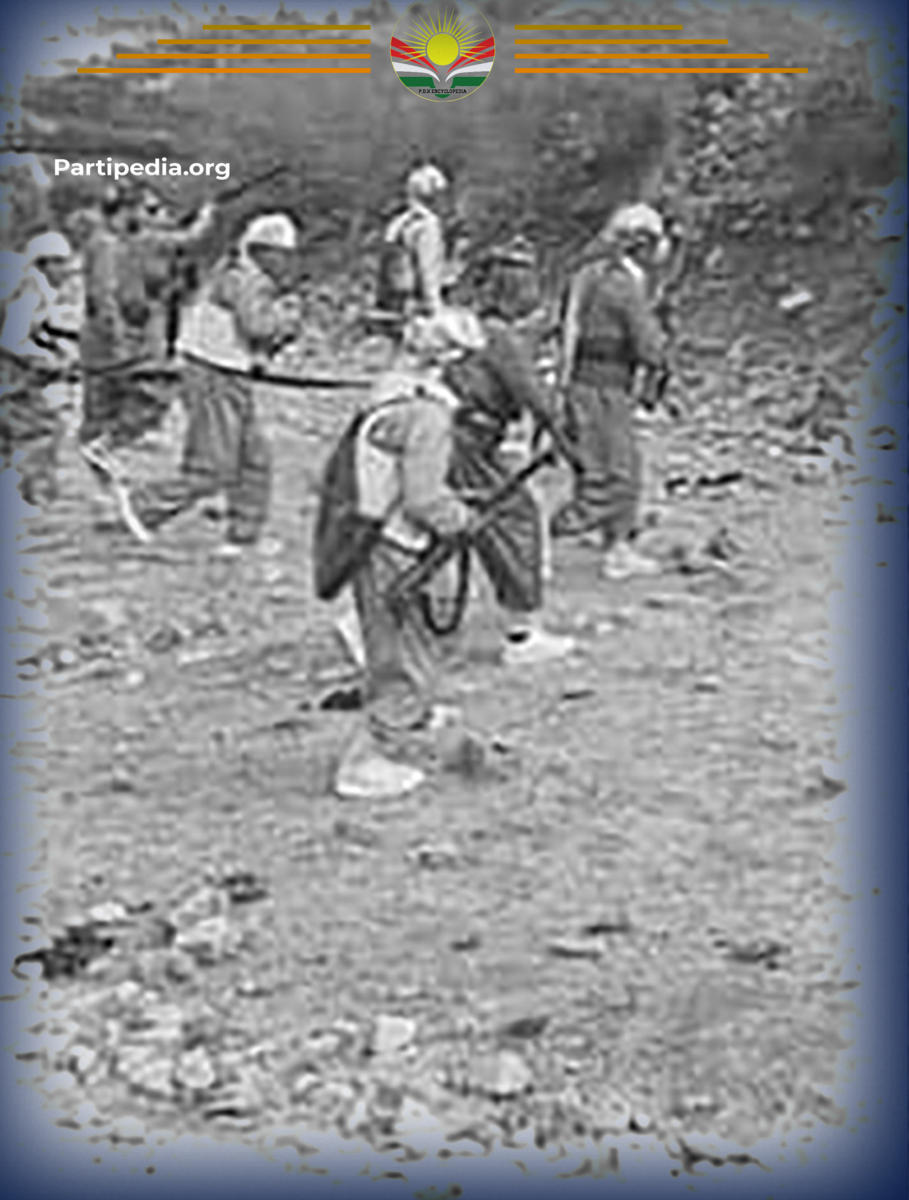
In the early morning hours, Ba'athist government forces launched an attack on Peshmerga positions from all directions. The Peshmerga forces in the designated area repelled the attack, and fierce battles ensued. Initially, they managed to repel the attack and inflict a heavy blow, but three Peshmerga fighters were martyred on the Navshki front. Government forces then advanced towards the village of Uzmana. The Peshmerga reinforced their defensive positions, and reinforcements arrived in Uzmana to support them and tighten the siege on the attacking forces. The villagers cooperated fully with the Peshmerga, responding to the government attack with heavy and light weapons, defeating them wherever they advanced and pushing them back beyond the village of Zuika.
This time the government's attack was not only on the ground, but it also came from the air, with bombing by aircraft. During the fighting, eight aircraft flew continuously over the area to support the government ground forces and set fire to Peshmerga positions, resulting in the martyrdom of a number of Peshmerga. To decide the outcome of the battles, the Iraqi army continuously attacked Peshmerga headquarters and bases from the air, and in every battle with the Peshmerga, it resorted to bombing the positions.
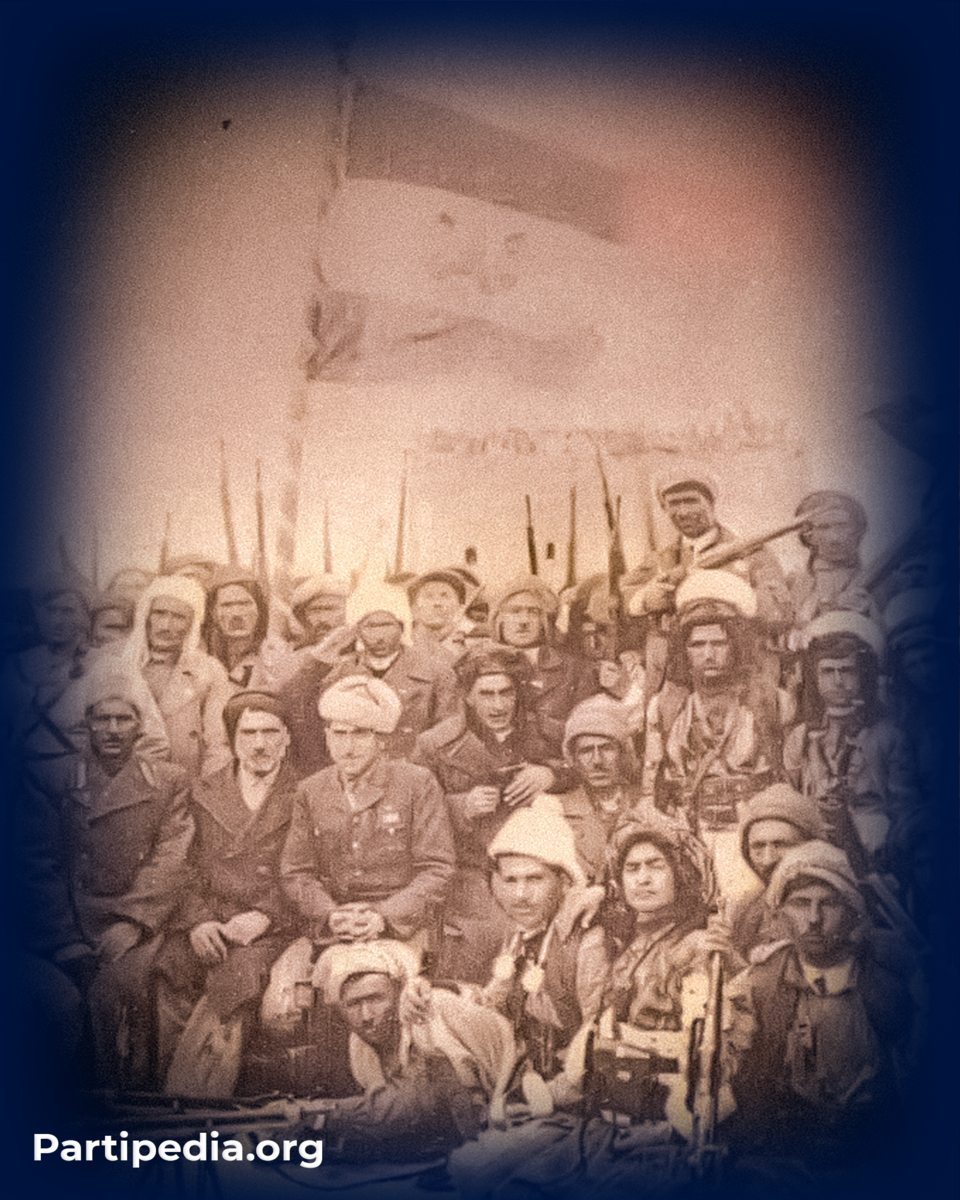
The Ba'athist regime's attack lasted for eight days, during which the military and armed forces were constantly confronting the Peshmerga forces with the support of tanks, artillery, and aircraft. The Peshmerga forces were repelling them with all their weapons and with the support of the National Defense Forces against all those massive and armed attacks by the enemy forces. Although the Iraqi forces exhausted the Peshmerga forces during the eight days, the Peshmerga forces did not hesitate to defend. On the eighth day, the Peshmerga forces launched a counter-attack on all axes against the government forces, where they suddenly attacked the vanguard of the government forces, and quickly scattered their ranks and imposed a great victory on them. The government forces were defeated and retreated, and the battle ended with the victory of the Peshmerga forces and the defeat of the Iraqi army and the mercenary militants.
Government forces suffered heavy losses in dead and wounded during this attack, including the death of Lieutenant Colonel Abdullah, brother of Latif Zebari, the mercenary advisor, who was killed near the village of Galnazki. Dozens of bodies were left on the battlefield and many were captured. A large quantity of weapons and ammunition fell into the hands of the Peshmerga forces and became one of the achievements of the revolution. Victory in this battle was achieved with the blood of eight martyrs of the Kurdistan road, five of whom were martyred in air raids.
These government attacks on the areas under the control of the revolution continued throughout the history of the Kurdish liberation struggle, but they failed and were unable to control these areas because of the strong defense provided by the Peshmerga forces. This would have constituted a great achievement for the revolution and raised the morale of the Peshmerga, and at the same time it would have had a great impact in the region, which would have constituted a great moral failure for the government.
Sources:
1- Mahsoud Barzani, Barzani and Bezotna and Ezgari Khwazi Kord, Barghi Chovarim, 1975-1990 Shoreshi Golan, Bahshi Dovim, Shabi Yahkim, (Chaphaneh Oksana - 2021).
2- Ghazi Adel Gurdi, “Peace be upon you,” (Turkey, 2021).
3- Muhammad Murad, Khabata Chia, Berhattan and Sharhatin Shisha Golany Danapra Sa5in (176-1989) Da, (Chaphana Kurdistan - Zakh - 2007).