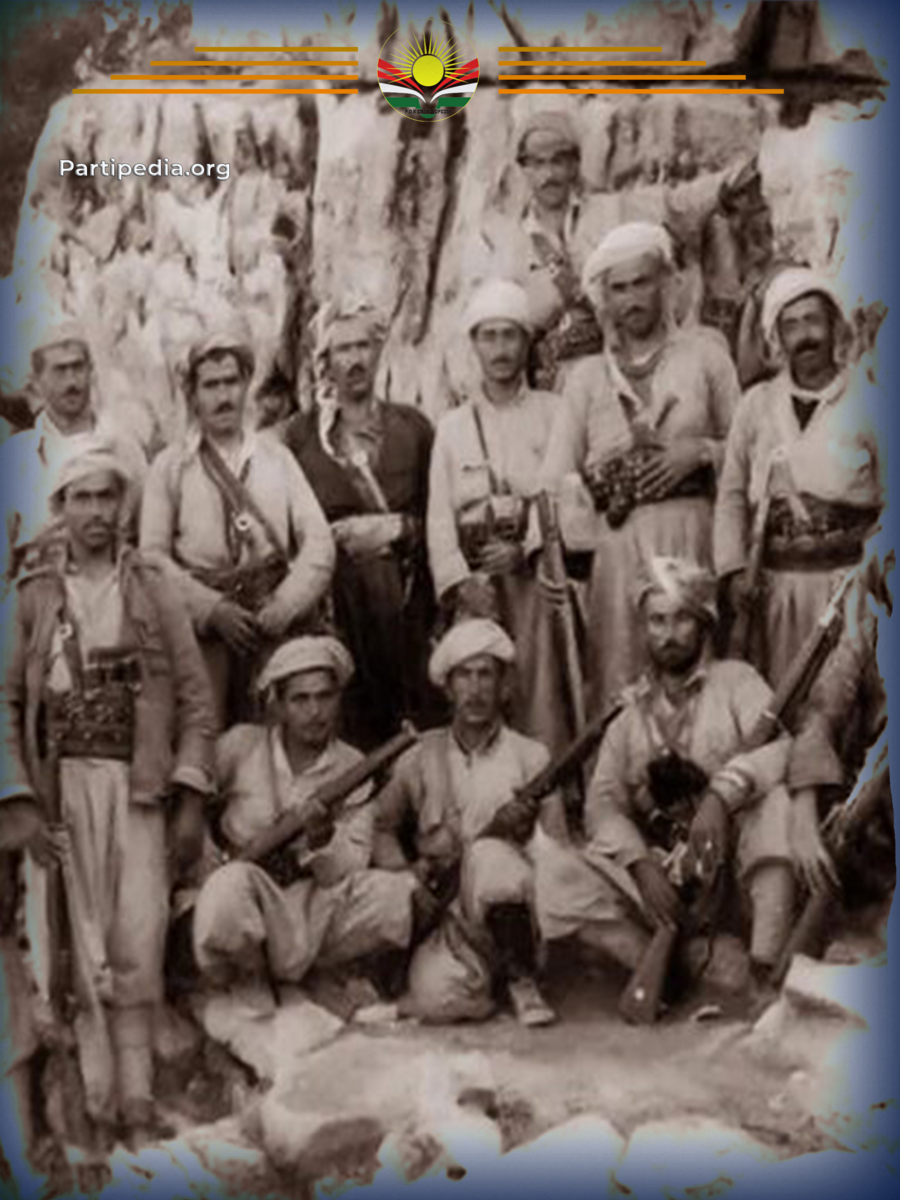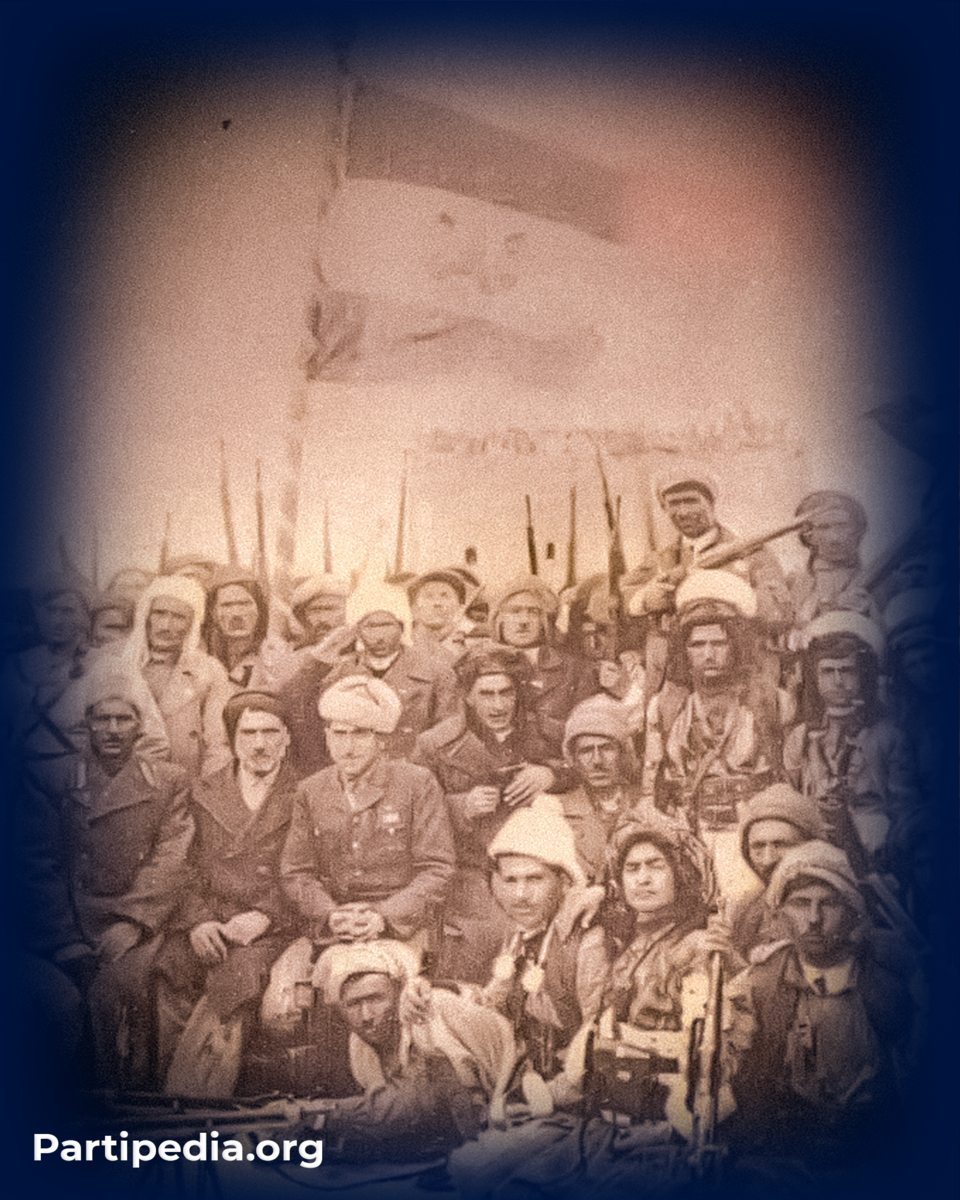



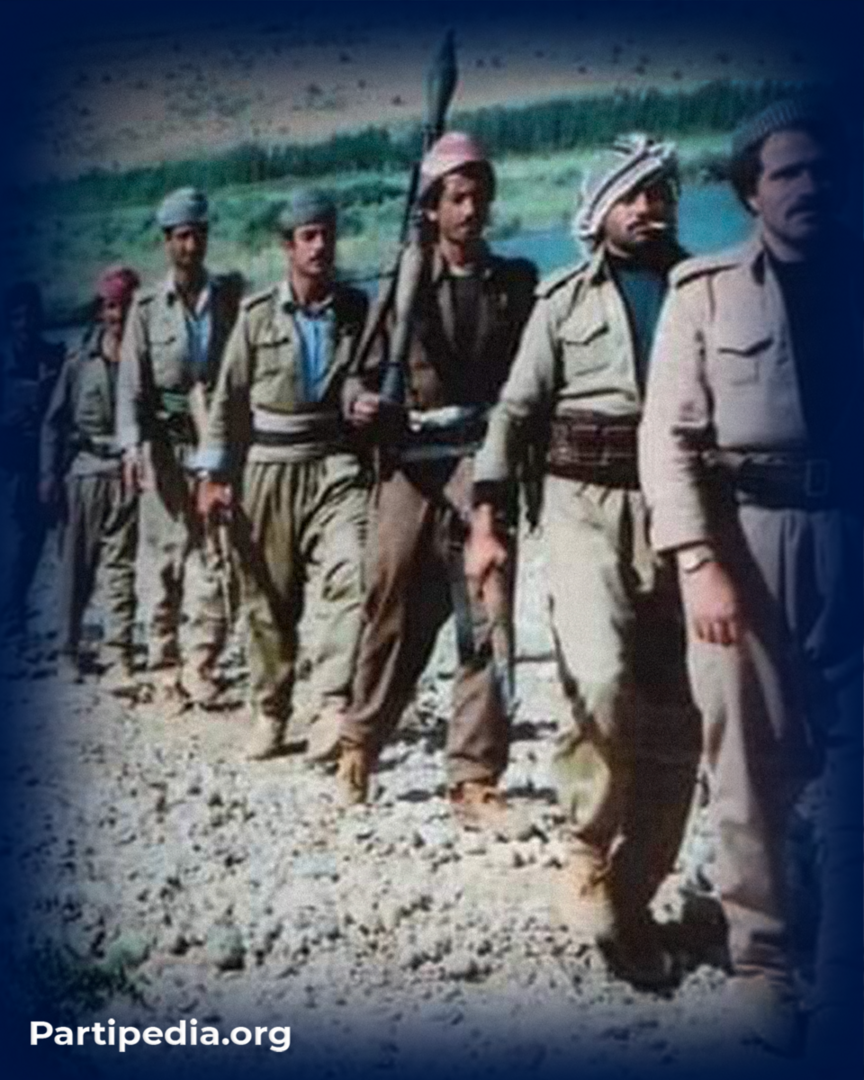
This battle constituted a major blow dealt by the Peshmerga forces of the Kurdistan Democratic Party during Gulan Revolution For one of the Iraqi army outposts, on the night of August 12/13, 1985, when a force of Peshmerga belonging to the Kurdistan Democratic Party and the Communist Party was touring the Batifa area in Duhok Governorate, to inspect the ranks of the organizations and the citizens of the area, they decided to carry out one of the guerrilla warfare activities, so they designated the Kurdah Hol outpost for this purpose. Al-Rabiya was located in the western part of the Batifa district. At 12 midnight, the Peshmerga forces, in accordance with a well-devised plan, carried out the attack on Al-Rabiya. A fierce battle ensued, but due to the resistance of the soldiers of Al-Rabiya and the appeal for help from a military force belonging to the Batifa Brigade, the Peshmerga forces withdrew. The Peshmerga's tasks included spreading the revolution's plan and program and the goal of confronting the Iraqi government to the masses, among other things, through groups of cadres and Peshmerga who infiltrated the masses in the cities and villages of Kurdistan. They visited the organizations and held meetings with them, and they also invited others to make secret contacts with the ranks of the revolutionary organizations in order to strengthen popular support and the ranks of the organizations and the Peshmerga. This was an effective way to convey the principles of the revolution to the inhabitants of the cities and villages. The Peshmerga's activities often included the same rounds, such as attacking military and security bases and headquarters.
In 1985, the Peshmerga forces in the Badinan region were continuously active, strengthening their ranks and carrying out combat operations. They confronted government forces in several locations and achieved notable victories. In August, a Peshmerga force from the Zakho Local Committee of the Kurdistan Democratic Party, along with the Third Company of the Iraqi Communist Party, conducted a joint patrol to inspect villages in the Batifa area of Badinan. Their purpose was to meet with the people and visit revolutionary organizations, explaining the policies and principles of the revolution and the struggle for freedom and democracy, and raising awareness about the Ba'ath regime's authoritarian policies and the revolution's struggle to end them. This joint activity between Kurdistan Democratic Party The Communist Party joined their alliance, which was based on a united front of Kurdish political parties known as the Jud Front, which was founded on November 28, 1980.
After successfully completing the first round plan, which included meetings with the locals and holding meetings, the Peshmerga forces decided to carry out Peshmerga activities during the same round, in order to convince the Baath regime that the revolution is strong and capable of carrying out Peshmerga activities everywhere and inflicting losses on government institutions and military bases, and that it enjoys strong popular support, and on the other hand, it gives courage and morale to the masses and supporters of the revolution to give more hope to it.
To carry out this operation, they identified the village (Kurda Hol) located next to the town of Batifa in the western part. The Peshmerga forces, who had put in place the plan to attack the village, left in the darkness of the night of August 12/13, 1985, and began in order to reach the village and open a safe route.
They began clearing the mines around the outpost, a task undertaken by a number of Peshmerga demining experts. These mines had been planted by the Iraqi army around all its camps and military bases to protect itself from the Peshmerga threat. After clearing the road of mines, they removed the only remaining obstacle to their advance and decided to approach and attack the outpost. At midnight, they reached its outskirts and launched a surprise attack. A fierce battle ensued and continued for some time. Despite stiff resistance from the outpost's soldiers, the Peshmerga managed to enter. Several hand grenades were thrown at the Peshmerga, and neighboring outposts and forces belonging to the Batifa Brigade opened fire to rescue the besieged soldiers. A number of Peshmerga fighters were wounded in this attack. Because of the fierce resistance and the brigade and neighboring outposts coming to the aid of the besieged, the Peshmerga forces were unable to continue fighting. Instead, they tried to transport the wounded Peshmerga and evacuate them from the area. Then the Iraqi army began shelling the area with artillery, and as a result, the Peshmerga forces retreated to the village of Bighbari, treated the wounded, and then withdrew from the area.
Sources:
1- Masoud Barzani, Barzani and Bezotna and Ezgari Khwazi Kord, Bargi Chovarem, 1975-1990 Shoreshi Golan, Bahshi Dovim, Shabi Yahkim, (Chaphaneh Oksana - 2021).
2- Muhammad Murad, “Khabata Chiya Berhatna wa Sīrhatīn Shisha Golanı Danavıra Sa5in” (1976-1989) Da, (Kurdistan Region - Zakhīch - 2007).
3- Jamal Fathu5ha Tip, Bzotnawiy Zgarikhawazi Kurd for Bashouri Kurdistan, Chapai, (Chakhani Shehab - Hewler - 2012).