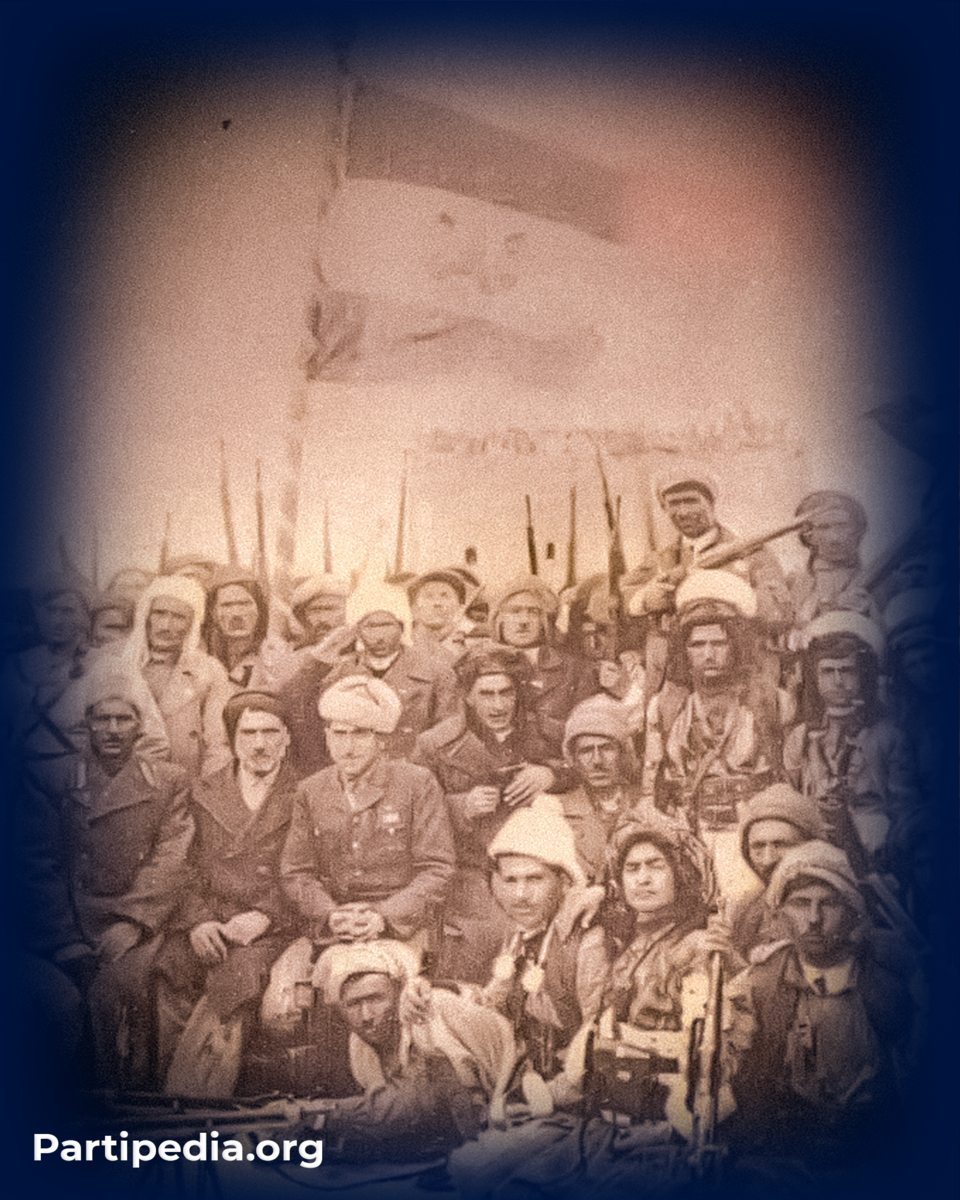


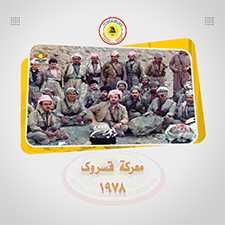
Following the signing of the Algiers Agreement on March 6, 1975, between Iraq and Iran, which was implemented as an international plan against the Kurdish liberation movement, the fate of the Kurds in southern Kurdistan was plunged into despair and dire humanitarian crisis. The Ba'athist government believed it had definitively eliminated the Kurdish movement, making its resurgence impossible. However, this did not happen. In May 1976, the armed revolution resumed, restoring hope and confidence to the people of Kurdistan. This step is considered a new turning point in contemporary Kurdish history.[1].
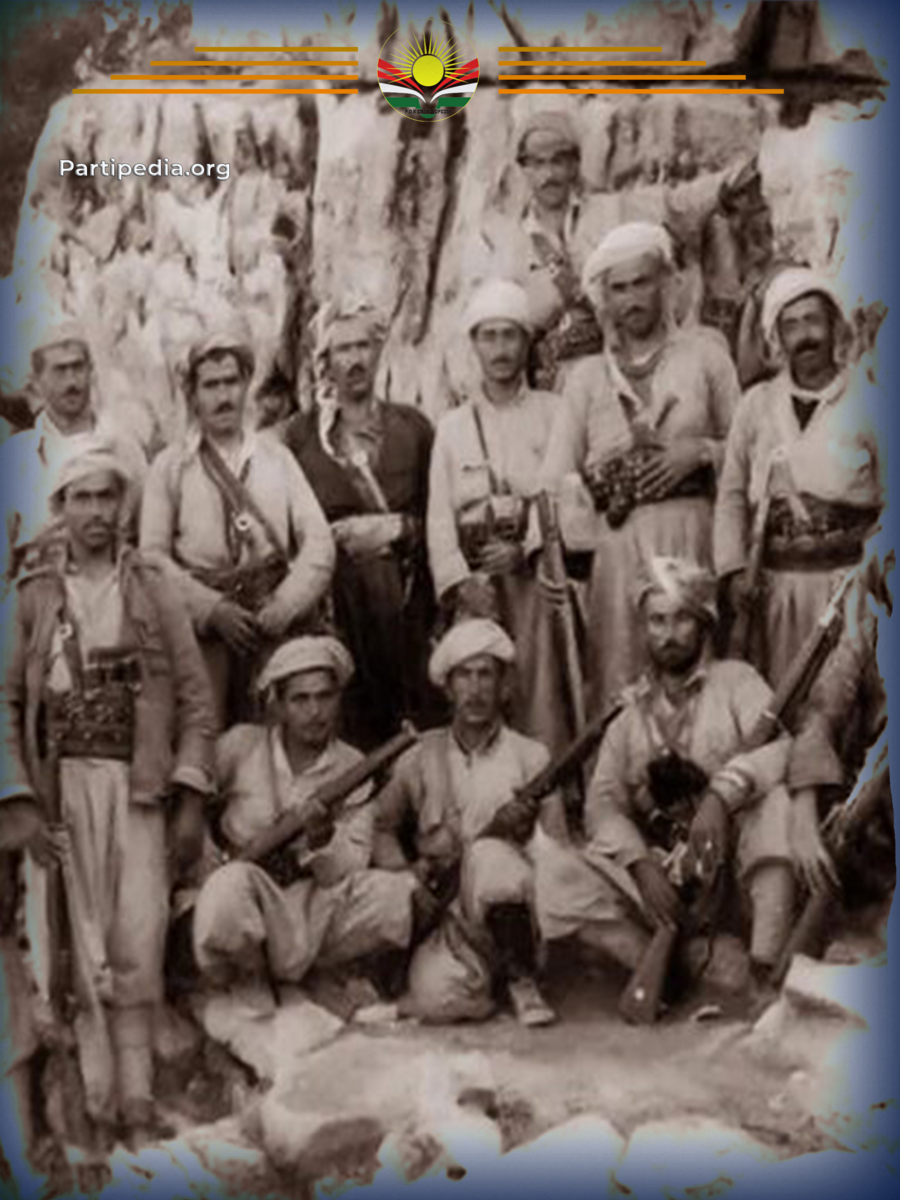
After that period, the Peshmerga forces were sent deep into southern Kurdistan by the revolutionary leadership, and then contact was made with the cadres and Peshmerga. September Revolution Those who remained in Kurdistan and did not seek refuge in Iran or Turkey, in order to organize their ranks and revitalize another phase of the revolution, to begin combat activities and guerrilla warfare, and in addition to that, to convey the message of the revolution's resurgence and the defense of the rights of the Kurdish people to the leaders of the Ba'ath regime.[2].
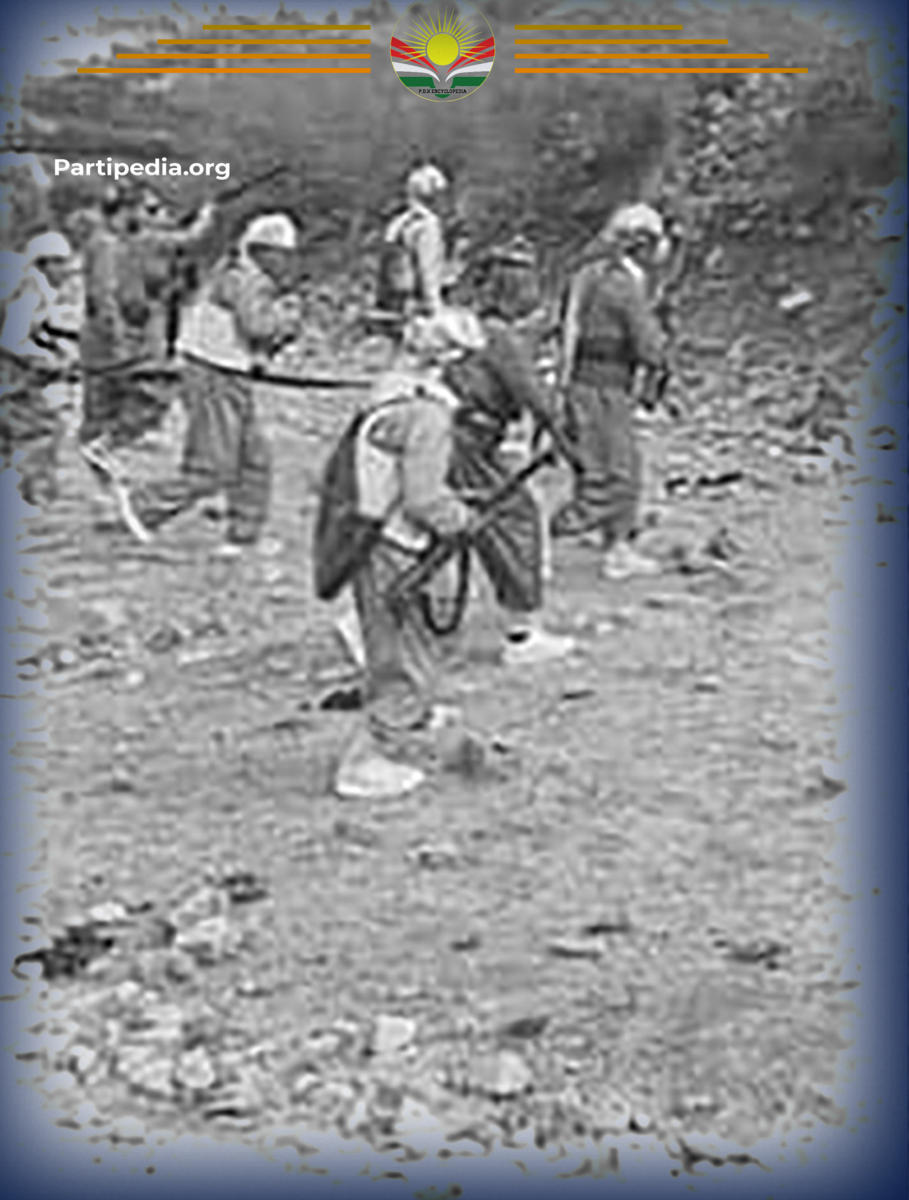
One of the activities carried out by the Peshmerga forces that inflicted significant damage on the Ba'athist government's institutions was a guerrilla warfare operation in the Qasrok area of the Sheikhan district in Dohuk Governorate in 1978. A Peshmerga force managed to reach one of the Ba'athist regime's bases and launched a surprise attack, inflicting heavy casualties and material losses in a short period. One Peshmerga member, Hamid Hafizullah, a senior officer, was martyred in this operation. Kurdistan Democratic PartyAfter his body was transported, he was buried in the village of Balan, which belongs to the district of Mariba.[3].
It is worth noting that all these activities carried out by the Peshmerga forces served as a frightening message to the leaders of the Baath regime, indicating that even if the revolution suffers a setback due to injustice and international plots, it will return to the arena of struggle in another form, and bury the dreams of those who wished to eliminate it.
Sources:
- Mahsoud Barzani: Barzani and his wife, Ezgari Khwazi Kurd, the best of their consultations, 1975-1990 Shirshi Gohan, Bahshi Douham, Shapi Yahkam, Chapkhana, Oksana, 2021.
- Jahmal Faḥḥwūlāh Tahib: With his zūtānah and zāgarīkhwāzī Kurdish word for him, Başuri of Kurdistan 1976-1980, Chapi Yahkim, Chapkhana Shehab, Haholer-2012.
- Ghazi Adel Ghaherdi: Your home has a barzaneda barn, bargi douhm, doohum chapi, Turkey- 2021.
[1] Jahmal Faḥḥwūlāh Tahib: With his zūtānah and zāgarīkhwāzī Kurdish word for him, Başuri of Kurdistan 1976-1980, Chapi Yahkim, Chapkhana Shehab, Haholer-2012, for11.
[2] Ghazi Adel Ghaherdi: Your home has a barzaneda barn, bargi douhm, doohum chapi, Turkey- 2021, for46
[3] Mahsoud Barzani: Barzani and his wife, Ezgari Khwazi Kurd, the best of their consultations, 1975-1990 Shirshi Gohan, Bahshi Douham, Shapi Yahkam, Chapkhana, Oksana, 2021, for53.