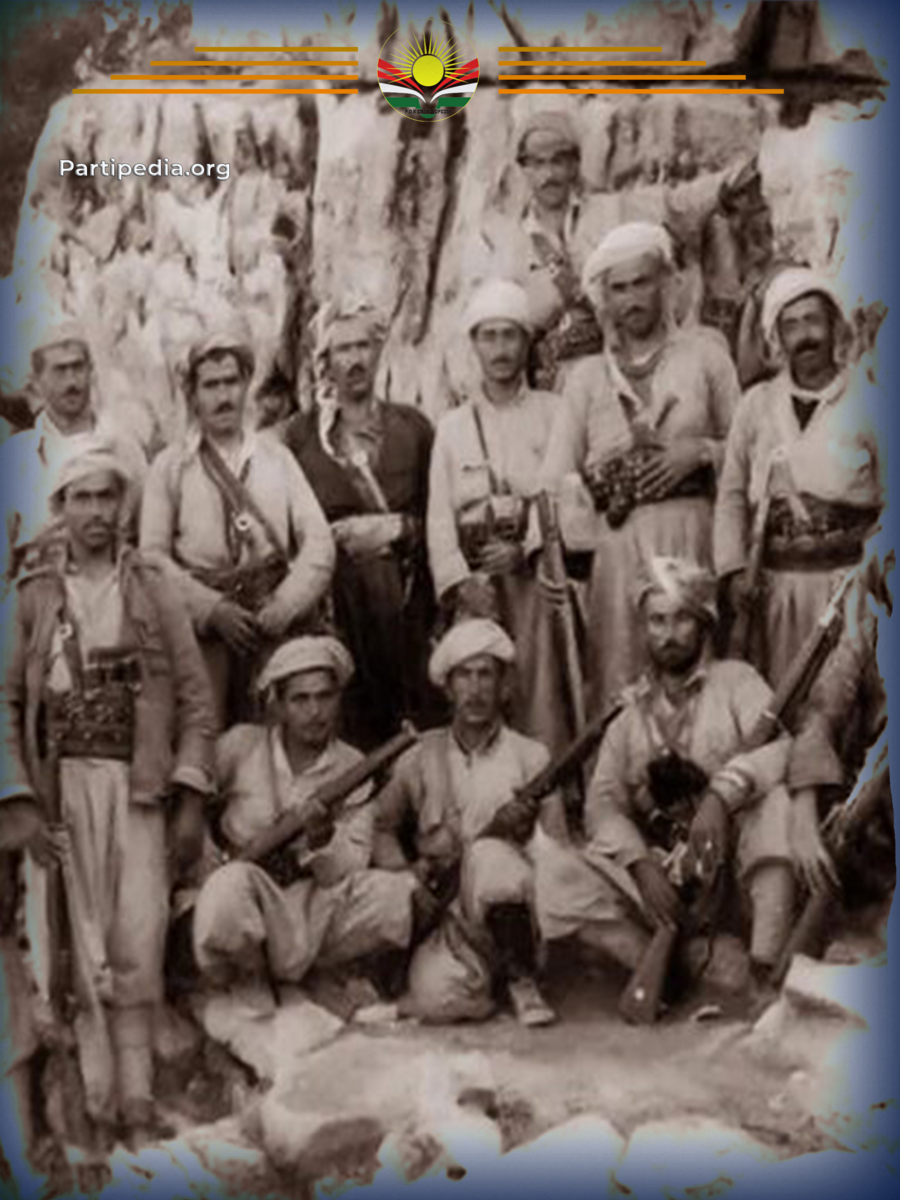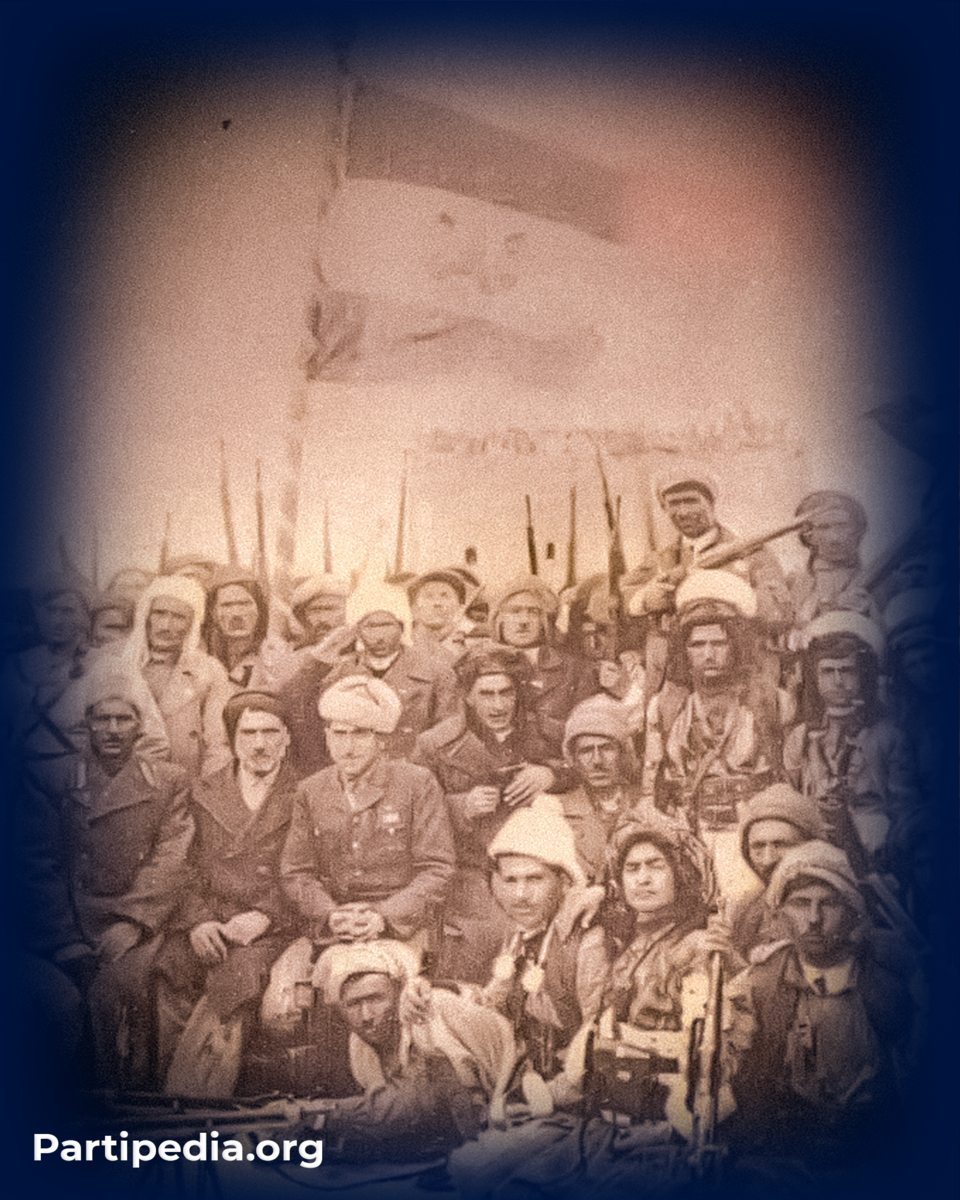



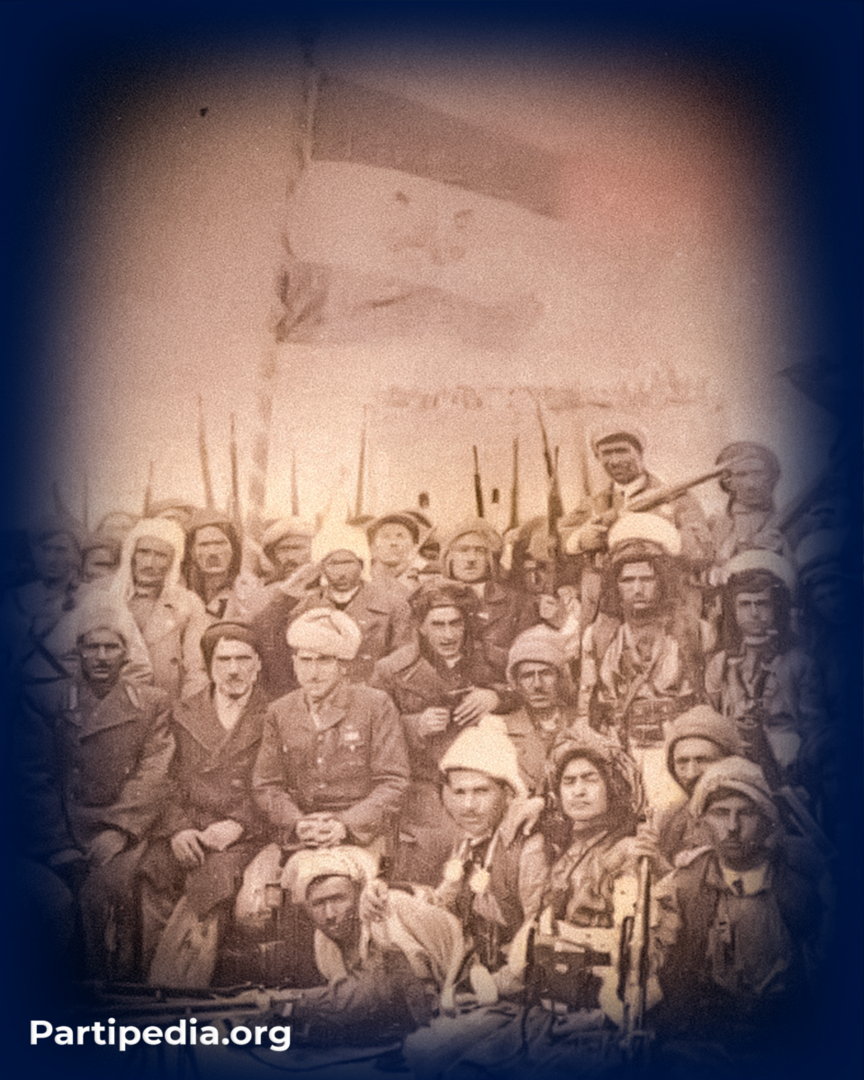
After the setback of the Republic and the withdrawal of Barzani's forces to Iraqi territory, a new phase of war and clashes with the Iranian army and the tribes loyal to the government began. A number of these battles were devastating blows to the Iranian army and its supporters. One of these battles that took place during this withdrawal between Barzani's forces and the Iranian army was the Battle of Sufyan. After the victory in the Battle of Nilus, Barzani's forces learned that part of the Iranian army forces were stationed in the village of Sufyan, which is located 10 kilometers south of the Nilus district. This prompted Barzani's forces to target this place. Therefore, at 7 am on March 17, 1947, they began the attack on the Iranian army forces in Sufyan, which had previously been under the control of the Mamish and Mangur tribes, who had fled from it.
Initially, after 12 hours of fighting with the Iranian forces, the Barzanis managed to seize the high ground in the region, taking advantage of the strength of the artillery and heavy weapons. Eight members of Barzan's forces were martyred in this battle and 12 others were wounded. On the Iranian side, an officer named Reza Qarabaghi and one soldier were killed, and 11 others were captured by the Barzanis. When the Iranian army saw that it had suffered a defeat in Sufyan, as had happened in Nalous, it began to launch a counter-attack, taking advantage of the Lorestan cavalry battalion, two artillery battalions, and warplanes. As a result of this attack, which was carried out in bad weather conditions, the Barzanis were forced to retreat.
But here we must consider the opinion of the Iranian journalist, Basiani, who is hired to promote the idea that the Barzanis were defeated in the Battle of Soufian, as a false opinion, because, above all, he was merely a journalist who was allowed by the Iranian authorities to cover the events, so that he often showed the Iranian forces as victorious and portrayed the Barzanis as defeated. An example of this bias appeared in the Battle of Soufian, where First Lieutenant Qarabaghi and a number of soldiers were killed. He changed this defeat to a victory in which 16 of Barzani's Peshmerga were martyred and 20 others were wounded, which is in fact baseless except for lies, because when the Battle of Soufian broke out, as mentioned, due to bad weather and rainfall, the Iranian army was unable to move in its place, and this is precisely the reason that led to the victory of the Barzanis.
On the other hand, journalist Pessiani talks about the use of air power in this battle, which we can say was nothing but propaganda for the Iranian army forces, because the planes that were in the possession of the Iranian air force were not advanced enough to fly in bad weather and hit their targets in a mountainous region. On the other hand, there is no other Iranian source, not even the Iranian army center itself in its book written during the Pahlavi era, entitled (Tarikh-e Panjah Salh Niroy Zamini Shahanshahi Iran - Tarikh-e Fifty Years of the Iranian Imperial Ground Forces), sees the reason for the defeat of First Lieutenant Karabaghi’s forces as the weather conditions in the region being bad for the attack, and does not mention in any way receiving assistance from the air force.
Sources:
1- Najafqali Basian, Az Mahabad Khunin Ta Karanahay Ars, (Sharket Sahami Chap - Tehran - 1328).
2- Aladdin Sajjadi, Shirchahkani Kurd, (Chakhana Mah Arif - Bahghad - 1959).
3- Sehabad Muhammad Kazemi, Sarhang 2, Manouchehr Alborz Stadium, Tarikh Punjah Saleh Nayrovi Zamini Shahenshahi, Iran, Tehran, 2535.