

After the Iraqi government began to backtrack and renege on implementing the terms of the March 11, 1970 agreement, and following four years of negotiations during which it managed to reorganize its military through rearmament and the restructuring of its army via relations and agreements signed with the Soviet Union under the name of the Treaty of Friendship and Cooperation, its aim was to obtain Iraqi military support to end the Kurdish rebellion this time in a short period. The Soviet Union, for its part, aimed to invest capital in Iraq to strengthen its position in the Middle East.
As a result of the Peshmerga forces besieging the Rawanduz garrison camp, and before the war broke out again, the Iraqi army at the beginning of April withdrew all its forces to the Spilik camp, and also moved the headquarters of its brigade, which was in the village of Balkian north of Wadi Ali Bek, to the same place.
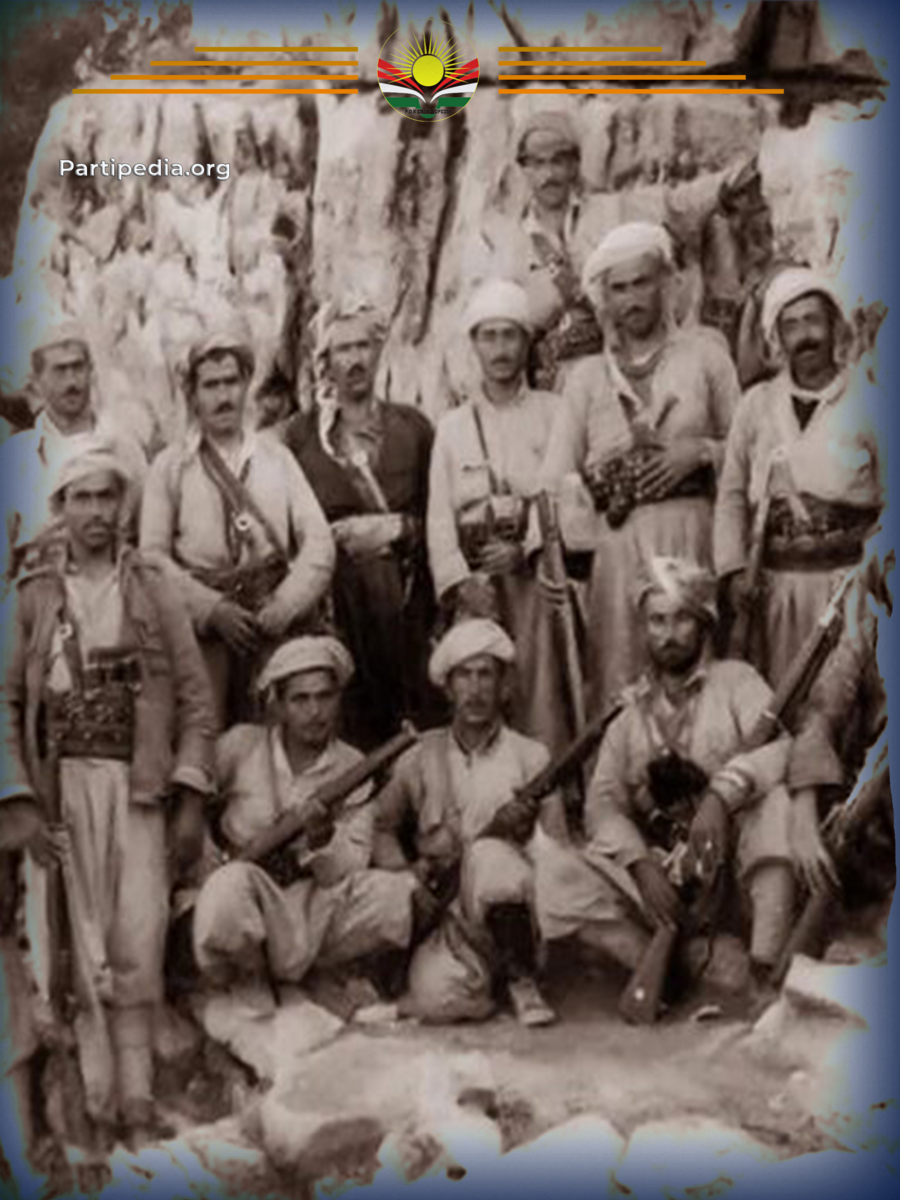
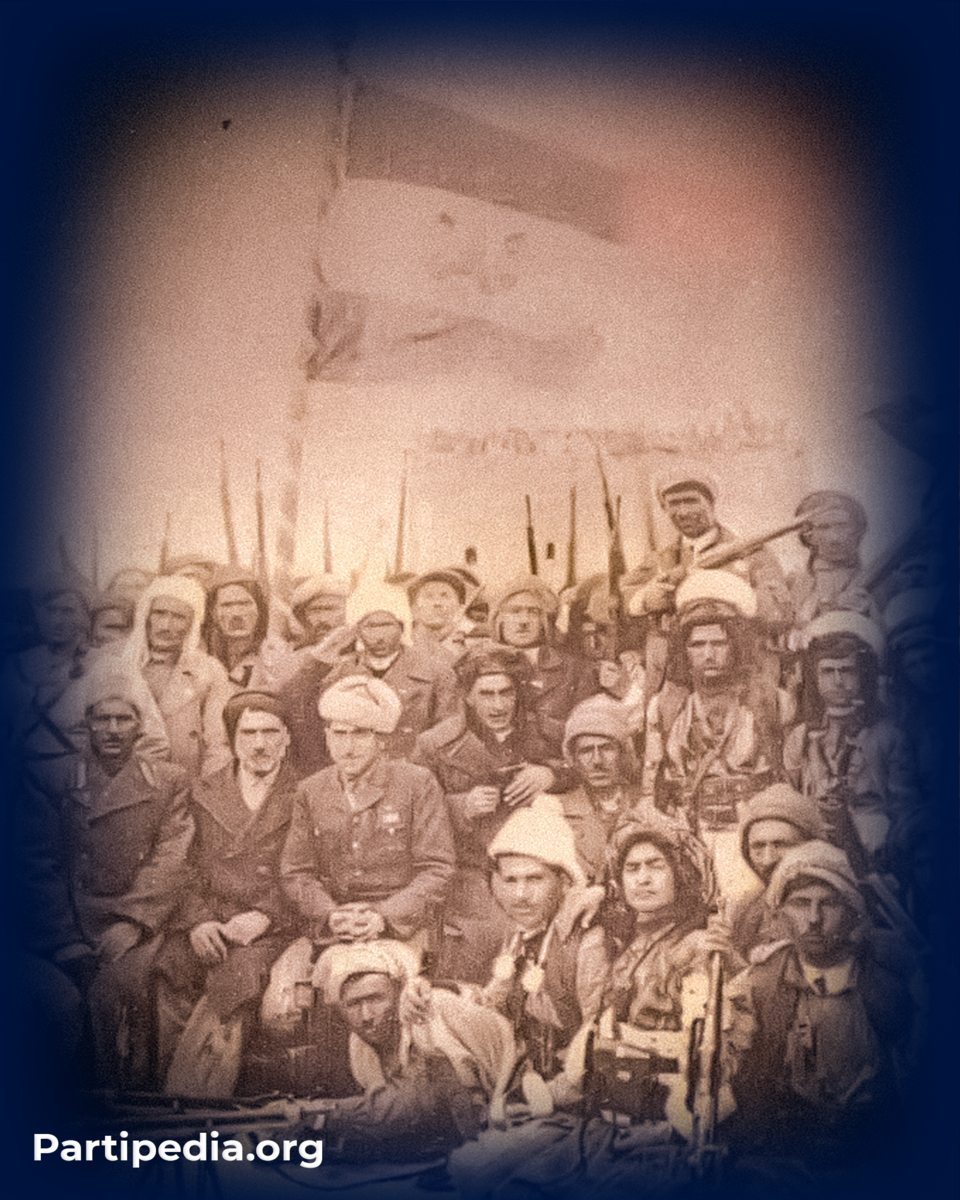
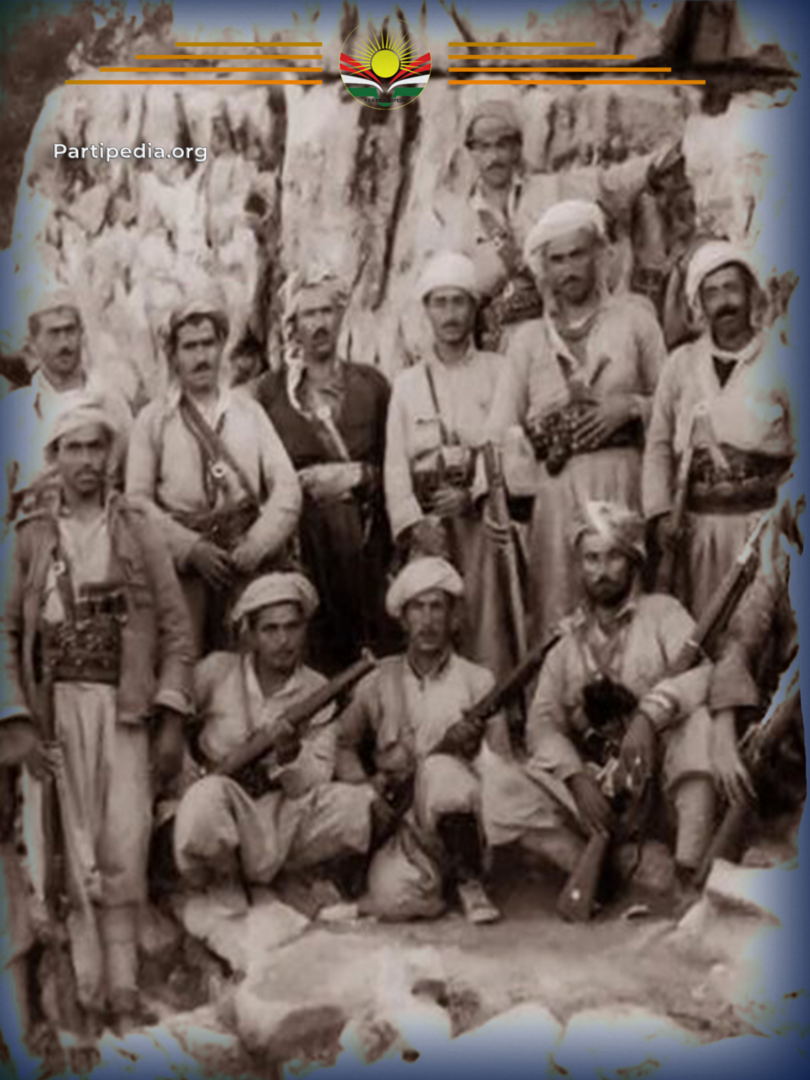
On April 16, 1974, he issued Mustafa Barzani president Kurdistan Democratic Party The leader of the September Revolution ordered an attack on the Spilik camp, located west of the town of Khalifan, with the aim of disrupting the Iraqi army and capturing this strategic position. Although the Peshmerga launched the attack, it failed due to the strong defense and the large number of Iraqi soldiers and advanced weaponry. In another incident, it was reported that the Iraqi government attacked the impregnable Spilik area, where an Iraqi army brigade was besieged by the Peshmerga. After fierce fighting, the Iraqi army managed to break the Peshmerga siege, and the two Iraqi army forces joined forces to prepare for a major offensive on Rawanduz.
A Peshmerga regiment under the command of Mirkhan Mohammed Amin was deployed to Serchiya. Following intelligence reports of the Iraqi army's advance on this axis, the revolutionary command received orders in late April for the 2nd Zozk Regiment, led by Lieutenant Younis Rojbayani, to transfer its mission to Serchiya, joining the aforementioned regiment to reinforce the defensive line. This Peshmerga force, en route from Hawdian through the Khlan-Biaw Valley, was tasked with defending the main road between Spilik and Khalifan, as the Iraqi army intended to advance from there into the revolutionary areas of Rawanduz, Diana, and Balkayti.
It is clear that on the morning of that day, before the arrival of the second regiment, the Iraqi army had already begun to advance on the Spilik-Khalifan road. They were met by a small force that had been stationed there beforehand, and in a strong defense, after the martyrdom of five Peshmerga and the wounding of several others, they were able to inflict heavy losses on the Iraqi army and force it to retreat.
That night, when Younis Rojbayani's battalion arrived at the position, they were extremely tired and exhausted from the long journey. They inquired about the situation and whether there was any news of Iraqi army movements, as they needed to ascend to Sarchiya. However, the Peshmerga previously stationed on that axis replied that they had no information on the matter. In the morning, they discovered that the Iraqi army had captured Sarchiya. An order was issued to the company defending the Sabilak-Khalifan road to proceed to Bansir, at the end of the Sarchiya mountain range overlooking Khalifan. After the Iraqi army seized Sarchiya, a telegram arrived from the military office ordering a counterattack to retake Sarchiya from the Iraqi army. The Peshmerga forces began preparing to launch an attack on Sarchiya. All the Peshmerga who were en route from Khalan-Biaw to Bansir to launch the attack on Sarchiya from that location were targeted throughout the day by Iraqi aircraft. Which was flying in the sky above the area.
As soon as the Peshmerga forces arrived in Bansir and were busy preparing to launch an attack on Sarjiya, a force from the Iraqi army suddenly attacked the Peshmerga positions. However, the Peshmerga confronted them fiercely and managed to eliminate all the soldiers except for 3 or 4 soldiers who were wounded and captured by the Peshmerga. There were also martyrs and wounded on the Peshmerga side. After that, the Peshmerga forces began to launch a counter-attack and implement the orders of the command, but a problem appeared in front of them, which was the leaking of information from within the Peshmerga forces to the Iraqi army due to the betrayal of one of the Peshmerga officials. Thus, the Iraqi army obtained the zero hour for the attack, and for this reason, the Peshmerga attack failed.
After the Peshmerga were defeated by the commanders of that axis of the battle, the revolutionary leadership was asked to bomb the "Spilik" camp, because it contained a large number of soldiers who were ready to attack and advance. The revolutionary leadership saw this as an important task and immediately assigned the commander Revolutionary Artillery "Hali Dolamri" bombarded the "Spilik" camp. Within one night, two cannons were delivered to Khlan and Biaw, and on Mount Bradost, the artillery commander and the commander of the Second Regiment, Zozk, were monitoring the bombardment. With the rising of the sun, the order was given to the artillery to begin work, and after an intense bombardment, the camp suffered serious damage as a result of the explosion of the ammunition depot and the fuel site inside the camp.
Sources:
1- Ibrahim Jalal, Bashouri Kurdistan ve Shishi Eyilul, Binyatanan wa Ha5takandan, 1961-1975, Chapi Chavarham, 2021.
2- Kurds and Kurdistan have a final name, “Emerikada”, “Kurdani word for it”, and “Hurghani” for it. English and Arabic language, (Chapter 2009).
3- Sahangir Ebrahim Khishnaw, Evdawah Sahrbazikani Shih Yilul 1970-1975, Shabi Yehikim, (Hijri 2022).
4- Dimaneh Lahjah Qadir Hassan Sitkani Peshmerga, July 31, 2022.
5- Masoud Barzani, Barzani and his wife, Zagharikhawazi Kord, Barghi Seyhim, Bahshi Dawahim, Shabi Yahkihim, (Hauler - 2004).