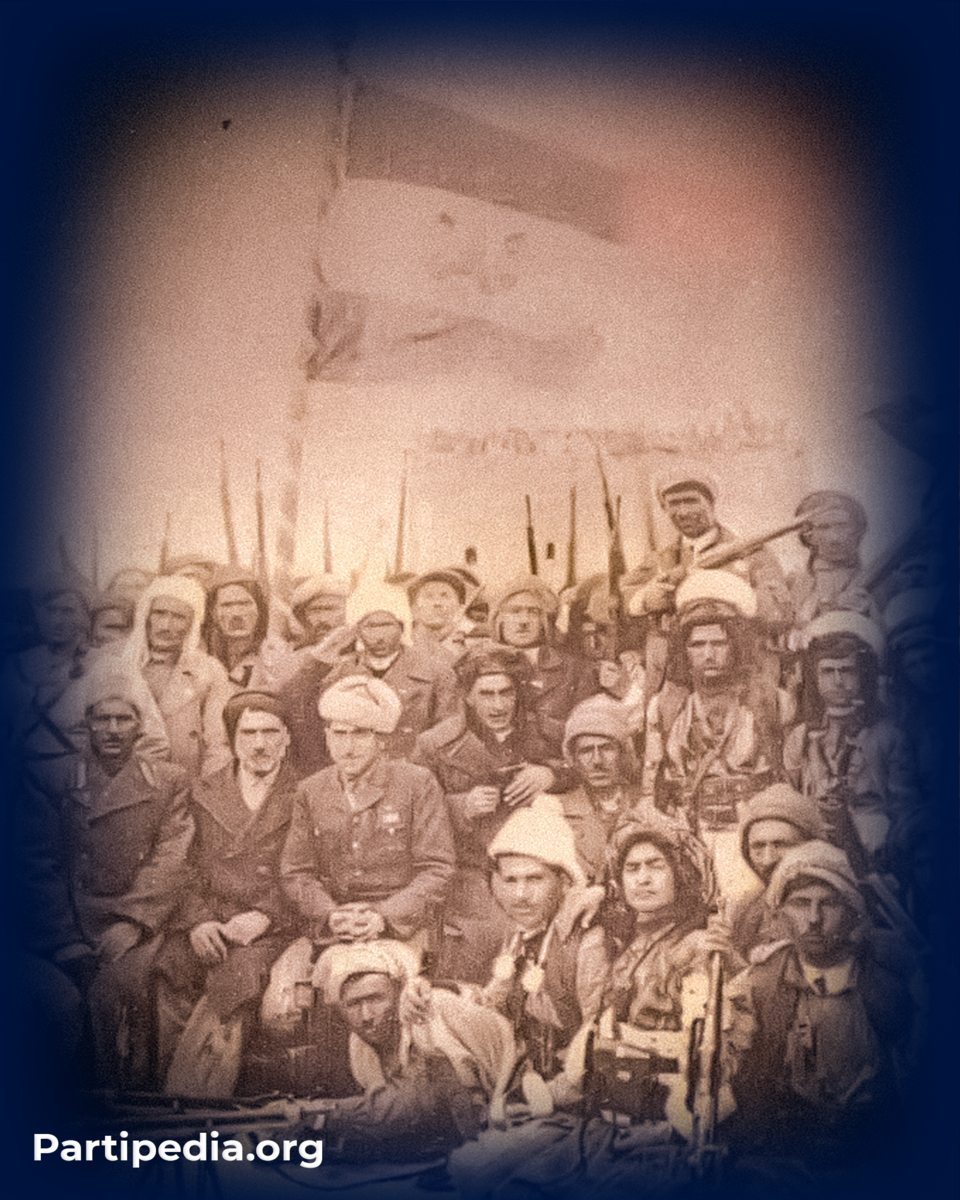


On February 8, 1963, the Ba'athists and Arab nationalists seized power in Iraq through a military coup. From the beginning of the coup, there was no reference to the Kurds' right to self-rule, nor was there any mention of the Kurdish nation in any of the regulations or political plans. This indicated a dangerous sign and a threatening picture for the future of the Kurds, because it became clear from the beginning that this was a retaliatory military coup and not a change of a dictatorial regime. Nevertheless, the leadership of the Kurdish revolution announced, via telegram, its congratulations and support for the coup leaders. Despite the cessation of fighting and military attacks against the Kurds for about three months and the start of talks, the Ba'athists did not come forward with the intention of resolving the problems. Therefore, the talks did not last long, and the Ba'athists resumed their attacks on Kurdistan.
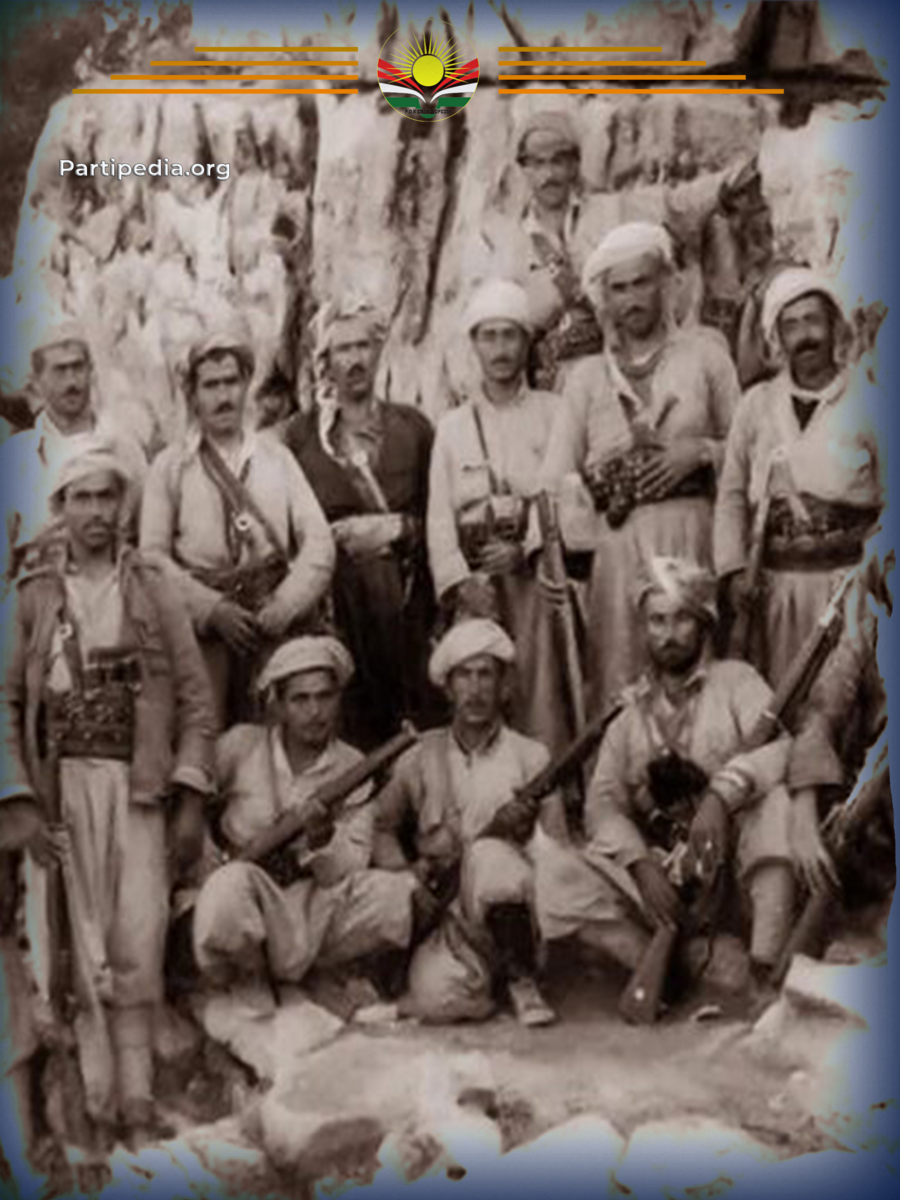
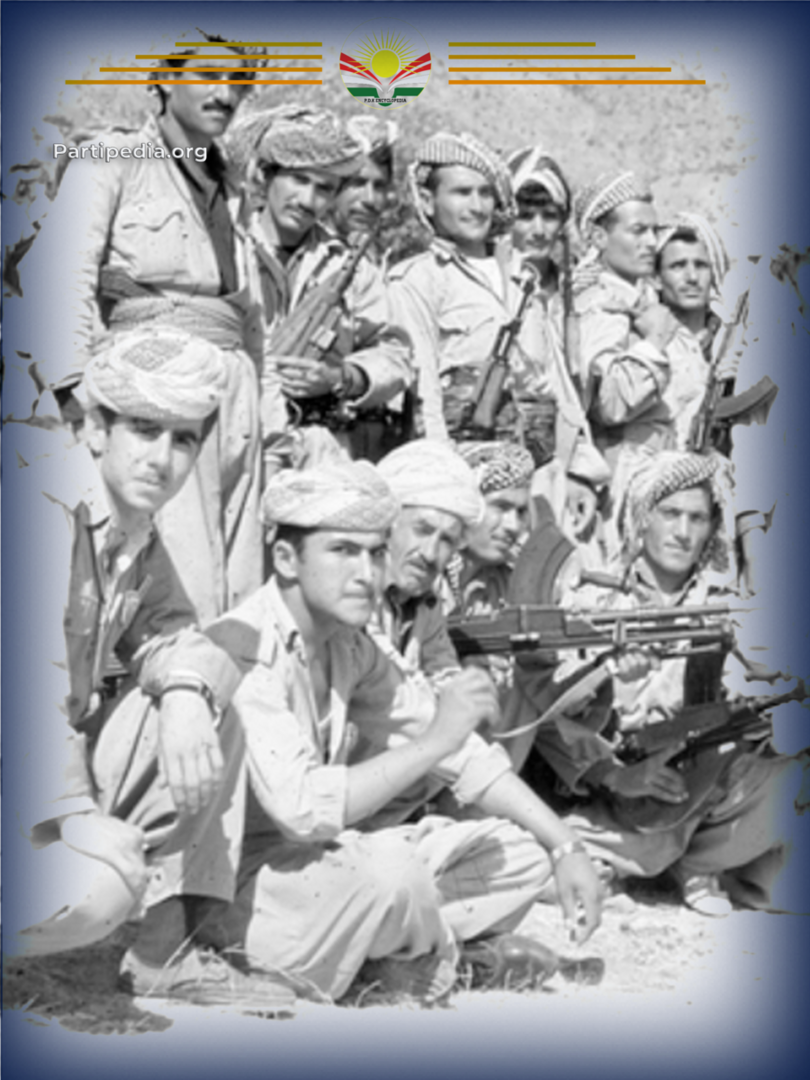
On May 2, 1963, a general order was issued by the army to impose an economic blockade on Kurdistan. Shortly after, specifically on June 1, 1963, the battles were renewed again. One of those battles that we would like to talk about here is the attack on the village of Bawa Khoshin near Darbandikhan. After news reached the Peshmerga forces of Qara Dagh that the Iraqi army had begun to move with the aim of occupying the aforementioned village, they immediately began to prepare to confront the army’s attack.
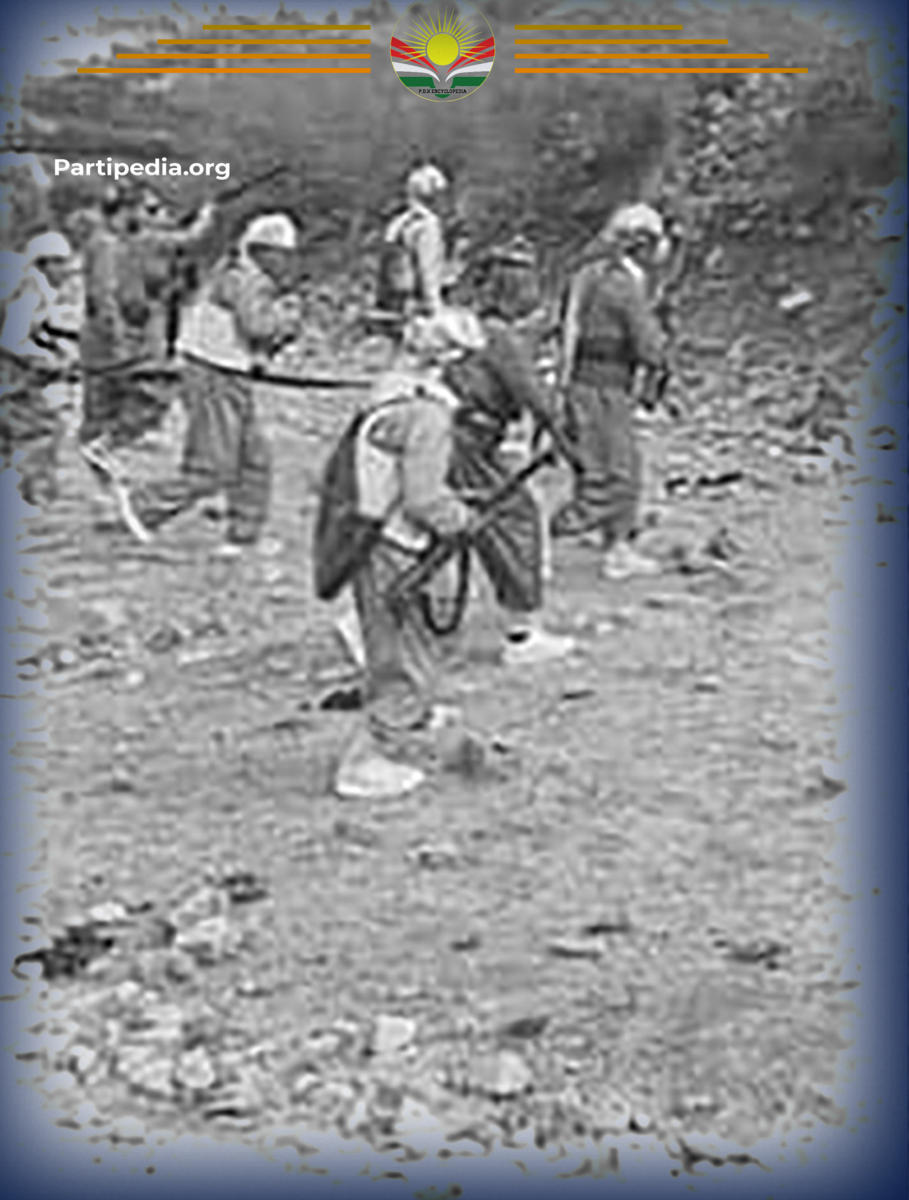
At 8 a.m. on August 4, 1963, the Iraqi army began its attack from Darbandikhan. Before the ground attack began, the area was bombarded with heavy artillery fire. It appears that the Peshmerga had prepared in a way that prevented the army from reaching the villages of Bawa Khoshin and Golan. When the army's ground attack began, a fierce fight broke out between them. After two hours of fighting and clashes, the Iraqi army was defeated in a way that forced it to retreat to the Darbandikhan camp, in addition to suffering heavy losses, while the Peshmerga forces suffered only two wounded.
Sources:
1- Hesheng Salih Najjar, the first generation of people in Iraq and Iraq, 1961-1976, (Holler, 2023).
2- Hawkar Karim Hama Sharif, SHORSHEY EYLOOL.
3- Masoud Barzani, Barzani and Bazutniyeh Ezgari Khwazi Kord, Barghi Seyyim, Bishhiyyikum, SHORSHEY EYLOOL 1961-1975, Chapı, (Chapkhani, Ministry of Foreign Affairs - Holler - 2004).
4- Khishoy Ali Kaniyeh Linji, Biryakani Aziz Qadir Hamid Sourchi, Chabi, (Shakhani Danishfar - Hawler - 2023).