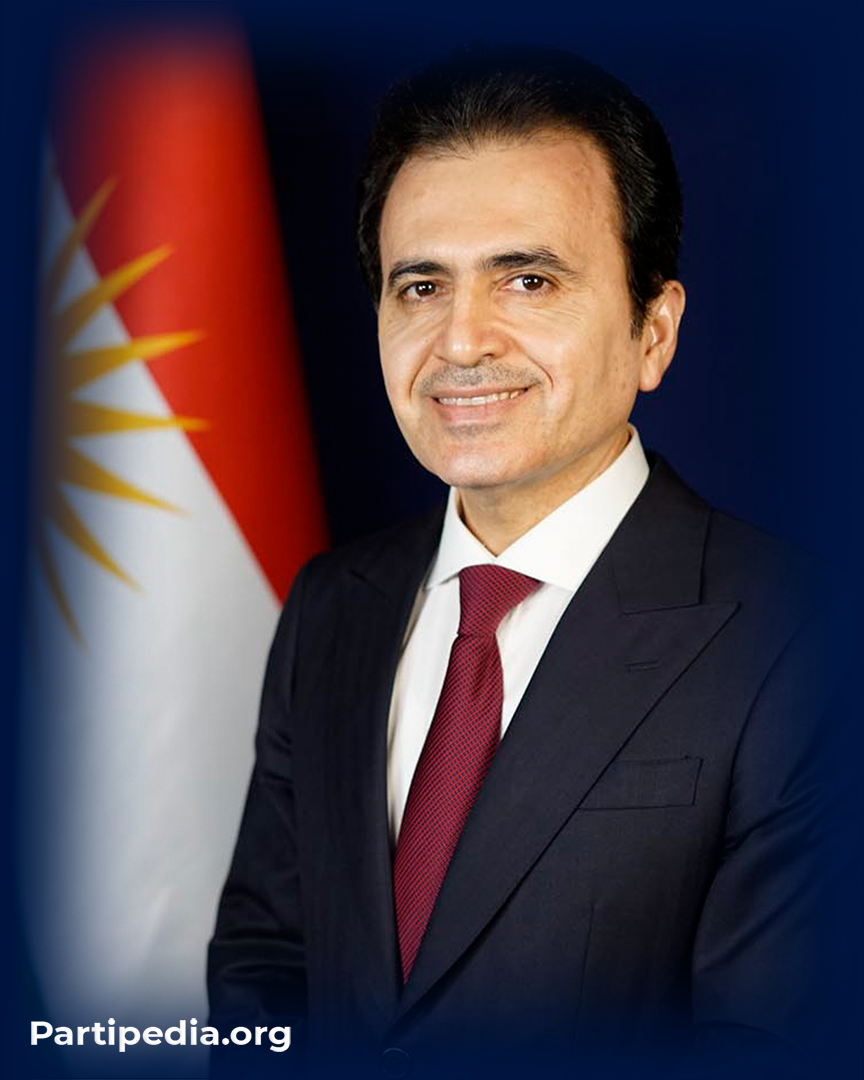


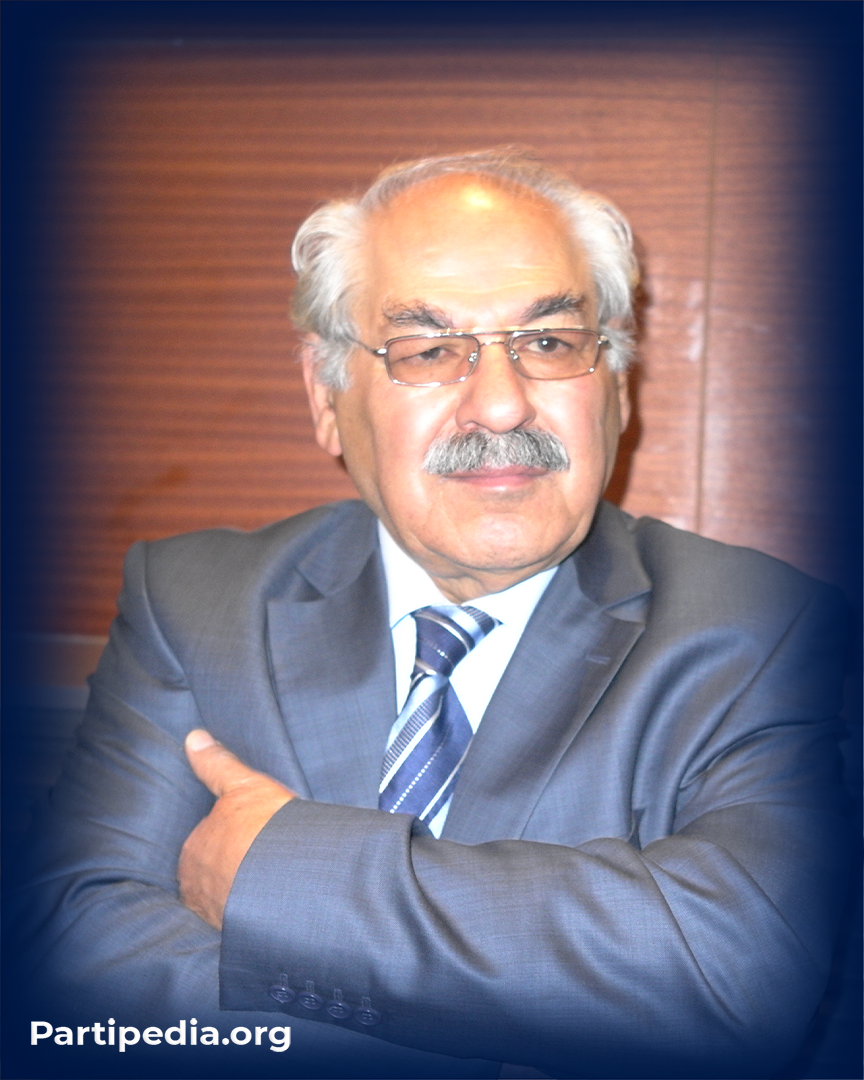
the biography
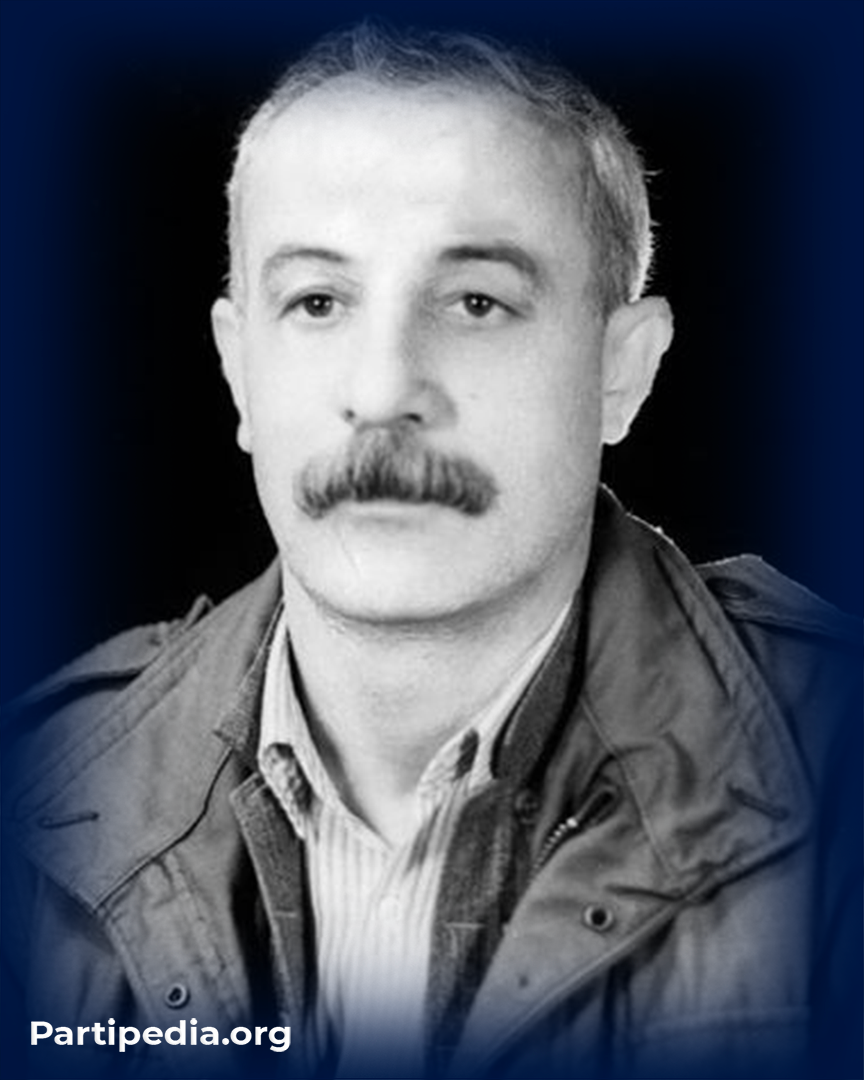
child So, religion is bad Born in Kirkuk in 1943, he was a follower of the Yarsani faith and a descendant of the Mustafa Sayyids. His father, Sayyid Sabir Sayyid Hammoud (1907-1988), was a tribal chief and poet. He enrolled in intermediate school in Kirkuk in 1957. He published his first Kurdish story in 1962 in the Sulaimaniyah edition of the newspaper Vin, under a pseudonym. He married Wasfiya Rashad Sulaiman. He began writing in Arabic for newspapers and magazines in 1964, and in the same year, he was accepted into the Department of Media at the University of Baghdad. He wrote his first novel in Arabic, titled "Lottery Ticket," in 1966. In 1967, he dedicated most of his writing to environmental protection and became known as an activist in this field. He sought refuge in Iran in 1975 after the Six-Day War. September Revolution He remained there until 1991. He returned to Kurdistan after our people’s uprising and settled in the city of Erbil. He died on Wednesday, July 31, 2013, and his body was buried in Pirmam. He was fluent in Kurdish, Arabic, Turkmen, Persian, and English.
pages of struggle
Join So, religion is bad Joining the General Union of Iraqi Students in 1957, he was active in the Farmers' Union affiliated with the Iraqi Communist Party in Kirkuk in 1960. He completed his secondary education (science section) in 1962. In 1960, he worked with the military committee of the Iraqi Communist Party in Kirkuk. He joined the Kurdistan Democratic Party in 1965 and began working for the Al-Ta'akhi newspaper, published by the Kurdistan Democratic Party, as a reporter and writer. He published his writings under pseudonyms (A. Parshang), Khader Rasho, and Al-Hallaj. He published an article under his own name in the Arabic version of Al-Ta'akhi on Monday, May 22, 1967. In the same year, he published articles under the pseudonym Al-Hallaj. He was imprisoned in 1967 by the Iraqi authorities. He published his first novel in Arabic, titled "Lottery Ticket," in 1967. In 1967, he joined the Peshmerga forces. In 1970, he became the editor of Al-Ta'akhi newspaper. In 1972, he became A member of the editorial board of Shams Kurdistan magazine in its Arabic section, he was honored in 1972 by Idris Mustafa Sheikh Muhammad (1944-1987), also known as Idris Barzani In recognition of his struggle and sacrifices, on March 31, 1974, he signed a memorandum of protest regarding the Iraqi authorities' seizure of the headquarters of the Al-Ta'akhi newspaper and its affiliated publications. In 1974, he joined the ranks of the Peshmerga forces. On April 18, 1974, he was a delegate to the Peace Palace Conference of the Kurdish Writers Union near the Joman district in Erbil Governorate. In 1974, he was the editor-in-chief of the Voice of Kurdistan radio station.
In 1979, he was a member of the committee overseeing the Ninth Congress of the Kurdistan Democratic Party (KDP). Also in 1979, he was elected by delegates to the Ninth Congress to the Central Committee. At the end of 1979, he was writing news articles, reports, and investigative pieces in both Arabic and Kurdish under the pseudonym "Sabir." In 1980, he became head of the KDP's media department. In 1981, he lectured on the party's approach to students in the seventh session of the KDP Cadre Institute in the village of Razhan, in eastern Kurdistan. Between 1981 and 1991, he served on the editorial board and later as editor-in-chief of Khabat, the KDP's mouthpiece during the mountainous period. He became a member of the KDP's Political Bureau in 1985. On July 16, 1985, he was elected head of the media department and a member of the public relations department. From November 30, 1985, to April 3, 1986, he taught the Jud Front. His project and the flags of the Kurdistan Democratic Party were presented at the eighth session of the Party Cadres Institute in the village of Ragan, eastern Kurdistan. In 1986, he was a member of the Iraqi Democratic Writers, Journalists, and Artists Association. In 1988, he was elected the first supervisor of the Kurdistan Front's media office. In 1989, he published the book "Gaddafi and the Kurdish Question" under the pseudonym "Sabir Ali Ahmed." In 1989, he was elected a member of the Central Committee by the delegates of the tenth conference of the Kurdistan Democratic Party. At the end of 1989, he served as editor-in-chief of Bang magazine, the mouthpiece of the Kurdistan Writers Association. In 1989, he published his writings under the pseudonym "Sabir Ahmed" in Al-Nidal newspaper, the mouthpiece of the Kurdistan Democratic Party. On January 13, 1990, he was appointed head of Kurdish relations and head of the media department of the Kurdistan Democratic Party.
In 1991, he was appointed by the Kurdistan Democratic Party (KDP) as a member of the preparatory committee for the Kurdistan National Assembly (KNC) elections. From November 15-17, 1991, he was elected Vice President of the Kurdish Writers Union at its seventh conference (the Freedom Conference). From December 16, 1991, to February 18, 1992, he lectured on media and human rights at the ninth session of the Party Cadre Institute in Pirmam, Erbil Governorate. Also in 1991, he was a member of the KDP's election committee for the KNC elections. In 1992, he became Vice President of the Kurdish Writers Union. He was elected to the KNC in 1992 on the KDP list. On July 7, 1992, he was appointed to the Heritage Committee and Chairman of the Relations Committee of the first KNC session. On July 22, 1992, he was appointed Acting Chairman of the Yellow Bloc in the KNC. On Sunday, August 16, 1992, he published articles. In the newspaper Khabat, the mouthpiece of the Kurdistan Democratic Party (KDP), from 1993 to 2003, he served as editor-in-chief. In 1993, he was a member of the preparatory committee for the KDP's eleventh congress, and in the same year, he was appointed head of the recommendations and resolutions committee. Eleventh Congress of the Kurdistan Democratic Party- Al-Muwahhid, on August 22, 1993, was unanimously elected as a member of the Central Inspection and Control Authority by the delegates Eleventh Congress of the Kurdistan Democratic Party- Al-Muwahhid, from 1993 until 2001, was the editor-in-chief of Khabat newspaper, the mouthpiece of the Kurdistan Democratic Party during its public phase. On Monday, October 18, 1993, he was received by the President, accompanied by the Central Inspection and Control Authority. Masoud Barzani.
In 1993, he published an article in the Al-Mu'tamar newspaper in Arabic. At the end of 1985, he authored the book (Gaddafi and the Kurdish Question) under the pseudonym (Sabir Ali Ahmed) and prepared it for printing in 1986, and its printing was completed in 1989. In 1997, he presented a seminar on the Kurdish parties to the students of the tenth session of the Kurdistan Democratic Party Cadres Institute in Erbil. On September 26, 1996, he was appointed Minister of Culture in the third formation of the Kurdistan Regional Government. On September 23, 1997, he resigned from membership in the Kurdistan National Council.
In the spring of 1999, he was appointed head of the preparatory committee for the twelfth conference of the Kurdistan Democratic Party and then a member of the supervisory committee for The 12th Congress of the Kurdistan Democratic PartyIn 1999, he was an advisor to the President of the Kurdistan Democratic Party. On May 15, 1999, he was awarded the Immortal Barzani Medal by the President. Masoud Barzani In recognition of his struggle in the September and Gulan revolutions, the uprising of South Kurdistan, and the era of sovereignty, on December 20, 1999, he took the legal oath before the Kurdistan National Council as Minister of Culture in the fourth cabinet. On Wednesday, July 4, 2000, he opened the Mukriyani Printing and Publishing Foundation in Erbil. On Tuesday, January 30, 2001, he participated in the second conference of the Kurdistan Journalists Syndicate in Erbil. On August 15, 2001, he resigned from his position as Minister of Culture in the Kurdistan Regional Government. On August 15, 2001, he began his term as Minister of the Region in the fourth cabinet. On Tuesday, January 31, 2001, he participated in the second conference of the Kurdistan Journalists Syndicate in the Media Hall in Erbil.
In 2002, he was appointed a member of the Supreme Committee for the Centenary Commemoration of the Immortal Barzani. On November 12, 2002, he became a member of the Preparatory Committee for the Kurdistan National Council elections. From November 3-5, 2002, he participated alongside the President. Masoud BarzaniAt the Hejar Mukriani Conference held by the Ministry of Culture of the Kurdistan Regional Government in Erbil in April 2003, he was the publisher of the magazine Nushfak and Basra. From April 2003 to 2005, he was the editor-in-chief of the Arabic newspaper Al-Ta'akhi during its third term, which was published in Baghdad after the fall of Saddam Hussein's regime (1937-2006), also known as Saddam al-Tikriti. In 2003, he was a delegate to the General Conference of Kurdish Journalists in Erbil. On May 7, 2006, he assumed the position of Minister of Culture in the Kurdistan Regional Government. In 2009, he was the general supervisor of the magazine Turkianasi. In 2010, he was the president of the Kurdish-Turkish Brotherhood Association and the publisher of the magazine Turkianasi.
Among his works:
-
Lottery ticket - (Chapi Yehkem - 1967), (Chapi Doohim - 2008).
-
Your Kurdish style is 1984.
-
Religious Aram - (Chapi Hekhem - 1984), (Chapi Doohem - 2007), and a Persian-language musician with a Kurdish evening, by Nousini Mikael Shalekhif, humanistic and obsessive.
-
Lahbarahi Khawandan Lah Kurdistan wa Lah Shaykh - 1985.
-
The history of the Kurdistan Democratic Party – Iraq's political front (1975-1988).
-
Karwani Kari Bharah - 1985.
-
How they taught us hatred - 1985.
-
On education in Iraqi Kurdistan - 1986.
-
You are dead - 1988.
-
A people without a daily newspaper - 1988.
-
Elezamir - 1998, Bahish Douham
-
Gaddafi and the Kurdish issue - (Chapi Shakh - 1989), (Chapi Hekhem - 2008), (Chapi Douham - 2015), published by Nawi Khawazaravi Sapir Ali Oh God, God willing, God bless him and grant him peace, (1991) Seyeh - 2008).
-
Dehftehri Kav - (Chapi Yehchem - 2001), (Chapi Doohim - 2013)
-
He has a political background - (Chapi Yehkem - 2005), (Chapi Douham - 2015).
-
Elezamir - 2007, Bahsheeh Yahkhem.
-
Vanahi Zahradasht - (Chapi - 2008), (Chapi Doohim - 2011), (Chapi Siyahem - 2015). Sahiwal 2009. They visited Karmanji Sahraoui, and he had a great knowledge of it.
-
China Fairy Day - 2010.
-
Wihdan and Ezadi - (Chapi Yehchem - 2007), (Chapi Doohim 2010), (Chapi Siyah - 2015), Bahri Yehchem.
-
Wizhdan.
-
The Glass House of the Middle East - (Chapi Hekhem - 2010), (Chapi Doohim - 2015).
-
Halajiyat (A Glowing Awakening in the Presence of Al-Hallaj) - (Chapi Yehkam - 2010), (Chapi Doohim - 2015), S5 2014 by Lalayahin Shirzad Hahini Karavahta It is Kurdish and has non-Nawishani dialects that are similar to their studies.
-
Celebrating Existence - (Chapi Yehkem - 2010), (Chapi Doohim - 2015).
-
Bidari - (Chapi Yehikhem - 2010), (Chapi Doohim - 2015).
-
Home of Light, (Chapi Yehkem - 2010), (Chapi Doohim - 2015).
-
Aghaei - (Chapi Yehikhem - 2011), (Chapi Doohim - 2015).
-
Moment of Wisdom - 2011. Year 2014 He has a reputation as a Kurdish woman, and he has a lot of education.
-
A Spiritual Revolution (Chelpi Yehkem - 2010), (Chapi Doohem - 2012), Chapi Seyehem - 2015),, 2016 He found out that Shirzad Haini disliked him as Kurdish and had a similar education.
-
Sati Hashemandi Company - 2014.
-
The Complete Works - Nine Volumes - 2015.
-
Kibaharahm - Nich Bahrg - 2015.
-
Nehayeh Sharawahkeh - (Chapi Yehichem - 2015), (Chapi Doohim - 2016).
-
For whom do you open flowers? - (1A3-Yehikam - 2012), (Chapter Douham - 2015), has a similar language, what was this complaint about? He has a history in 2016. He is a Kurdish man.
-
Hajan Idris Perezza - 2016.
-
Politics and philosophy - 2019.
-
Kurdistan and neighboring countries - 2019.
-
Deh-fteh-ri Khak.
Sources:
-
Archive of the Encyclopedia Authority of the Kurdistan Democratic Party
-
In the presence of Ali and Muhammad Muhammed... the cabinet of their neighbors and the leadership of the people of Kurdistan, Name of Barayehti, Democratic Party of Kurdistan, March 2995, Hawallar, Syehmeh, January 21, 1999, no. L 5-6.
-
Under the patronage of the President of the Kurdistan Government, the Kurdistan Journalists Syndicate held its second conference. Hamrin Newspaper, Flags of the Fayli Kurdish Association, Issue 18, Erbil, January 2001, p. 1.
-
Hamid Ghohari, Barzani's Medal, Behreztrin Khazilnan, Kattibi Yehkeh, Chaphi Dohm, (Holler - Dehzghai Khirkhwazi Barzani - 2019g), LL 191-193.