

the biography
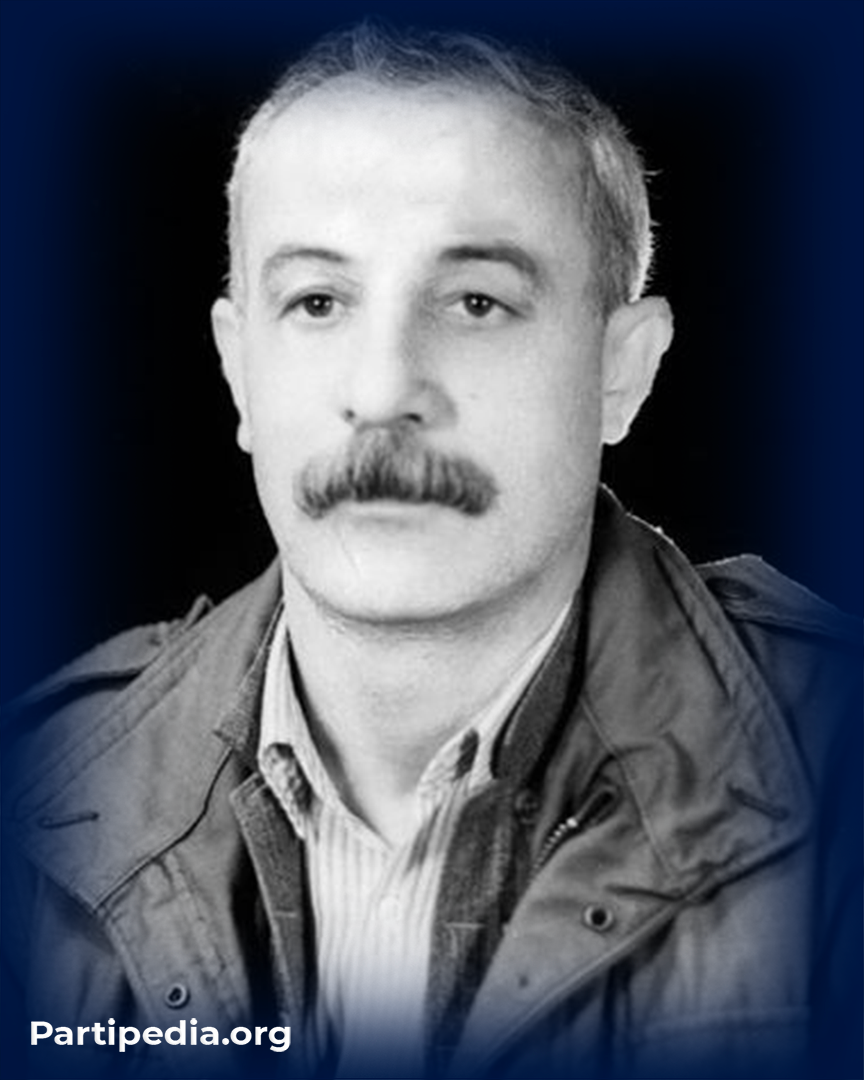
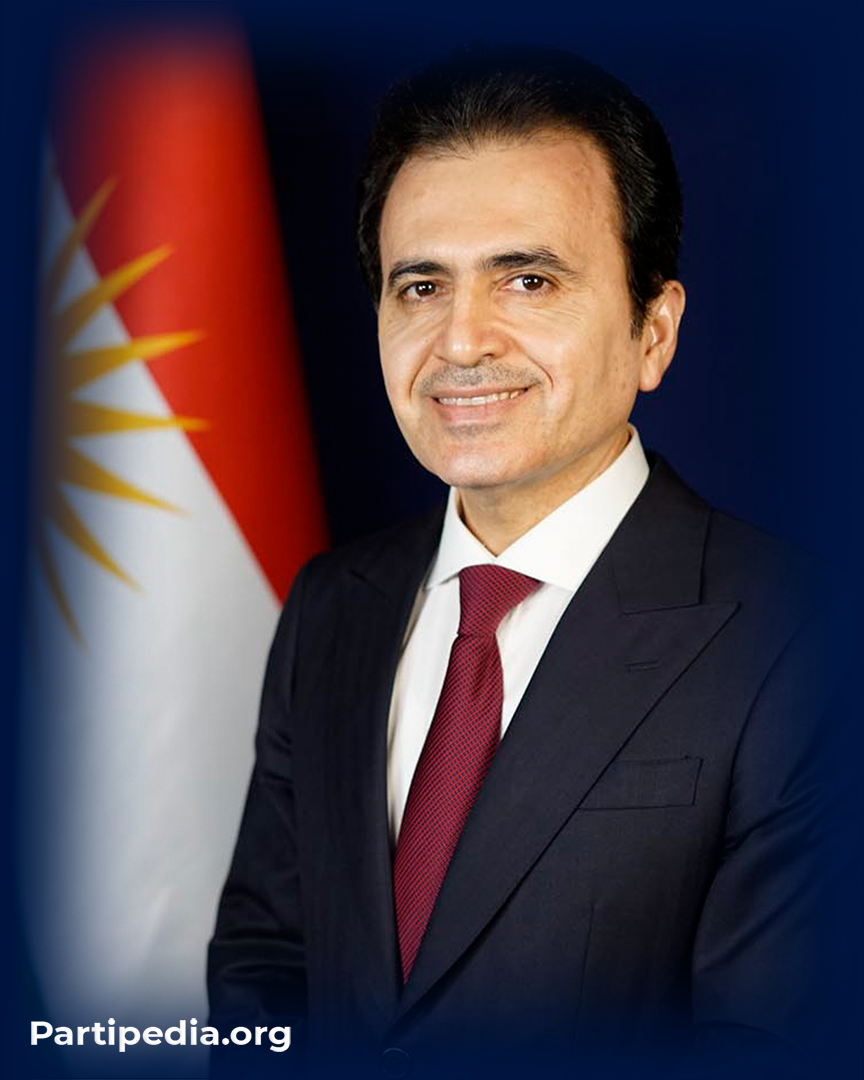
Jalil Yousef Ahmed Qasim, known as Hoshyar, Jalil HoshyarThe governor Jalil HoshyarZarang and Jalil al-Qadi was born in Erbil in 1921. He was from the well-known al-Qadi family in Erbil. He completed his primary, intermediate, and secondary education in Erbil. He obtained a Bachelor of Laws degree from the College of Law at the University of Baghdad in 1946. In 1959, he married the daughter of Karim Zansti (1900-1996), one of the founders of the Zansti (Science) Association and one of the nationalists and intellectuals of Sulaymaniyah. In 1961-1962, he was a judge in the Erbil Investigation Court. Between 1963-1980, he held the position of judge in the Court of First Instance and the Court of Appeal in Baghdad. On October 11, 1980, he was appointed as a judge in the Administrative Court in the Karkh district of Baghdad. He was retired in 1990, but was quickly reinstated to his position and retired again in 1994. He died in Baghdad on October 5, 1996, and was buried in the Sheikh Maarouf Cemetery in Baghdad. He was fluent in Kurdish. Arabic, Turkmen, and English.
The pages of struggle
In 1938, he was one of the founders of the Dargar Association. In 1939, he fought with the Kurdish Hiwa Party under the secret name Hoshyar. In mid-1941, he participated in demonstrations in Erbil in support of Rashid Ali al-Kilani's movement (1893-1965) and was imprisoned by the Iraqi government at the behest of the British authorities in Iraq. In mid-1942, he translated articles for the magazine Galawizh, which was published in Kurdish in Baghdad. In 1944, he left the Hiwa Party in support of the Second Barzan Revolt (1943-1945). Also in 1944, he was tried in a military court and imprisoned by the Iraqi Hashemite Kingdom authorities for his support of the Second Barzan Revolt. In 1946, he and a group of young people attempted to unify the ranks of the Kurdish Hiwa Party, but were unsuccessful. He joined the Kurdistan Democratic Party (KDP) in 1946 and was active under the clandestine name of Zarang. In 1946, he was one of the organizers of Nowruz celebrations in Baghdad. In 1948, he participated in demonstrations against the Portsmouth Treaty between the United Kingdom and the Kingdom of Iraq in Baghdad. From 1949 to 1951, he was imprisoned and tortured by the Iraqi Kingdom authorities for his Kurdish and political activities. He was released from prison in 1951 and elected to the Provisional Central Committee of the KDP by delegates at the party's second congress. In 1951, he was a member of the Peace Advocates Movement Committee in Erbil. In 1953, seventy-five prominent figures from the Koya district submitted a petition to the highest authorities of the Kingdom of Iraq for his release, sending the petition to four newspapers. Also in 1953, he volunteered as a lawyer to defend those arrested during the Erbil Plain peasant uprising. In 1953, he was elected to the Central Committee of the Kurdistan Democratic Party – Iraq by delegates at the party's third congress. On January 20, 1953, he and seven other lawyers filed a complaint with the authorities in Sulaimaniyah regarding the shooting of lawyer Ibrahim Ahmed Fattah (1914-2000) in front of his home in Sulaimaniyah. In 1953, he was briefly imprisoned by the Iraqi authorities for his activism. On March 20, 1954, he played the violin with a choir at a celebration organized by the Kurdistan Democratic Party – Iraq for Nowruz in Erbil. Also in 1954, he protested against the rigging of elections. The Iraqi government arrested him during the Sulaymaniyah municipal elections and transferred him to Erbil. Following this, the residents of Koya protested and demanded his return. In 1958, he was a financial supporter of the Brusk Sports Club in Erbil. Also in 1958, he served as a magistrate in Erbil. In 1959, he was suspended from party activities by the faction of lawyer Hamza Abdullah Omar (1915-1998) due to his opposition to the merger of the Kurdistan Democratic Party (KDP) – Unified Organizations – into the Iraqi Communist Party. On February 23, 1959, he addressed a letter to the leader. Mustafa Barzani He objected to his suspension by Saleh al-Haidari (1922-2001) and Hamid Othman Abu Bakr (1927-1993). On July 16-17, 1959, he was a delegate to the second conference of the Iraqi Peace Advocates Movement in Baghdad. In June 1959, he was elected as a member of the local committee of the Peace Advocates Movement in Erbil. On December 30, 1959, he sent a congratulatory telegram to the Iraqi Ministry of Defense on behalf of the Peace Advocates Movement in Erbil on the occasion of the release of Brigadier General Abdul Karim Qasim (1914-1963) from the hospital and his survival of the assassination attempt by the armed men of the Arab Socialist Ba'ath Party in Baghdad. In 1960, he was again elected as the first official of the Peace Advocates Movement in Erbil.
Sources:
-
Archive of the Encyclopedia Authority of the Kurdistan Democratic Party
-
Iamada Kurdun and Pedachonah: The House of Ehamad Bikas, the Persian Empire of Ehamad Bikas, 1930-2006, (Soleimani - Dehzaghai Chap and others) Badrakhan - Chapkhaneh Binayi - 2016g), no. 41.
-
Imam Kurdani: Sahh Ha-Sheid, Imam of Jalal Deidari Tehmhin Lahiyah bi Kishkah Kimari, Bahrakhim, (Soleimani - Chap Khaneh Karich - 2017g), ll. 73-74.
-
Amadh Kurdani: Mahla Bakhtiar, Arif Suleiman, he has a great flavor in his world, he is a genius, a chapi. Doohim, (Hauler - Chapkhhaneh Hauser - 2007), no. 47.
-
Prepared by Mumtaz Al-Haidari, Selections from the Memoirs of Saleh Al-Haidari, Second Edition, (Sulaymaniyah - Ranj Press - 2004 AD), p. 27.
-
Bakr Shaker Karvani, Ali Fahtah Dezeh, Sha’ir, Nousshir, and Tikshehar, (Hawler - Hazarah Titi Sheshanbiri - 2004), No. 25, 51 - 52, 54, 57.
-
By Zanin, Givari Haitao, 145th Street, Sa5 5, Hauller, Chap Khaneh of Kurdistan, Dawshahmeh, 15th century. 1958g, l. 25.
-
Statement No. 21435, Iraqi Gazette, Ministry of Justice, Issue No. 2802, Twenty-third Year, Baghdad, November 10, 1980, p. 6.
-
Petaki Yanhi Proski Haholer, Guevari Hatao, Zamara 121, S54 4, Haholur, Chapkhana Kurdistan, Hahaini, 31 Canon Doohime 1958, no. 6.
-
Jahmal Baban, Sulaymaniyah, Sharjah Shawahakhum, Bargi Siehham, Shabi Doohim, (Holler - Dezgay Chap and In Aras, Chap Khaneh, Aras, 2012, LL. 332, 506.
-
Habib Muhammad Karim, History of the Kurdistan Democratic Party - Iraq (at major stations) 1946-1993, (Dohuk - Khabat Press - 1998 AD), pp. 47, 50.
-
Khaf Ghafour, Defri Zein, Barki Yahkim, (Kharkuk - Khamh 5h Konakbir and Khamh ehti) Kirkuk - Chapkhaneh Karaj - 2011g), no. 229.
-
Ibrahim Ahmaddi Nehmarda, New Kurdistan Region, Egargani Hakitiya Nishtmaniyah Kurdistan, Building 2423, Deh-Ham Street, Soleimani, Syhama, April 10, 2001, no. 3.
-
Sadiq Sahih, Hafiq Sahih and Abdou Zahnenghna, Jiyannama and Best Gevari gahlawi, Barghi. Yazdah, (Soleimani - Bank of China - Chapkhana - 2016), No. 124-125.
-
Shah'aban Ali Shah'aban, a political and Iranian Zaniar, a political figure, (Holler - Chapkhana) Articles - 2013g), LL 105, 108.
-
What is the meaning of the story of this matter? (Hawler - Chap Khaneh - 2012), LL 83, 170, 186, 197.
-
He was born in 1963 - 1970. Political parody, (Huller - Chapkhana, Zankichi Saheh Hadddin - 2016), no. 51.
-
Tariq Gambaz, Hizb ut-Lah Liway Ha Hauler, (Haha Ha-l-Gevari Yasaparizi-Chakhaneh and Hazarat Kashtuka5 - 2005), vol. 22, 38, 76, 118, 122.
-
Ali Abdullah, The Democracy Party of Kurdistan-Iraq, in the name of China, (By Shawin, July 1968), 1968-87.
-
Fahhad Aouni, 36 years old, the author of the collection of poetry from, (Hol. Saḥahddin - 2019, no. 55.
-
Victor Hogech, Tawani Marsha Nai, and Horgan Jalil Hoshyar, Gevari Galawy, Jummar 7 and 8, Sal 3, Baghdad, Shabakhana Ma'arif, July and August 1942, LL 19-28.
-
Karim Sharaza, the teacher, educator, poet and translator Karim Zansti 1900-1996, Voice of the Other Magazine, Issue 262, Year 6, Erbil, Wednesday, October 7, 2009, p. 22.
-
Kamal Raouf Muhammad, Kurdish Studies Package, (Erbil - Aras Printing and Publishing House - Ministry of Education Press - 2005 AD), pp. 162-163.
-
Kamal Mahzahir, the history of Haddashtah, Hamad Mukhtar Baban and Nahiki Sahir, Gevari Hengin, Jamara 120, Baghdad, Chapkhaneh (Horriya Printing House), Kanoni Dohm 1999, no. 7.
-
1935-1958, 1935 - 1958, 1935 - 1958 2006 - Chapkhaneh and Hazara of Bahruhardah - 2006, L.L. 21, 28.
-
He has an archive in Pariz Zahar Kamal Mohidin Ghafouri, who has entered into the archives of Pariz Kemal Mohidin, and has entered the archives of the city of Hamra 56, Soleimani, Chapkhana Binaei, Kanoni Ehkame 2018, no. 11.
-
Mam Jahlal, Prime Minister 58, Pingham, Soleimani, Company Office, April 10, 2002, no. 7.
-
Mahdi Mahmad Qadir, by his name, Iraqi Kurdish politician, 1945-1958, (Soleimani-Sahinthari-Lakeenah) Kurdistan Strategy - 2005g), pp. 50-51, 129, 132.
-
Mohdi Mohd Qadir, a Kurd of his son, Aashtikhwazan, who resided in 1951-1963, (H. Baghdadna - Chapkhana Mokryani - 2015g), ll. 32, 54.
-
Mahdi Mahmud Qadir, His Highness, 1926 - 1939, (History - Kurdish Academy - Haji Hashim Chakhana - 2013), no. 283, 287.
-
What is the meaning of this matter, what is the meaning of this matter? Jamara 136, 1995, LL 25, 30.
-
Nuri Shawis, from my memoirs, (no place - Publications of the Kurdistan Democratic People's Party - 1985 AD), p. 23.
-
Here are the details: Ezad Abdoul Wahid, his book, “The Word of God,” (Hol. Articles - 2019g), LL 47, 95.