


Reflection on the history of one hundred years of oppression of the Kurdish people
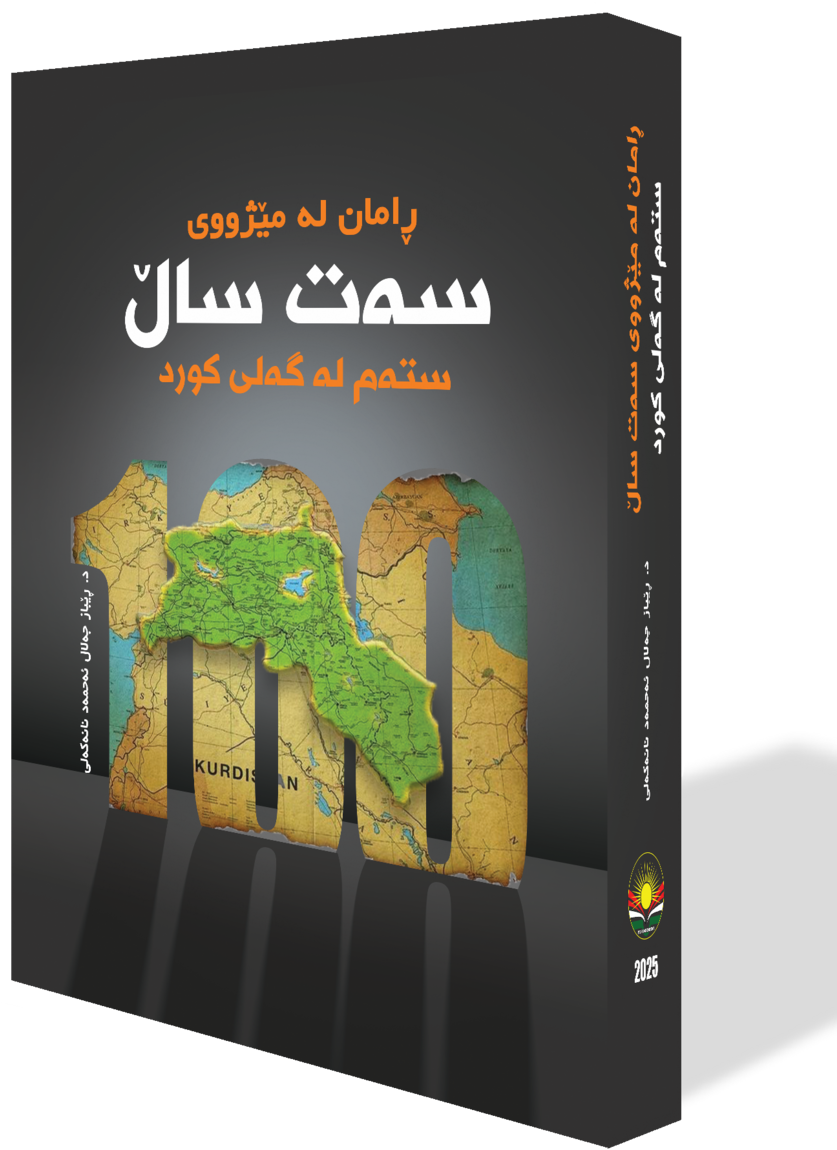
This book is a study of the bloody and terrible history of the Kurdish nation during the past hundred years. It consists of an introduction and nine chapters.
The first part is about the ancient history and the rise of the Kurds. In this part, the issue of Kurdish ethnology is briefly studied, as well as a discussion about the Madyans and their real relationship with the Kurds.
The second part deals with the collapse of the Ottoman Empire and its effects on the Kurdish nation, as well as how the Kurdish tribes were used, fragmented and deceived in the name of religion.
The third part is devoted to World War I and the partition of the Middle East by Britain, France and Russia. Kurdish figures' efforts to create a Kurdistan state under the Treaty of Sevres and Ataturk's agreement with allies under the Treaty of Lausanne Mesopotamia and the forced annexation of the Kurds to that country are discussed.
The fourth part is devoted to the creation of a country called Iraq by Britain and the resolution of the issue of Mosul province in the interest of Iraq and the marginalization of the Kurdish national will.
The fifth part presents the emergence of the Barzan revolutions and the formation of a new national movement. The great role of Kurdish leader Mustafa Barzani in the Kurdistan liberation movement is presented.
The most important topics of the sixth part are the revolution, ie the July 14 coup and the return of Mustafa Barzani from abroad, the rise of the September Revolution and the Ba'athist coup, the continuation of the revolution and the March 11 agreement.
The seventh part deals with the genocide of the Kurdish people, which after the Algiers agreement, Saddam's Ba'athists began to destroy Kurdistan in every way, the genocide of the Failis and then the beginning of the Iraq-Iran war.
The eighth part is devoted to the issue of demography and population of South Kurdistan. Here, the attempts to destroy the Kurdish people and cleanse them are highlighted, which has led to the decline of the Kurdish population in South Kurdistan.
The ninth part includes the fall of the Ba'ath regime in Iraq and the arrival of an Iranian Shiite group to rule the country, as well as Kurdish participation in the reconstruction of Iraq, then writing the permanent constitution Regional and international response to the Kurdish people's decision for independence.
Download (PDF) Read it online