


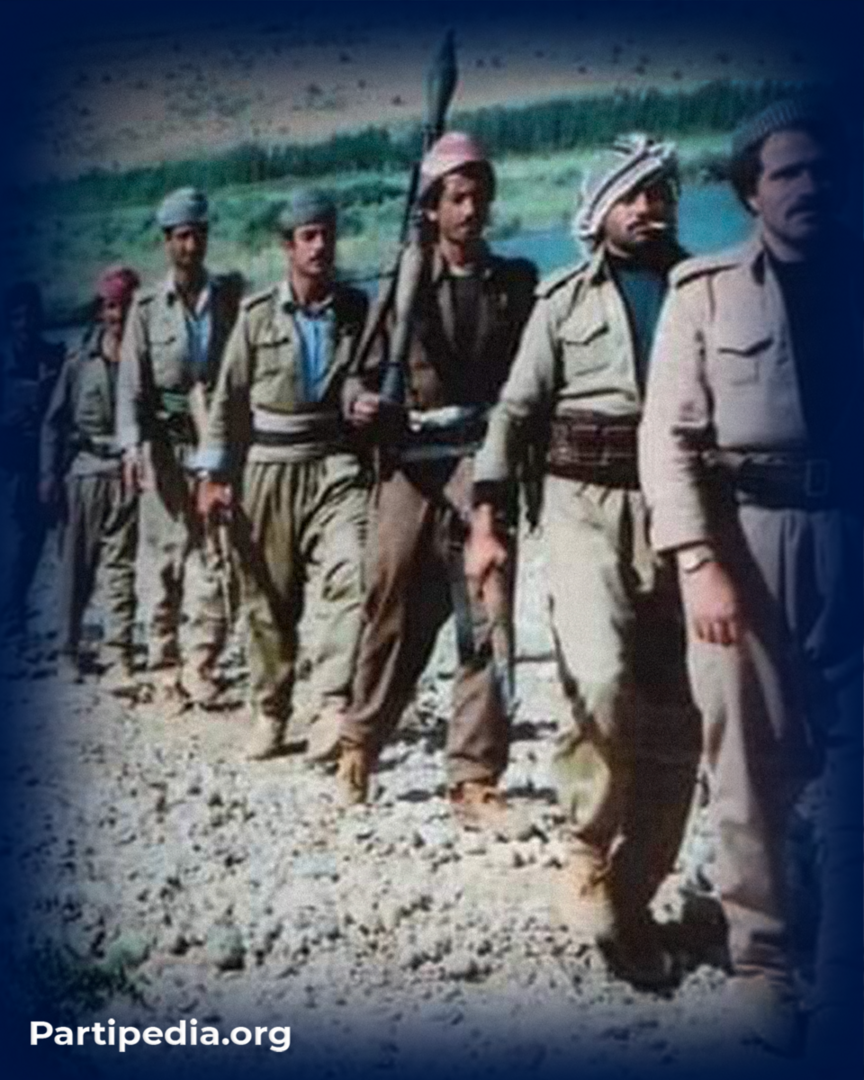
The revolution would have played a more effective role in putting pressure on the government's military and security institutions, and would have shown higher morale on the Peshmerga, supporters and secret organizations among the masses On August 22, 1985, the Zakho Regional Committee of the Kurdistan Democratic Party (KDP) held a meeting with the heads of the organizations in Harina village.
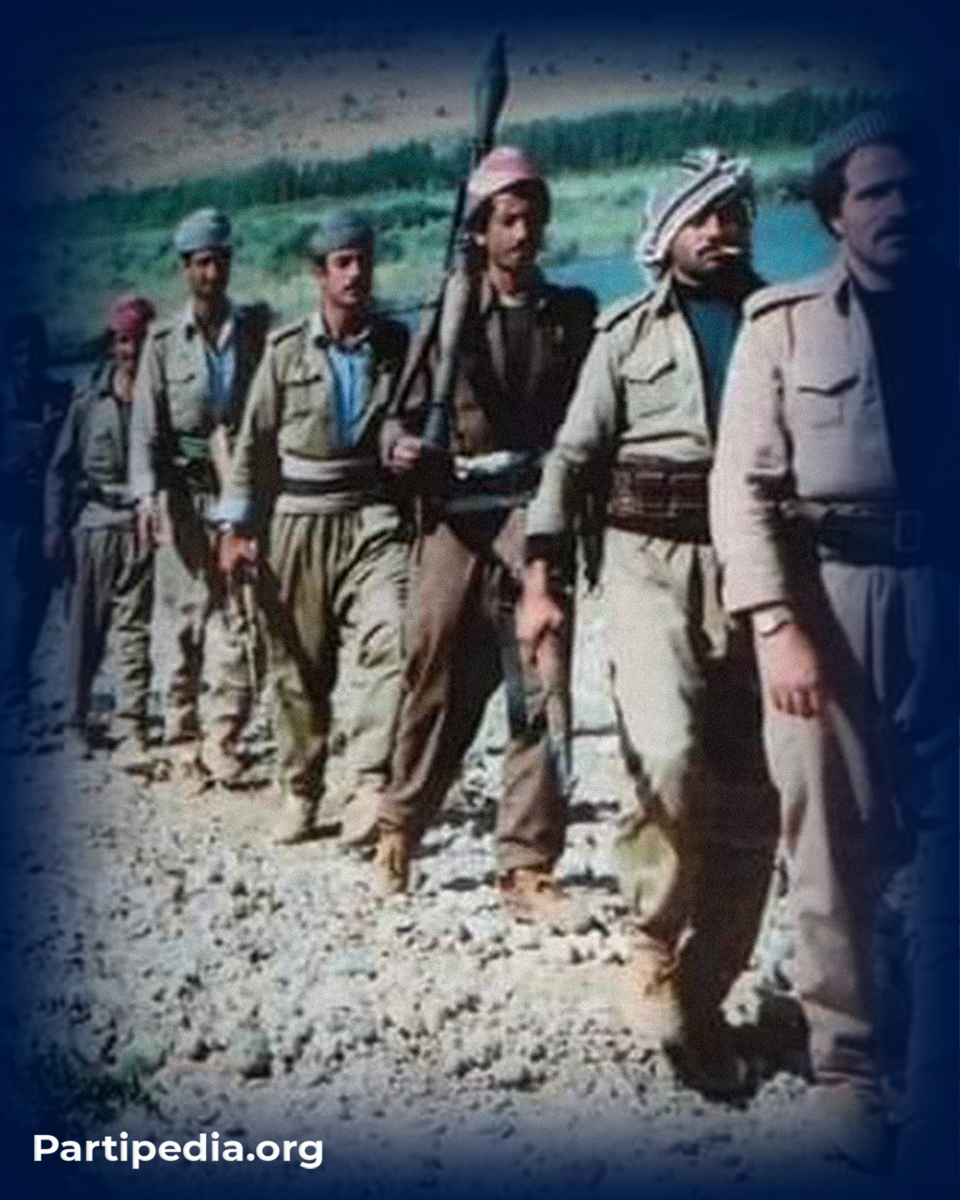
Obviously, during the May Revolution, the Peshmerga forces were organized within the framework of party organization such as branches, regions and organizations (Gardy, 221, 269). Therefore, the Peshmerga forces of the organizations (Shorsh, Martyr Mahmoud Gawda, Ranjbaran, Martyr Mohammed Salih, Martyr Haji Isa, Govand) participated in this action The Peshmerga forces began to move. They first gathered in Beghbari village and distributed dinner to the households. Then they passed through the villages and turned over the heights. At 3 pm, they reached the mountain However, when they looked at the situation and made a quick assessment, they came to the conclusion that the location was very difficult and expected a lot of damage to the Peshmerga forces, so they changed their plan and decided to attack the Rabaya.
First, a Peshmerga force was sent to the area with a group of Peshmergas who are experts in mine clearance. When they approached the mine clearance, the Peshmergas who were assigned to clear the mines advanced On August 28, 1985, the Peshmerga forces explained all the information to the commander of the forces and the Peshmergas. On August 28, 1985, the attack was planned by Mohammed Khalid Bosali RPGs were identified in five locations. Demining experts made progress and removed more mines due to the large number of mines around the mine.
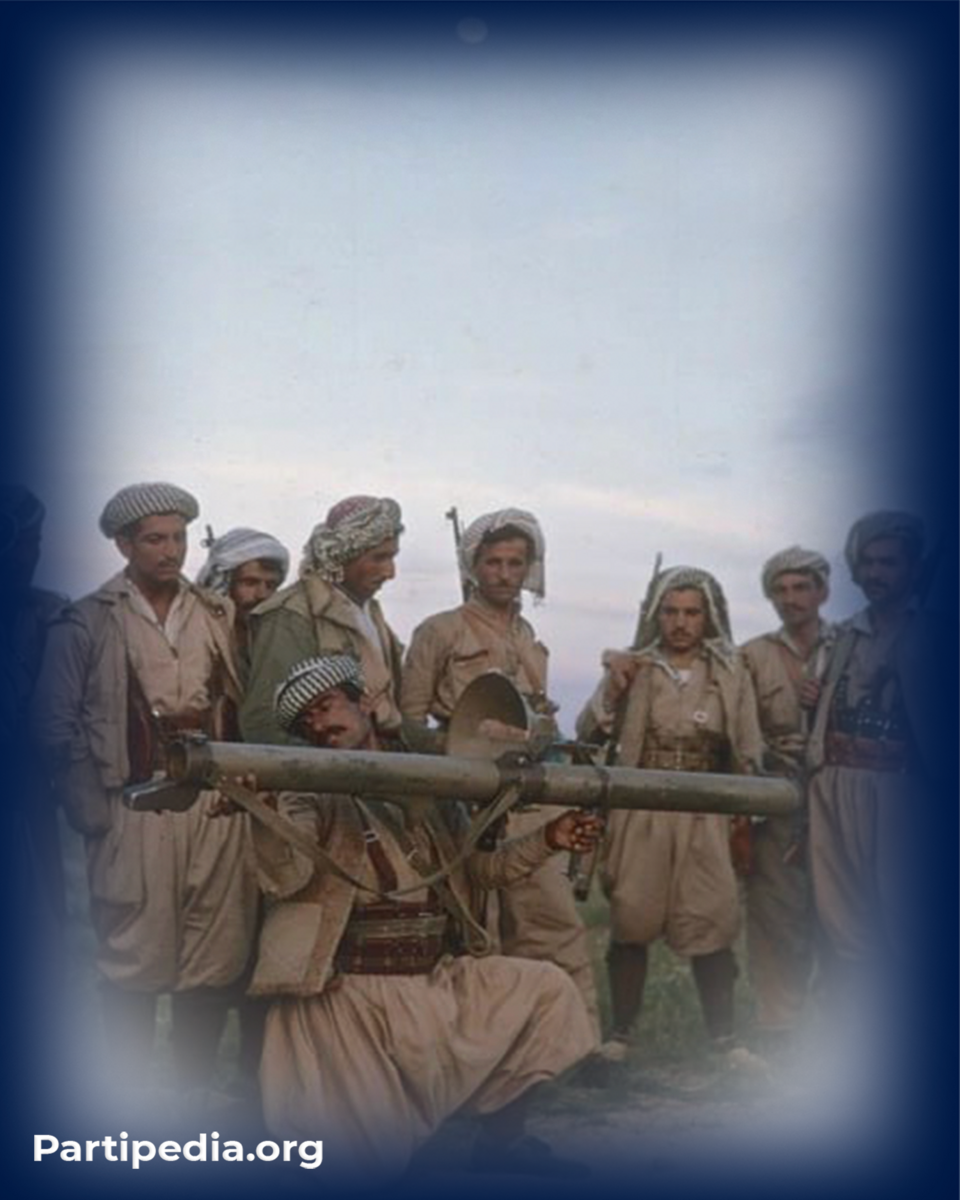
When the time came, Mohammed Khalid Bosali, the head of the operation, ordered the RPGs to fire their bullets and hit their targets. Rabaya was hit by RPGs from all five places Another RPG exploded under his feet and crossed his leg, but the Peshmergas continued to attack and advance until they reached the wire under the Rabaya. Several other mines exploded in the Peshmergas and caused heavy damage to the martyrs and wounded They were left to rescue the martyrs and wounded and keep them away, because when they received the news of the Peshmerga attack on the Rabaya of Gurdi Bie, they started throwing lights, shelling and shooting in the direction of the Rabaya.
In this operation, the Peshmerga forces failed to hit the target of capturing the Rabaya of Bie Hill. As mentioned, a lot of mines were planted around the Rabaya, which became a major obstacle to reach it It is worth mentioning that when the situation was so complicated in favor of the Iraqi army base, the Peshmerga forces were able to rescue all the bodies of the martyrs and wounded and prevent them from falling into the hands of the Iraqi army He would bring them and search the area.
resources:
-
Massoud Barzani, Barzani and the Kurdish Liberation Movement, Volume 4, 1975-1990 May Revolution, Part 2, First Edition, Ruksana Printing House,
-
Mohammed Murad, Khabata Chia, Birhatn u Sarhatiyen Shoresha Gulan Dnawbere Salin (176-1989) Da, Chapkhana Kurdistan – Zakho,
-
Ghazi Adel Gardi, Peshmerga in the Service of Barzani's Path Haji Birokhi, Volume 2, Second Edition, Turkey-2