

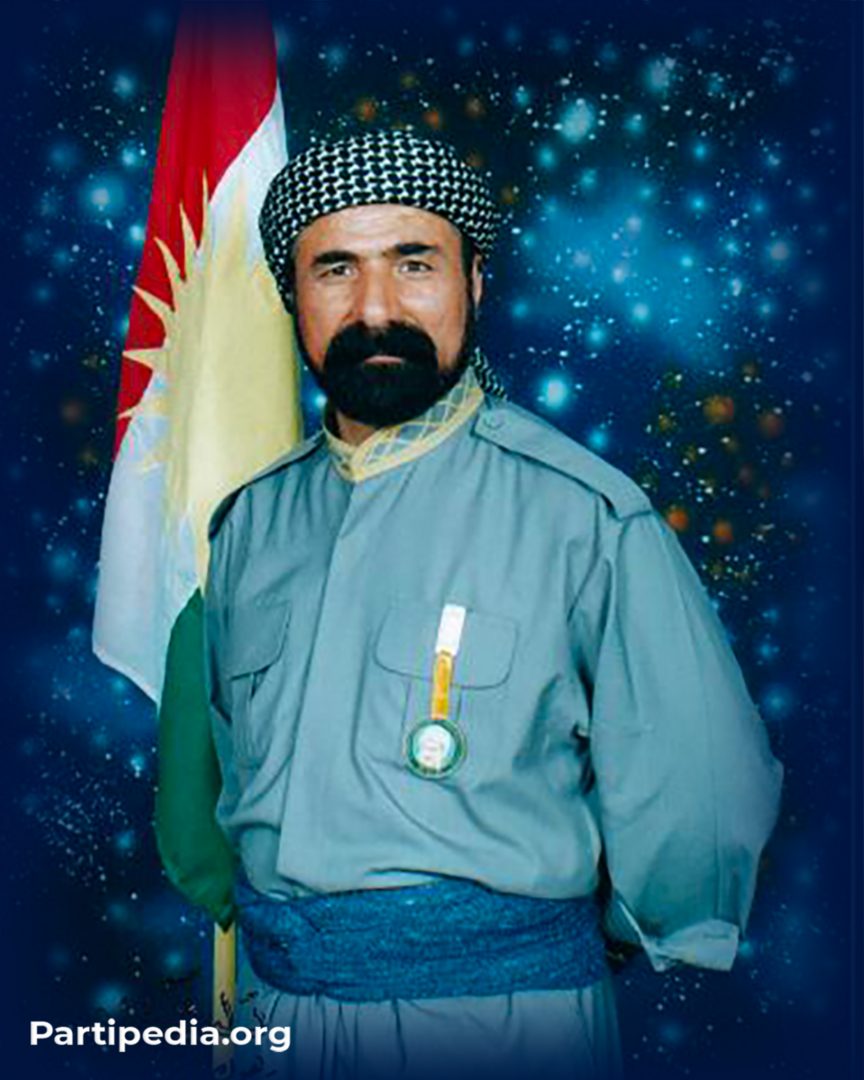
Ishmael Aegon )Şivan Parwar was born on September 23, 1955 in Suri village of Suruç district of Orfa province in North Kurdistan. He studied primary, secondary and high school in Orfa. He studied mathematics at Ankara University. He is married to singer Gulistan Parwar.
He started singing as a child. He was a sixth grade student in Orfa. He went on stage for the first time and continued singing in Ankara during his university studies The September Revolution It has had a negative impact on Shvan Parwar and encouraged him to sing revolutionary songs to encourage the Peshmerga and the people of South Kurdistan.
“I never wanted to be a singer, but I wanted to study more to get a professorship in mathematics and serve humanity in that field. Instead of being welcomed, Kurdish singers in Turkey were imprisoned and tortured. Turkish art and singing in Turkish was a betrayal of my nation, so I refused to sing in Turkish. But when I understood that the Kurdish nation loves music and songs, so one can serve his nation through music, I took three goals: Kurdish songs to make the name of Kurdistan love and Kurdish art to open its place in the world. I decided to become an artist, but becoming an artist and singing in Kurdish was no longer a place in Turkey. I had to leave Turkey and flee abroad.
In 1976, he left Turkey and moved to Germany, where he recorded his first album. He went to Sweden for 12 years, then to the UK for four years, France for two years and Belgium for a year His anthems (Havali Bargranam, Peshmerga, Ay Raqib, Kine Em) were widely welcomed by people in all four parts of Kurdistan. Shvan Parwar's cassettes were secretly passed from hand to hand, despite the risk of imprisonment or death. Because of the influence of his songs, many Kurdish youth have joined Kurdish revolutions in all four parts of Kurdistan, and many others have been tortured to death in prisons of the occupying countries. For 25 years, Parwar's songs were banned in Iraq, Syria, Turkey and Iran because they were sung in Kurdish and often referred to the oppression against the Kurdish people in the Middle East, most notably Turkey.
In 1991, Shvan Parwar recorded a concert in support of the refugees in South Kurdistan with the help of famous singers such as Chris de Berg, Madonna, Rod Stewart and several other international artists. In 1999, he invited Abdullah Ocalan to Italy to start his civil struggle there.
In 2004, Shvan Parwar established a cultural and artistic institution in Germany and also wanted to establish it in Sweden, but failed in this attempt. On September 15, 2009, he established a Kurdish language television in Paris with the help of Kendal Nazan and the Kurdish Institute He has performed in hundreds of Kurdish song festivals in Europe, the United States, Canada, Africa, Australia and South Kurdistan. On the eve of Turkey's opening to the Kurdish issue, Şivan Parwar's songs were released. He was asked to return to Turkey and visit Kurdistan, but Şivan Parwar did not respond to the Turkish government. “The Turkish government had been trying to get me back for 10 years. They said they would establish a new system, so you should return and serve the country. I didn't believe it Erdogan and Turkish government officials were welcomed and met with Recep Tayyip Erdogan. He sang with Ibrahim Tatlises in Amed for the wedding of 300 brides and grooms in the presence of President Barzani and Erdogan.
She has produced more than 30 albums, music videos and documentaries, written several books and published several other publications. She has been singing for more than 40 years. She has received several honorary doctorates and international music awards Because Jagarkhun is one of the great Kurdish poets, his poems were national and well-known. Shvan Parwar was considered by Jagarkhun as the protector of Kurdish culture and history. Shvan Parwar was very close to Hassan Abdulrahman Suwari, a Kurdish nationalist who had close ties with many politicians and personalities from all parts of Kurdistan.
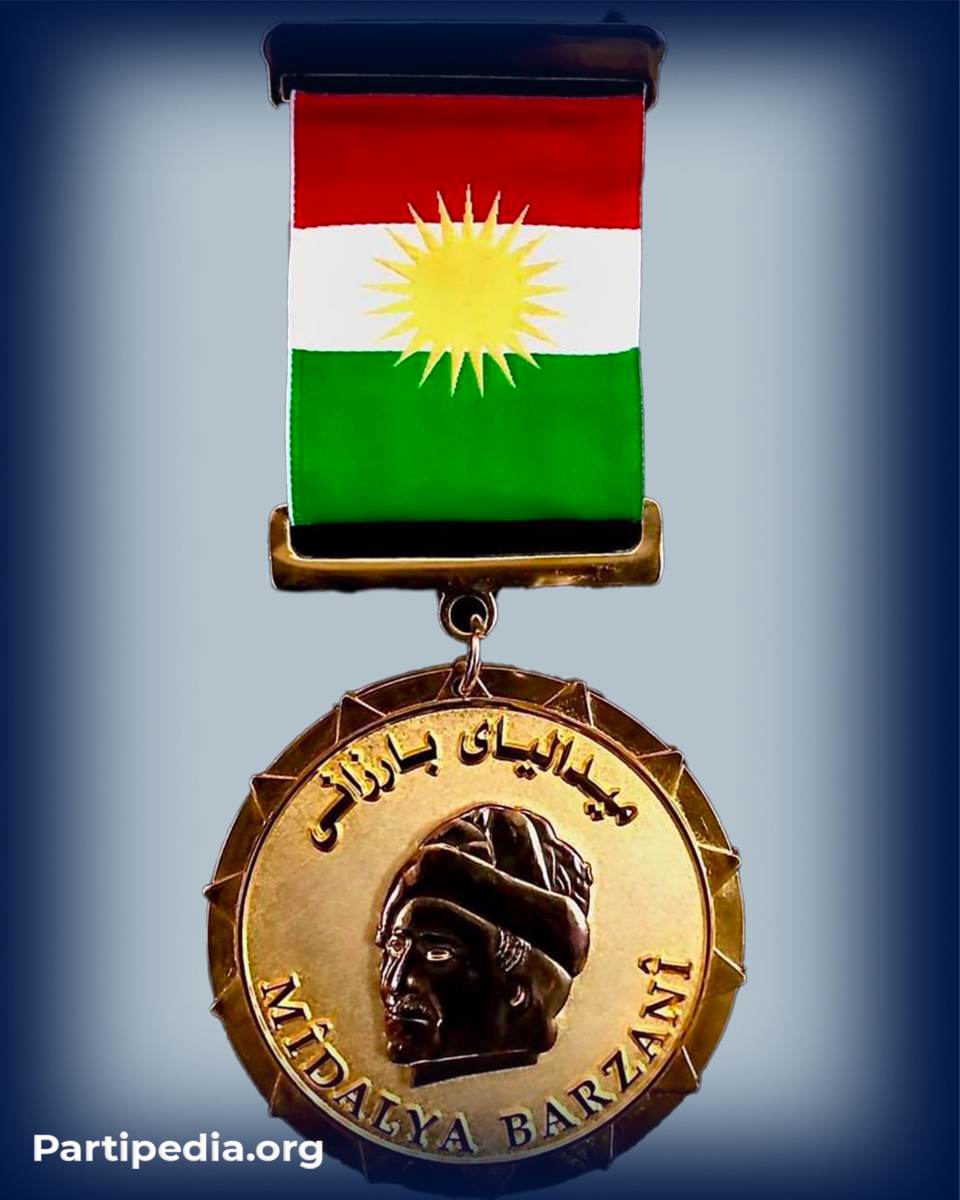
On June 3, 2001, President Massoud Barzani awarded him the Barzani Medal for his services to Kurdish art and music.
Albums of songs:
1- Govanda Azadikhazan
2- Havale Bargranam
3- Not before
4. A. Frat
5- Kine Em
6- Hay Dil Z1
7- Gele Kurda Rabe
8- Agri
9- Bulblo Farze
10. Dotmam
11- Le Dilbere
12- Halabja
13- Bulbla Dilshadi, Halabja
14- My Dream
15- Zambilfrosh
16- Ya Star
17- Naze
18. Heviate
19- Day and Moon
20- Sare
21- Halbestn Bjartiyen 1 Krive
22- Halbesten Bjartiyen 2 Krive2
23- Halbesten Bjartyen 3,
24- Man Birya Te Kriya
25- Dastan Rojava
26- Shvannama, Gazand
Kurdish Source:
- Archives of the Encyclopedia Board Kurdistan Democratic Party. . . .
Source in other languages:
- ^ Jump up to:a b "Med-Music on the Move: Music of Immigrants in Europe". . . . Retrieved 7 January
- ^ "Iconic Kurdish musician returns to Turkey after 38 years of exile to 'sing for peace'". . . . Hurriyet Daily News. 16 November 2013. Retrieved 30 August
- ^ Jump up to:a b Gazeteci, İrfan Acts. "Lo şivano, 'where is it?' - Hey şivan, biz chemistry?". . . . BBC News Turkish (in Turkish). Retrieved 26 September
- ^ MusicMoz - Bands and Artists: P: Perwer, Sivan: Biographies
- ^ Kiyak, Mely (27 October 2014). "Essay: Your Should Never Be in Safety". . . . Spiegel Online. Vol. 44. Retrieved 26 September
- ^ "Sivan Perwer - PRI's The World". . . . Retrieved 7 January
- ^ Jump up to:a b Reynolds, James (November 18, 2013). "Returning Hero Divides Kurds". . . . Retrieved 26 September