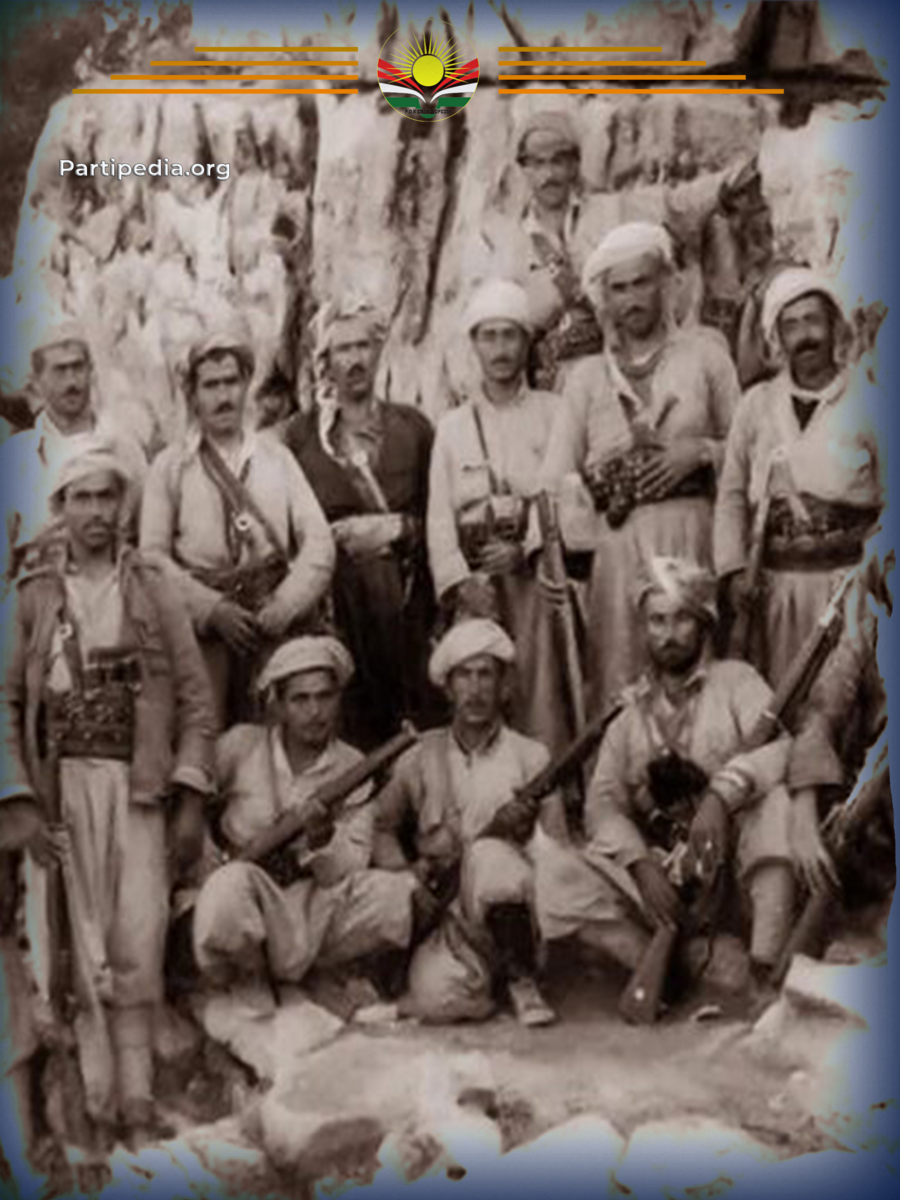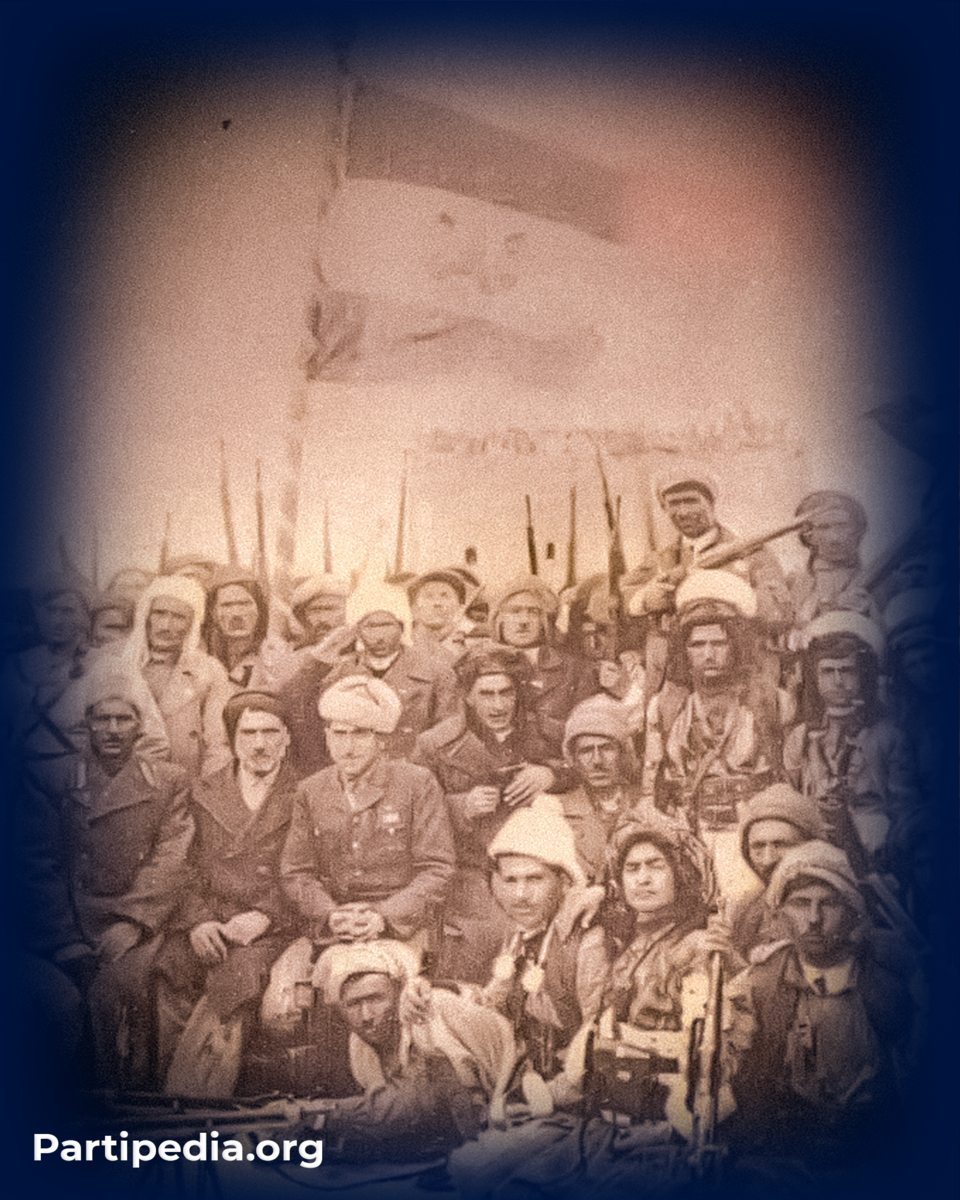


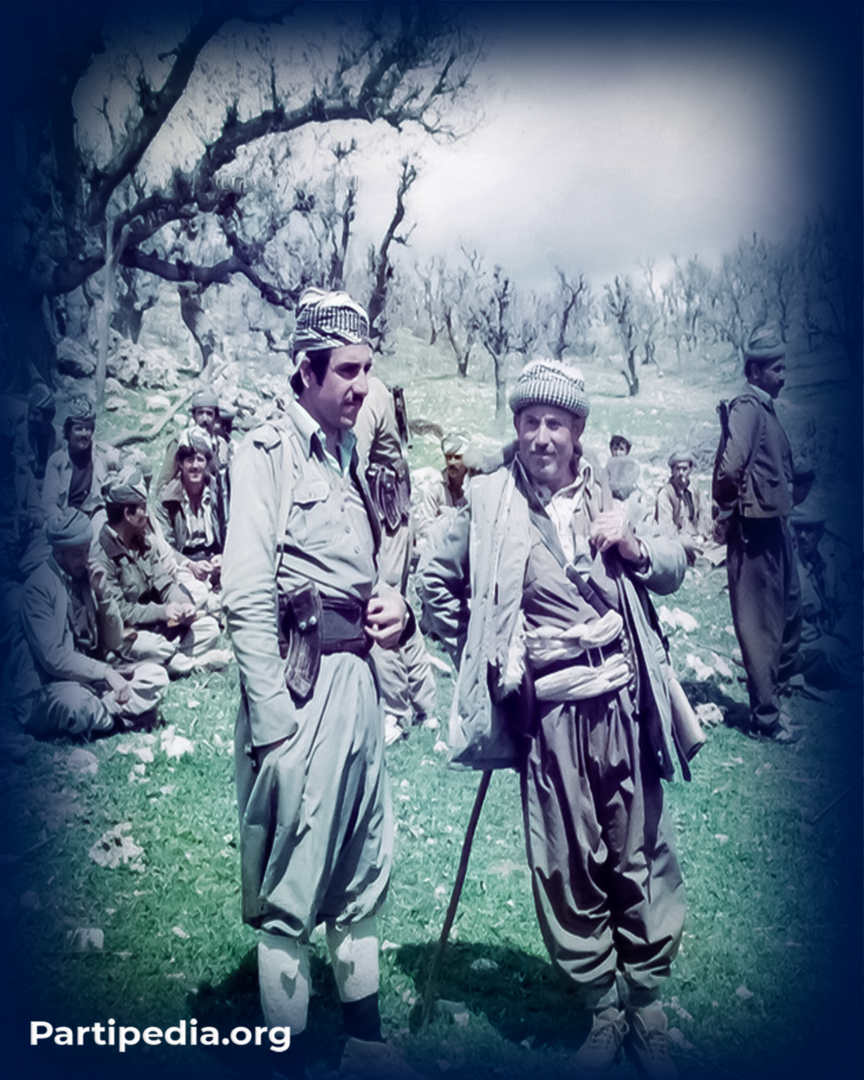
On the night of November 11/12, 1986, the Iraqi army began its attacks on the areas surrounding Zakho, supported by artillery and warplanes. The Zakho local committee headquarters of the Kurdistan Democratic Party was located there. The military attack by the army and government armed forces included the Dalayi heights. As a result, communications between the Zakho local committee and the Peshmerga forces in the area with other regions were cut off. To convey news of this government attack, the Duhok local committee contacted the revolutionary leadership to inform them of the fierce fighting on the border between Duhok and Zakho. Warplanes were intensively bombing Peshmerga positions. As a result of this bombing, an elderly man named Haji Nabi was martyred in the village of Kani Pong, and four women and children were wounded. The bombing by planes also continued on the village of Zewa, near the headquarters of the first branch of the Kurdistan Democratic Party, where another elderly man was martyred.
It appears that the Iraqi government's objective in attacking Peshmerga headquarters and positions in the Badinan region was to suppress the voice and spirit of the revolution, which was manifesting in ongoing guerrilla activities and attacks against government forces in various areas. These attacks included assaults on outposts and military headquarters, as well as ambushes on roads, undoubtedly inflicting significant losses of life and property on the Iraqi military. Furthermore, this situation placed the government in a precarious position, as local branches, committees, organizations, and Peshmerga forces were distributed across the regions, each operating within its designated area of responsibility.
The attacks of the army and government armed forces continued for several days on the headquarters and positions of the Peshmerga in the borders of both Dohuk and Zakho. On November 13, 1986, the Dohuk region informed the leadership of the revolution that the government had intensified its attacks on the Zakho region and seized the local headquarters, and that the planes continued to bomb the region. It is worth mentioning that the Peshmerga forces defended and entrenched themselves in front of the government forces, especially the advance of the armed mercenaries (Jash), and thwarted their attacks at four o'clock in the afternoon on October 14, 1986.
The attacks by the Iraqi army and its armed forces on the areas of the revolution showed that the government was always trying to extend its authority over all parts of Kurdistan, silence the revolution in all areas, and disrupt its activities.
Sources:
-
Mahsoud Barzani, Barzani and Bazoutneh Ezgari Khwazi Kord, Barghi Chovarham, 1975-1990 Shoreshi Golan, Bahshi Douhham, Shabi Yahkihm, Chap Khaneh Koksana, 2021.
-
Shimal Zebari, “How can I do this?” Golanida, “How can I do this, how can I do that,” here’s how many times? 2015.
-
Haji Mirkhan December, 2021.