

the biography
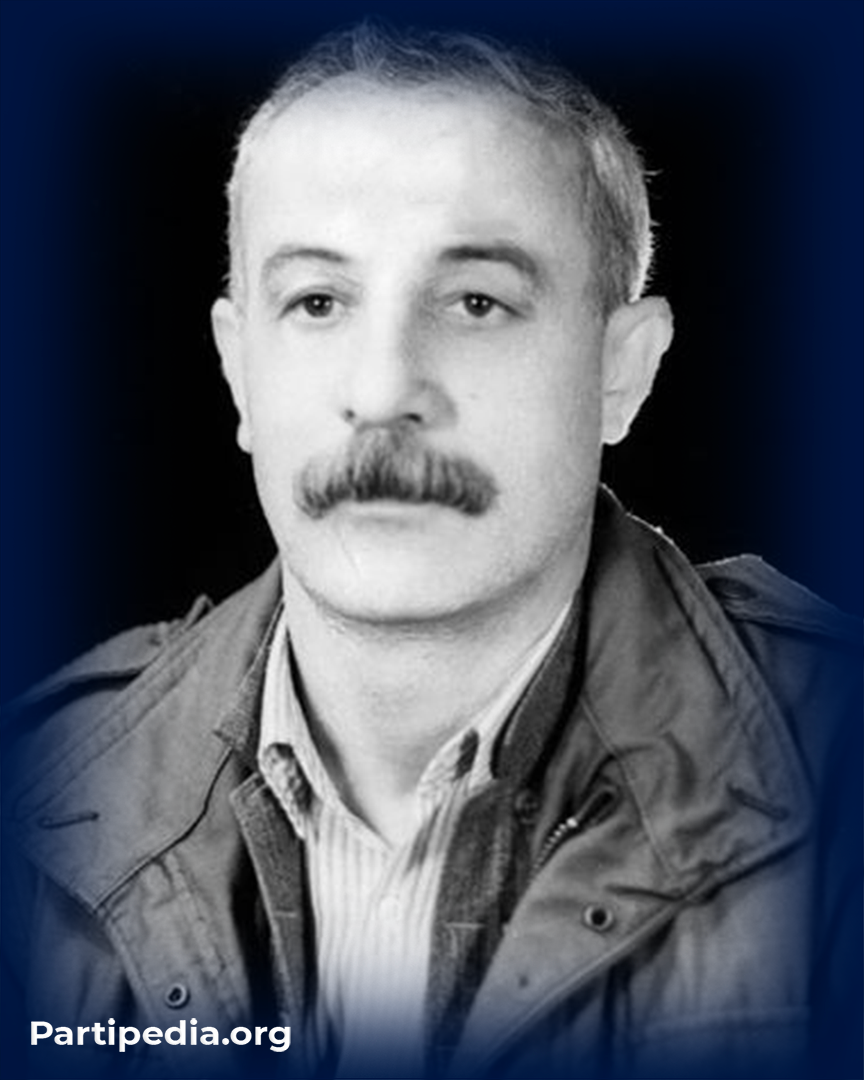
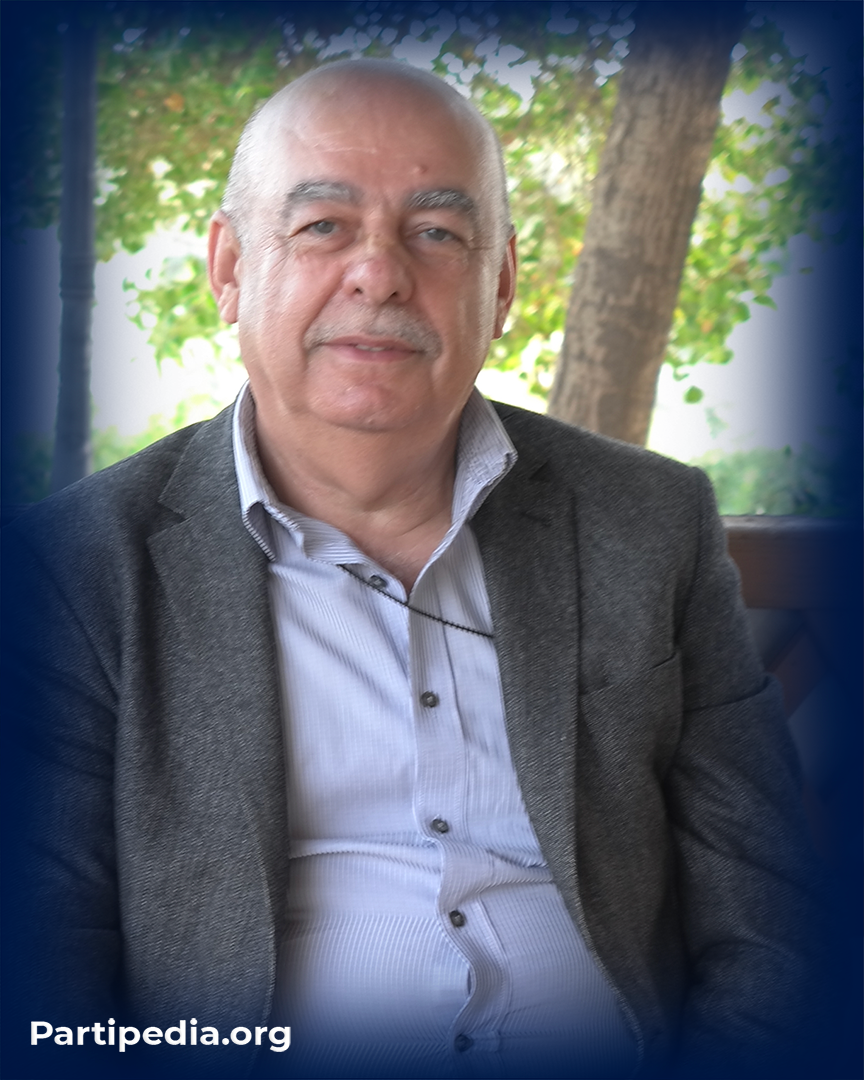
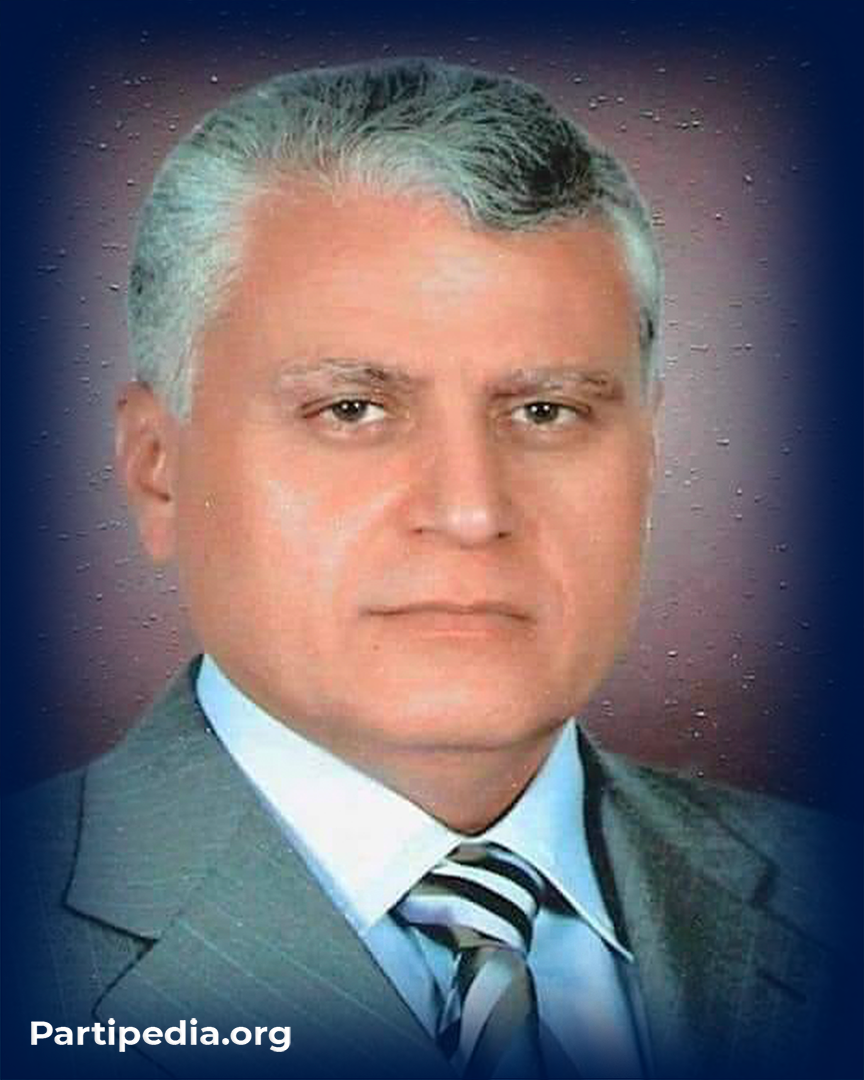
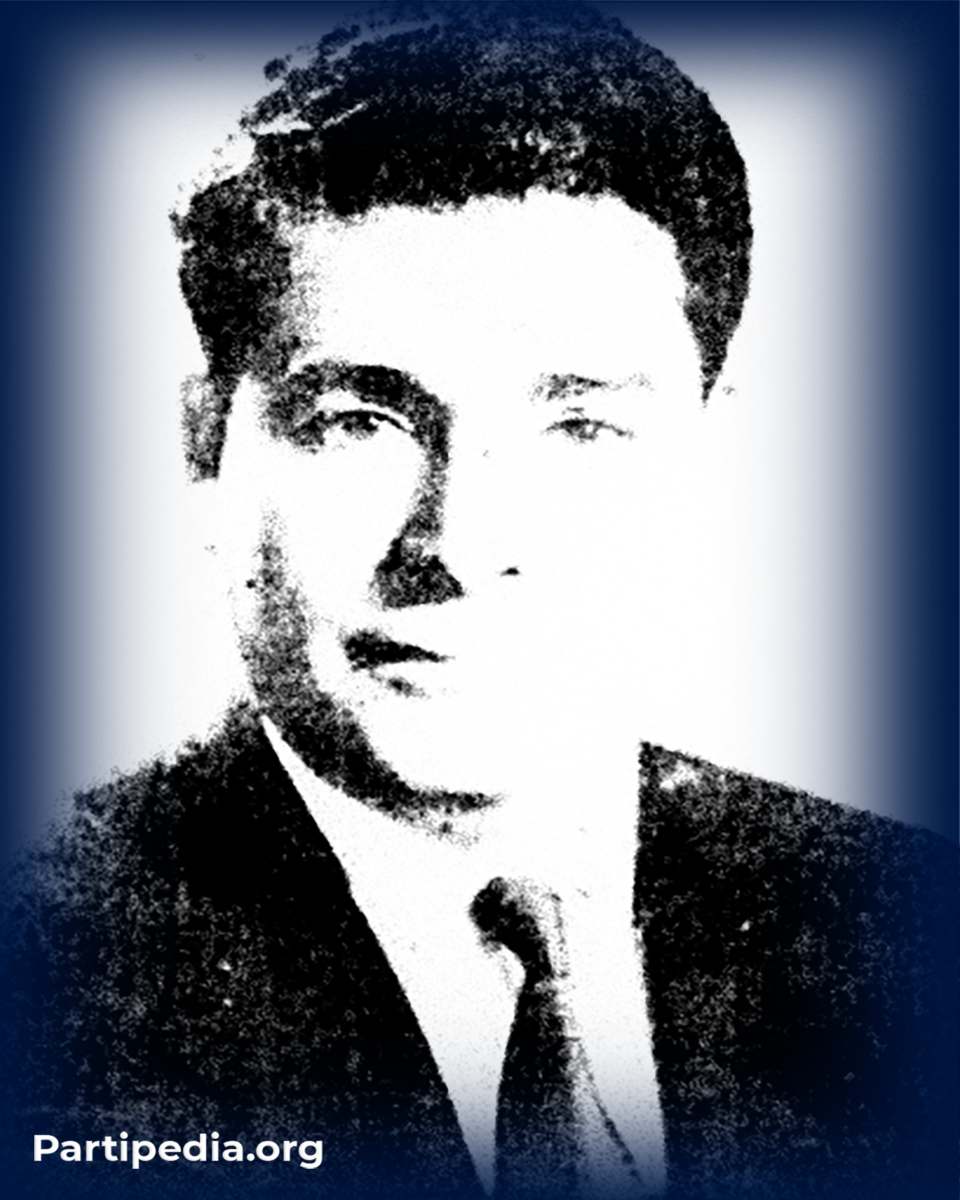
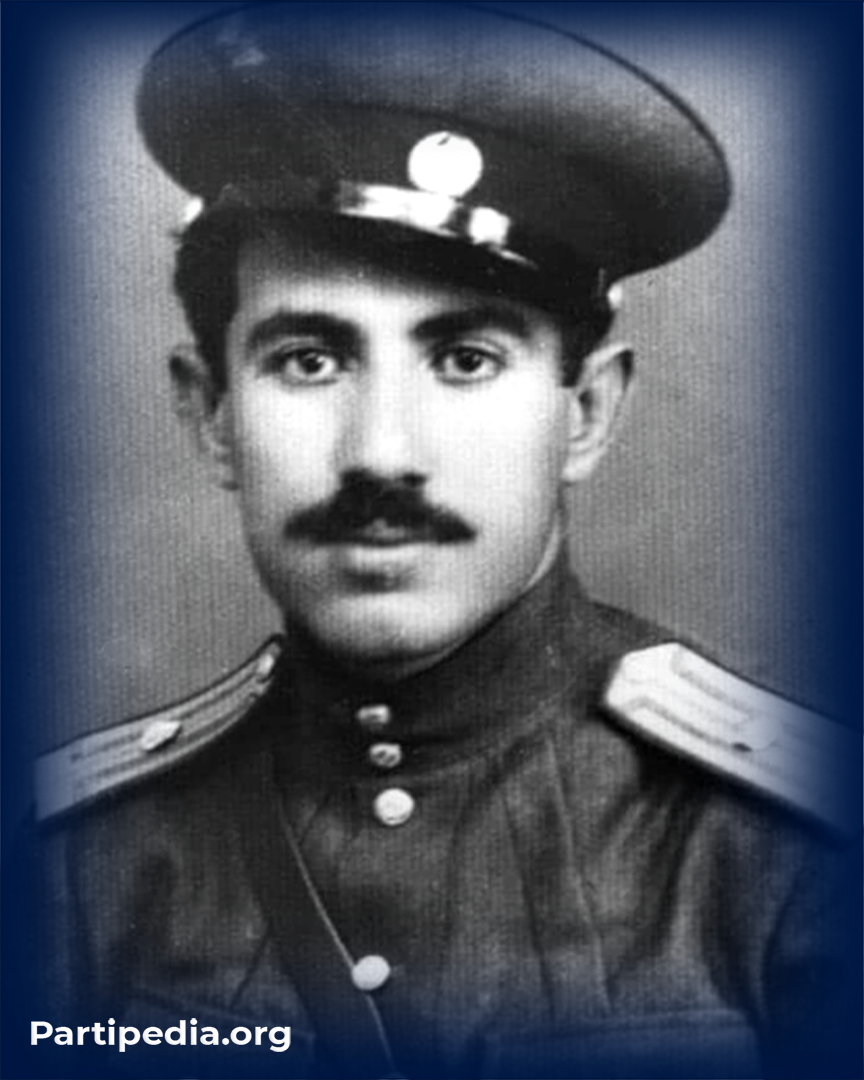
child Nouri Ahmed Taha Abdullah Agha, known as (Sherdel) in the city of Sulaymaniyah, is originally from the Mukrian tribe. His great-grandfather, Abdullah Agha Diboker, left the Diboker Mukrian region in eastern Kurdistan in the middle of the nineteenth century and settled in Sulaymaniyah. He is the brother of the two poets, Kamran Ahmed Taha (1929-1986), known as Kamran Mukri, and Ahmed Darwish Abdullah (1911-1998), known as Akhul.
He initially enrolled in religious studies, completed his primary and intermediate education in the city of Sulaymaniyah, and passed the preparatory stage in the city of Kirkuk in 1939. He was accepted into the Iraqi Military College in 1939, and graduated in 1941 with the rank of second lieutenant from the aforementioned college. He became one of the officers of the Kurdish Hiwa Party and married Najiba Abdi Amin.
He sought refuge in Iran in 1974-1975, then headed to the Syrian Arab Republic after the setback. September RevolutionAfter that, he left for the Federal Republic of Germany and returned to Iraq on October 21, 1977. He died in the million-strong migration in 1991 in the city of Sardasht, eastern Kurdistan, and his body was buried in the Siwan cemetery in Sulaymaniyah. He was fluent in both Kurdish and Arabic.
pages of struggle
He joined the ranks of the Kurdish Freedom Society in 1935. In 1936, he participated in the demonstration to bury the body of General Mustafa Pasha Yamulki (1866-1936) in the city of Sulaymaniyah. He was an active member of the Darkar Society in 1939. He joined the ranks of the Kurdish Hiwa Party in 1940. In 1941, he served in the Qirgan camp near Khanaqin in the Karamsir region. He was a companion of the leader Mustafa Barzani (1903-1979) in the city of Sulaymaniyah in 1943. He joined the ranks of the Kurdish Revival Society (J.K.) in 1944. That same year, he was arrested and imprisoned for five years due to his Kurdish political stance, but he managed to escape from Baghdad Central Prison with the help of three Kurdish soldiers. He was a member of the Freedom Committee in 1945. In 1946, he went to Eastern Kurdistan with his family. In the summer of 1946, he supervised a group of 60 Peshmerga fighters undergoing artillery training in the People's Republic of Azerbaijan. He was among the founders of the Kurdish Democratic Party in 1946. He led the organized withdrawal of the Kurdistan Democratic Republic's army forces from the Saqqez front in 1946. He was a member of the Southern Kurdistan negotiating team that went to Tehran with Iranian, American, and British authorities in 1946, aiming to secure the return of the Assyrian Kurds to their ancestral lands. After the collapse of the Kurdistan Democratic Republic in 1946, he was a member of the Kurdish delegation negotiating with Sarhang Ghaffari, the representative of the Iranian Royal Army. He was arrested in 1947 while returning to southern Kurdistan in the village of Zenwe Sheikh in Erbil Governorate for his participation in the army of the Democratic Republic of Kurdistan. He was sent to Baghdad Central Prison and released by royal decree in 1953. He was transferred to Sulaimaniyah Prison in 1952. In an article he published in an Arabic newspaper in Baghdad, he indicated that his release from prison was due to public pressure on the government.
He was elected to the Central Committee of the Kurdistan Democratic Party – Iraq by its Third Congress in 1953. He ran for a seat in the Iraqi Parliament in 1954, representing the Halabja district in the Sulaimaniyah Governorate, but was prevented from running by the authorities, detained, and exiled to Khurmal in the Halabja Governorate. He was a member of the joint committee between the Kurdistan Democratic Party – Iraq and the Iraqi Communist Party in 1954. Also in 1954, he assumed responsibility for the Fourth Branch of the party. He was a member of the committee that received the body of Sheikh Mahmud Said (1881-1956), known as Sheikh Mahmud al-Hafid, in October 1956. He was imprisoned for a period by the Iraqi Royal Cavalry at the Sarshaqam police station in Sulaimaniyah for participating in the funeral procession for Sheikh Mahmud al-Hafid. He became a member of the Central Committee of the Unified Kurdistan Democratic Party in 1956 (the Second Union). He visited Prague with a number of comrades in 1956 in preparation for the return of the general. Mustafa Barzani (1903-1979) To the homeland, he arrived at Cairo Airport accompanied by the leader Mustafa Barzani On September 19, 1958, they were received at the Qubba Palace by President Gamal Abdel Nasser (1918-1970). He arrived at Al-Muthanna Airport in Baghdad with the leader. Mustafa Barzani On October 6, 1958, he was received by a crowd of Kurdish and Arab citizens. He was included in the amnesty decree in May 1959 by the authorities due to his participation in the second Barzan uprising. The general accompanied Mustafa Barzani In 1959, during his visit to the city of Sulaymaniyah, and in 1959 he visited accompanied by the leader Mustafa Barzani He visited the shrines of the martyrs Mustafa Khoshnaw and Muhammad Qudsi, founders of the Kurdistan Democratic Party, and later the homes of the martyrs' families. He was elected a member of the Central Committee of the Kurdistan Democratic Party – Iraq by delegates at the Fourth Congress in 1959. On May 23, 1959, he was reinstated in the Iraqi Army with the rank of captain by presidential decree and signed by the Iraqi Sovereignty Council. In 1959, he was appointed District Governor of Rutba with the military rank of captain. He was elected a member of the Central Committee of the Kurdistan Democratic Party by delegates at the Fifth Congress in 1960. He was a member of the Revolutionary Organizations Committee and the official in charge of Sulaimaniyah in November 1960. He was retired by presidential decree with the rank of captain on January 17, 1961. He joined the Peshmerga forces in 1961 and supervised the Peshmerga within the city of Sulaimaniyah during their military activities. Also in 1961, he assumed responsibility for the Fourth Branch of the Party and participated in December 18-23, 1961, at a meeting of the Central Committee of the Kurdistan Democratic Party in the village of Awalan, Sulaymaniyah Governorate, for the purpose of continuing September Revolution And voting in favor of conducting negotiations with the government of Abdul Karim Qasim (1914-1963), he practiced the secret struggle at the beginning September Revolution In 1961, under the name (Sherdel) in the city of Sulaymaniyah, he supervised the Khabat printing press. In 1963, he was aware of the negotiations taking place between the Political Bureau of the Kurdistan Democratic Party and the Arab Socialist Ba'ath Party for a coup against the Iraqi Prime Minister, General Abdul Karim Qasim (1914-1963). He agreed to the peace between the leader's faction and the Political Bureau faction. He was expelled from the party during a meeting Sixth Congress of the Kurdistan Democratic Party In 1964, due to his support for the Political Bureau faction and the resolutions of the expanded Mawt meeting, and after the Ibrahim Ahmed-Jalal Talabani group joined the Iraqi government and betrayed it.September Revolution On February 21, 1966, he expressed in a letter to the leader Mustafa Barzani Regarding his readiness, along with Engineer Ali Abdullah Amin (1926-2017) and Engineer Nouri Sadiq Ali (1922-1981), known as Nouri Shawis, to serve September Revolution The Kurdistan Democratic Party, whose members were retired from the Iraqi army on October 2, 1966, carried out an order from the leader. Mustafa Barzani With the help of a coup against the authorities of the Arab Socialist Baath Party in 1969, he was forced to stay and reside in the Balak area of Erbil Governorate.
Sources:
1- Archive of the Encyclopedia Authority of the Kurdistan Democratic Party.
2- Beh Kushsh: Kambiz Razm Ara va Kawah Bayat, Thoughts and chains of transmission of Sehbd Haj Ali Razm Ara, (Tehran - Pardes Danish Publishing - Chapkhana Talayeh Afaq - 1393 AH), p. 180.
3- Othman Ali, Studies in the Contemporary Kurdish Movement 1833-1946: A Historical and Documentary Study, (Erbil - Interpretation Office - Culture Press - 2003 AD), p. 701.
4- Qadir Amini Ghodsi, Mukrian and Rawdawakani, his foolishness and his eloquence, (Saqqaz-Nawandi Chap and In Okardna and Gotar - 1395 AD), LL. 190-191, 211.
5- William Eagleton Jr., The Republic of Mahabad - The Kurdish Republic of 1946, translated and annotated by George Fathallah, (Erbil - Aras Printing and Publishing House and Al-Jamal Publications - 2012 AD), p. 100.
6- Fadhil Rasul, Kurdistan and Soviet Policy in the Middle East, translated by Ghassan Naaman, (Sulaymaniyah - Office of Thought and Awareness in the Patriotic Union of Kurdistan - Hamdi Foundation for Printing and Publishing - 2008 AD), pp. 259, 264.
7- Fahseh Sul Khishnaw, Biography of Iranian Kurdish Interpretation, Bahshi Douham, (Tehran - Chap Khaneh - 2020), no. 322-325.
8- Chris Kochra, Janbesh Milli Kurd, translated by Ibrahim Younesi, Chap Dom, (Tehran - Naga Publishing House - 1377 AH), pp. 226, 238, 253.
9- Mahdi Mahdi Qadir, famously, an Iraqi Kurdish politician, 1945-1958, (Soleimani, his son, his wife). Kurdistan Strategy - 2005g), LL 116, 122, 132, 134, 162, 299, 348-349.
10- Abdo Hamman Shah Fakhandi, Chisht Majur, (Paris - 1997), no. 356, 361.
11- Jamal Nehbaz, his name is the beginning of his life, (Soleimani) Shavan Chavan - 2017g), LL 52, 333-334.
12- Taffiqi Mahla Seddiq, “Perhih-e-Wahri-Khani-Hizbani-Hizbayti-V-Bishma-Her-Ghayeh-i-Dawwar-Kharanah-i-Hum,” Shabi. Doohim, 1996, LL 16, 21, 73.
13- Ha-Hamad Da-Zar, the Persian poet of Iran, (Ha-Hullar - and the Hazarat of Keshanberi and Lawan - Shah Khaneh) 2019g), l 127.
14- Ahmad Bawah, What is the history of Iraq 1914-1968, (Soleimani - Chap Khaneh Karaj - 2018), LL 268, 357.
15- E-Frasya and Ha-Horami, Barzani insulting him, “Hindik Bah-Gnameh” and “Department of Social Affairs” 1945-1958, (Holler) Dehzghai Chap and Bukordneh and the Eras - Chapkhana and Hazarati Bahrowardeh - 2002g), no. 132.
16- Abu Al-Hasan Tafarshian, Qiyam Afsran Khorasan, Chap Dom, (Tehran - Atlas Publications - 1367 AH), p. 116.
17- Bahkar Abdoul Kareem Havizi, his name was in Kurdistan, 1944 - 1947, (Huller - Dezghai Chap and others - 2001), pp. 19, 30, 37 - 38, 101.
18- Salar Hafid, Ali al-Askari and the Rule of History, (no place - no year), p. 28.
19- Habib Muhammad Karim, History of the Kurdistan Democratic Party - Iraq (at key milestones) 1946-1993, (Duhok - Khabat Press - 1998), pp. 33, 50, 57, 61, 68.
20- Hassan Arfa’, Kurdha, Historical and Political History, (BJA-BTA), pp. 79, 139.
21- He is the one who is the one who is the one who is the one who is the one who is the one who is the one who is the one who is the one who is the one who is the one who is the one who is the one who is the one who is the one who is the one who is the one who is the one who is the one who is the one who is the one who is the one. Kara - 2015g), Ll 15-16, 25, 152.
22- Dana Adams Schmidt, A Journey to Brave Men in Kurdistan, translated and annotated by George Fathallah, (Erbil - Aras House for Printing and Publishing - Ministry of Education Press - 1999 AD), p. 168.
23- Dr. Kamal Fouad speaks to the media channels of the Patriotic Union of Kurdistan, Al-Ittihad Newspaper, the central newspaper of the Patriotic Union of Kurdistan, Issue 495, Sulaymaniyah, Friday, October 18, 2002, p. 11.
24- Zahir Sahoz, the page of the Prophet, may God bless him and grant him peace. Turkish Democratic Party of Kurdistan - Yehkgartu, March 1881, Höller, Panjçehmeh, Chowpatti 24, 1994, vol. 6-7.
25- Sheikh Talib Sahid Ali, his father’s homeland, his homeland, his homeland, his homeland, Abdul Khaled Saber, (Soleimani - Chap Khaneh Karich - 2014g), no. 56.
26- Abdul Jabbar Abdul Mustafa, The Experience of Frontline Work in Iraq between 1921 - 1958, (Baghdad - Dar Al-Hurriya for Printing - 1978 AD), p. 142.
27- Abdul Khaled Saber (Mamista Khaled), Shahjah of the Islamic Republic of Derineh Soleimani, born in Sakhani 1784 - 1914, in his book, (Bahirout - Green Glory Chapkhana - 2010g), ll. 789-790, 793.
28- Ali Sinjari, The Kurdish Question and the Arab Socialist Baath Party in Iraq, Part Three, (Duhok - Khani Press - 2012 AD), p. 186.
29- Ali Abdullah, The Democracy Party of Kurdistan-Iraq, in response to a change in foreign policy, (By Shawin, July 1968), no. 52, 74.
30- Farouk Ibrahim Sharif, Kurdish officers in the Iraqi army since its establishment in 1921, Part Three, (Sulaymaniyah - 2018 AD), p. 52.
31- Kawus Qaftan, The Kurdish National Liberation Movement in Iraqi Kurdistan 1958-1964, (Sulaymaniyah - General Directorate of Printing and Publishing - 2004), pp. 161-162.
32- Republican Decree No. 33, Iraqi Gazette, Ministry of Guidance in Iraq, Issue 480, Year 3, Baghdad, Tuesday, February 7, 1961, p. 1.
33- Masoud Barzani, Barzani and the Kurdish Liberation Movement, Volume Three, Second Edition, (Erbil - Ministry of Education Press - 2002 AD), pp. 144, 215, 244.