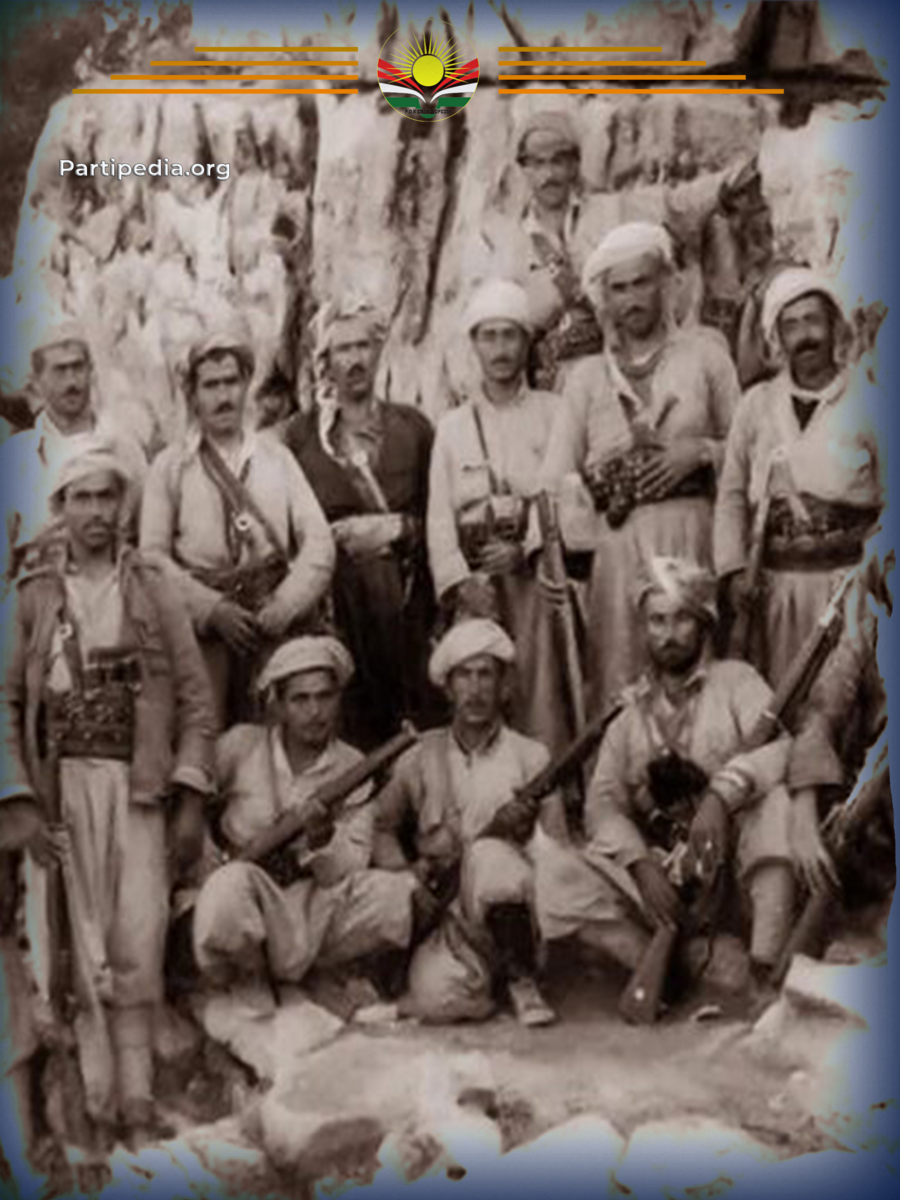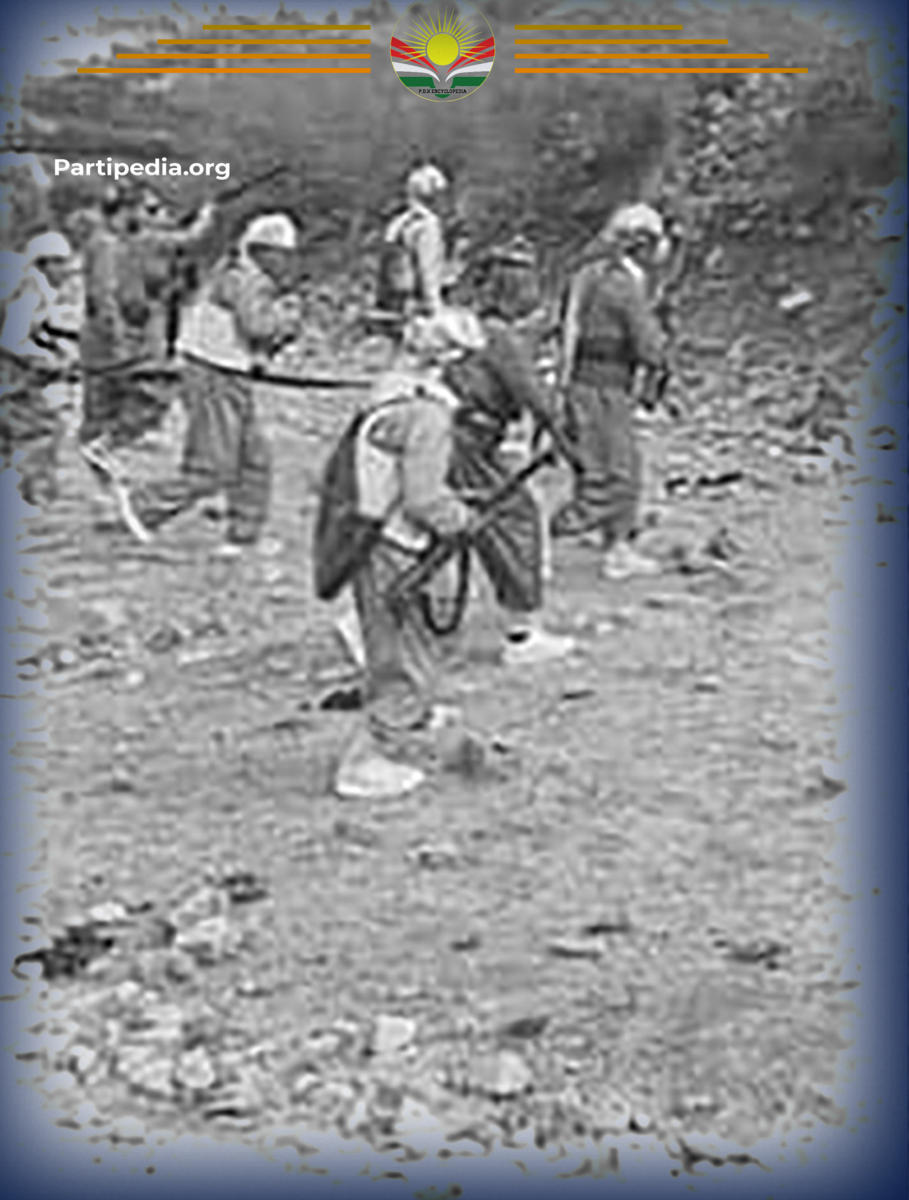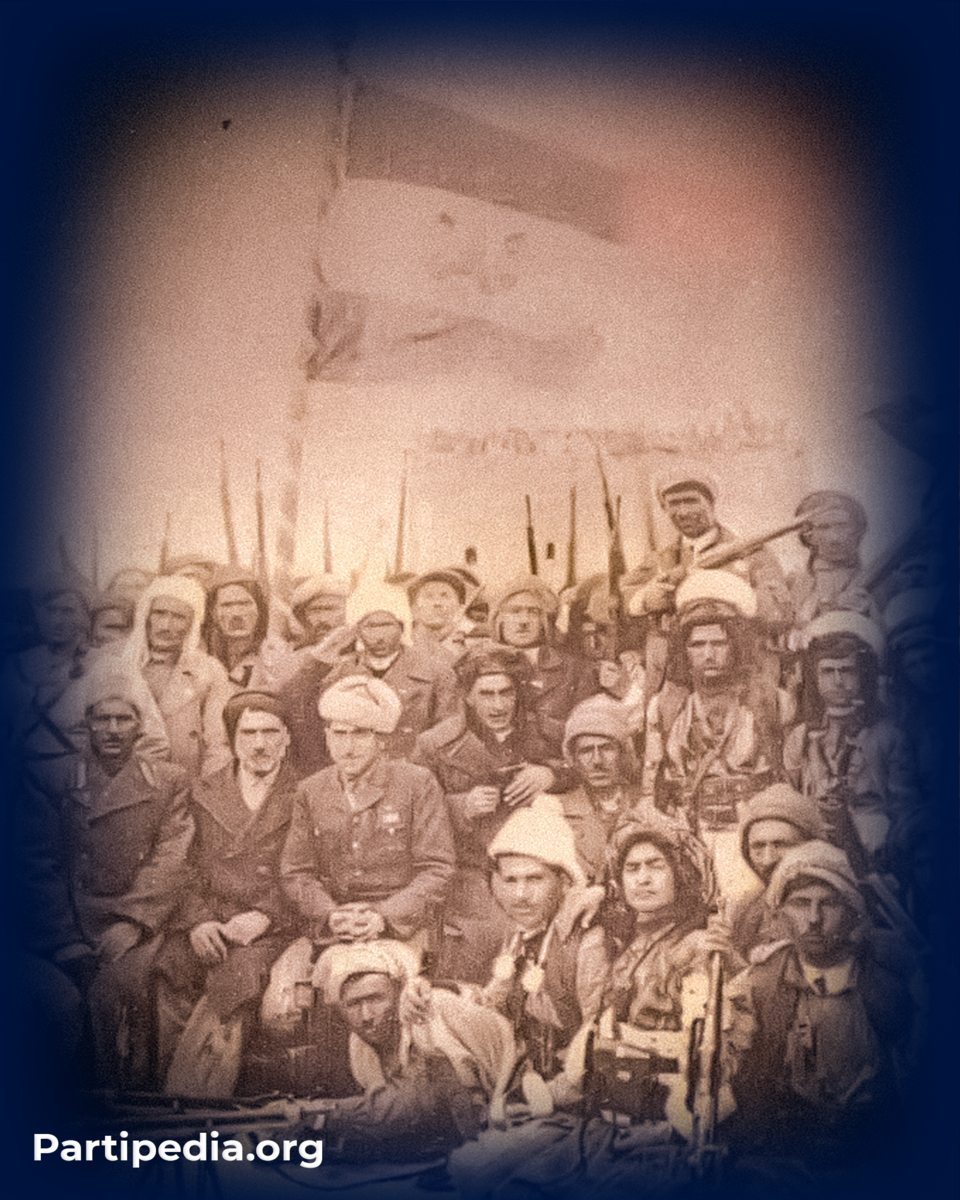


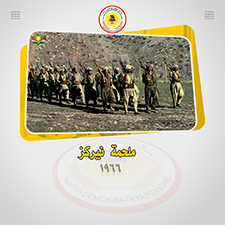
In the spring of 1966, the Iraqi Ministry of Defense planned a large-scale offensive against Kurdistan, intending to launch it on April 15th. As in the previous year, they launched a broad attack across various parts of Kurdistan and captured several locations. However, the Peshmerga forces in Zakho, led by Issa Swar and Ramadan Issa, prepared a guerrilla operation to prevent the government forces from believing that the Peshmerga were incapable of resisting their attacks. They were not only on the defensive but could also carry out guerrilla operations deep within government lines. To this end, they planned an attack on the outskirts of Zakho, on the banks of the Nergiz River, which was a crucial military crossing point.
Around 400 Peshmerga fighters equipped themselves with weapons and supplies for this mission, and in March 1966 they began their long journey to reach their target. Along the main road between Zakho and Hassan Awa, they passed Iraqi army barracks at night to get close to their intended location. At daybreak, the Peshmerga hid until late evening, then approached government military bases near Nergiz.
The Peshmerga forces began preparing to attack the army barracks with a well-devised plan. They positioned their artillery facing the barracks, and the fighting began late in the evening. At the start of the attack, they bombarded the military positions and barracks with 120mm cannons, then the Peshmerga launched an assault on Iraqi army bases and positions in the area. The Iraqi army forces offered what appeared to be weak resistance, and battlefield after battlefield fell into the hands of the Peshmerga until the barracks were completely captured.
In this commando operation, a Syrian military base belonging to the Iraqi army, along with all its equipment, fell into the hands of the Peshmerga, and two battalions of Arab mercenaries (Jash) were completely destroyed. Government forces suffered the following losses:
1. Complete capture of the Nerkes NK military base.
2. Destruction of a military battalion and two battalions of Arab agents (Jash)
3. The killing of approximately 100 Arab soldiers and agents (Jash).
4. (86) soldiers and agents (Jash) were captured and transferred to the liberated areas.
Achievements:
1. Seizure of 70 different weapons.
2. Seizure of large quantities of ammunition and military equipment
It is worth noting that there was only one wounded Peshmerga fighter in this battle.
After the fighting ended and the commando operation was successful, the Peshmerga forces returned to their base unharmed, despite the government having ambushed them in several locations with large forces, intending to retaliate. However, the Peshmerga were well-prepared and possessed excellent knowledge of the entire area. Upon hearing the news, they changed their route and took a different path.
The Battle of Nergiz was a unique victory for the Peshmerga and, at the same time, a major achievement for the revolution against the government army. Furthermore, it played a significant role in boosting Peshmerga morale. The government also discovered that the Peshmerga forces could reach any location, near or far, to carry out Peshmerga operations whenever they deemed necessary.
It is worth noting that this victory, and other Peshmerga victories over the Iraqi army in various regions, prompted the government to listen to Kurdish demands and resume another round of negotiations.
Sources:
1- My name is Karim, the name of God is the most important thing, the name of God, the name of God, Dehek 1999.
2- Masoud Barzani, Barzani and his wife, Ezgari Khawazi Kurd, Barghi Seyyim, Beshshiyykym, September 1961-1975, p. 2004.
3- Hawkar Karim Hama Sharif: SHORSHEY EYLOOL, Chapkhani Zangi Silahdin, Chapi, Holler, 2012.
4- Ibrahim Jalal, Bashouri Kurdistan and the people of Kurdistan and the people of Kurdistan, 1961-1975, in their country, 2021.