

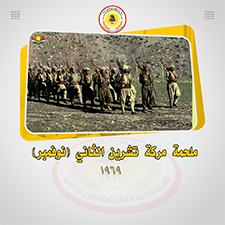
In the autumn of 1969, the balance of power and victory shifted in favor of the September Revolution as a result of successive defeats inflicted on government forces—army, commandos, and collaborators (Jash)—in military campaigns that covered vast areas of the revolution, supported by tanks, artillery, aircraft, and advanced weaponry. This prompted the revolutionary leadership to devise a detailed plan to attack the Marqa front and expel the army and collaborators from the area, which consisted of two regiments and twice the number of Jash collaborators.
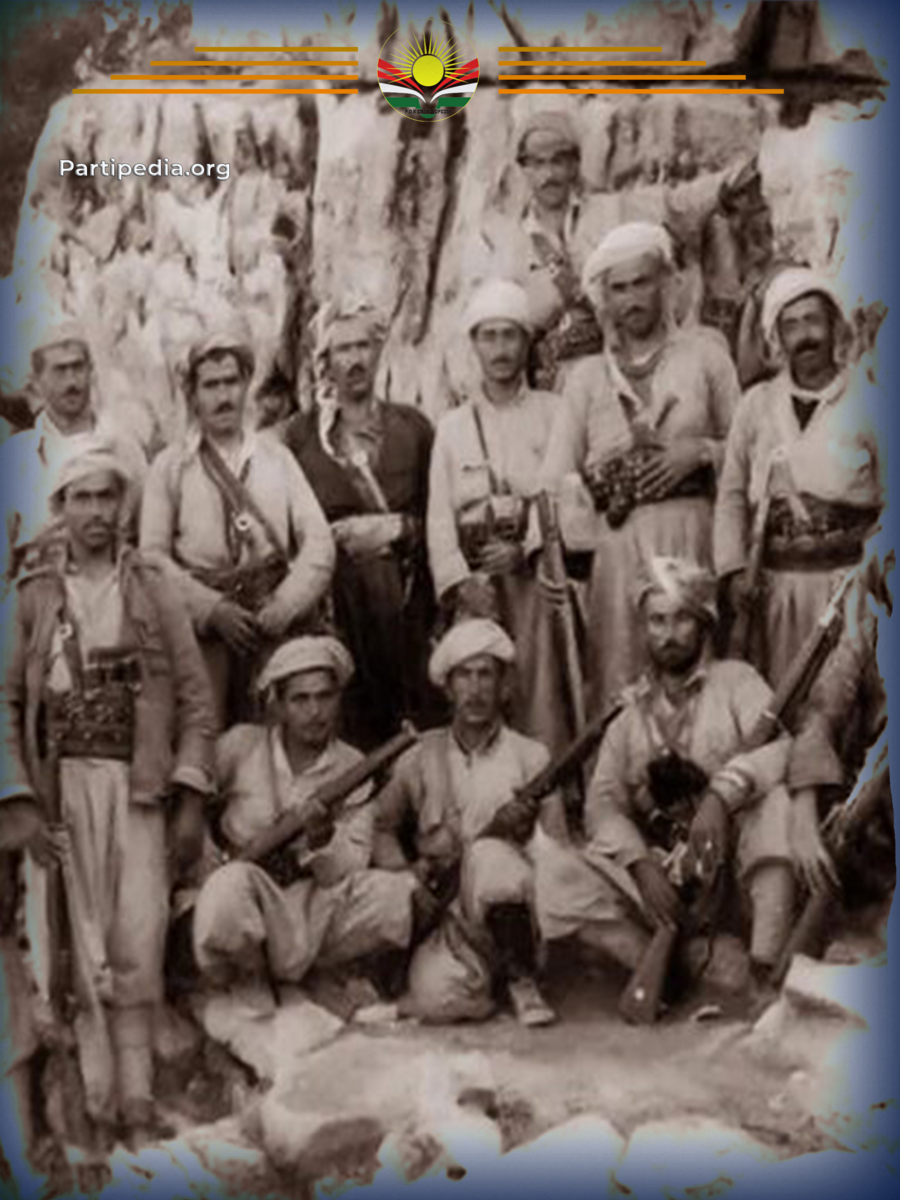
The Peshmerga forces assigned by the revolutionary leadership to participate in this attack included a contingent from the Rizgari and Kawa forces, as well as several units from the Helgurd force. They were led by commanders Fakher Mirksuri, Haso Mirkhan, and Abdullah Sadiq. The field commanders were Ezzeddin Qara Muhammad, Mam, Su Dziyi, Arif Darwish, and Faqi Hamdamin.
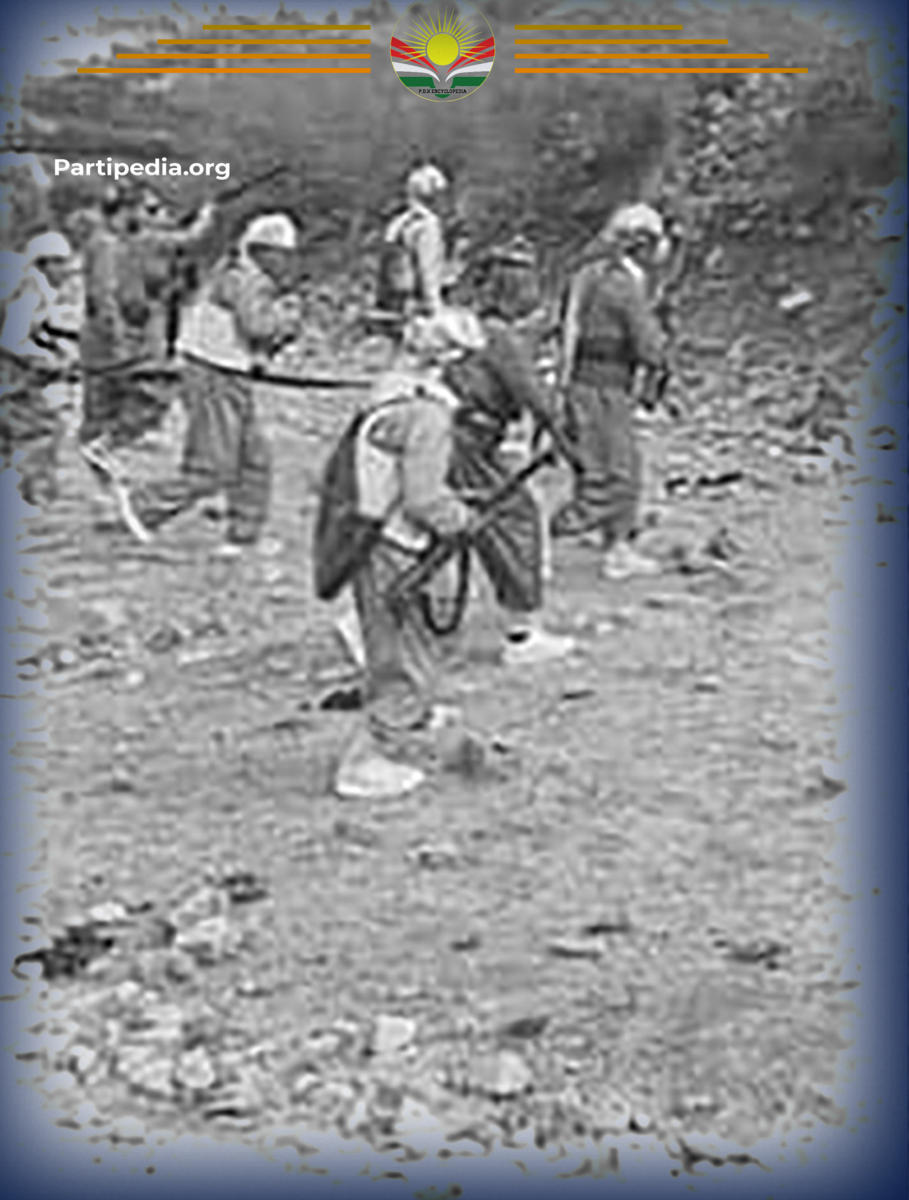
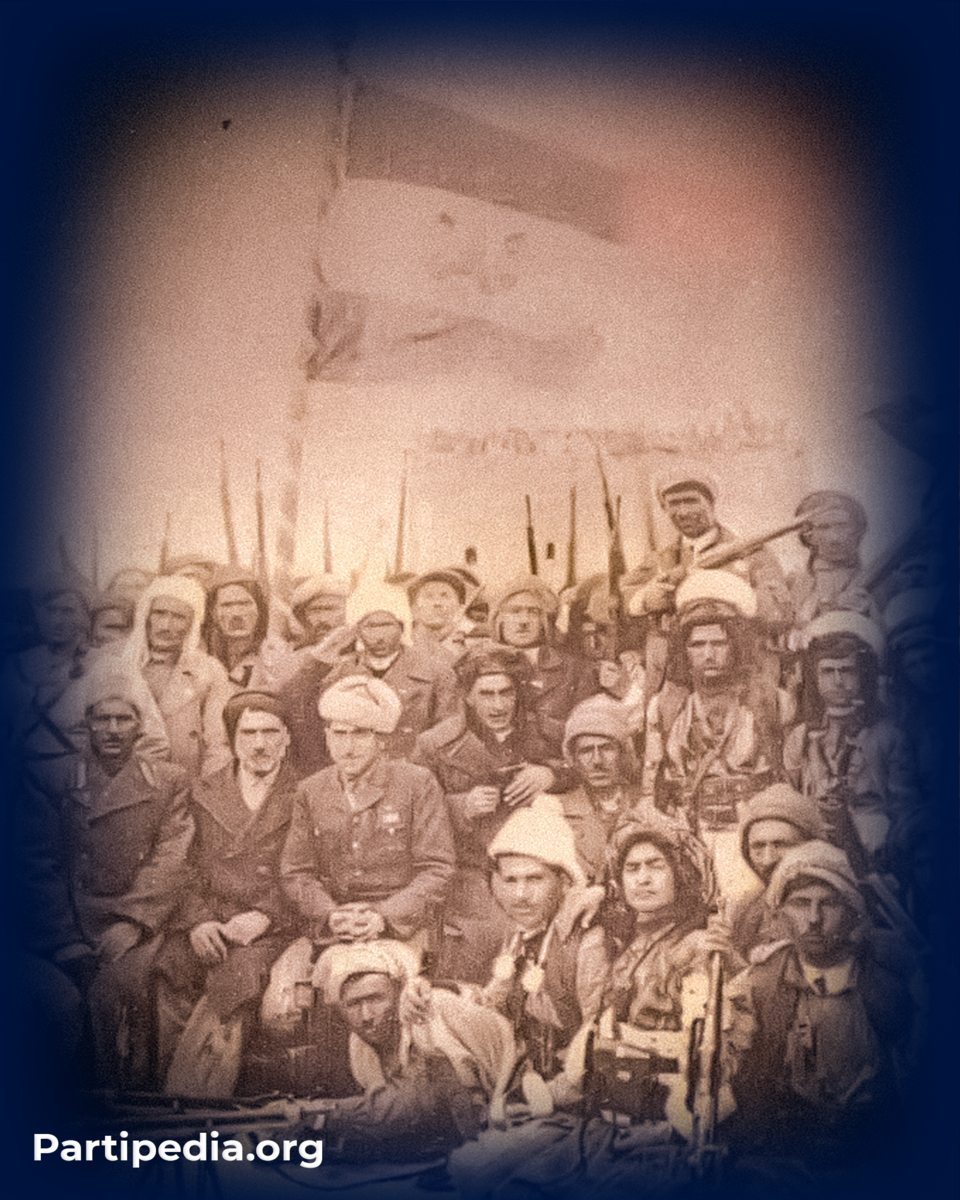
November 6, 1969, was the date of the attack, and the Peshmerga launched their assault at the appointed time and place, as planned. They had been advancing steadily since the very first hour. Masoud Barzani In his book, Barzani and the Kurdish Liberation Movement, regarding this Peshmerga epic: The security services' communications department informed me that chaos and disarray had spread to the enemy ranks, and that army units had abandoned their commanders, mutinied, and fled. The headquarters of two regiments joined the mutineers, and a company commander was killed. The morale of the collaborators (Jash) collapsed, and the enemy held nothing but the summit of Mount Asos. Once this summit was captured, victory would be complete, and the enemy would abandon Marka entirely.
An hour later, Peshmerga forces captured the summit of Asos, and government forces fled to Sarsian. The Peshmerga operation in the area lasted three days, during which the entire region fell into their hands. As a result of this Peshmerga operation, government forces suffered heavy losses, including more than 230 dead, among them the commander of the mercenaries (Jash) named Ali Abbas Agha. A large quantity of weapons, ammunition, military equipment, and food supplies fell into Peshmerga hands.
The Peshmerga victory in the Battle of Merka resulted in several consequences:
1. Some residents of the region, including some of the nobles of Mir Awadlian, had intended to join the government in light of the army's previous victories. However, the Peshmerga's victory and the defeat of the government forces changed their minds and they withdrew their support, with the exception of a few.
2. A large number of the forces of the group affiliated with the old Political Bureau changed their positions, left their group, and joined the revolution.
3. The Iraqi army shifted from offense to defense, and did not stop there. It considered reconsidering its aggressive policies, abandoning repressive military efforts, and pursuing a peaceful, negotiated solution to the Kurdish uprising, because its objectives had not been achieved through military invasion.
The Ba'athists concluded that they were unable to suppress the Kurdish revolution, as evidenced by a statement from the then Iraqi Defense Minister, Hardan Tikriti, who said: "In reality, the Kurds had managed to overthrow the government for half a century through their heroic resistance, to the point that we feared that if the war continued, Baghdad would fall into Barzani's hands." He also stated: "The number of Iraqi army casualties in the month preceding the March 11, 1970 agreement was 362 killed and wounded per week." Therefore, the central government could not resist and called for a ceasefire and negotiations with the revolutionary leadership, leading to the March 11 agreement.
Sources:
1- Masoud Barzani, Barzani and Bazutni and Hizgarikhvazi Kurd, Barki Seyyim, Bash Douman, September 1961-1975, next to them, Howler - 2004.
2- My name is generous, I love you so much SHORSHEY EYLOOLDa, Chapkhani Khabat, Dehk - 1999.
3- Sahangir Ebrahim Khishnaw, “Woodawah Sahrbazyh Kani Shih Yilul 1970-1975”, “Chapi Yehikham”, April 2022.
4- Khishoy Ali Kani Linji, Persian Aziz Qazi Hamid Sourchi, Danishfar, Holler - 2023.
5- Karwan Jawhar Muhammad, Idris Barzani1944-1987