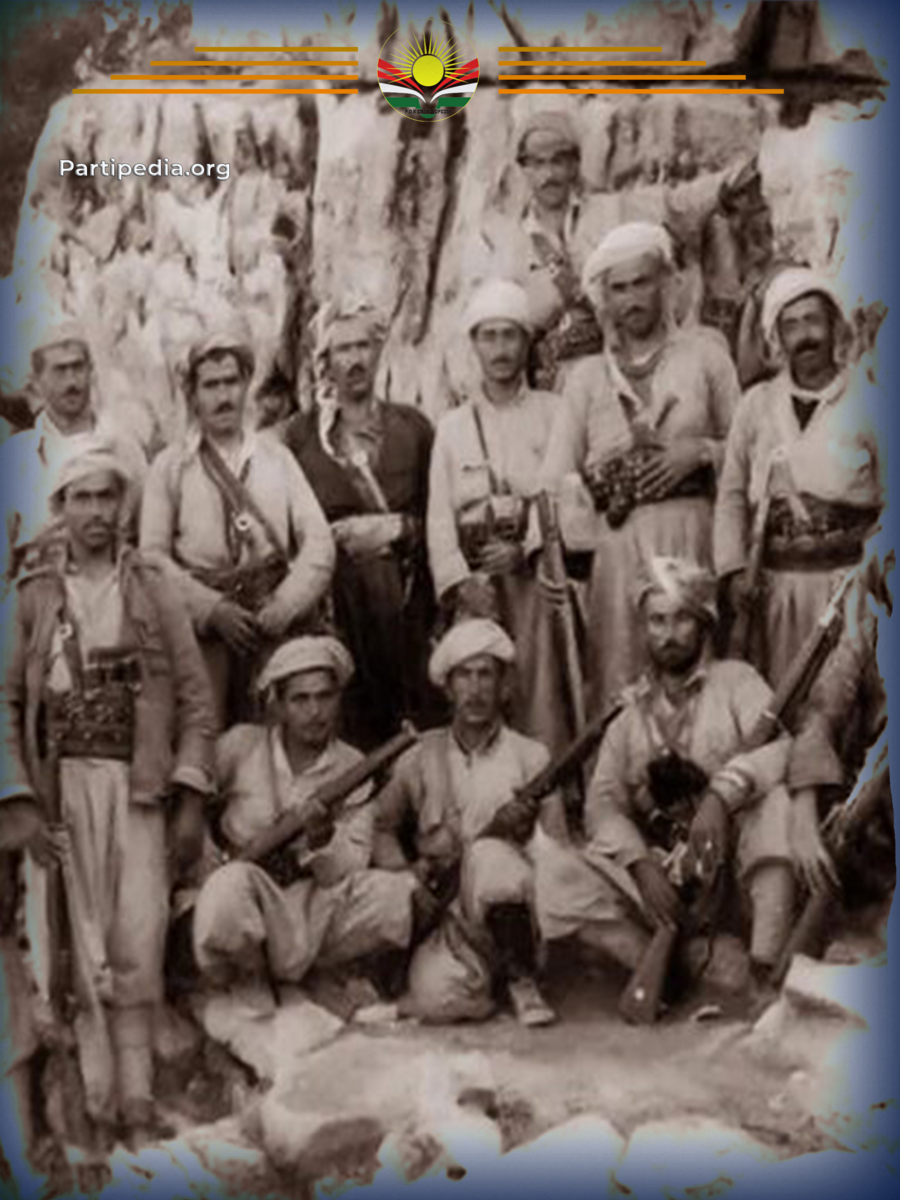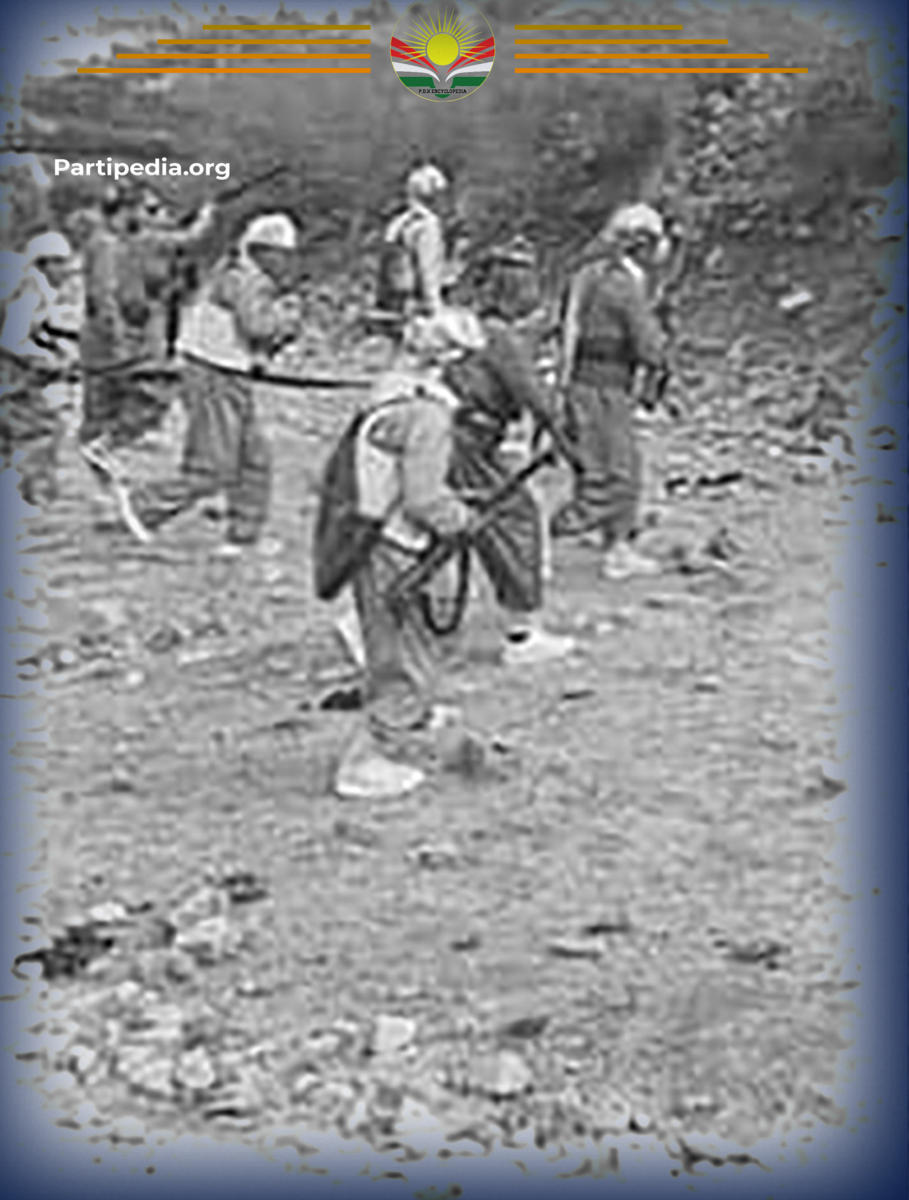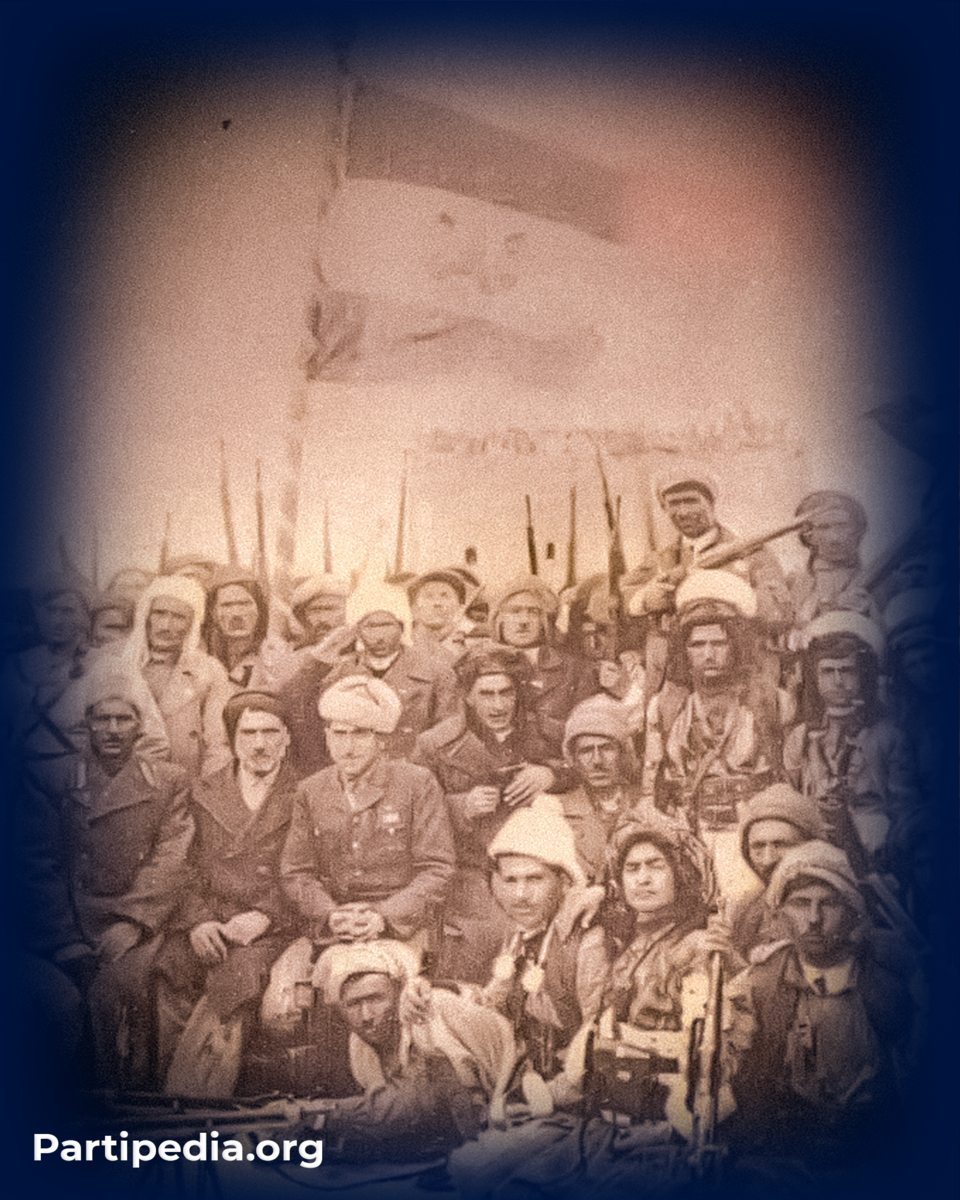


From February 1964 to March 1965, a year-long ceasefire was in place between the Kurdish revolution and the Iraqi government. There was neither war nor peace until the end of March, specifically on April 1, 1965, when fighting broke out again. This was due to the Iraqi government's failure to uphold the agreement. Peshmerga forces withdrew from cities and towns to more stable positions, and dozens of officers and hundreds of soldiers, police officers, and civilians joined the ranks of the revolution.
After the government resumed its attacks on various parts of Kurdistan, the revolutionary leadership considered carrying out an operation deep within government territory in Kirkuk. This involved striking oil pipelines and railway lines in Zambur. While the revolutionary leadership wanted to demonstrate to the government that it could not only confront the Iraqi army on the battlefield, but also operate within the heart of the government and its key locations, jeopardizing its interests, there were two other reasons behind this operation:
First: To fragment the military forces and force their leadership to spread out over wide areas, preventing them from gathering on the same front.
The second: a threat to the government’s economy by attacking oil installations, so that the government would allocate a large protection force to these installations and keep them away from the battlefield.
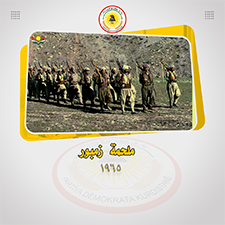
On July 21, 1965, a group of Peshmerga fighters led by Mohammed Darwish Nader reached the Zambur oil pipeline and the Kirkuk railway line. Shortly afterward, they mined and detonated all the oil pipelines, causing extensive damage to the oil facilities. After the successful operation and the Peshmerga withdrawal, they were attacked by government forces, resulting in the death of one Peshmerga fighter.
The Peshmerga offensive and its repercussions caused chaos and posed a significant threat to the government and its economic interests. Therefore, the government was forced to take several steps, including withdrawing a large force consisting of two battalions and approximately 1,000 local fighters (Jash) from the battlefield and redeploying them to protect oil installations. It also considered moving the Peshmerga away from the Kirkuk border and the Erbil Plain to the mountains to protect the oil installations from another such attack. In the autumn of 1965, the government launched a major offensive on the Erbil Plain, targeting the villages of Pistana, Elinjagh, Qashqa, Khorkhor, Koya, Taqtaq, and Dikla. The aim was to draw the Peshmerga forces from these areas and disrupt their movements and activities in the Erbil Plain.
Sources:
1- Hawkar Karim Hama Sharif, SHORSHEY EYLOOL, Chapkhani Zangi Silahdin, Chapi, Holler, 2012.
2- Shawkat Mala Ismail Hassan, “The Messenger of Allah, the Most High, the Most High, the Most High, the Most High, 2007.”
3- My name is Karim, the name of God is the most important thing, the name of God, the name of God, Dehek, 1999.
4- Masoud Barzani, Barzani and Bazutniyeh Ezgari Khwazi Kord, Barghi Seyyim, Bishhiyyikum, SHORSHEY EYLOOL 1961-1975, Chapkhani, Ministry of Foreign Affairs, Sheinbury, ed.: Höller, 2004.
5- Khorshid Shireh, Khabat and Khwain, Persian Safani Khabatai Peshmergayti, Scientific Reports, Holler, 2015.