


In the summer of 1963, the Iraqi government, led by Abdul Salam Arif, launched a large-scale offensive against Kurdistan. From Baghdad, he issued a statement rejecting negotiations with the Kurdish revolutionary leaders and resuming a bloody war against the Kurds. They then began attacking cities, towns, and villages, arresting, pursuing, and suppressing people in all the areas targeted by the military operations. The Ba'athists believed that Abdul Karim Qasim's regime had not waged war against the Kurds seriously before them, and that they could quickly crush the Kurdish revolution. This demonstrates that Abdul Salam Arif never believed in the Kurdish cause in Iraq, a fact reflected in his speeches where he neither recognized the Kurds nor used the word "Kurdistan."
Before the outbreak of war on May 20, 1963, a general military order was issued imposing an economic blockade on Kurdistan. With the resumption of war on June 10, grave crimes, devoid of moral and humanitarian values, were committed in many places. It is clear that during this period, the city of Sulaimaniyah suffered more oppression and injustice at the hands of the Iraqi army than other Kurdish cities. Whenever Peshmerga forces attacked army columns, the army would come and unleash its fury on the residents of Sulaimaniyah. Among the acts of violence and brutality was the Sulaimaniyah incident, ordered by Brigadier General Sadiq Mustafa, commander of the 20th Brigade, known as the most brutal brigade in Iraqi history and implicated in the bloodshed of thousands of young men. The city of Sulaimaniyah became a battleground for the enemy. They arrested 5,000 civilians in the city, and 86 of them were chosen and buried alive. Their only crime was that the Ba'athists brought a picture of the Kurdish revolutionary leader Mustafa Barzani to the crowd and ordered them to insult it. They refused to comply, and one of the detainees replied: "If you are willing to insult your leader, then we will obey you." Therefore, the Ba'athists exterminated them all.
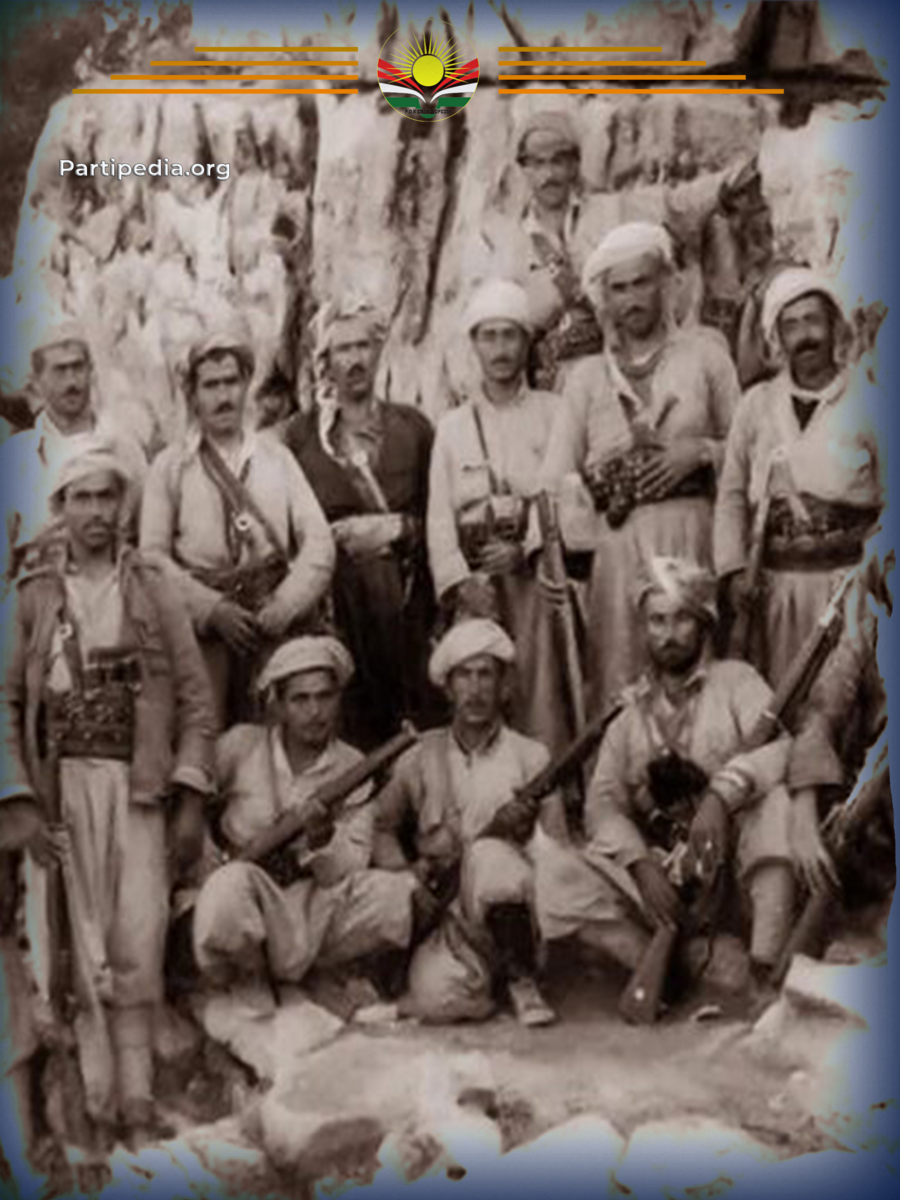
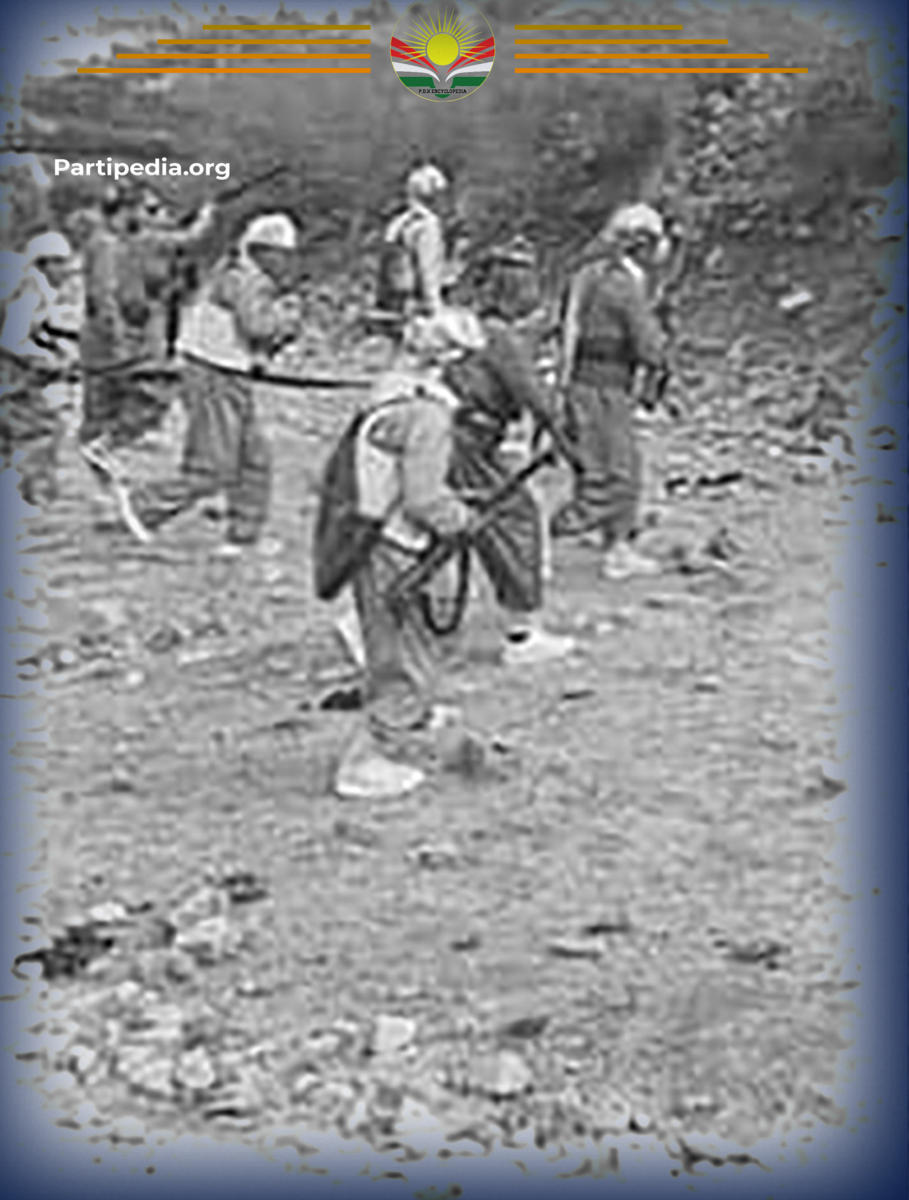
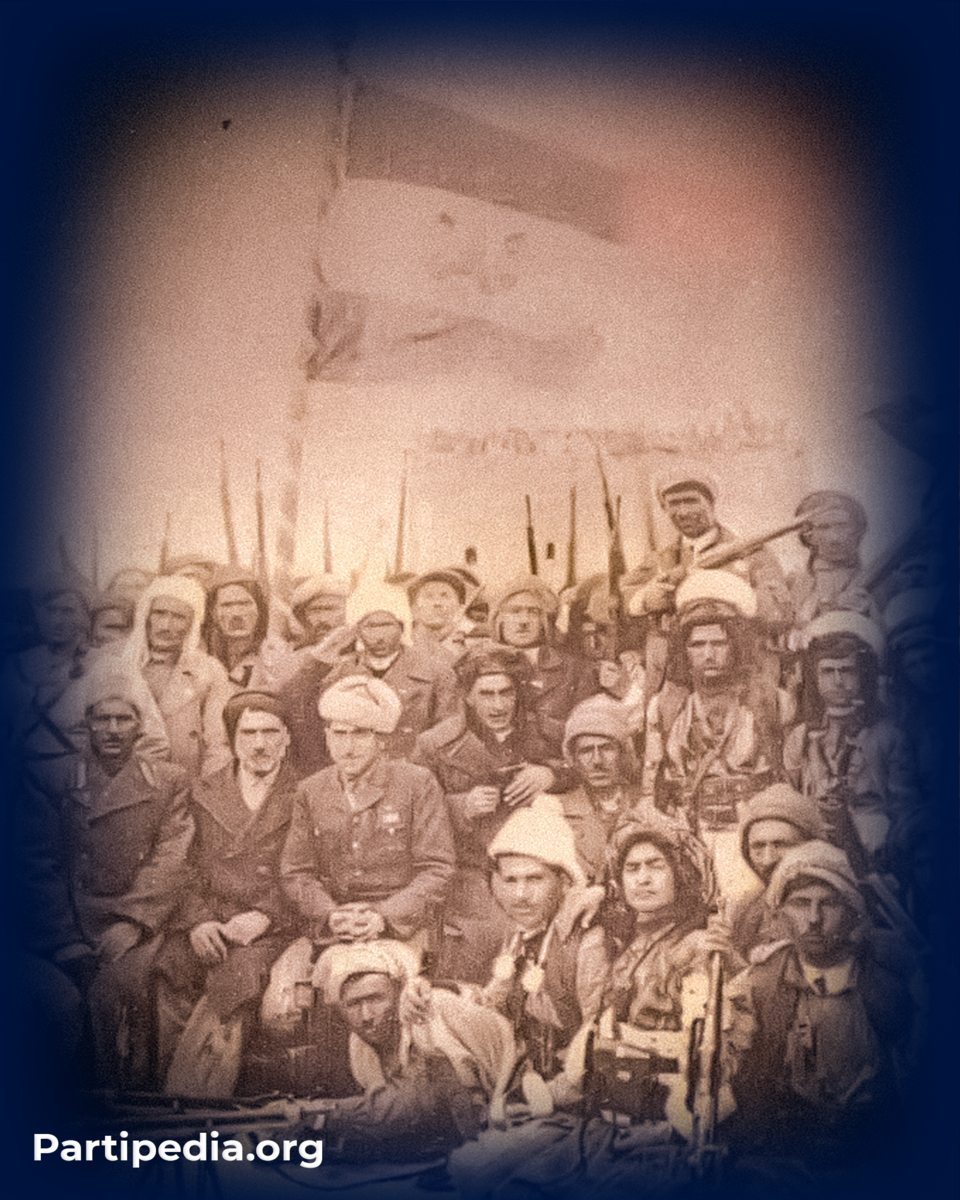
The Iraqi army did not stop there. In the autumn of 1963, it launched a military campaign on the Azmar mountain range, located five kilometers from Sulaymaniyah. Supported by tanks, aircraft, and machine guns, they attacked Peshmerga positions. The Peshmerga forces, armed with Brno rifles, 11-shot rifles, and Bren machine guns, repelled the attack. In the morning, government forces attacked the Peshmerga positions three times, but the Peshmerga resistance was so fierce that they managed to defeat all three attacks and force the government forces to retreat to the foot of the mountain, leaving several bodies on the battlefield.
Although the army's defeat brought a period of calm to the region, it was preparing for a larger offensive with a more robust plan. On the other side, the Peshmerga forces organized themselves exceptionally well, fiercely resisted the attack, and thwarted the Iraqi army's plan, inflicting heavy losses. In retaliation, the Iraqi army targeted shepherds, caravans, and merchants in the outskirts of Sulaymaniyah, capturing and killing them all.
In the Battle of Mount Azmar, a prime example of the series of battles fought in defense of the homeland, the Ba'athist army's attacks were repeatedly repelled, inflicting heavy losses. Only one Peshmerga fighter was martyred.
Sources:
1- Shawkat of Mala Ismail Hussein, the name of the Prophet, the Ministry of Foreign Affairs, Holler, 2007.
2- Masoud Barzani, Barzani and his wife, Ezgari Khawazi Kurd, Barghi Seyyim, Beshshiyykym, September 1961-1975, p. 2004.
3- Hawkar Karim Hamisharif, Shisha Eylul, Chapkhani Zanki Salahadin, Holler, 2012.
4- Ibrahim Jalal, Bashouri Kurdistan and the people of Kurdistan and their families 1961-1975, next to them, 2021.
5- My name is Karim, the name of God is the most powerful, the most beautiful, the most beautiful, the most beautiful, the most beautiful, the most beautiful, the most beautiful, the most beautiful, the most beautiful, the most beautiful, the most beautiful, the most beautiful, the most beautiful, the most beautiful, the most beautiful, the most delicious, the most beautiful, the most beautiful, the most beautiful, the most beautiful, the most beautiful, the most beautiful, the most beautiful, the most beautiful, the most beautiful, the most beautiful, the most beautiful, the most beautiful, the most beautiful, the most beautiful, the most beautiful, the most beautiful, the most beautiful, the most beautiful one, 1999.
6- Khishoy Ali Kanling, Peruvian Aziz Qazi Hamid Sorchi, Danishvar, Holler, 2023