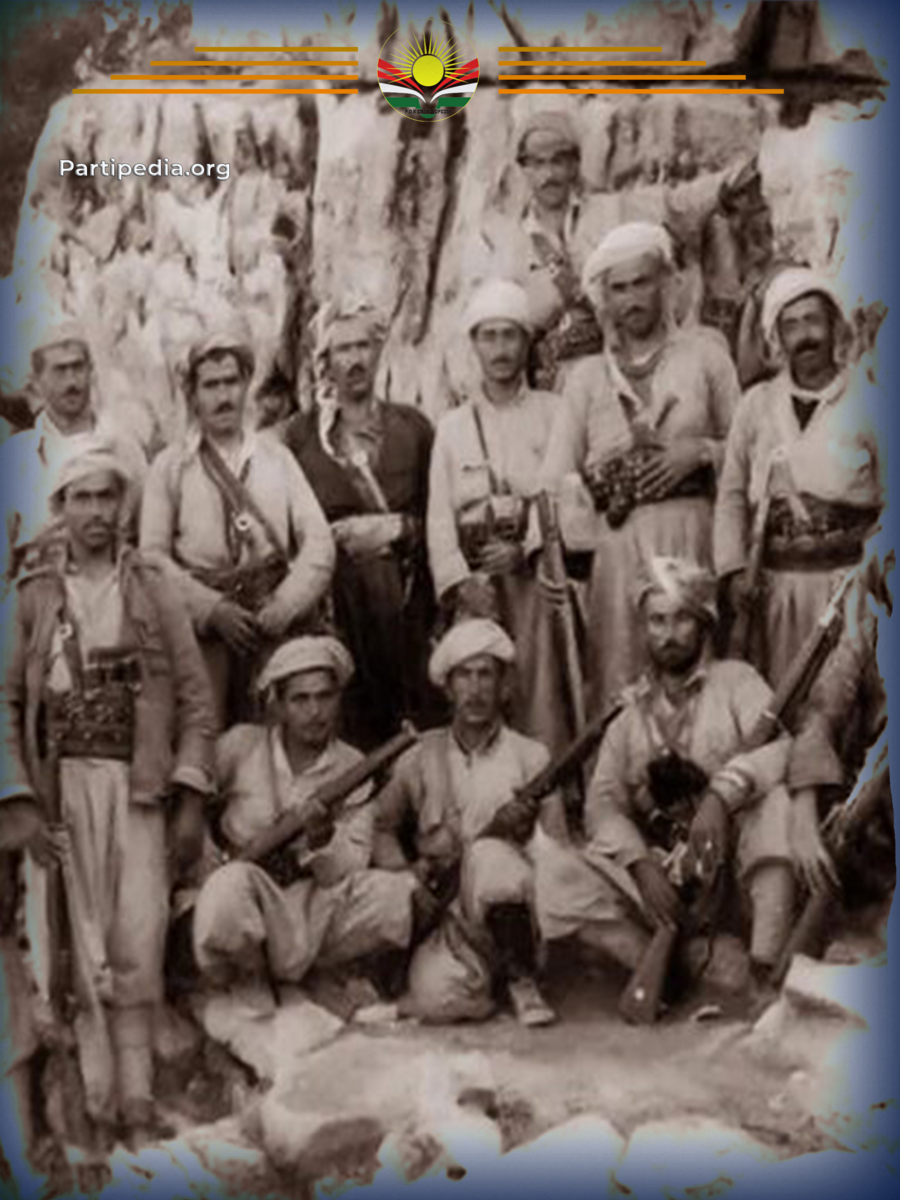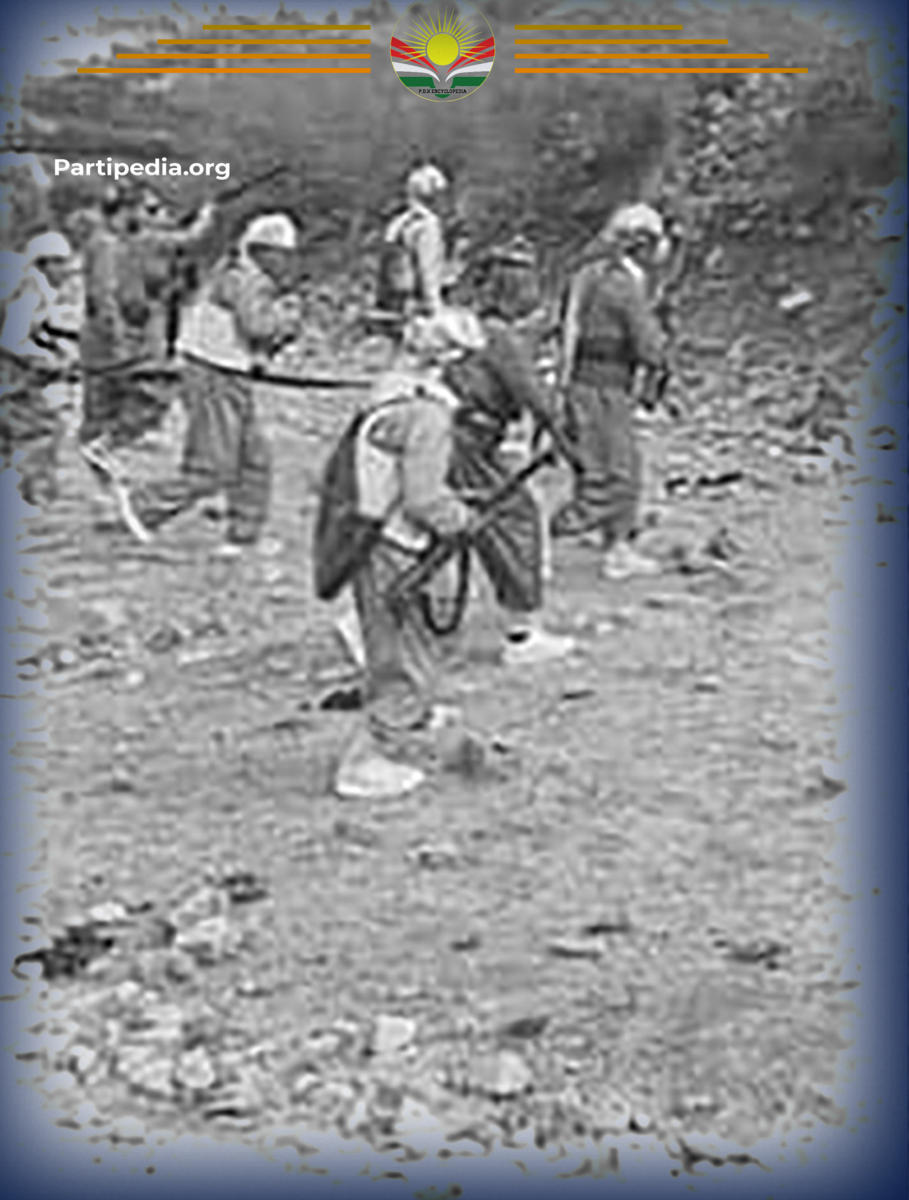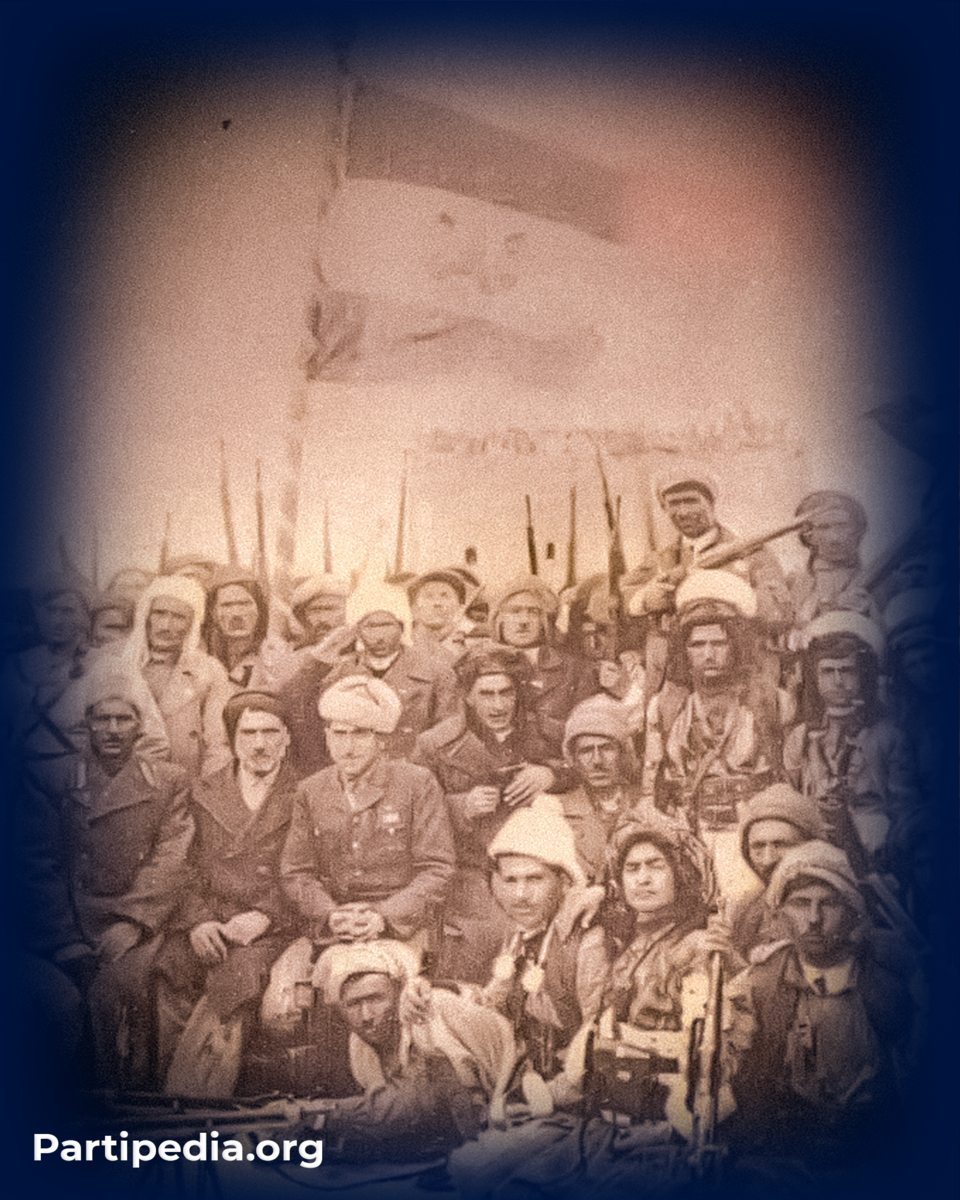



The Batufa region was among the areas targeted by the Iraqi army from the beginning of the revolution. The Iraqi army launched its offensive on the region in May 1962 with a large number of soldiers and armored personnel carriers, supported by tanks, artillery, armored vehicles, and air power, under the command of Colonel Majid al-Sabawi, who led the government forces in Badinan. The government attack began on May 21st from Zakho to seize the headquarters of Force 1 in the Barwarian area, while a large geographical area of Badinan remained under the control of the revolution. Barzani, the leader of the revolution, also went to the Soran region to spread the revolution to other areas. The organized Kurdish Peshmerga forces, armed with light weapons including British rifles and Brno rifles, resisted the massive Iraqi army, which was equipped with the latest weaponry. The Zakho region was commanded by Force Commander Issa Swar and his deputy, Ali Halo.
The Iraqi army continued its offensive for 45 days, but failed to move its forces from the Zakho-Batufa highway to the surrounding villages. In the midst of the battle, a soldier defected to the rebels with a mortar shell (Knot 3), redirecting the barrel towards the Iraqi army and beginning to bombard it. The tide of the battle turned immediately, even affecting aircraft transporting troops to the battlefield and targeting landing positions. This made it difficult for them to carry out their mission of landing troops.
During this battle, the Iraqi army launched more than ten attacks on the villages of Kalkhwar, Dahli, and Khizaw, but failed to reach them. They then resorted to heavy shelling. The bombardment caused extensive damage to the villagers, as their homes were destroyed, burned, and they were forced to evacuate for their lives. The collaborators (Jash) also attacked the village of Baghbari, despite its evacuation. However, the Peshmerga forces prevented them from reaching it and repelled the attack, even though two houses in the village had been burned by the collaborators.
When the army's attack reached the village of Ava Kenin, near Batufa, the Peshmerga forces, led by Issa Swar, vowed not to allow them to achieve their objectives. Although the government forces reached the Batufa military camp, the Peshmerga prevented them from advancing further. They tried hard to push them back, but were unsuccessful and were forced to encircle them. After the government forces attempted to break the encirclement and implement their plan, their efforts failed, and fighting continued, resulting in the death of the government forces' commander, Colonel Majid al-Sabawi, and a number of soldiers. After the death of their commander and the government forces remaining in the area for 21 days, the Peshmerga allowed them to withdraw to Zakho. With the government forces' withdrawal, the threat to the First Force headquarters in Zakho disappeared.
The Iraqi army suffered an estimated 200 casualties in the 45-day offensive, including Majid al-Sabawi and several other officers, in addition to the destruction of several military vehicles and the downing of an aircraft near the village of Avakanin. Following the battle, Peshmerga losses consisted of five Peshmerga fighters and two civilians who were part of the National Defense Forces and supporting the Peshmerga.
Sources:
1- My name is generous. SHORSHEY EYLOOLDa, Chapkhani Khabat, Dehk 1999.
2- Masoud Barzani, Barzani and Bazutna and Ezgarikhvazi Kord, Barghi Seyyim, Besh-e-Kim, September 1961-1975, ed. 2004.
3- This is Masoud Sarni, Shursha Eiloni for the Devera of Behadinan 1061-1975, February 2018.
4- Haji Mirkhan Dhamri, “Ghan Bedaway Dad Peroreda”, Barki Yekm, “Chapi Doom”, Chapkhani Esraa, Taran, 2021.
5- Shawkat Mala Ismail Hassan, “The Messenger of Allah, peace and blessings of God be upon him”, “However”, 2007.