

the biography
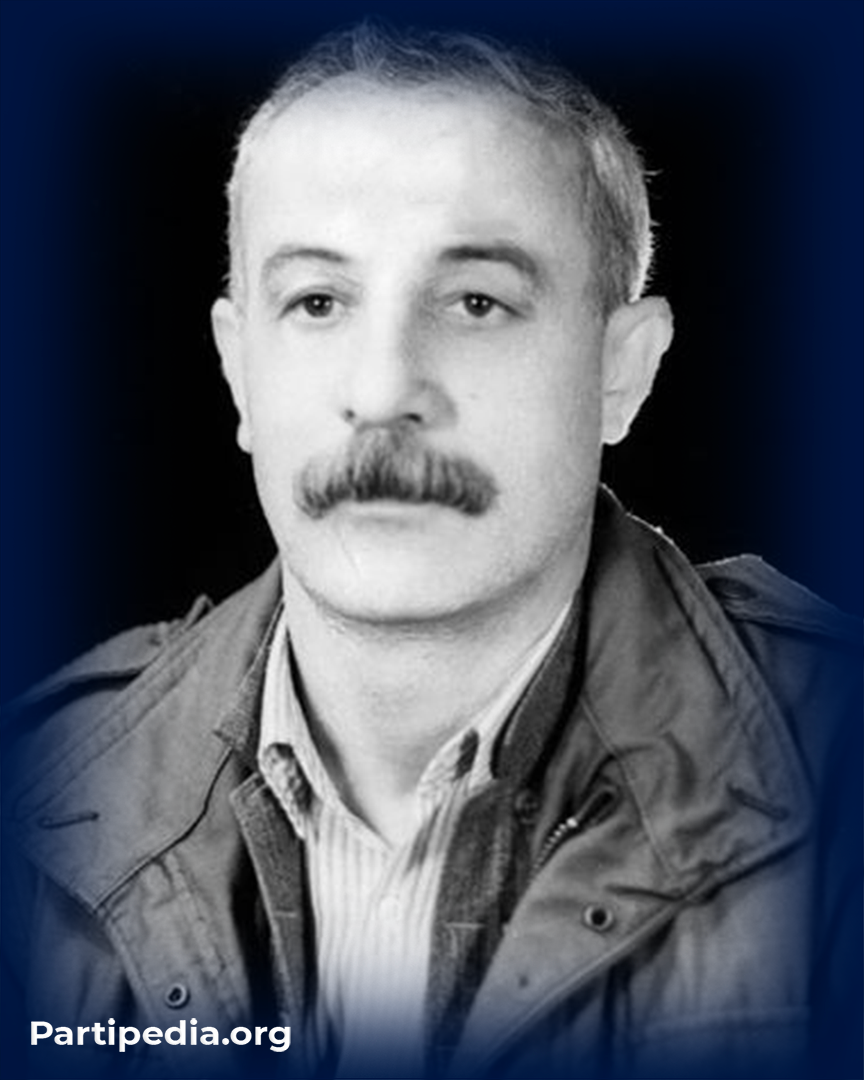
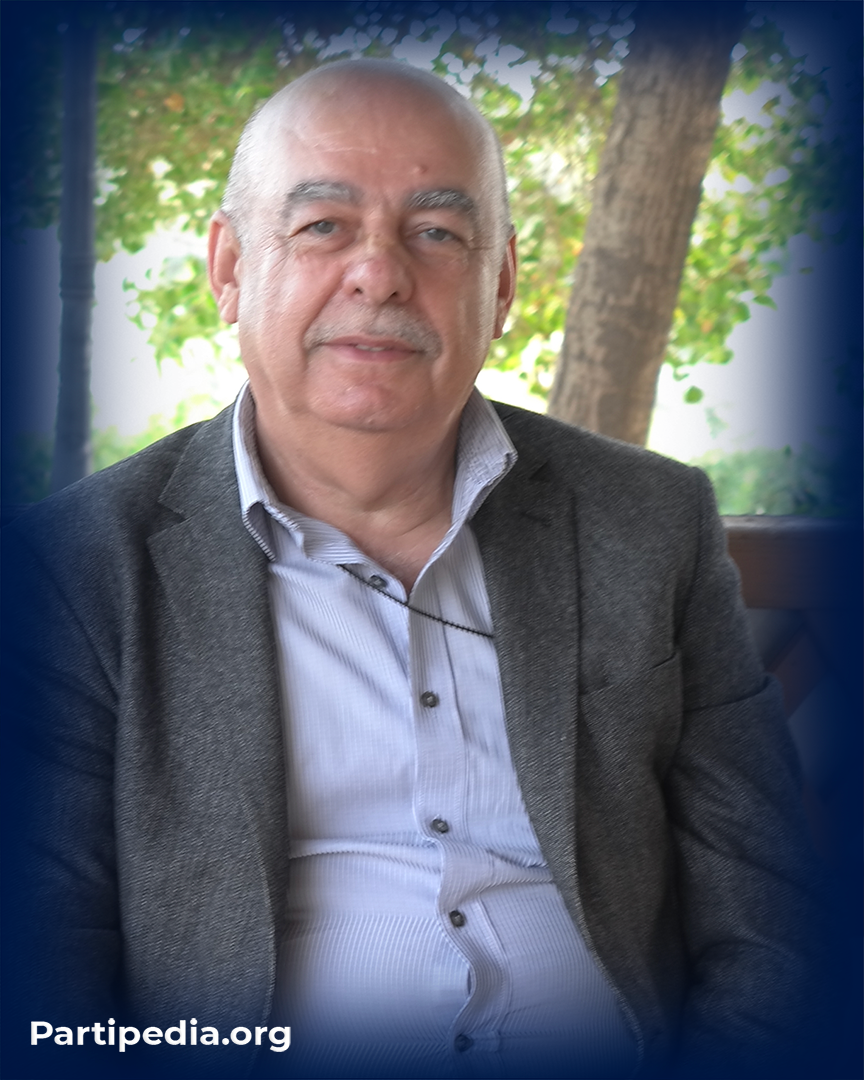
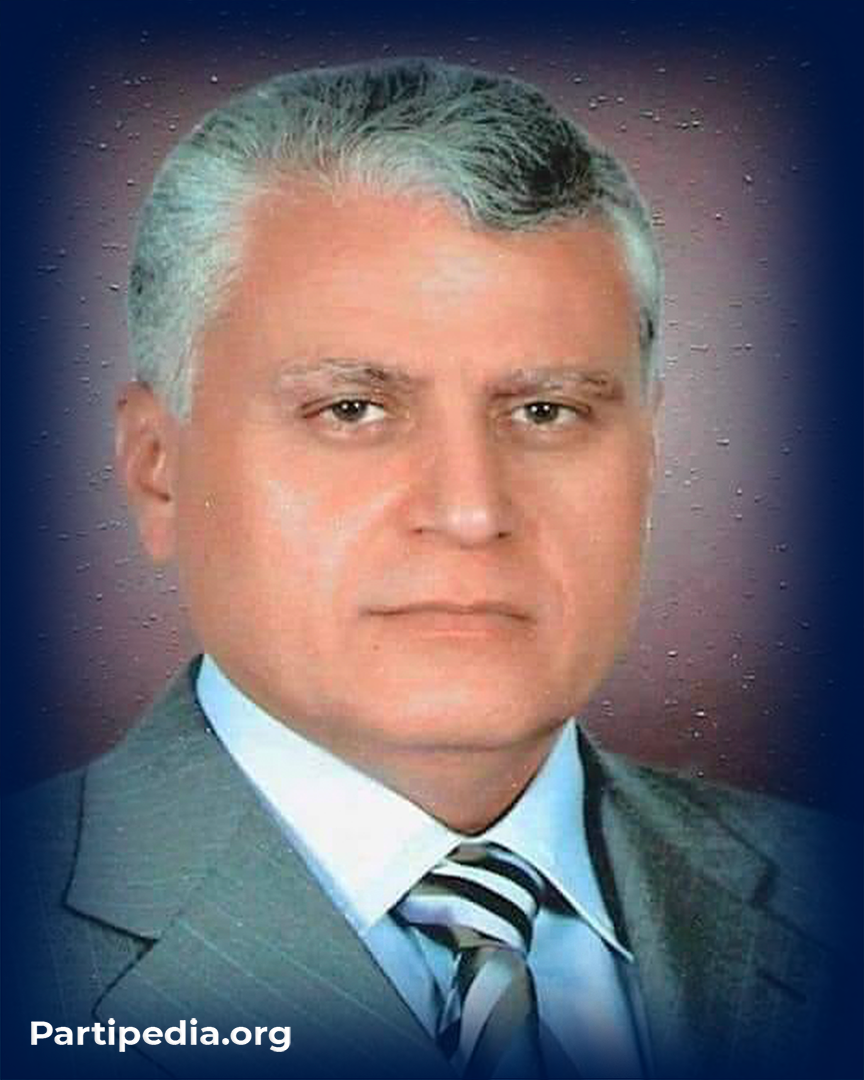
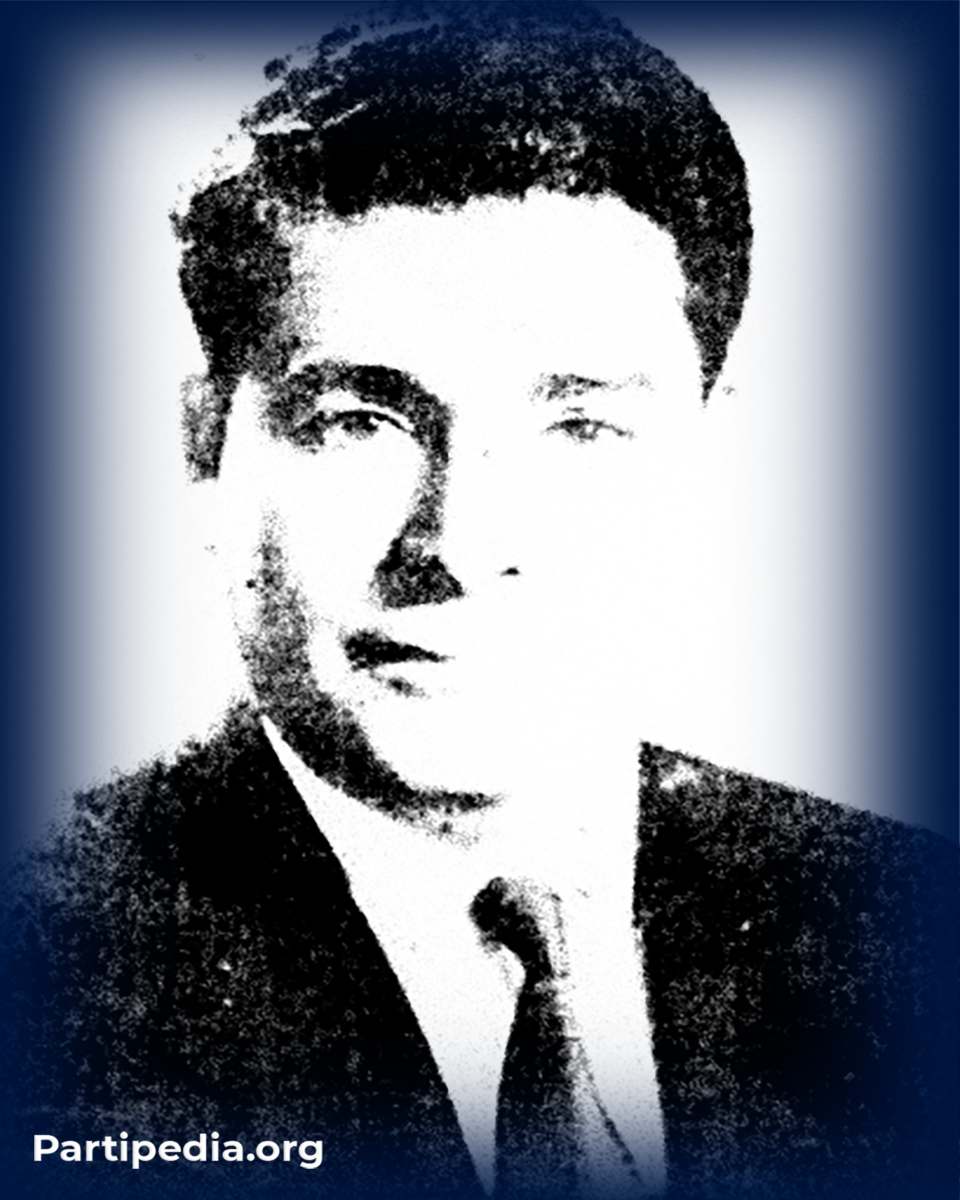
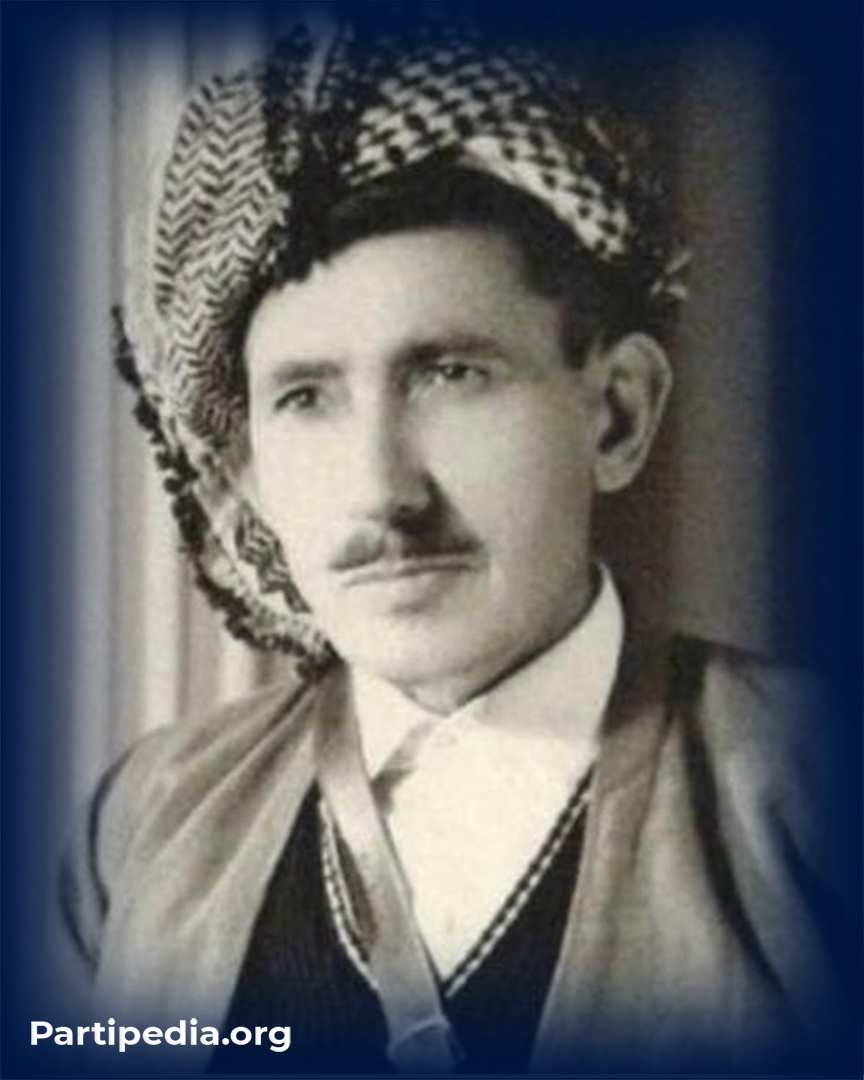
Abdullah Ismail Ahmed, also known as Abdullah Mulla Ismail, Mulla Awla Haji Ismail and Mulla Mator, was born in Erbil in 1927 and died in Erbil on Saturday, April 22, 2000. He was fluent in both Kurdish and Arabic.
pages of struggle
He joined the Kurdistan Democratic Party (KDP) in 1949. He worked in the railway department in 1950 and became a cadre member of the KDP in the same year. In 1954, he assumed responsibility for the Erbil local committee of the KDP-Iraq. He was briefly detained by the Iraqi monarchy in 1954. In 1955, he again assumed responsibility for the Erbil local committee of the KDP-Iraq. He was one of the founders of the Railway Workers' Union and the Construction Workers' Union in 1954. In 1956, he oversaw the KDP's Mosul branch. On October 15, 1956, he visited the Egyptian Embassy, accompanied by a representative of the Iraqi Communist Party, and submitted a memorandum of protest from the people of Erbil against the tripartite aggression of the United Kingdom, France, and Israel against Egypt. He was part of the second group responsible for the first branch of the KDP-Iraq in 1956. He was arrested, imprisoned in Kirkuk, and tortured for his Kurdish activities, despite having paid 200 dinars. As bail for the purpose of his release, but he was not released and remained in prison until the beginning of 1958. He was appointed as the deputy head of the third branch of the Kurdistan Democratic Party - Iraq in 1959. He was a member of the preparatory committee for the fourth conference of the party in Baghdad in 1959. He took command of a section of volunteers of the Kurdistan Democratic Party - Iraq, affiliated with the Erbil organizations, in 1959 following the rebellion of Sheikh Rashid Lolan in the Sidakan area of Erbil Governorate, and participated in the battles. On June 30, 1959, he delivered a message from the second conference - Baghdad of the unified Kurdistan Democratic Party to the wing of lawyer Hamza Abdullah Omar (1915-1998) regarding their suspension in the ranks of the party.
He was elected to the Central Committee of the Kurdistan Democratic Party – Iraq by delegates at the Fourth Congress in 1959. He delivered the speech of the unified Kurdistan Democratic Party in Erbil at a mass rally on the occasion of International Workers' Day. In 1959, he was responsible for the Third Branch Committee of the Kurdistan Democratic Party – Iraq during the Kirkuk unrest, supported by the British Consulate and Turanist supporters, and he opposed any clashes within the city. He was a member of the founding body of the Kurdistan Democratic Party for its public phase on Saturday, January 8, 1960. In 1960, he was a member of the Conference Committee. Fifth Congress of the Kurdistan Democratic Party For a part of the Kalar region, he was elected as a member of the Central Committee by delegates. Fifth Congress of the Kurdistan Democratic Party In 1960, he was a member of the Revolutionary Organizations Committee and the Kurdistan Democratic Party's (KDP) representative in Bahdinan. In November 1960, with the outbreak of the revolution against the regime of Iraqi Prime Minister Lieutenant General Abdul Karim Qasim (1914-1963), he was assigned to oversee the KDP's organizations in Mosul Governorate.
In 1961, he supervised the assassination of his friend Miran Khoshnaw in the Shaqlawa district of Erbil Governorate, who was a friend and supporter of the leader, Brigadier General Abdul Karim Qasim (1914-1963). He joined the ranks of the Peshmerga forces in 1961, and was sent by the Political Bureau of the Kurdistan Democratic Party as the first commander of the Kurdistan Democratic Party to the Badinan region in Mosul Governorate, and he distributed the Peshmerga forces into three branches. On August 20, 1961, in cooperation with Shams al-Din Muhammad Othman (1933-2012), known as Shams al-Din al-Mufti, and with a Peshmerga detachment, he attacked the Jash of the village of Aspindara in Erbil Governorate, and they were able to achieve victory and seize large quantities of weapons and ammunition.
On November 1, 1961, he led an attack on Iraqi army ground forces in Balisan, Erbil Governorate. In 1961, he participated in the expanded meeting of Awadan and was with the resistance and revolution. He was appointed company commander in the Erbil Plain region. He was appointed commander of the First Branch forces in Erbil by the Political Bureau of the Kurdistan Democratic Party on January 1, 1962.
He participated in the meeting of the Central Committee of the Kurdistan Democratic Party in the village of Awdalan (Sulaimaniyah) from December 18-23, 1961, and voted in favor of continuing September RevolutionIn May 1962, he participated in the Battle of Mount Balisan in Sulaymaniyah Governorate against the Iraqi army. In 1963, he was sent by the leadership of the Kurdistan Democratic Party (KDP) to the borders of the KDP's Second Branch Committee area to distribute aid to the Peshmerga and the Peshmerga forces of Kurdistan. In 1964, he participated in the expanded Mawt meeting and spoke against the leader. Mustafa BarzaniHe was expelled from the ranks of the Kurdistan Democratic Party in 1964 because of his support for the Political Bureau faction at the sixth conference of the Kurdistan Democratic Party. He went into hiding in Erbil while his comrades sought refuge in Hamadan, Iran. He participated in the first gathering of the Ibrahim Ahmed-Jalal Talabani group in the Timar (Kermian) region on August 28, 1966. He was elected to the central committee of the Ibrahim Ahmed-Jalal Talabani group in the village of Kalar, Kirkuk Governorate, on May 22, 1967. He was shot near the Republican Hospital in Erbil in an ambush set by Peshmerga forces of the Kurdistan Democratic Party (KDP) on January 14, 1967, but survived. He refused to rejoin the KDP on December 27, 1970, when it was decided to dissolve the Ibrahim Ahmed-Jalal Talabani group and reintegrate it into the KDP. He oversaw the disarmament of the Ibrahim Ahmed-Jalal Talabani group's forces in Kalar after the March 11, 1970 agreement. He was a member of the preparatory committee for the pro-Ba'athist Kurdistan Revolutionary Party in early January 1973. He participated in a gathering of a section of A member of the dissolved Kurdistan Revolutionary Party in Baghdad on October 30, 1973, he was expelled from the gathering by those present due to his opposition to the haste in organizing it. He relaunched the Arabic newspaper Al-Nour (second edition), the mouthpiece of the Ibrahim Ahmed-Jalal Talabani group in Baghdad. He was housed in 1974 under the protection of Iraqi government forces to control the city. He served as Minister of State (Iraq) from 1974 to 1988. He was appointed Acting Minister of Transportation by presidential decree on February 12, 1977, and again by presidential decree on May 7, 1977, as Acting Minister of Irrigation. His name appeared on the 1977 assassination list of the Martyr's Blood Organization (Helwi Suor), affiliated with the Marxist-Leninist Association. He was awarded the Order of the Officers by the President of Mali in 1981 and retired from the Iraqi government in 1989.
Among his works:
1- Saharbardahi Zhiyani Siyasem - Baharghi Yahkim - 1990.
Sources
1. E.D.E., File of Jamara AJ-54, May God protect you from the Democratic Party of Kurdistan, no. 1.
2. Chris Cochra, Janbesh Milli Kurd, translated by Ibrahim Younesi, Chap Dom, (Tehran - Nagah Publishing House - 1377 AH), p. 376.
3. What is the meaning of the story of this matter? (Holler - Chap Khaneh - 2012g), LL 89 - 90, 94 - 95, 100, 160, 173, 176, 203, 251, 258, 262, 268, 277.
4. He was born in 1963 - 1970. Political parodist, (Huller - Chapkhana, Zankichi, Saheh, 2016), pp. 32-33, 37, 250-251.
5. Abdul Fattah Ali Al-Butani, Studies and Research in the History of the Kurds and Contemporary Iraq, (Erbil - Dar Sprez for Printing and Publishing - Haji Hashim Press - 2007 AD), p. 382.
6. Taffiqi, Mahla Siddiq, there is nothing wrong with my home, my garden, and the door of my house. Doohim, (Huller - Chapkhana Shahhab - 1996), ll 27, 104.
7. Ahmad Dakhzar, the Persians of Iran, (Hazhar - the Hazarat of Kishnabiri and Lawan - Shah Khaneh) 2019g), l 221.
8. Bawar Nourdin, Kurd and Kurdistan Bibliography and the Book of Kurdida, Bargi Douham, (Taran - Chapkhaneh Taran - 2016), no. 132.
9. Book of Meyriasi, Ghahan Bahdavi Rastaida, Bahriji Hehekim, (Holler - 2004g), LL 116, 132.
10. Habib Muhammad Karim, History of the Kurdistan Democratic Party - Iraq (at major stations) 1946-1993, (Dohuk - Khabat Press - 1998 AD), pp. 61, 68, 91.
11. Khorshid Shireh, Khabaat and Khawan Berehuh-Ariyeh Safani Khabati Peshmaar-Ghayeh, Shabih Siyahim, (Holler) - Chapkhaneh Haji Hashem - 2015g), no. 120.
12. Masoud Barzani, Barzani and the Kurdish Liberation Movement, Volume Three, (Erbil - Ministry of Education Press - 2002 AD), p. 144.
13. Nuri Shawis, from my memoirs, (no place - Publications of the Kurdistan Democratic People’s Party - 1985), p. 82.