

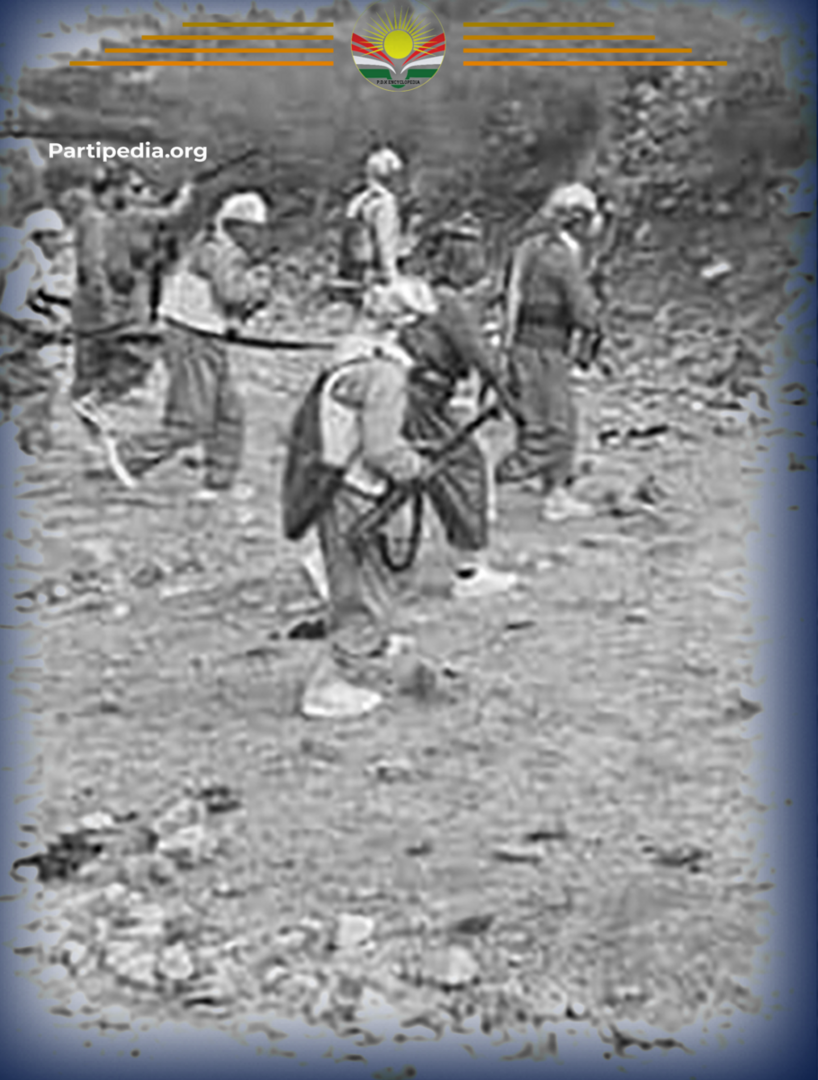
On the other hand, the signing of the Treaty of Friendship and Cooperation between the Soviet Union and the Ba'athist government in April 1972 led to the military revival of Iraq and the rearmament of its army with advanced heavy weapons such as 25 120mm and 152mm artillery pieces, SAM missiles, T-62 tanks, and other equipment. On July 17, 1973, the Communist Party joined the alliance at the recommendation and encouragement of the Soviet Union, forming a joint front with the Ba'ath Party against the Kurdish revolution. Seeing themselves as a formidable armed force with international ties to one of the world's superpowers, the Ba'athists believed they were on the verge of realizing their long-held dream of crushing the Kurdish revolution. Therefore, in April 1974, they resumed their offensive against Kurdistan. On April 15, 1974, the Iraqi army, aided by Communist Party fighters, attacked the Qardagh region from two fronts.
The first front: It consisted of the movements of the Iraqi army starting from Darbandikhan towards the village of Bawkhushin, then from there to the village of Siusinan, and then to Qardagh.
Second Front: Communist forces advanced from the Iraqi army camp in Darbandikhan towards the village of Bani Khilan and from there to Mount Golan.
It is noted that the communists, who had been fighting alongside the Peshmerga forces of Kurdistan against the Ba'ath regime and other Iraqi regimes, ended their long alliance with Kurdistan Democratic Party In order to build democracy in Iraq, they threw themselves into the arms of the government and stood by the fighting Ba'athist army and received weapons from this army. They turned against their Peshmerga allies and fought them as Ba'athist soldiers.
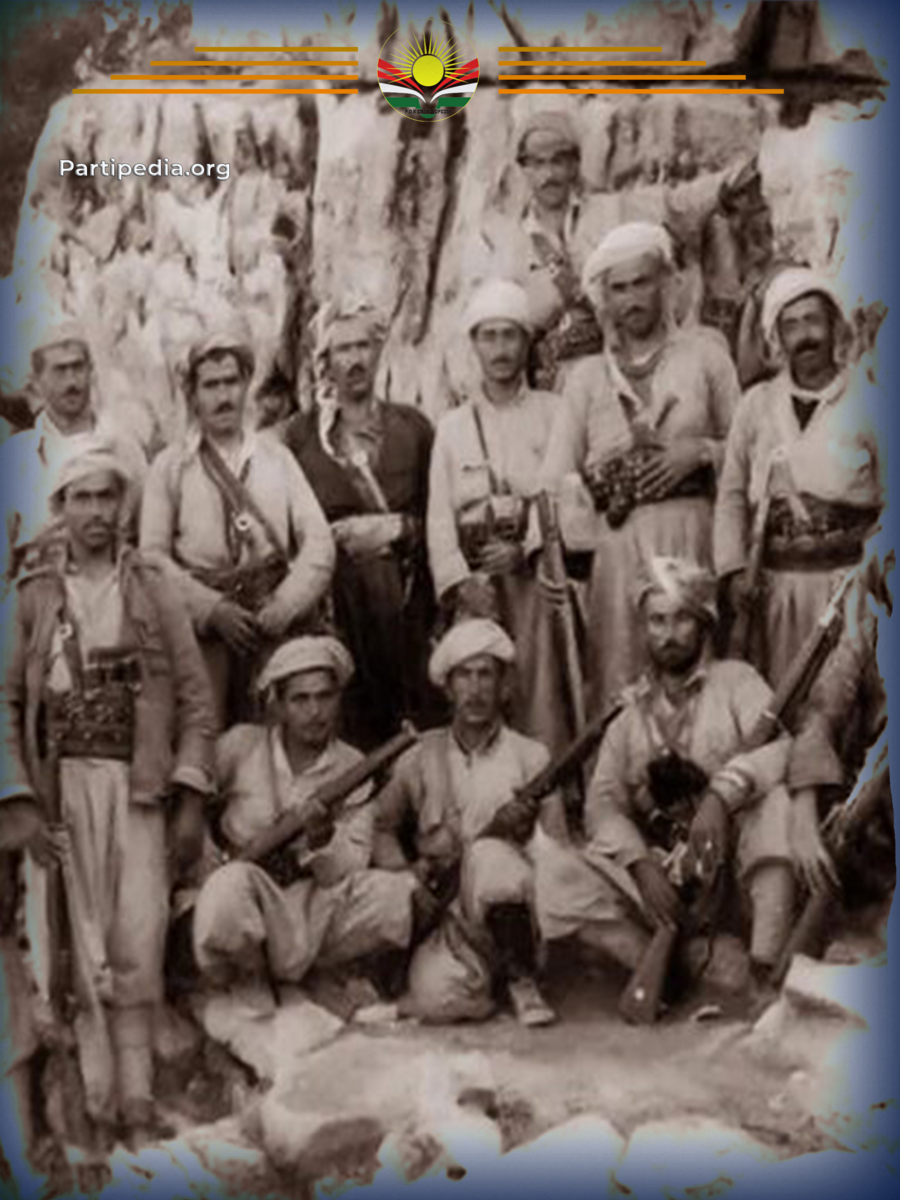
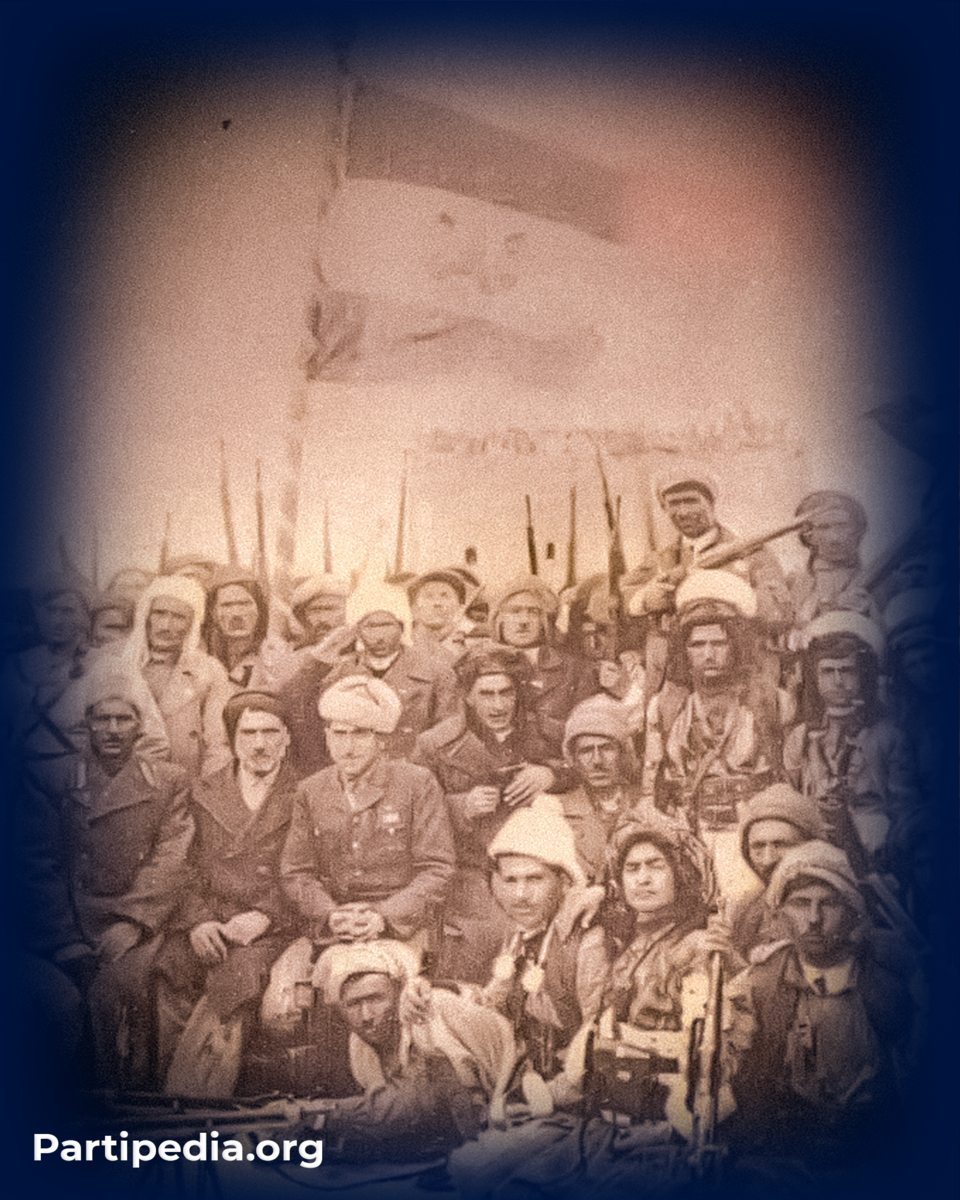
The Peshmerga forces of Kurdistan repelled the attack by the army and the Communist Party from three directions:
First axis: The Peshmerga forces turned on the Iraqi army and besieged it in the village of Bawkhushin.
Second axis: The Peshmerga forces confronted the government forces in the village of Golan.
Third axis: The Peshmerga fortified themselves and established their positions under the leadership of Corporal Bakr Muhi al-Din in the village of Bani Khaylan and Mount Golan. After the government forces arrived at the places where the Peshmerga forces were on alert, a bloody battle broke out between the two sides, as the Peshmerga forces confronted them and stopped the advance of the attacking forces, inflicting heavy losses on them and forcing them to retreat to the Darbandikhan military base from which they had set out.
The Iraqi army did not stop there. On April 22, it resumed its offensive from the Darbandikhan military base, this time attacking Peshmerga positions in the same location from three directions. The army clashed with the Peshmerga forces, and another bloody battle ensued. This time, the Peshmerga's strong defenses repelled the attacks of the Ba'athists and their armed communist allies, who met the same fate as before. The battle resulted in the martyrdom of four Kurdish Peshmerga fighters.
Sources:
1- Khishoy Ali Kani Linji, Peruvian Aziz Qazi Surchi, Shabi Yakim, (Daneshfar-Holler-2023).
2- Masoud Barzani, Barzani and his wife, Ezgari Khawazi Kurd, Barzani, in the name of God, September 1961-1975, etc., (Holler-2004).
3- Karwan Jawhar Muhammad, Idris Barzani 1944-1987, Jian and Sarbazian politician, Layla Bozotni and Ezgari Khwazi Kordda, (Havi Khan - Howler - 2019).
4- My name is Karim, the name of God is the most important thing, (Chakhani Khabat - Dehjak - 1999).