


Shishar is a high and strategic mountain in the Betwata region, close to Mount Makuk and the Surujawa district. The mountain, with its steep slopes and height, made it a location from which any military force could extend its control over the entire region and oversee the Surujawa-Balisan road.
After the Iraqi army failed to advance in the Kyresh, Makok, and Huri mountains, it planned in mid-September 1974 to seize Mount Shishar in order to control the entire region. Its objectives were to: tighten the noose around the Peshmerga positions and fortifications, especially by besieging one side of the Huri forces present in the area. Since the Peshmerga forces could not move between Mounts Shishar and Makok, the Iraqi army increased its pressure on the Peshmerga forces between the areas of Bitwata and Balisan, and the range of the Iraqi army's artillery became longer than before.
The commander of the Peshmerga's Second Army, Rashid Sindi, issued an order for the forces of Safin, the Erbil Plain, and Bitwata to reinforce their defensive lines in the Balisan Valley, and for a section of the Erbil Plain forces to coordinate and cooperate with the Kawa force in Peshdar.
The Iraqi Army’s Second Division was fully prepared with its military formations, including a tank battalion, the (16) armored brigade, the air force, and mercenary fighters (Jash), to attack Mount Shishar.
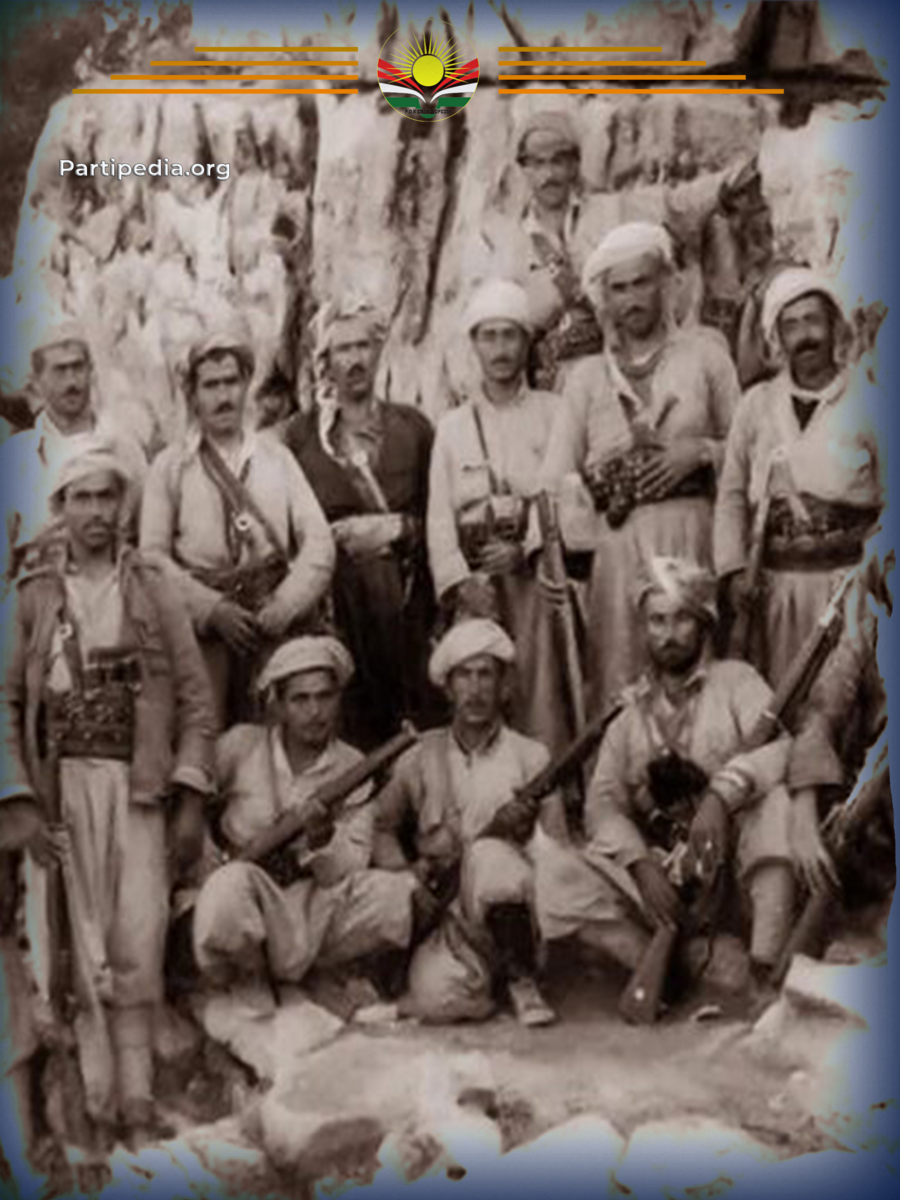
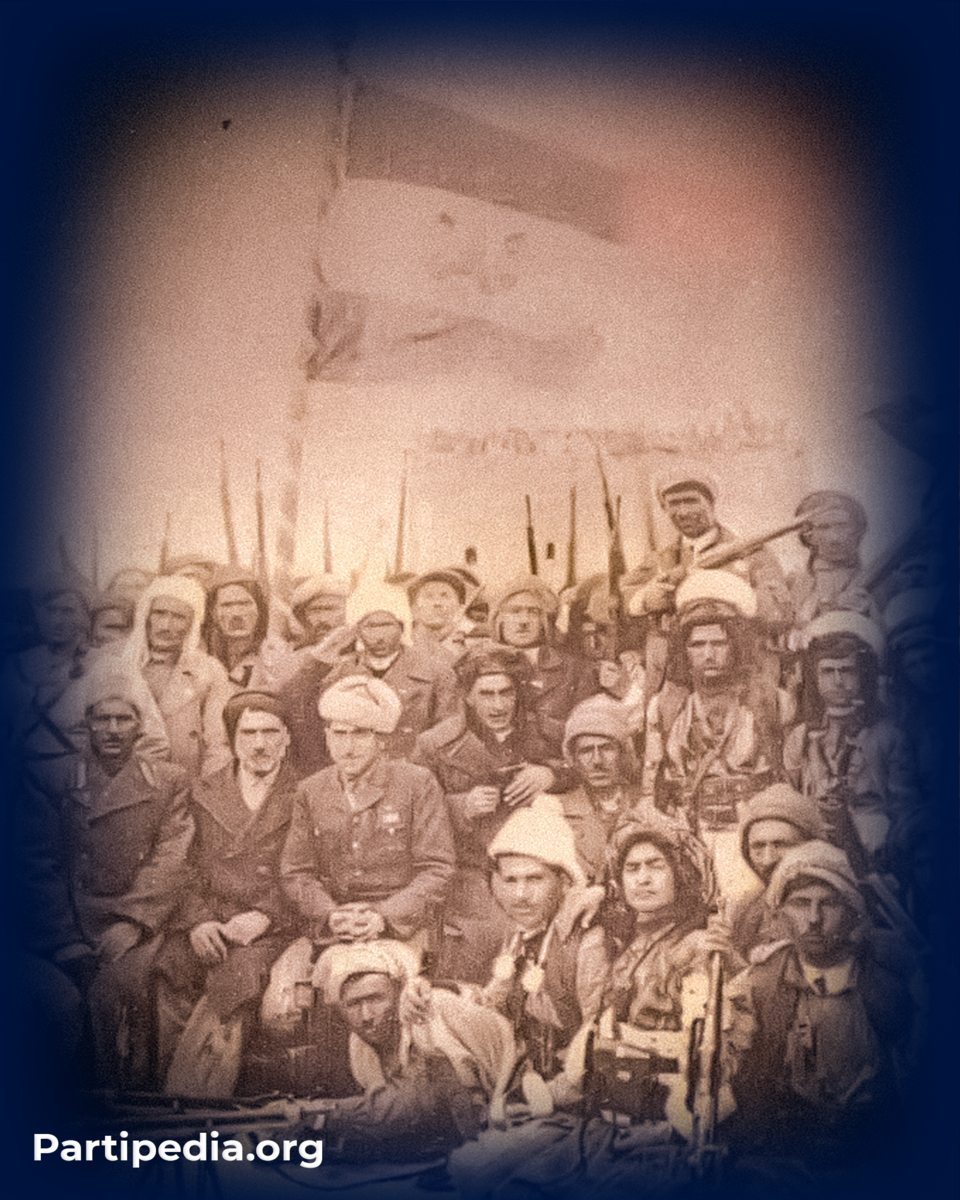
The Peshmerga forces entrenched in the defensive trenches consisted of the 3rd Regiment of the Safin Forces, led by Mohammed Saber, commander of the 1st Company, Omar Sultan, commander of the 2nd Company, and Sadiq Mohammed Amin, commander of the 3rd Company.
The Iraqi army's attack began with heavy shelling of Peshmerga trenches and positions, the aim of which was to paralyze the Peshmerga's resistance and lower their morale so that its soldiers could easily ascend the mountain.
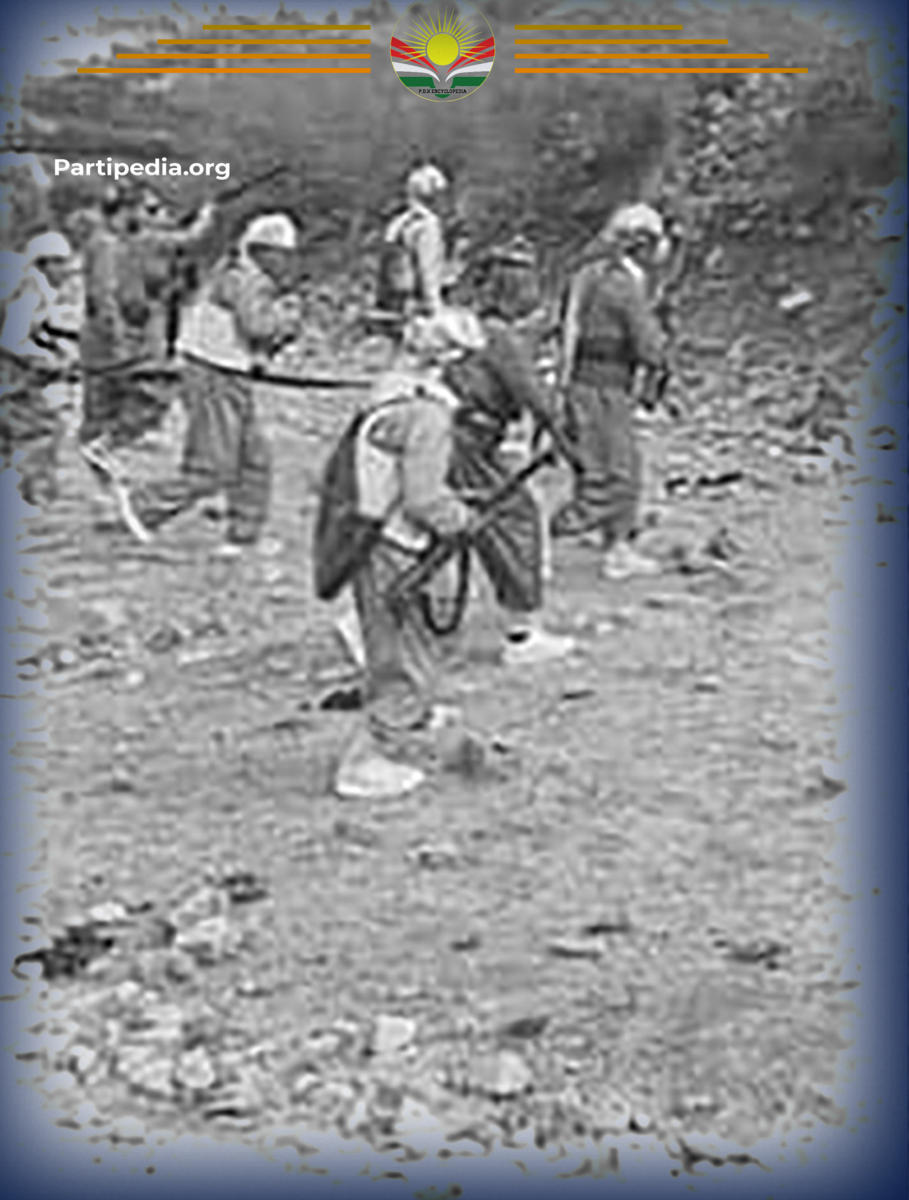
After the bombing stopped, the army infantry force raided the Peshmerga trenches and positions. The Peshmerga forces were lying in wait for them and fortified themselves in their defensive positions. When the force approached the Peshmerga positions, the heroic Peshmerga confronted them and were able to repel the army’s attack. This led to the killing of many of them, and the attacking soldiers fled, leaving behind the bodies of their dead. Three Peshmerga were martyred and a number of others were wounded as a result of the Iraqi army’s heavy bombing.
The Iraqi army continued to bombard the Peshmerga forces during that period, but was unable to take control of the mountain until then. September Revolution In 1975, after the Iraqi army failed to capture Mount Shishar at the end of September, it changed the direction of its attacks, launching a series of assaults on the Dola Raqqa area. This was intended to relieve pressure on its forces on the Rawanduz front, transfer some Peshmerga troops from Rawanduz to the Bitwata area, and reduce the Peshmerga pressure on the main battlefront, allowing its forces to begin their advance from there. However, the forces of Safin, the Erbil Plain, Bitwata, and the 4th Zozk Regiment resisted the army, halting its advance and ultimately thwarting its attack.
Serchaowekan:
-
Masoud Barzani: Barzani and Bezotna, and he is the best man in the world. SHORSHEY EYLOOL 1961-1975, 2004.
-
Sahnagher Ibrahim Khishnaw: What is the best way to do this? 1970-1975.
-
Khushid Shira: Khabat and Khoyin, Peruvian Sakani Peshmergayti, Chapkhani Haji Hashem, Foreign Ministry, Holler - 2015.
-
Sayed Kaka: Peri-Peshmergay, Chapkhani Ministry of Foreign Affairs, Japan, Holler- 1997.