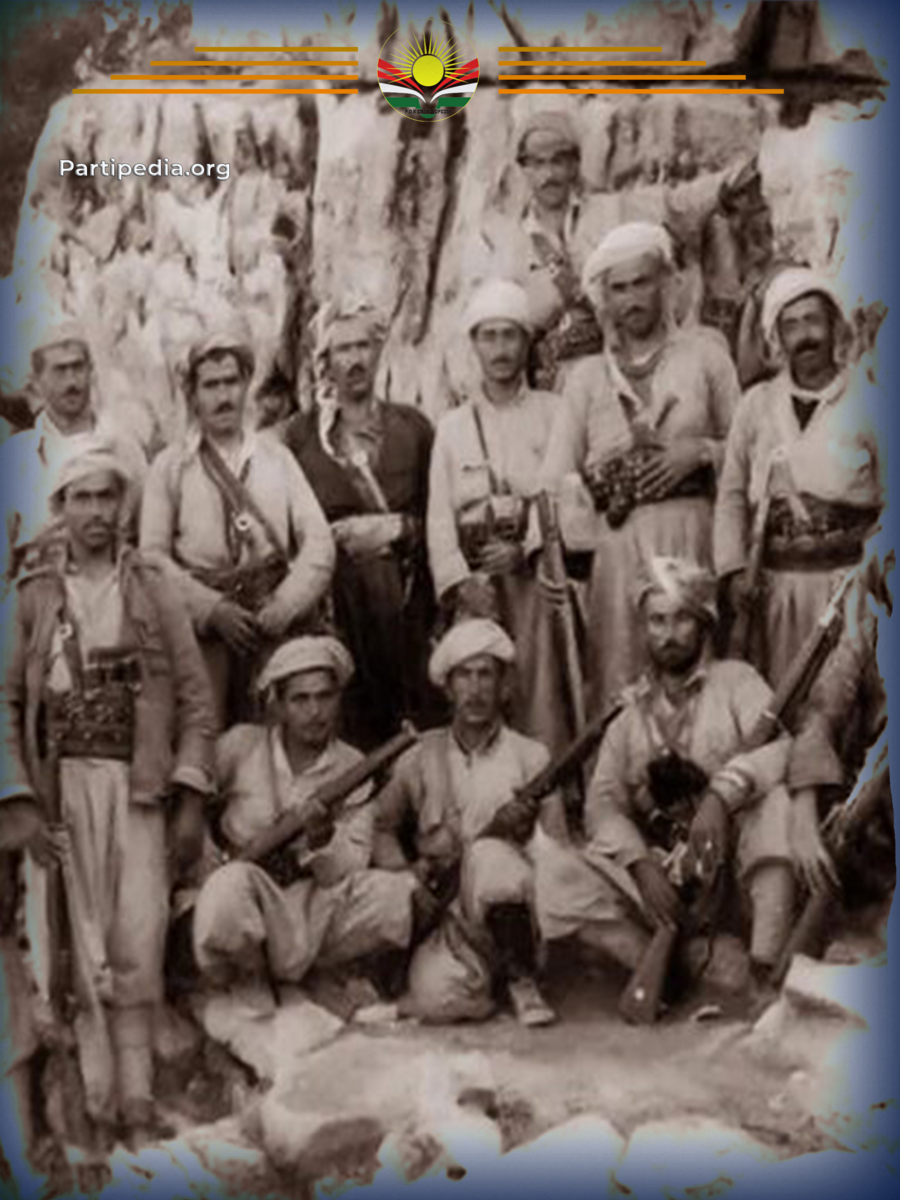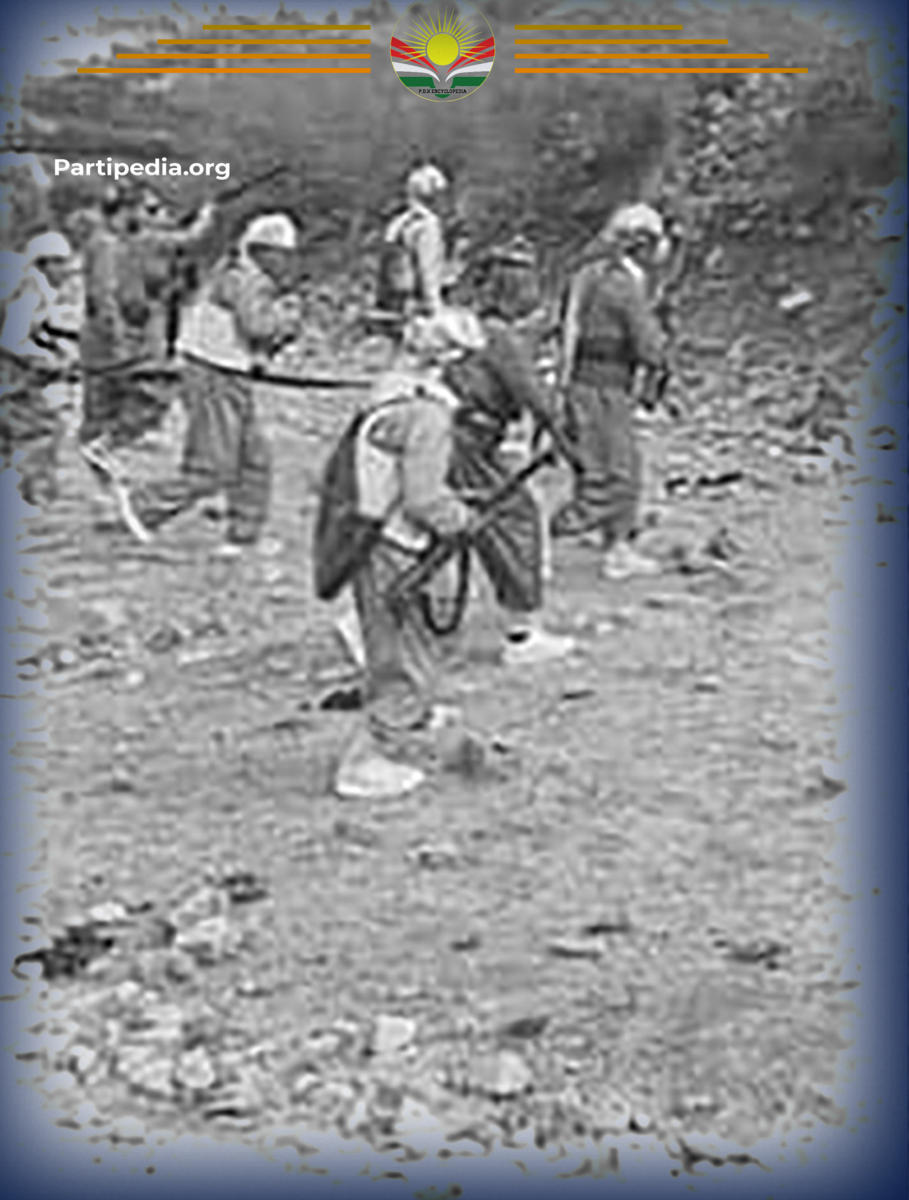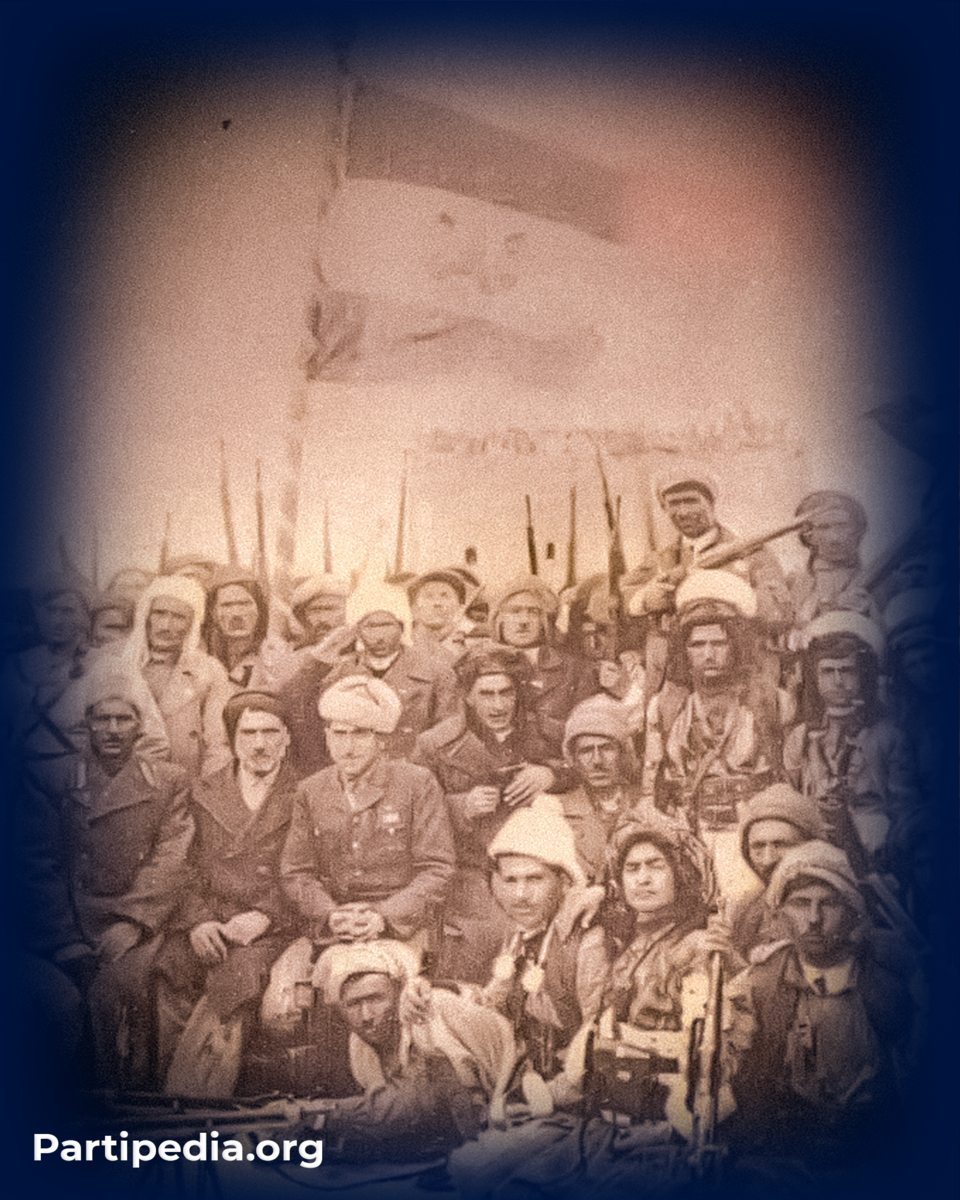


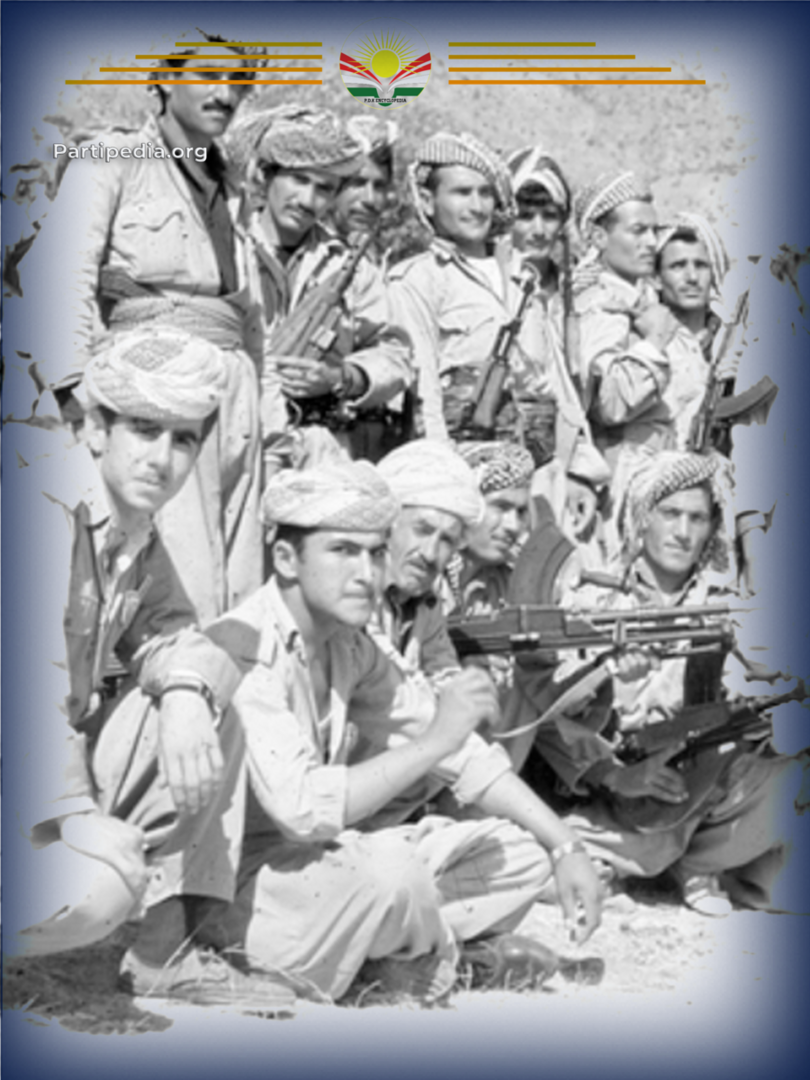
Before the war resumed, the Iraqi government abolished the border guard system, which had been part of the March 11, 1970 forces, and replaced it with armed tribes. During this period, there was an Iraqi army camp in Zakho. The Iraqi government reneged on the terms of the March 11 agreement and imposed war once again on the Kurds. It began shelling Kurdish cities and towns and launching military attacks on areas under the control of the revolution. The Iraqi army camp in Zakho was besieged by Peshmerga forces led by Issa Swar, which numbered approximately one thousand soldiers.
On March 26, 1974, the Iraqi Army's 4th Division, commanded by Brigadier General Abdul-Jabbar al-Asadi, advanced towards Zakho from Mosul and continued shelling the city until April 30, 1974. In addition to Zakho, on April 25, 1974, the Iraqi Army attacked and shelled the city of Dohuk in the Badinan region. Not content with this, at the beginning of the war, the Iraqi Ministry of Defense decided to re-establish regiments of mercenaries directly linked to the army command. Each regiment was assigned an officer as its commander, and the head of the mercenaries served as the officer's advisor. These mercenaries numbered 6,000, drawn from the Surjiya, Herkiya, Zebari, Bradostiya, and Khoshnaw tribes, among others.
The Iraqi army’s objective was to break the Peshmerga base siege on the aforementioned camp and take control of the city with the support of tanks, artillery, armored vehicles and helicopters. Initially, there was no obstacle to the army’s advance until it reached the vicinity of the city, but at the gate of Zakho, the Peshmerga forces confronted it and resisted valiantly to prevent the army’s advance, and it was ultimately defeated.
Despite the Peshmerga forces being well positioned and shelling the besieged camp, the Peshmerga forces were unable to stop the Iraqi army for more than a few weeks due to the huge number of soldiers and advanced heavy weapons such as tanks and heavy armored vehicles. After many soldiers were killed and wounded and tanks and military equipment were destroyed, the army was able to break the siege imposed on the camp and finally take control of the city of Zakho on the first day of May.
The Iraqi army opened fire on civilians in the city, resulting in the deaths of 63 citizens and injuries to 150 others. After the army entered Zakho, the Peshmerga forces withdrew to the surrounding villages and established their headquarters in the Harina Valley in the village of Armshi, forming another defensive line to prevent the army's advance and attacks. Before the Iraqi army launched a large-scale offensive on Dohuk, the Peshmerga forces advanced towards the Dohuk Valley and Mount Kili Shadayi, but failed to make any progress and their attack was repelled.
Sources:
1- This is Masoud Sarni, Shuresha Eiloni of Devera Behadinan 1961-1975, Today, 2018.
2- Sahangir Ebrahim Khishnaw, “Woodawah Sahrbazyh Kani Shih Yilul” 1970-1975, “Chapi Yehikhem”, (Henoler - 2022).
3- Karwan Jawhar Muhammad, Idris Barzani 1944-1987, Jian and Sarbazy’s political leader, the Ezgari Khwazi Kurdada, (Chanafian Hevi - Holler - 2019).
4- Shawkat Mela Ismail Hossein, The Ministry of Foreign Affairs - Holer - 2007.