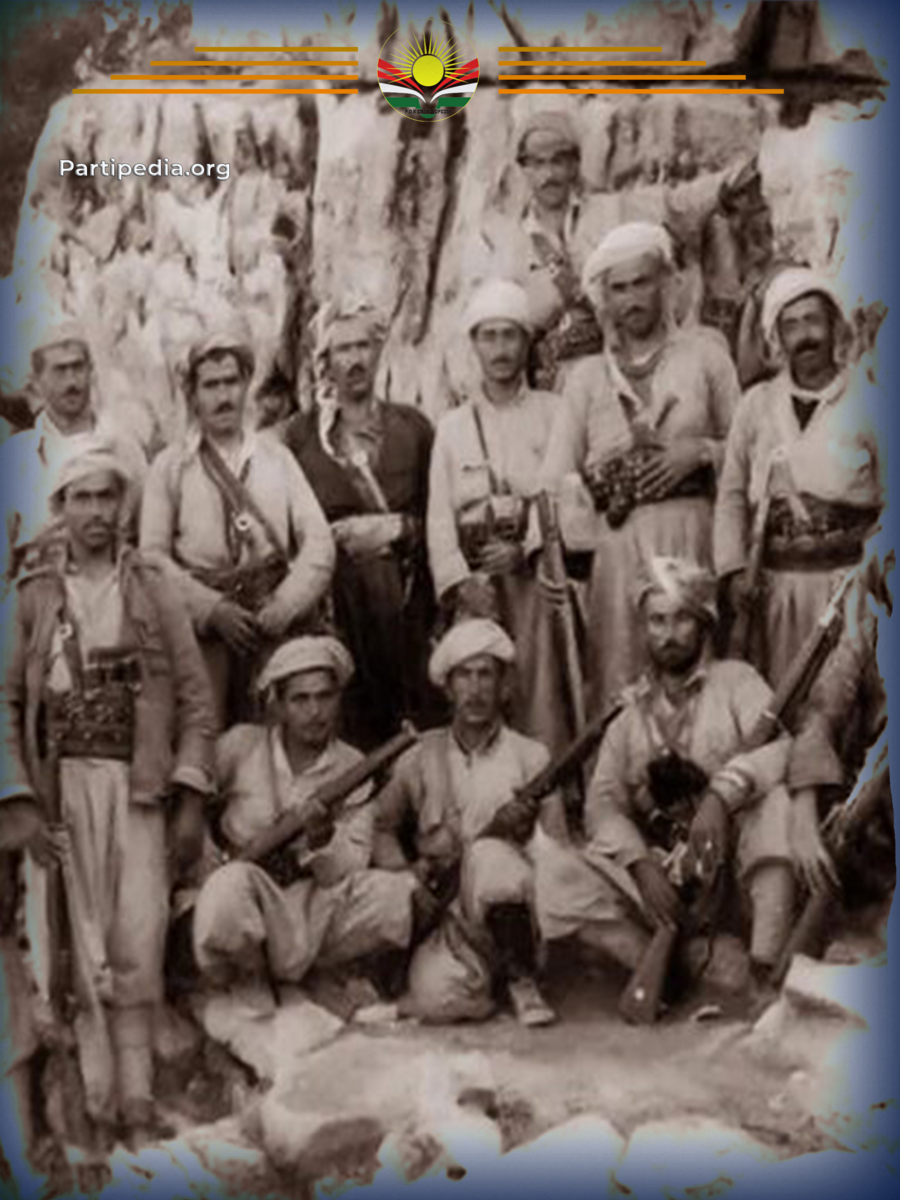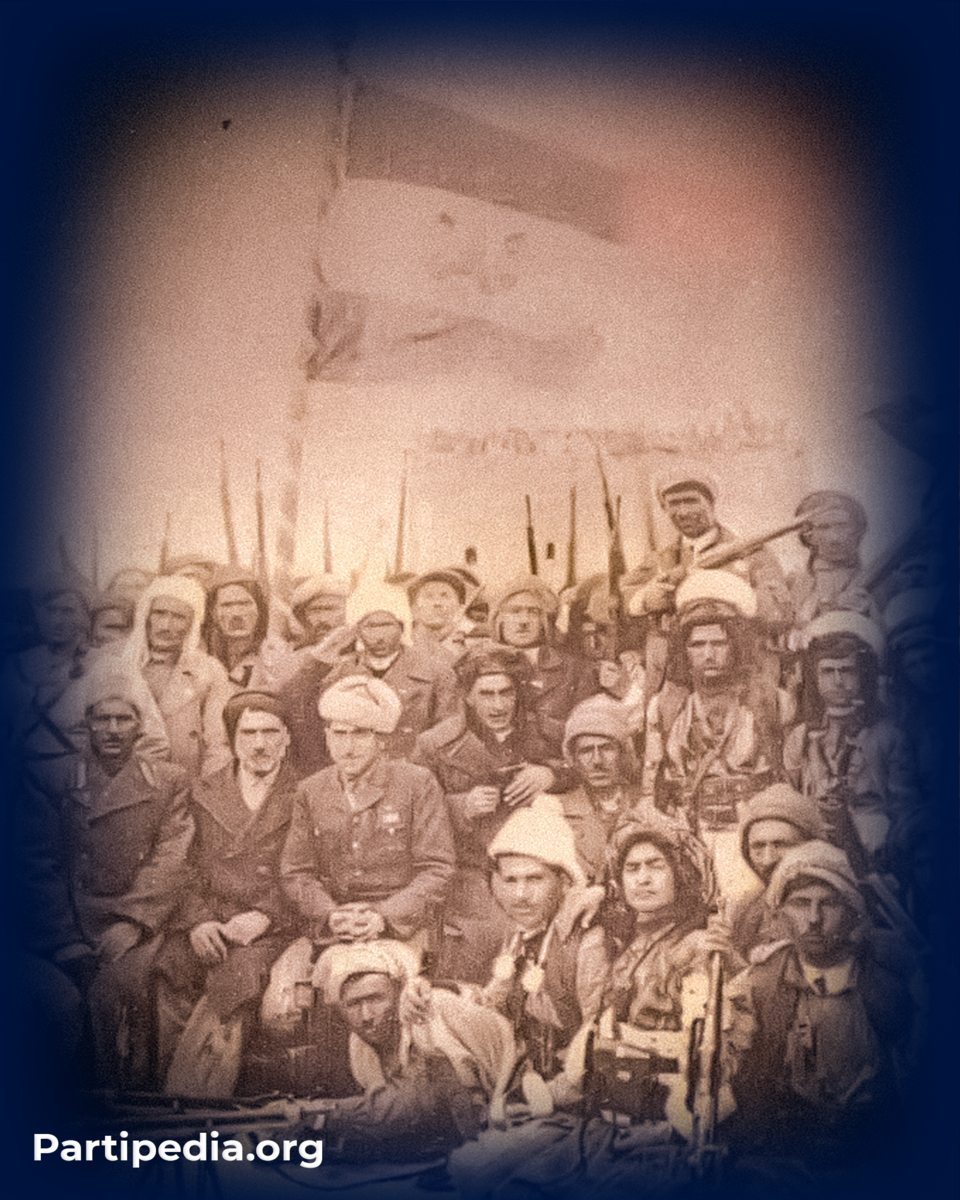


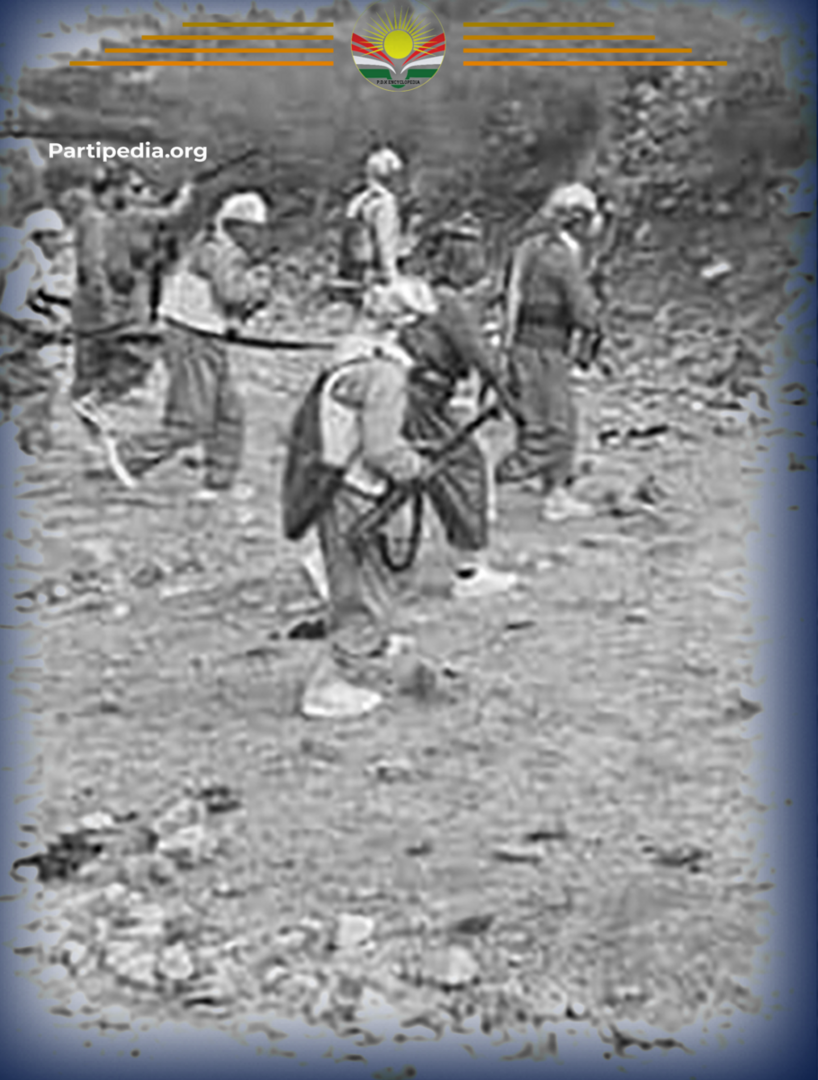
The Battle of Rawanduz broke out on September 8, 1974. It was one of the most difficult battles, aimed at controlling the positions of the Peshmerga forces in the Rawanduz region. The Iraqi army launched a large-scale attack from two fronts on Rawanduz, one from the front of Mount Gorz towards the village of Balkian, and the other from Korek towards Bekhal. This attack continued for a long time, and all kinds of plans were used to seize the targets.
On September 8, 1974, the Iraqi army, under the command of Major General Ismail Tayeh al-Nuaimi, launched a massive offensive. The attack was carried out from two separate fronts, one from Mount Korek and the other from Mount Gurz. Initially, both attacks were repelled by the Peshmerga forces, and the Iraqi army suffered heavy losses. In that defensive battle, the Peshmerga played a crucial role. Revolutionary Artillery Led by Hali Dolamri, the army played a major role in breaking the army's attack. These attacks continued until September 19 of the same year, and the Iraqi army did not achieve any gains until that day. In the first attack on the Peshmerga forces, the Iraqi army suffered heavy losses, leaving more than 400 bodies of their dead soldiers on the battlefield. This heroism was recorded with the blood of six Peshmerga martyrs.
The Iraqi government used a very strange plan to achieve success in those attacks. The plan was to attack from Mount Korek towards the city of Rawanduz. To this end, one of the Iraqi army commanders, Lieutenant Colonel Abdul Wahab, devised a well-thought-out plan. He removed all the rocks on the slope of Mount Korek with large bulldozers, so that the government's tanks and armored personnel carriers could attack from the summit of Mount Korek towards the target. This plan devised by the army never occurred to the Peshmerga, because it was an extremely difficult, arduous, and illogical task. This plan changed the balance of the war and forced the Peshmerga to retreat to the village of Barziwa, Mount Hendrin, Zozak, Omar Agha Gorge, and other places. This was a great victory for the army.
Another plan of the Iraqi government was to attack the Peshmerga forces in the Bitwata area. The goal of this attack was simply to send a Peshmerga force to the area, which would reduce the pressure on the Iraqi army in the Rawanduz area. This was a correct plan, because the Raqqa Valley and other parts of the area were captured. This made the pressure of the Iraqi army on the Peshmerga increase and launch an attack on Mount Rawanduz. As a result of the Peshmerga forces’ defense, on September 23, a MiG-19 aircraft was shot down in the village of Barziwa by Dushka 14.5 fire, and the pilot, First Lieutenant Safaa Shallal, was captured.
In the end, the Iraqi army regained control of the Rawanduz Valley, and the war became limited to artillery and air bombardment of the areas under Peshmerga control. However, it was noted that the Iraqi army was constantly looking for an opportunity to attack the area, in order to completely remove it from Peshmerga control.
Source:
1- Archive of the Encyclopedia Authority of the Kurdistan Democratic Party