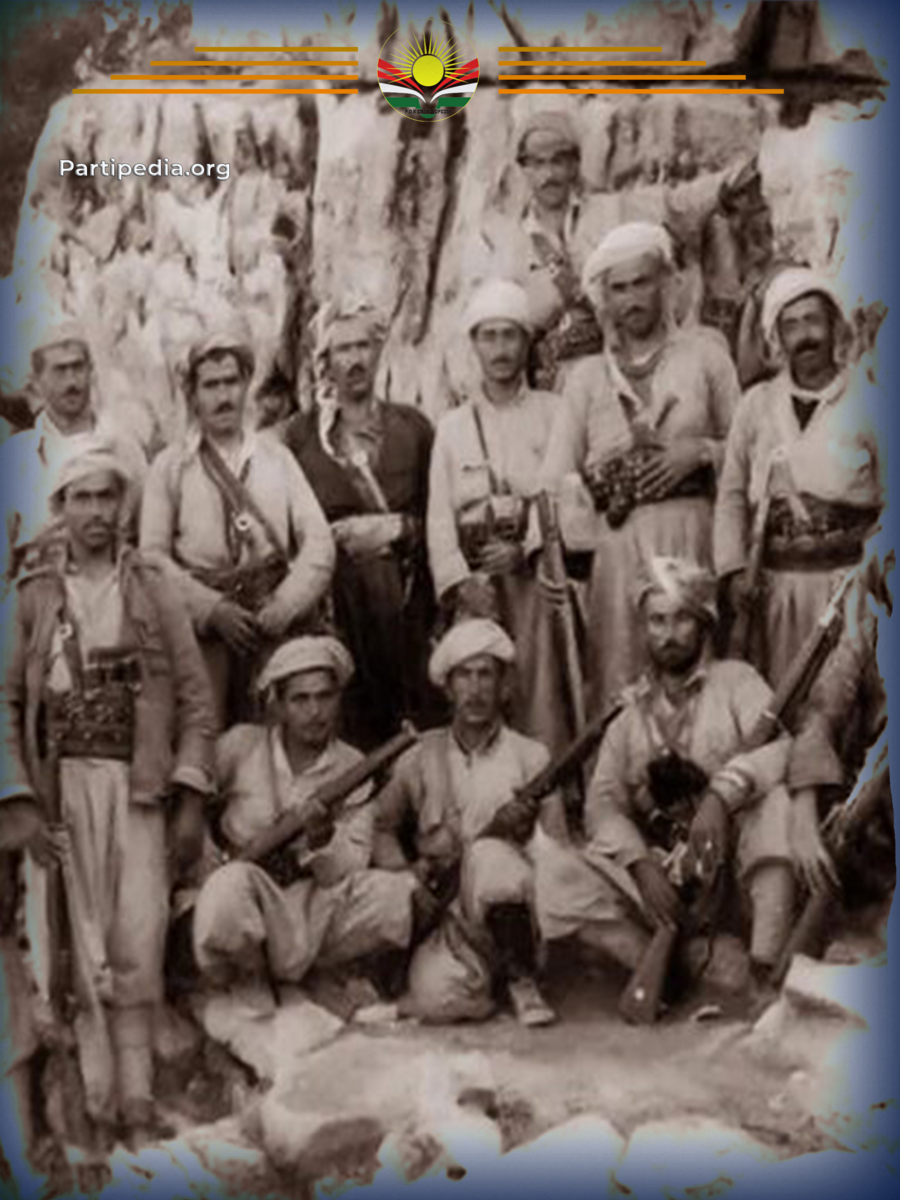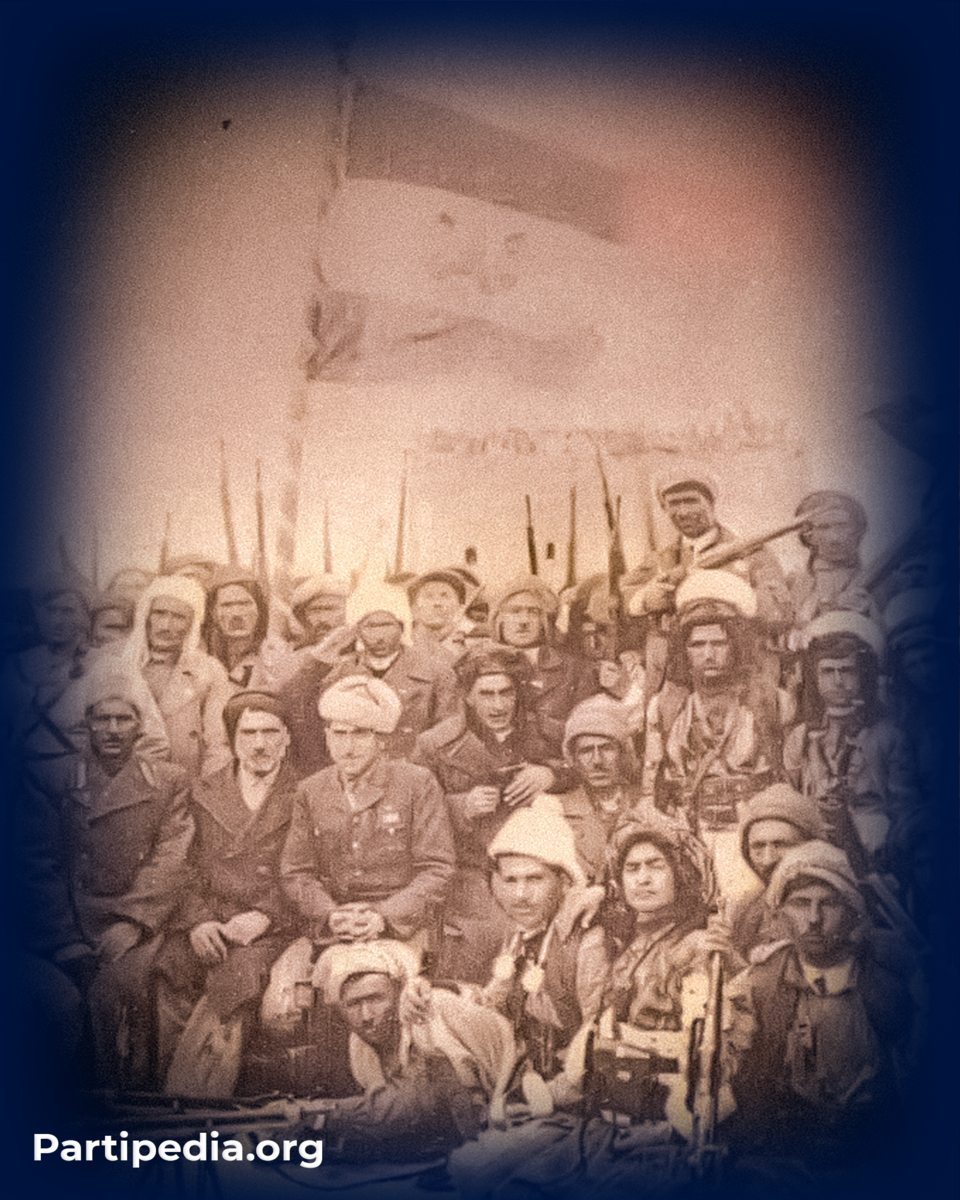


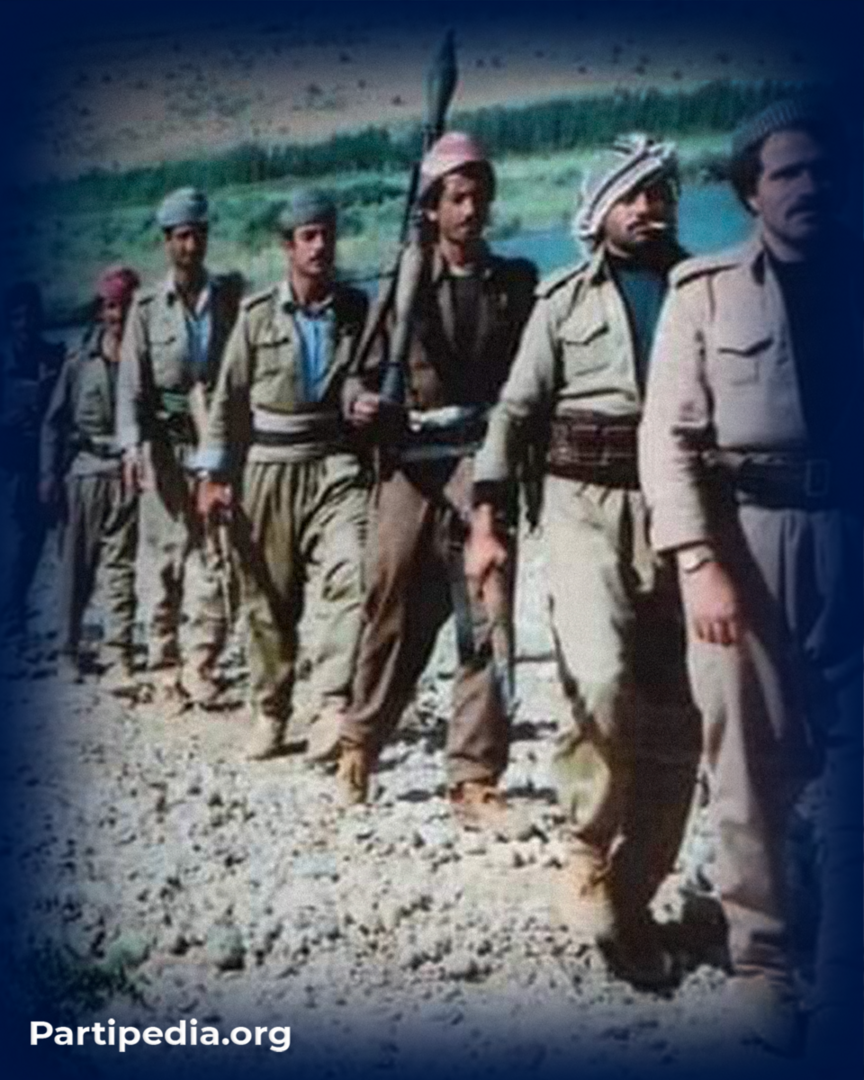
After the ninth conference of the Kurdistan Democratic Party in 1979, the Peshmerga organization was reorganized within the framework of local committees and organizations. Then, in order to expand activities and convey the voice of the revolution to all places, the Peshmerga were sent in groups to the Kurdistan regions. At the same conference, it was decided to continue the armed struggle in the form of guerrilla warfare.
The Martyr Shahyaz Saleh Organization was sent to the Barwari Bala region to carry out its activities in this region and revive the organizations. It is clear that part of the work of the organization and the local committee was to carry out Peshmerga activities, and this included raids on the bases and institutions of the Baathist regime. Within the framework of this mission related to Peshmerga activity, the organization reorganized its ranks and planned to carry out its activity, which was summarized in raiding a military base of the Baathist regime in the region. In order to carry out this plan, they identified the hills of Geri Isfka, opposite the village of Kara Kohi in the Barwari Bala region, to strike the government forces and inform them of the strength of the Kurdistan revolution and endanger their interests.
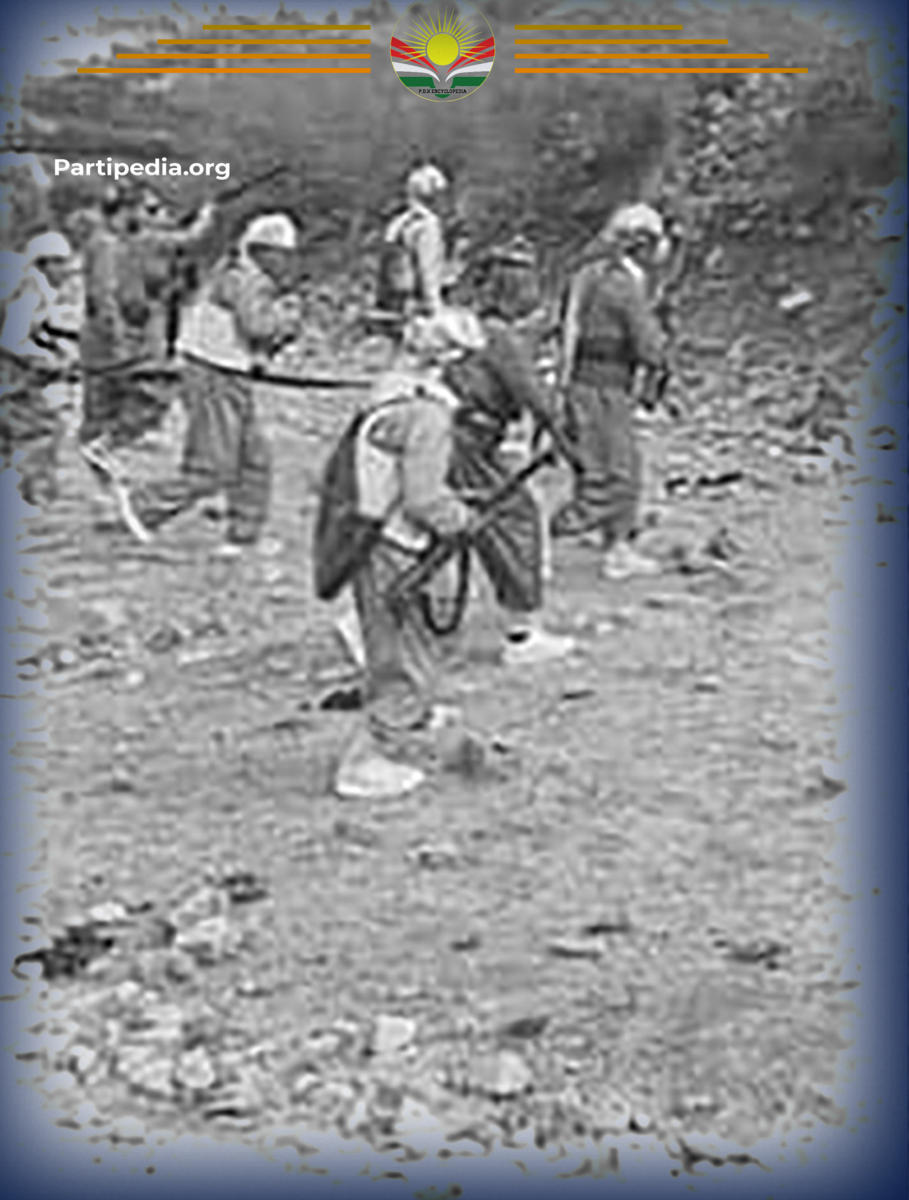
One night in November 1981, after the Peshmerga forces of the aforementioned organization had gathered all the necessary information, it was time to execute their plan. The force consisted of 20 Peshmerga fighters, whose main weapons were a single RPG rocket and a 57mm cannon positioned at the rear as a support force to protect and distract the nearby outposts until the operation was successfully completed. Once preparations were complete, the Peshmerga forces approached the outposts with a well-devised plan and attacked them. They created chaos using RPGs and small arms, and quickly captured them. The operation resulted in the deaths of several soldiers and the capture of all the weapons and military equipment there, including 9 small arms, 10 ammunition boxes, a 60mm mortar shell, a large quantity of hand grenades, and other military equipment.
After the Peshmerga forces carried out their plan and did what was important, they gathered and withdrew. However, when the government learned of the incident, it, as usual, bombed the area and the road leading to the liberated areas. But the Peshmerga escaped unharmed. A day after the capture of the aforementioned outposts, and to continue the operations, the Peshmerga forces attacked the Jaqla military regiment and the outposts surrounding it with long-range weapons such as DShK machine guns and mortars. They bombed the military positions for a short period and inflicted heavy losses on the enemy forces, resulting in the death and injury of a number of Baathist regime soldiers.
Sources:
1- Mahsoud Barzani, Barzani and Ezgari Khwazi Kord, Barzani and Bezotna, 1975-1990 Shoreshi Golan, Bahshi Dovim, Shabi Yahkim, (Chaphaneh Oksana - 2021).
2- Muhammad Murad, “Khabata Chiya Berhatna wa Sīrhatīn Shisha Govanya Danabar Sa5in” (1976-1989), (Chapkhahana Kurdistan - Zakh - 2007).
3- Kurdistan Democratic Party, Kurdistan Democratic Party - Kurdistan and France (Kurdistan and Kurdistan) Naokh, may God bless you, may God protect you, (Chap Khany 2021).