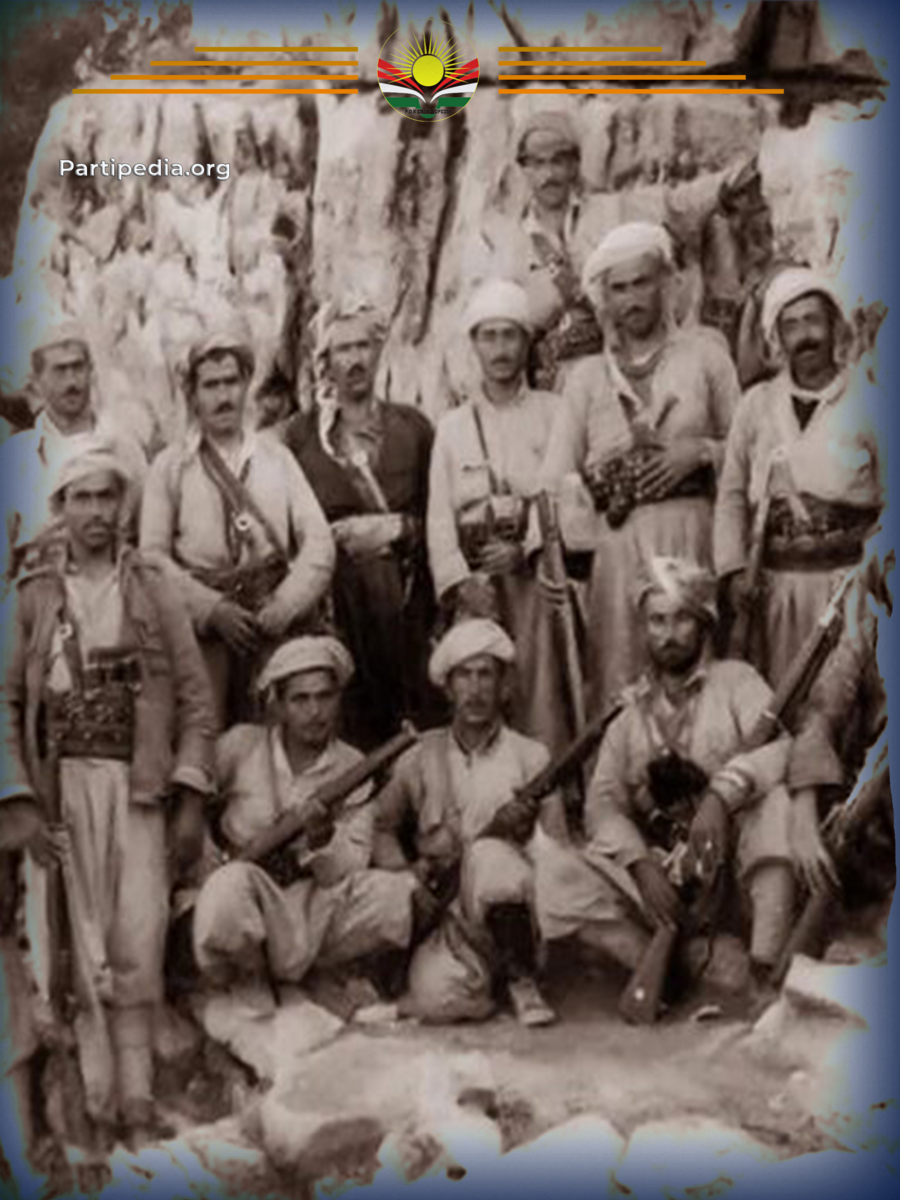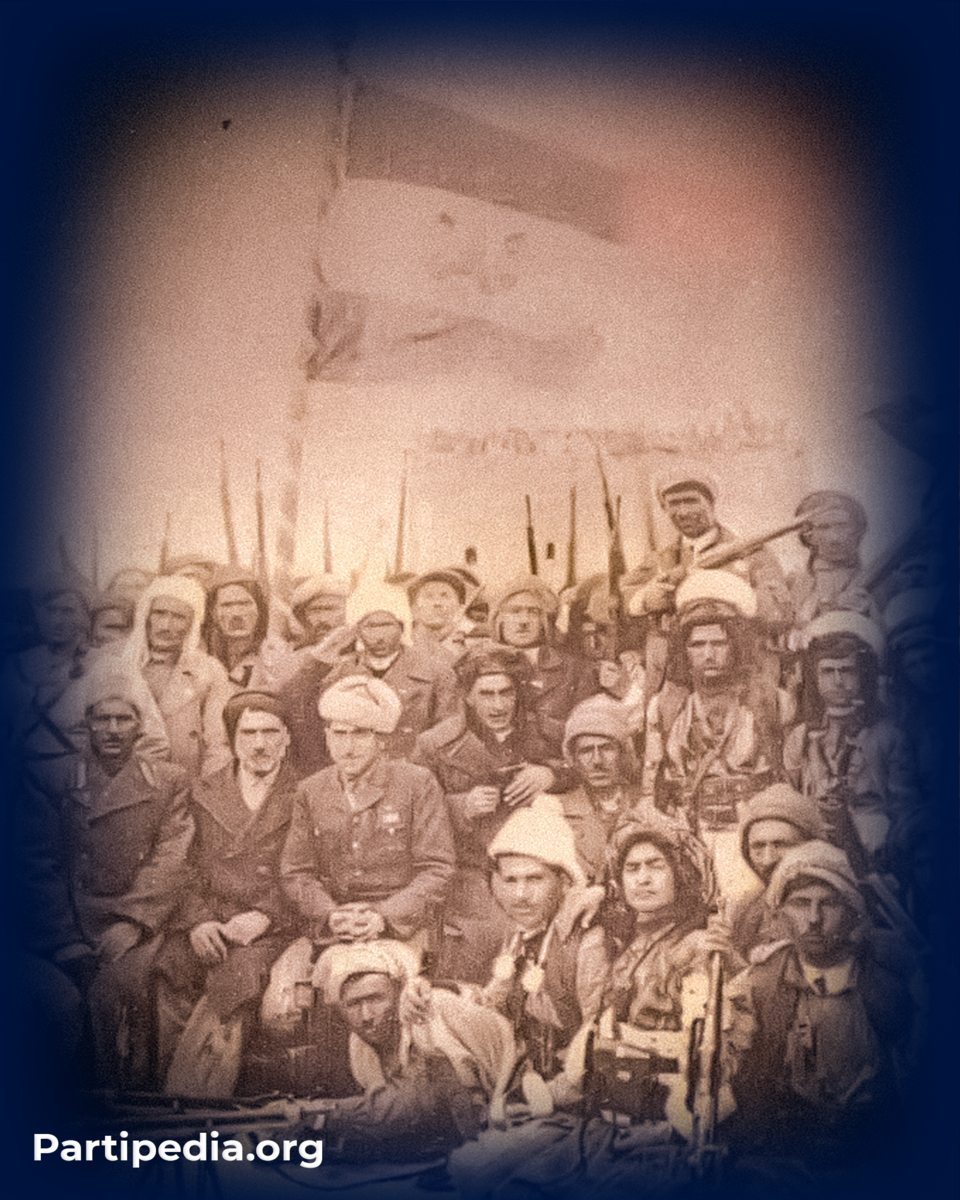


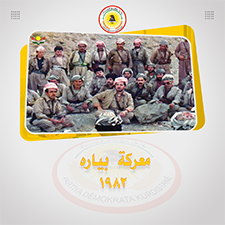
The activities of the Peshmerga forces were increasing, and the Peshmerga command maintained a constant presence in villages and even, at times, within cities and towns. The purpose of these movements was often to carry out Peshmerga operations, and at other times to monitor and strengthen urban organizations, which harassed the enemy on both sides by inflicting human and material losses on the army and government forces.[1].
In January 1982, the Kurdistan Peshmerga forces, led by Nader Hawrami, launched a large-scale attack on the bases and positions of the Iraqi army in the Biara and Sharam area. The battle lasted for several days due to the vastness of the area, and inflicted serious damage on the government forces, causing several deaths and injuries among the enemy ranks.
Additionally, 45 soldiers were captured by the Peshmerga, along with several other gains in that battle, including weapons, ammunition, and military equipment. The Peshmerga suffered four martyrs in carrying out this operation: Suleiman Al-Shamirani, Majnoon Hawrami, Hassan Shermari, and Omar Barakhas, with a number of other Peshmerga wounded.[2].
The war between Iran and Iraq was ongoing at that time, beginning on September 22, 1981, and lasting for eight years; therefore, it is known as the Eight-Year War.[3] Most of the border between the two countries runs through Kurdistan, so the border areas have become a battleground and a site of attacks by both sides.
The areas of Biara and Tawila were among those affected by the battle, and the Peshmerga forces participated in the battles. As a result, a large area of the region fell into the hands of the Peshmerga forces. In one instance, the Iranian forces withdrew from the region by a decision from Tehran, which was a surprise to the Peshmerga and the leadership of the revolution after they had taken control of the region, as they suddenly decided to withdraw, according to the evidence, as if Iran did not want to be a cause of arousing the feelings of the Arabs.
During that period, the Ba'athist government destroyed the Shirwan Mazin area and transferred the population to the areas surrounding Erbil.[4]This move by the government had two dimensions: the first was a reaction to the Peshmerga’s participation in attacks on border areas, and the second was the Iraqi government’s fears that the region’s residents would cooperate with the Peshmerga forces in controlling the region, as they did in Biara. .
Sources:
1- Mahsoud Barzani: Barzani and his wife Zagharikhwazi Kord, Barghi Chovarham, 1975-1990 Shoreshi Golan, Bahshi Douhham, Shabi Yahkihm, Chap Khaneh Koksana, 2021.
2- Haji Mirkhan Dilhamehri: The Book of Nehmarida, Bahriji Douham, Chapi Douham, Kurdistan - 2021, no. 244.
3- Nouri Hammah Ali: He has no names, no names, no names, no names, no money, no no less, no no less no less. Čabi Doohim, Höller - 2016.
[1] Nouri Hamma Ali: What is the best way to do that? Čabi Duohm, Höller - 2016, for68.
[2] Mahsoud Barzani: Barzani and his wife, Ezgari Khwazi Kurd, the best of their consultations, 1975-1990 Shirshi Gohan, Bahshi Douham, Shapi Yahkam, Chapkhana, Oksana, 2021, for59.
[3] Haji Mirkhan Dillah Mahri: A place in Nemerida, Bargi Douham, Chapi Douham, Kurdistan - 2021, for244
[4] Mahsoud Barzani: Hehman Saharchavah, for59.