

the biography
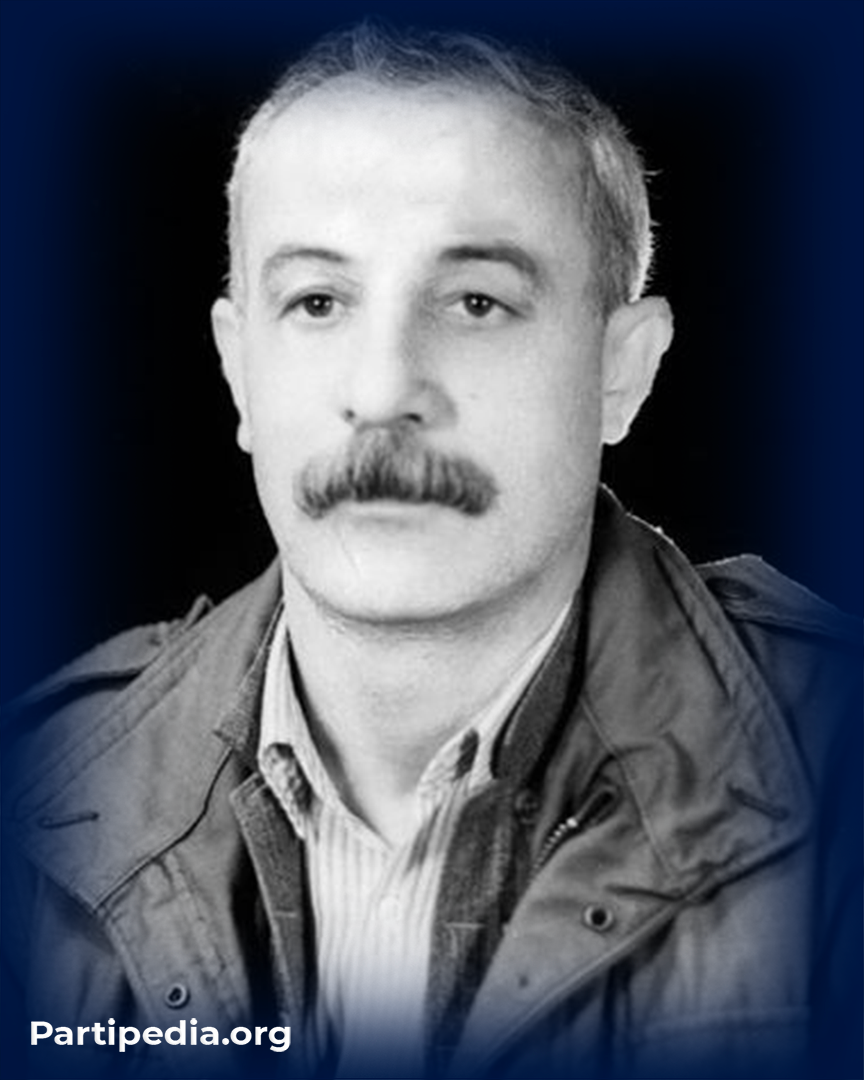
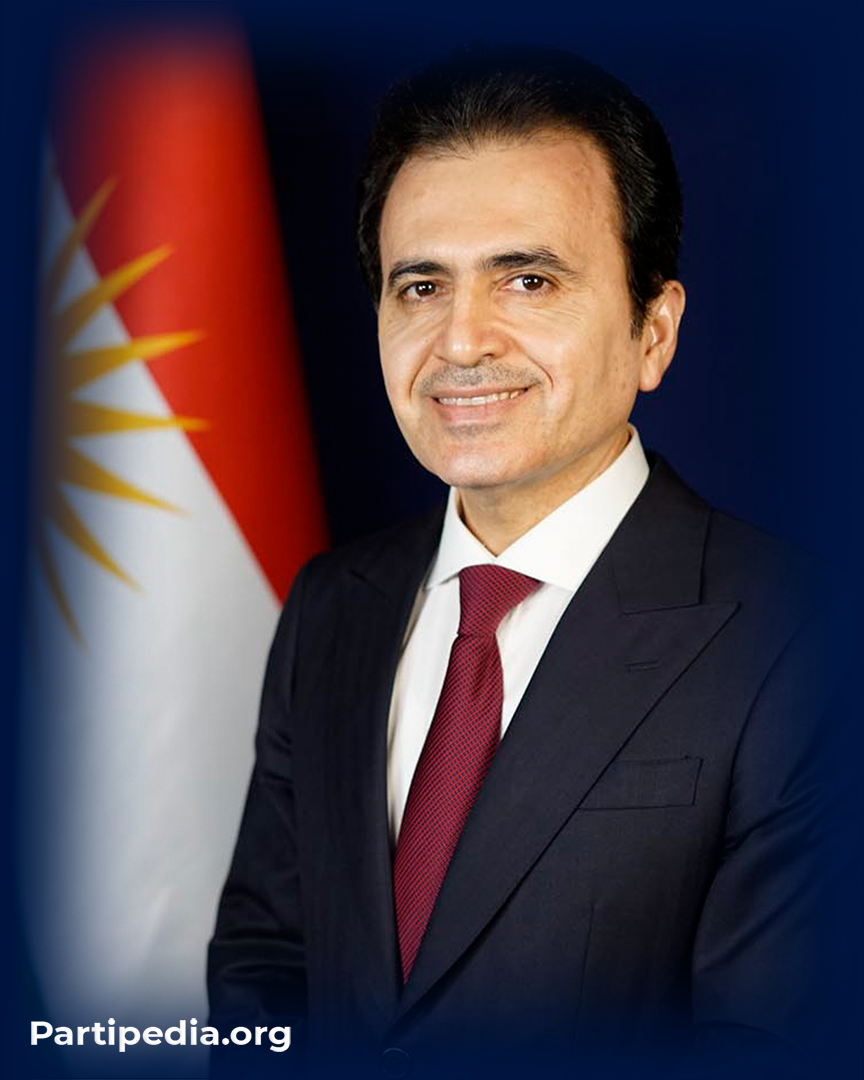
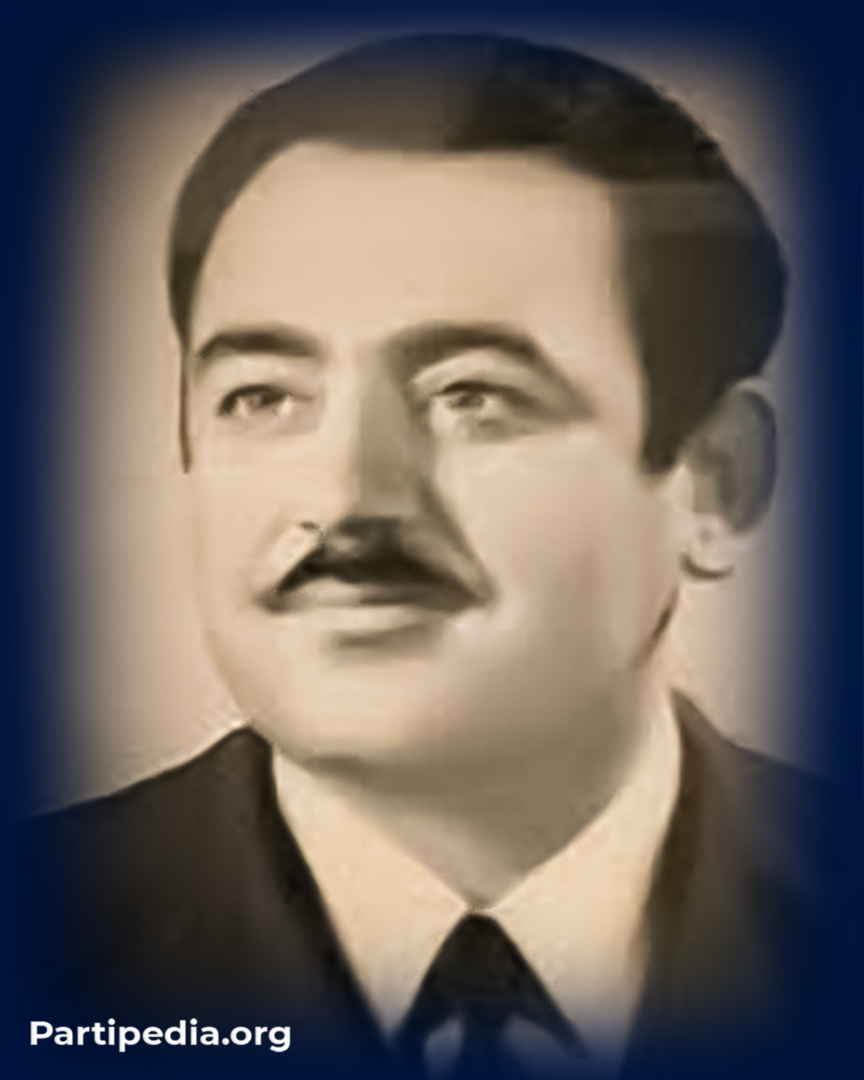
Ali Abdullah Ali, known as Ali Koresh and Ali Hejar, was born in Erbil in 1942. He completed his primary and intermediate education in Erbil. In 1957, he was accepted into the Erbil Primary Teachers' Training College, from which he graduated in 1962. He was a member of the founding committee of the Kurdistan Teachers' Union in 1962, and in the same year, he was a delegate to the first conference of the Kurdistan Teachers' Union. In 1962, he became the head of the Erbil branch of the Kurdistan Teachers' Union and the head of the newspaper (Dengi Mamosta - Voice of the Teacher). In 1962, he took over the editorship of the magazine Rizhna.
He headed to the Iranian kingdom after the setback September Revolution In 1975, in mid-April, he participated in an expanded Warmi meeting aimed at continuing the struggle and sacrifice, but he returned to southern Kurdistan early and was exiled to Samawah in southern Iraq. He obtained a Bachelor of Laws degree from Al-Mustansiriya University in Baghdad.
He was arrested in 1983 by Saddam Hussein's intelligence service (1937-2006) on charges of affiliation with the Kurdistan Socialist Party and was severely tortured. He was executed in Kirkuk prison on November 24, 1983, and his body was hidden in an unknown location by the Iraqi government authorities. The second branch committee of the Kurdistan Democratic Party – Unified held a memorial symposium for him on Saturday, April 9, 1994. He was fluent in Kurdish, Arabic, and English.
pages of struggle
He joined the ranks of the Kurdistan Students Union in 1957, and in 1958, as a representative of the Kurdistan Students Union in Erbil, he received the leader. Mustafa Barzani(1903-1979), in 1962 he joined the ranks of the Kurdistan Peshmerga forces. In 1963 he became a member of the Erbil local committee affiliated with the second branch committee of the Kurdistan Democratic Party. He participated as a representative of the second branch committee in the Mayout meeting in 1964, but he did not support the political bureau faction and was not opposed to the leader. Mustafa Barzani In expressing his views, he was a delegate to the Sixth Congress of the Kurdistan Democratic Party in 1974, having participated in 1964 by order of the leader. Mustafa Barzani The delegation consisted of twelve people from Sixth Congress of the Kurdistan Democratic Party The negotiator went to the Political Bureau wing to participate in the conference, but the delegation failed in its mission due to the Political Bureau wing's insistence on not participating.
In December 1965, he was a member of the committee collecting donations from wealthy residents of Erbil for the Peshmerga forces. September Revolution He succeeded in that mission. On February 10, 1965, as the head of the Erbil Local Committee, Ismail Aziz Mustafa, known as Sheikh Aziz Mulla Aziz, the head of the second branch local committee, helped support the strike of the Erbil city workers in order to pressure the Iraqi government, which was reneging on implementing the June 1966 agreement. The strike ended successfully.
In 1965, he became the head of the local committee in Balak, affiliated with the second branch of the Kurdistan Democratic Party (KDP). He was a delegate to the second conference of the Kurdistan Teachers' Union in February 1966. In mid-1966, he was appointed by the KDP Central Committee to the preparatory committee for the seventh conference. Also in 1966, he was a delegate to the eighth KDP conference. In 1967, he became the head of the local committee for farmers in the Erbil Plain, affiliated with the second branch of the party. In 1968, he was a member of the editorial board of the magazine "Sefin," the mouthpiece of the second branch committee of the KDP. He participated in the battles of Pistaneh and Kani Bazara in Erbil Governorate in 1968. In 1970, he became an active member of the second branch of the party, within the twelfth group, during the leadership of Faris Hamad Bawa (1933-1995), known as Faris Bawa. In 1970, he was a member of the Erbil branch of the Kurdish Writers' Union. He was elected as an alternate member of the Central Committee. He was a delegate to the Kurdistan Democratic Party's eighth congress in 1970. He also served as a delegate to the third congress of the Kurdistan Teachers' Union in the village of Nawberdan, Erbil Governorate, on August 5, 1970. On September 21, 1970, he became a delegate to the first congress of the Union of Islamic Religious Scholars in Kurdistan, held in the Galala district of Erbil Governorate. In 1970, he was a founding member of the Erbil branch of the Kurdish Writers' Union.
In late 1970, he became an active member of the Second Branch of the party for the first time, serving as head of the Workers and Peasants Department within the Twelfth Team during the tenure of Faris Hamad Bawa. On May 1, 1971, he delivered the Second Branch Committee's address at the International Workers' Day celebration. On August 16, 1971, he participated as a representative of the Second Branch Committee in the 25th anniversary celebration of the founding of the Kurdistan Democratic Party (KDP) at the Erbil Municipality Hall. He was a delegate to the Fourth Conference of the Kurdistan Teachers' Union in Erbil on February 2, 1972. On Saturday, February 5, 1972, he delivered the Second Branch Committee's address at the conference for the Erbil branch elections of the Federation of Trade Unions. On Thursday, February 10, 1972, he was elected to the administrative body by delegates at the First Conference of the Erbil branch of the Kurdish Cultural Association. In early 1973, he was selected for the second time to serve on the Second Branch Committee during the tenure of Muhammad Qadir Ahmad (1934-2019), known as Muhammad Mulla Qadir. In 1973, he was an active member of the Third Branch Committee of the Kurdistan Democratic Party. On February 1, 1974, he was a delegate to the Kurdistan Teachers' Union conference in Sulaimaniyah.
In 1974, he delivered lectures on the curriculum and internal regulations of the Kurdistan Democratic Party (KDP) and its conferences at the sixth session of the KDP Cadre Training School in the village of Zenwi Sheikhi, Erbil Governorate. Also in 1974, he was responsible for the KDP's organizational office. On November 11, 1974, his movable and immovable assets were seized by the Revolutionary Court (the Ba'athist government). In 1975, he was a member of the founding body of the Corrective Movement. He supported joining the Patriotic Union of Kurdistan (PUK). In 1976, he became a member of the founding body of the Kurdistan Socialist Movement. The seizure of his movable and immovable assets was overturned by order of the Iraqi Revolutionary Command Council on February 14, 1978. On May 23, 1978, he met in Baghdad with Karim Husami, a member of the KDP's Political Bureau, to discuss cooperation and joint action. In 1978, he opposed fighting alongside the forces of the KDP's Provisional Command and encouraged [other actions]. Because his comrades defected from the Patriotic Union of Kurdistan.
The Patriotic Union of Kurdistan radio station mentioned him on March 21, 1979, the first day he began his activism, which led to him being monitored by Iraqi security institutions. He was arrested in Erbil on April 21, 1979, and tortured in prison. In 1981, he was elected as a member of the Central Committee of the Kurdistan Socialist Party by delegates of the (Unity Conference in the State of Two).
Sources:
-
Archive of the Encyclopedia Authority of the Kurdistan Democratic Party
-
He was born in 1963 - 1970. Political parodist, (Higher - Chapkhana, Zankchi, Sahahaddin - 2016), LL 157, 171, 186, 202, 256.
-
Ismail Tahania, Politicalist Party of Kurdistan. 2019g), LL 23-24, 27-28, 30, 34, 41, 45, 77, 79-80, 83-86, 314-315,
-
Habib Muhammad Karim, History of the Kurdistan Democratic Party - Iraq (at major stations) 1946-1993, (Dohuk - Khabat Press - 1998 AD), p. 91.
-
Khorshid Shireh, Khabaat and Khwan Berehuh Arianiyah Safani Khabati Bishma arghayeh, (Hajj Iranian Newspaper Hashim - 2015g), no. 208.
-
He is a noble man for you, his honor and his kindness are great, in the best way possible. Articles - 2019, no. 212.
-
Derrick Khawla Kani Kadirani of my party, he has a special opinion, (Holler - Year of Studies and Tuition of the Academy of Sciences) Party - Chap Khaneh - 2019, No. 54.
-
Zozan Saleh Al-Yousifi, Thoughts from My Memory, (Turkey - Kalkan Press - 2018 AD), pp. 494-495, 576.
-
Saeed Nakam, Berehuh Riyah Kani Sahaeed Nakam, (Hawler - B5Ukrawah Aras - Chakhaneh and Hazarati) Bohrodah - 2003g), no. 235.
-
Soham Abdoulakharim, a political figure with the Başwari of Kurdistan 1975 - 1991, (Solemani-Japanese and Kurdna-e-Churchra - 2011), LL 43, 112.
-
Ali Sinjari, The Truth About the Course of the September 11, 1961 Revolution, (Duhok - Khani Press - 2013), p. 292.
-
Revolutionary Command Council Resolution No. 217, Iraqi Gazette, Ministry of Justice, Issue No. 2641, Year 20, Baghdad, Monday, March 6, 1978, p. 5.
-
He found a document, he found a document on his phone, (2010), no. 40.
-
Mohamed Ali Ismail, Beirut and Hariya Kanum Hafta Sahif Tahmhin and Ziyater Lah New Sahda Khabat, (with shun - 2019g), l 84.
-
Mohamed Mahla Qadir, Sahar Bordeh Nehmaran, (Hajwal - Chap Khaneh Haji Hashim - 2014), vol. 26-28, 203.
-
Masoud Barzani, Barzani and the Kurdish Liberation Movement, Volume Three, (Erbil - Ministry of Education Press - 2002), p. 253.
-
Hey Farouk Shawani, Hehmoo Kurd, Bahrakhi Yahkim, (Hawler - Chap Khaneh - 1997), no. 117.