

the biography
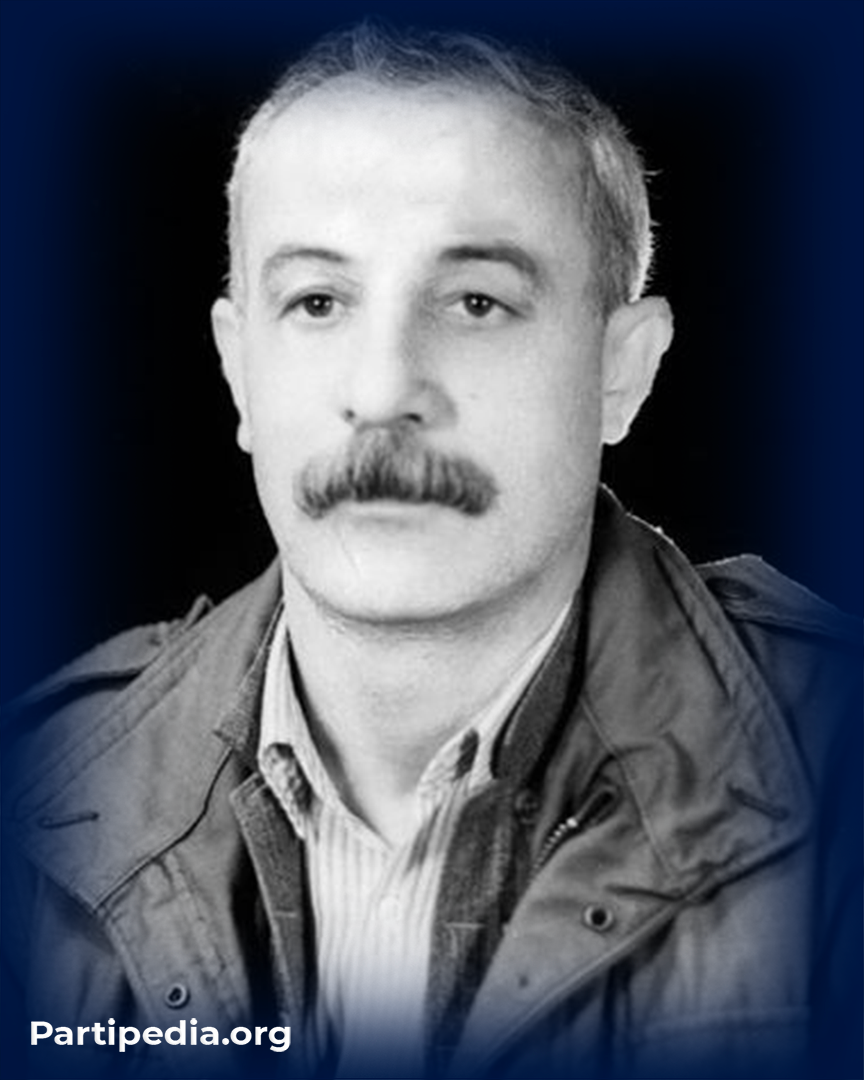
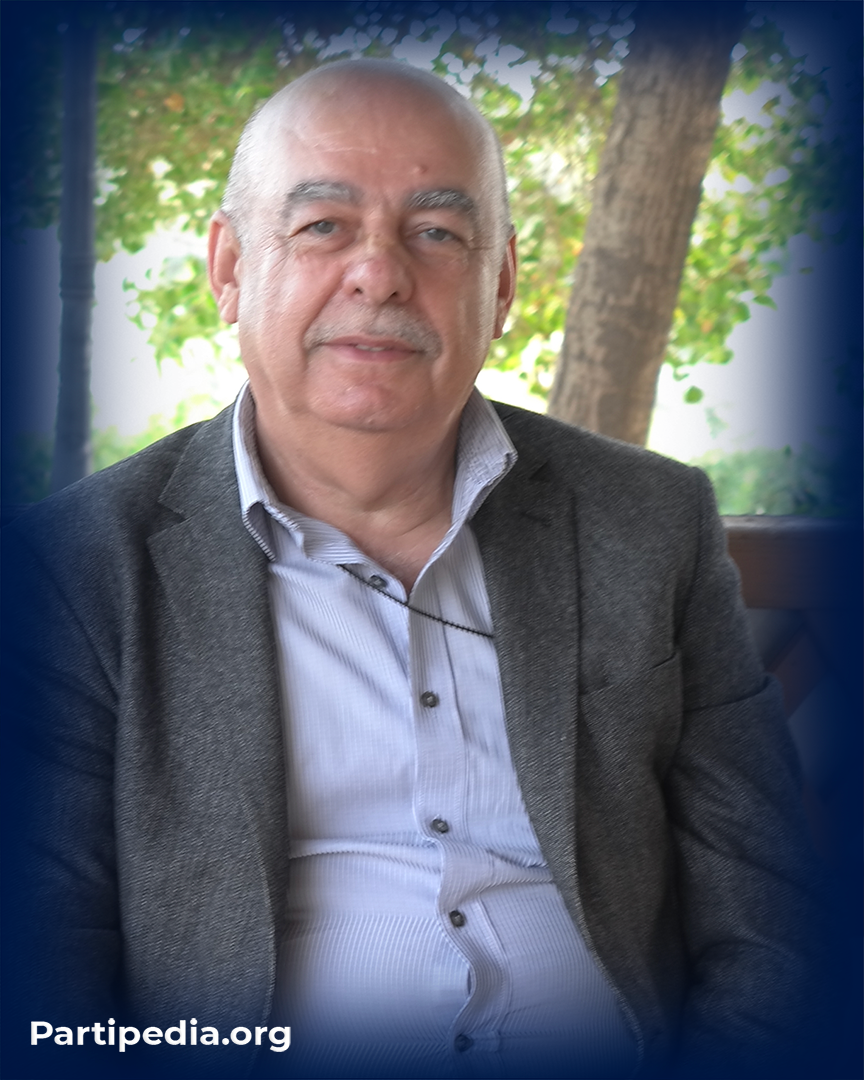
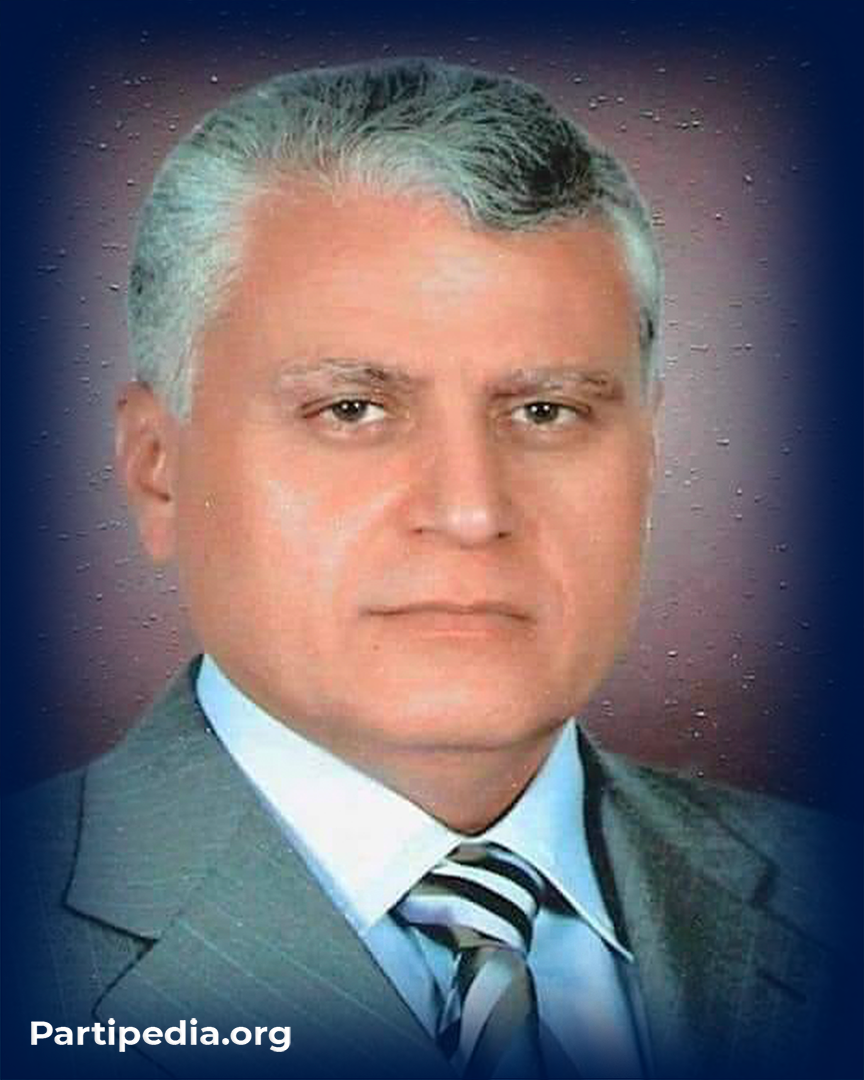
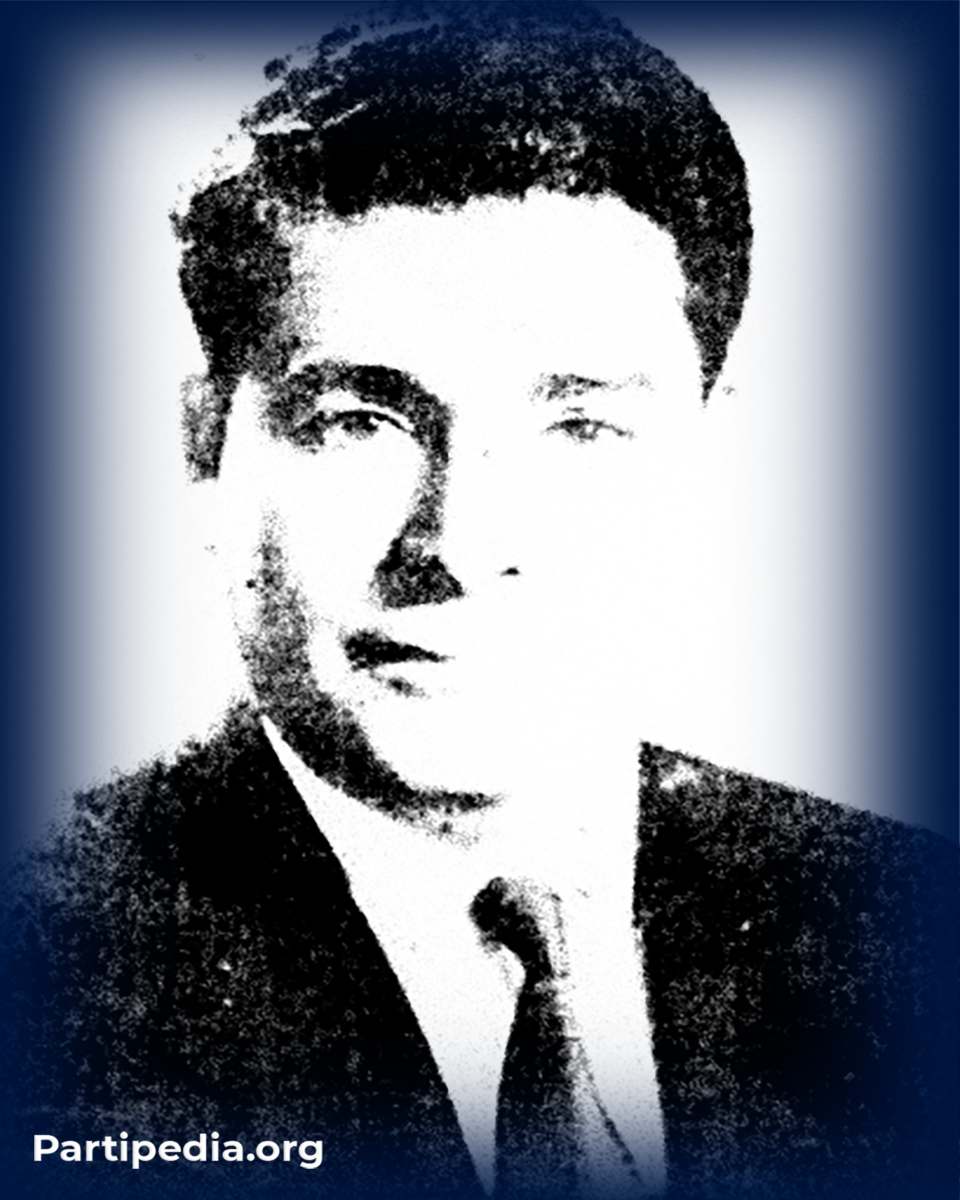
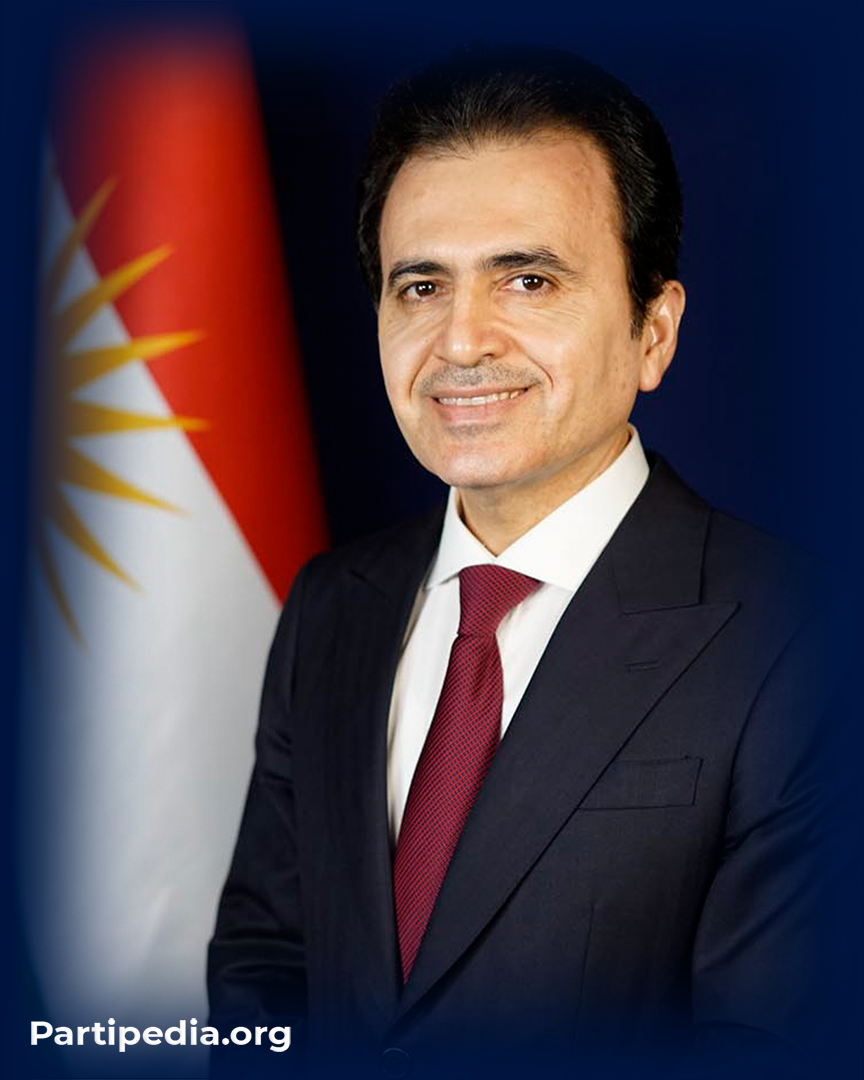
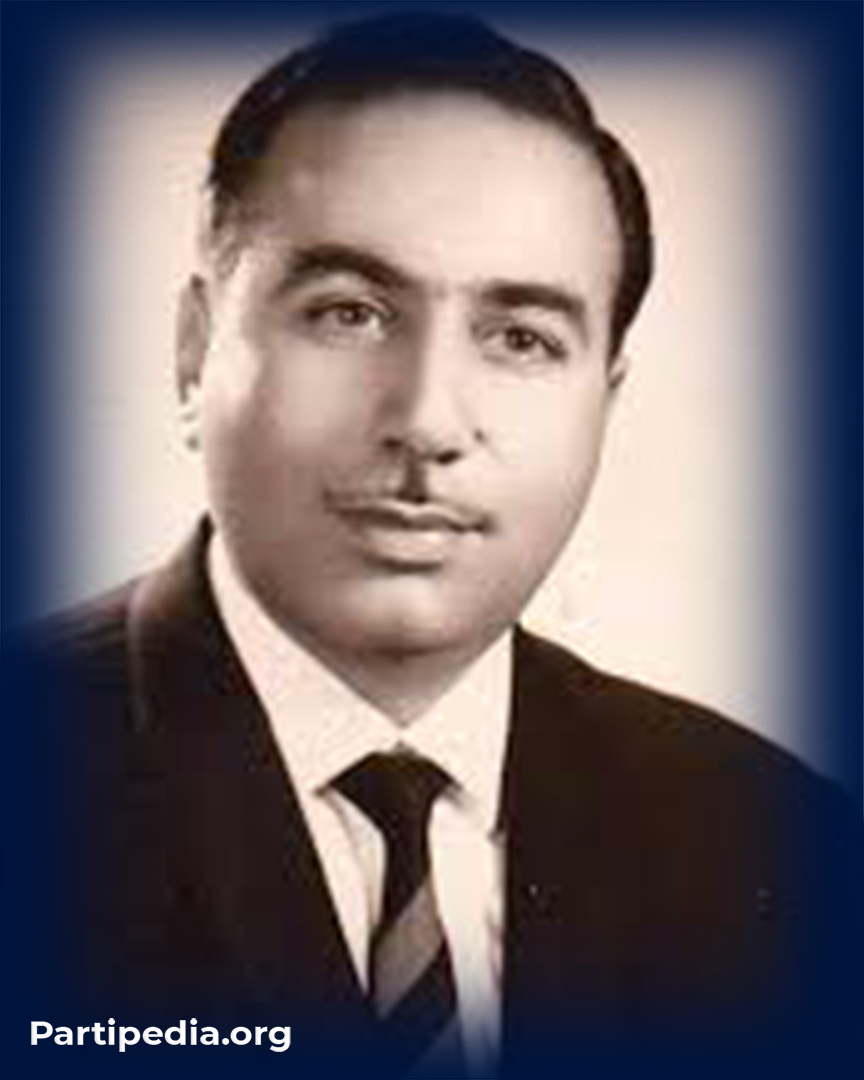
Shams al-Din Muhammad Uthman, known as the lawyer, was born Shams al-Din Mufti Amir Qasemi was born in Erbil in 1933. He came from the family of the Mufti of Erbil; his ancestors were religious scholars who migrated from the Garmian region near Mahabad and settled in Erbil. He completed his law degree at the University of Baghdad in 1957, and in early 1974 he was appointed Secretary-General of Agriculture by the leadership. September RevolutionHe sought refuge in Iran after the setback September Revolution In 1975, he left the Kingdom of Iran, and in 1976 he moved to the United Kingdom. He was selected as a member of the 15-person committee to draft the Kurdistan National Assembly Law from December 23-28, 1992. He was also a member of the 13-member team of judges and legal experts who oversaw the first Kurdistan National Assembly elections in 1992. He passed away in London on September 5, 2012, after an illness. He was fluent in Kurdish, Arabic, Persian, and English.
pages of struggle
He participated in the student demonstrations in Baghdad against the Iraqi monarchy from November 13-24, 1952. In 1953, he was the secretary of the Kurdistan Students Union (first conference). He secretly oversaw the organization of the Nowruz celebration by the Kurdistan Students Union in Erbil. He also participated in the Kurdistan Students Union's Nowruz celebration in 1956.
He was from the village of Kasnazan in Erbil Governorate. On January 3, 1958, he participated in the elections for the new board of the Kurdish Victory Club in Baghdad. On March 21, 1958, he participated in the Nowruz celebration in Erbil. On July 27, 1958, he visited the Iraqi Ministry of Defense with a Kurdish delegation to congratulate the Iraqi army on the overthrow of the Iraqi monarchy. On August 7, 1958, he was with the Erbil delegation in Kirkuk to welcome Sheikh Ahmed Sheikh Mohammed Sheikh Abdul Salam (1892-1969), known as Sheikh Ahmed Barzan, and his companions, and to accompany them to Erbil. He was chosen as an active member of the second branch in 1958, within the first team of the branch during the tenure of Engineer Ali Abdullah Amin (1926-2017). In 1959, he oversaw the Erbil conference elections to appoint delegates. Fourth Congress of the Kurdistan Democratic Party - Iraq in cooperation with Omar Mustafa Muhammad Amin (1923-1992), known as Omar Dabbaba.
In June 1959, he was a member of the Erbil Committee of the Peace Advocates Movement and one of the supervisors of the Erbil Municipality's administrative body elections. He was elected by the delegates of the Fourth Conference as a member of the Supreme Committee for Oversight and Inspection of the Kurdistan Democratic Party in 1959. In 1959, he was responsible for the second branch committee within the second team of the branch committee. He assumed command of the leader in 1959. Mustafa Barzani(1903-1979) Leading the Erbil volunteers of the Kurdistan Democratic Party - Iraq to end Sheikh Rashid Lolan's rebellion in the Sidakan area of Erbil Governorate. He visited on July 1, 1959, accompanied by the leader. Mustafa Barzani Headquarters Kurdistan Democratic Party The unified movement in Baghdad, one day after the suspension of the wing of lawyer Hamza Abdullah Omar (1915-1998) in the ranks Kurdistan Democratic Party Al-Muwahhid, on February 19, 1960, on behalf of the lawyers of Erbil, sent a telegram of thanks to Brigadier General Abdul Karim Qasim (1914-1963) for the license granted to the Kurdistan Democratic Party. On February 21, 1960, he requested the Erbil Governorate to grant official permission to open the headquarters of the second branch committee of the Kurdistan Democratic Party in Erbil, in accordance with Article 13 of the Iraqi Associations Law. On June 28, 1959, he sent a telegram of support to the Iraqi Prime Minister, Brigadier General Abdul Karim Qasim, on behalf of Kurdistan Democratic Party In the National Union Front, he was briefly arrested in Erbil in 1960, and the leader tried Mustafa Barzani Upon his release in 1960, he was a member of the founding body of Kurdistan Democratic Party - Iraq for the public phase, and in the same year he was a member of the Erbil Committee of the Peace Advocates Movement. In 1960, he was chosen as a member of the second branch committee within the third team of the branch committee during the period of Jalal Abdul Rahman Amin's responsibility (1928-1987). In 1960, he was a delegate to the fifth conference of the Kurdistan Democratic Party in Baghdad. Also in November 1960, he was a member of the Revolutionary Organization Committee and the Erbil official. In 1961, he became a member of the Revolutionary Committee of the Kurdistan Democratic Party in the Erbil region. He expressed his dissatisfaction and protest, along with a group of lawyers from Erbil, in an open letter to all Iraqi newspapers regarding articles published in Baghdad newspapers that claimed that the Kurds were not a nation but rather part of the Iraqi nation, which angered Iraqi officials. In mid-1960, the governor of Erbil issued an arrest warrant against him on charges of assassinating his friend Miran, but he did not surrender himself and disappeared into the house of Corporal Othman Yusuf in the Sitaqan neighborhood of Erbil. In 1961, he became the leader of the first cell Armed forSeptember Revolution In Erbil, on September 7, 1961, he was in charge of the police unit that had fled before September RevolutionOn August 20, 1961, in collaboration with Abdullah Ismail Ahmed (1927-2000), known as Mulla Motor A Peshmerga unit attacked the headquarters of the Jash (military forces) in the village of Aspindara, Erbil Governorate, and managed to seize it. He became a Peshmerga on September 15, 1961, on the Sarkabkan-Rania front in Sulaymaniyah Governorate. He was selected as an active member of the branch from 1961 to 1964, serving on the fourth team of the second branch committee during the tenure of Muhammad Haji Tahir and under the supervision of Ali Abdullah. He participated in the battles of October 11-28, 1961, against the Iraqi Army ground forces and the Jash forces from tribes loyal to the Iraqi government. He ordered the Peshmerga to withdraw after their ammunition ran out on October 29, 1961. From 1963 to 1973, he represented...September Revolution In Tehran, operating under the pseudonym Amir Qasemi, he was invited in 1964 by the political bureau faction to attend an expanded meeting of the Maoist movement, but he considered it illegitimate and did not participate. Ultimately, he expressed his support for the leader. Mustafa BarzaniIn 1964, he became a member of the Constitutional Committee of the Executive Office of the Revolutionary Command Council in Iraqi Kurdistan. He left his position as representative of the Kurdistan Democratic Party in Tehran in 1969 and returned to Baghdad. He assisted General Timur Bakhtiar against the Iranian regime in 1969. In 1974, he rejoined the Peshmerga forces. In 1977, he was one of the founders of the Preparatory Committee of the Kurdistan Democratic Party and joined the Peshmerga forces of the Patriotic Union of Kurdistan. In 1977, he was granted the right to practice law by order of the Revolutionary Command Council.
Sources:
-
Jah Mashid Hajdahri, and your partner is Behravan Hamdi and Dr. Maref Khaznadar, Gehfari Khabati Qotabian, Eghargani Hikati Qutabyani Kurdistan, 69th century, Hauller, Administrative 2007, no. 20.
-
Here are the details: Ezad Abdoul Wahid, his book, “The Word of God,” (Hol. Chapters - 2019, pp. 24, 61, 99, 107, 130.
-
Ismail Shokar is the first By Chalaki Eshnabiri, Mar 4, Hawler, Chapkhana and Hazara of Iran, 2002, no. 44.
-
Mohamed Sahid Korda, Jari Jaran, (Highlights - Chap Khaneh - 2019), pp. 253 - 259, 260 - 266.
-
What is the meaning of the story of this matter? (Holler - Chap Khaneh - 2012), LL 160 - 161, 173, 195, 197, 213, 216, 227, 239, 256, 258 - 259, 262, 271, 274.
-
He was born in 1963 - 1970. Politician Baroud, (2016), pp. 18, 32-33, 109, 158.
-
Abdoullah Haman Shah Fakhandi, Chishti Majur, (Paris - 1997), no. 561.
-
Jahmal Nahbaz, his name is the best way to do this, (Soleimani-Chakhana) Schvan - 2017g), LL 340, 367, 375, 402-403, 500.
-
Suleiman Mustafa Hahasahan, Kurd and Yahkam Hazmoun, (Hawler - Chap Khaneh Karich - 2017), no. 40.
-
Taffiqi, Mahla Siddiq, there is nothing wrong with my home, my garden, and the door of my house. Doohim, (Huller - Chapkhana Shahhab - 1996), ll 23, 26.
-
Imam Kurdani: Saḥah ڕەشید, imam of Jahlal Deidari Tehmhin Laḥwātīh biḥ Kishkā kīmāri, birgi duwhum, (Suleiman - Chapkhaneh Karich - 2017g), no. 47.
-
Najat Yassin Najjar, Shahid Mahmoun Debagh, Shariawani Garden, Sharikhaet Sharawani Street, 21st Street, Höller, Canon Ehkeme 2013, pp. 16-17.
-
Jurjis Fathallah, Attorney at Law, Iraq in the Era of Qasim: Opinions and Thoughts 1958-1988, Part Two, (Sweden - Nabz Printing and Publishing House - 1989), p. 728.
-
Jah Mashid Hajdahri, and your partner is Behravan Hamdi and Dr. Maref Khaznadar, Gehfari Khabati Qotabian, Eghargani Hakiti Qatabyani Kurdistan, 69th century, Hauller, Administrative 2007, no. 20.
-
Barzani, “Hamishah Dehighot,” with “Niyeh Iranian Tea,” Barzan News, Jamara 181, Hawler, Yehkashhamah, July 19, 2010, no. 5.
-
Habib Muhammad Karim, History of the Kurdistan Democratic Party in Iraq (at major stations) 1946-1993, (Dohuk - Khabat Press - 1998 AD), pp. 61, 67.
-
Hassan Latif Al-Zubaidi, Encyclopedia of Iraqi Parties, (Beirut - Al-Aref Foundation for Publications - 2007 AD), p. 339.
-
Haso Hormi, Glimpses from the Life of Prince Tahsin Saeed Ali Bek, (Erbil - Rozhlat Press - 2017 AD), pp. 134, 141.
-
Rojin Çalabi Munir, 14th century 1958 - 6th century 1975, (Before the 14th century, 1958 - 1975), no. 121.
-
Bakhkar Shaker Karvani, Ali Fahtah Dezeh, Sha’ir, Nuwoshar and Tikshahr, (Havolar - Hazara Titi Sheshanbiri - 2004), no. 26.
-
Mihvan Muhammad Hussein, Britain’s position on the Kurdish issue in Iraq 1975-1980, (no place - Zakho Center for Kurdish Studies - 2018), p. 352.
-
Durrat Khashan, Sheikh Jalal Hafidzad, your court is his homeland, and the most beautiful country of Kurdistan and India is his. Berehuh Riyakanem, (Soleimani - Shavan Chavan - 2010), no. 147.
-
Sami Shorsh, The Diversity of the Kurds in Iraq, (Erbil - Aras House for Printing and Publishing - Ministry of Education Press - 2000 AD), pp. 24-25, 27.
-
Sherzad Zakaria Muhammad, The Revolutionary Command Council in Kurdistan-Iraq 1964-1970: A General Historical and Political Study, (Duhok - University of Duhok - Center for Kurdish Studies and Document Preservation - 2010), p. 80.
-
Adel Murad, A serious attempt to write a part of the modern history of the Kurds of Iraq, Episode Six, Al-Ittihad Newspaper, the central newspaper of the Patriotic Union of Kurdistan, Issue 378, Year Eight, Sulaymaniyah, Friday, July 14, 2000, p. 5.
-
Ahdnan Mofti, Shahshaddin Mofti of Kabahar and Sahrakarda 1933 - 2012, Shabi Douham, (Hawler Bahadirkhan Chahab Khaneh) - 2013g), Ll 16, 27, 44, 56, 106.
-
Issa Pejman, Secrets of Murder and the Zendgy of the English Language of Taymur Bakhtiar, (Paris - Bangah Publications - 1991 AD), pp. 240, 252, 254.
-
Mansour Taraji, Nakhsetin Roznamehnagar and Akkasi Irani at Peshmargan Barzani Stadium, Roznameh Ila'at, Floor 14456, Qismat Nehm, Tehran, Yakshanabeh, Tir 23, 1353 AH . Sh, p. 11.
-
Farhad Awani, in another page of the Great September Revolution, Golan Al-Arabi Magazine, Issue 28, Erbil, Ministry of Culture Press, September 22, 1998, p. 39.
-
Farhad Awani, How did the situation lead to the resumption of fighting in Kurdistan in the spring of 1974?, Golan Arabic Magazine, Golan Media Foundation, Issue 28, Erbil, September 25, 1998, p. 40.
-
Soleimani Academy Hishyari and Peugeot Ghadiran - 2015g), pp. 861-863, 869.
-
Revolutionary Command Council Resolution No. 1615, Iraqi Gazette, Ministry of Justice, Issue No. 2690, Twenty-first Year, Baghdad, Monday, January 1, 1979, p. 3.
-
Kaf Kurdestani, Barzani, Musthafa and Haku Nasiumah, Barayati, Iranian Democratic Party of Kurdistan - Hakkarto, 1885, Hauller, Doushehmeh, 28 Chowpatti 1994, no. 3.
-
He found a document, he found a document for him, New York Times, (2010), no. 38.
-
Marv Khaznadar, The Hajjari of Drost-Bonn 1949-1960, Bhargi Douham, (Hajwal-e Chapkhaneh Haji Hashem - 2009), no. 260.
-
Mulla Mustafa Barzani and his companions present news to His Excellency the Minister of the Interior about the establishment of the party, Khabat (Struggle) Newspaper, Issue 141, Public Opinion Press, Baghdad, Sunday, January 9, 1960, pp. 1, 8.
-
Hey Farouk Shwani, Ha ha Moo Kurd, Bahrakhi Yahkim, (Hawler - Chap Khaneh - 1997), LL 117, 229.
-
Mahdi Mohamed Qadir, his son, his son, Aashtikhwazan, his old man (1950 - 1963), (H. Baghdadna - Chap Khaneh Mokryani - 2015, no. 52.
-
Mehvan Muhammad Hussein, Britain’s position on the Kurdish issue in Iraq 1975-1980, (Zakho - Zakho Center for Kurdish Studies - 2018), p. 317.
-
Nehushirvan Mostafa Haemin, his Danube khanari with the name of Naozheng, (B. Schoen - 1997), no. 338.
-
Hawkar Karim Hama Sharif, Sheikh Ha-Yilul, (Hawler - Chap Khaneh y Zankichi Saheh Din - 2012g), no. 45-46.
-
This is what happened to me. Kurdistan, Jamarat 44 and 45, Höller, April 2001, no. 41.
-
Ali Sinjari, The Kurdish Question and the Arab Socialist Baath Party in Iraq, Part Three, (Duhok - Khani Press - 2012 AD), p. 335.