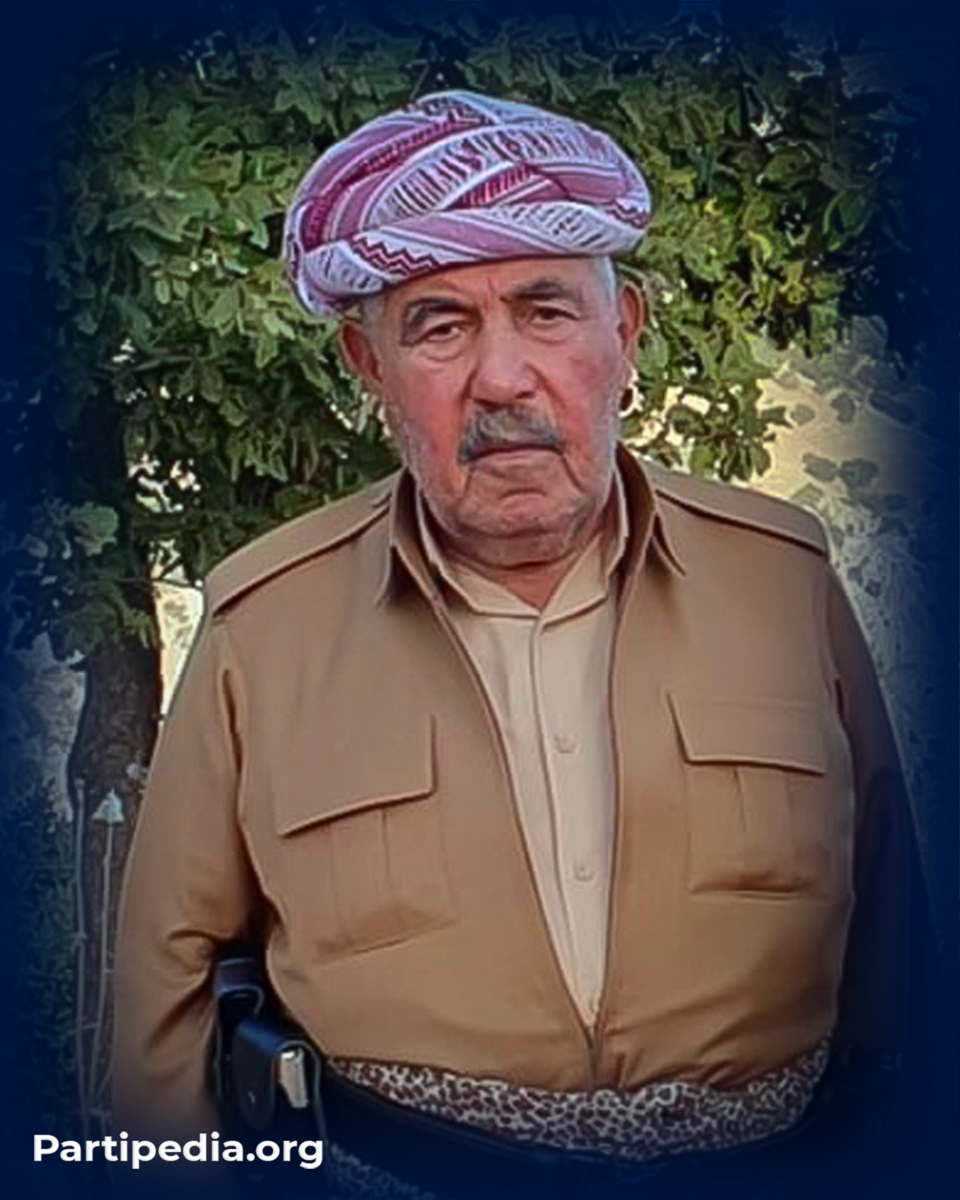


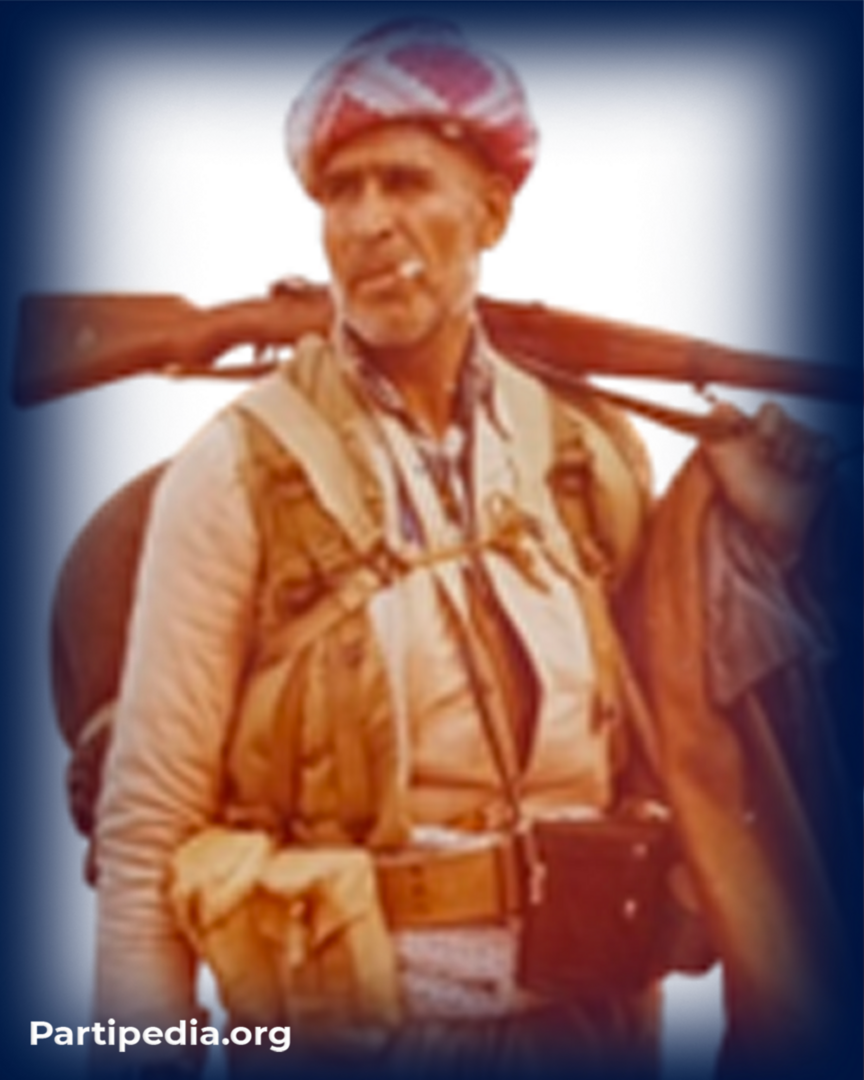
Tamer Ahmed Shabaz was born in 1931 in the village of Sreshme, in the Khalifan district of Erbil Governorate. He was married and had two sons and five daughters. He sought refuge in Iran in 1975 after the setback. September RevolutionIn 1991, he returned to southern Kurdistan and participated in the uprising against the Iraqi army, then settled in his hometown.
In 1962, he joined the Peshmerga forces of the September Revolution. In 1963, after the Iraqi regime attacked and burned the village of Sreshma in the Khalifan district, he and his family moved to areas under the control of the revolution and settled in the Balak region. In the same year, Tamar Ahmad Shabaz participated in the battles of Qaladze and Sangasar.
When the Iraqi army planned to attack the areas under the control of the revolution in Mergasur, Sari Akri, and Jabal Birs in order to occupy the village of Barzan and the region, Mullah sent Mustafa Barzani A message to Ahmed Shabaz to attack the Iraqi army, in order to relieve the pressure of fighting on the Barzan region, after obtaining permission from the Mullah Mustafa Barzani Tamer Ahmed Shabaz returned to his father and, with the help and support of the people of Sreshma, in the siege of the village of Rusti in the Balakayti region, launched a large-scale attack on the Iraqi army and inflicted heavy losses on them.
In 1967, the family of Ahmed Shabaz was displaced once again to the Barazkar plain in the Dashteh Hert district of Sidakan because their village was burned by the Iraqi army. He remained there until March 11, 1970. After the March 11 agreement, he returned to the village of Sreshme on the orders of Mulla Mustafa Bazani.
In 1981, he returned to Shino in eastern Kurdistan on the recommendation of Idris Barzani and participated in the Gulan uprising. Then, by order of François Hariri He returned as a participant in a detachment to Khwakurk, and in 1987 he participated in the Battle of the Rashi Valley in the Sidakan region, and in 1988 he participated in the Battle of Nazdaragh, which was part of the battles of the Khwakurk epic, and he was wounded in it.
Tamer Ahmad Shabaz was injured several times and all his muscles suffered severe burns in the Battle of Nazdari Dag. In 1987, he was seriously injured by napalm, which was banned by the regime, in the Rash Valley and lost his sight. In 2013, he was sent to Austria for medical treatment.
In 1991, during the Kurdistan uprising, he returned to southern Kurdistan via Haji Omran and participated in the uprising and liberation of the city of Amadiya. He was later appointed a member of the Halkurd leadership. In 1994, he joined the Sari Baland Special Brigade and was later appointed to lead the Peshmerga of the village of Sari Shamma in the Khalifan district, which numbered about 100 Peshmerga.
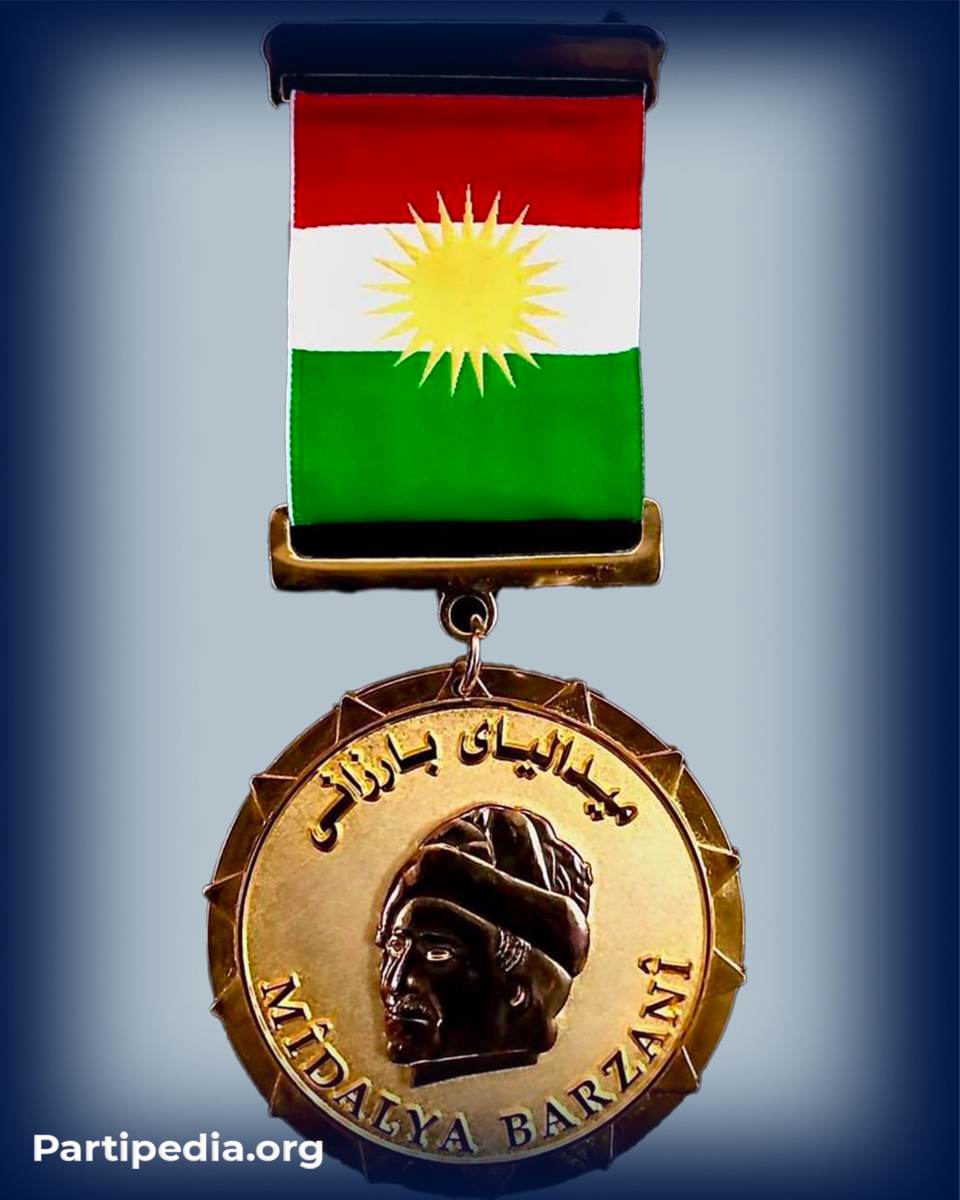
In 1996, on the occasion of the Golden Jubilee, the fiftieth anniversary of the founding Kurdistan Democratic PartyHe received the Barzani Medal from the President Masoud Barzani.
He died on July 29, 2015, from his injuries, and was buried according to his request and in the presence of a representative of the President. Masoud Barzani A large crowd of people from the region gathered in his hometown of Serishme village.
Source:
Archive of the Encyclopedia Authority of the Kurdistan Democratic Party