AI English Show Original

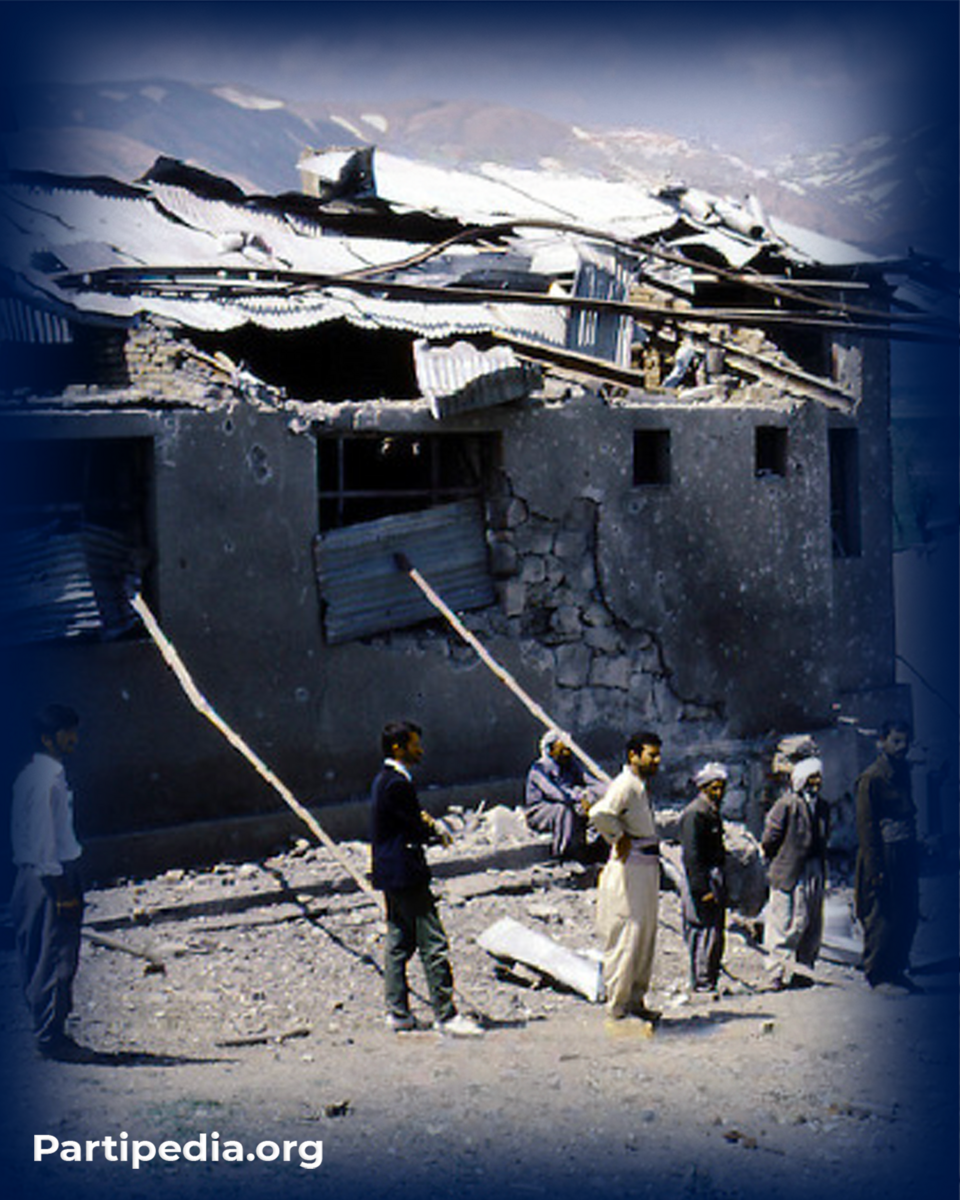
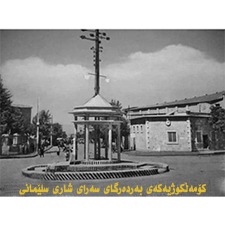
The massacre at the entrance to the palace of Sulaimani

This massacre took place in the summer of 1963 during the Ba'athist regime in Sulaimani province. They believed that if they carried out a massive attack on Kurdistan, they would soon collapse the September Revolution and take control of the whole of Kurdistan They failed in all their attacks on Mount Azmar.


 In the summer of 1963, the Iraqi government led by Abdul Salam Arif launched a widespread offensive in various parts of Kurdistan. From Baghdad, he issued a statement refusing to negotiate with the Kurdish revolutionary leadership and decided to launch a bloody war against the Kurds The Ba'athists believed that the regime of Abdul Karim Qassimi had not fought the Kurdish war seriously before them, but that they could defeat the Kurdish revolution in a short time. This shows that Abdul Salam Arif never believed in the Kurdish cause Iraq, reflected in its speeches, did not recognize the Kurds and did not use the word Kurdistan.    

Before the war started on May 20, 1963, the army commander-in-chief ordered an economic embargo on Kurdistan. With the resumption of the war on June 10, crimes against moral and human values ​​were committed in many places Iraq, wherever the army and military convoys were attacked by the Peshmerga, they would come and take revenge on the civilian population of Sulaymaniyah.

One of these acts of violence and inhumanity was the incident in Sulaimani, ordered by Zaim Sadiq Mustafa, commander of the 20th Brigade, which was known as the most brutal brigade in Iraqi history They selected 86 of them and executed them. Their only crime was that the Ba'athists had a picture of them Mustafa Barzani They had brought the leader of the Kurdish revolution into the crowd and ordered them to insult him. They refused to accept this. One of the detainees replied that if they were willing to insult their president, then we would obey them They massacred them.


reference:

  1. Archive of the Kurdistan Democratic Party Encyclopedia Board.
Related Articles

The infamous Anfal campaign

Anfal was a campaign of genocide, destruction and erasure of the Kurdish nation. The Ba'ath regime carried out attacks against the Failis in 1971, against the Barzanis in 1983 and in 1988. These attacks resulted in the deprivation of citizenship, burning of villages, arrests, deportations, burials and killings of Kurdish civilians. The result was the disappearance and burial of about 182,000 innocent Kurdish citizens.

More information

The bombing of Zewa camp and international law—June 9,

On June 9, 1985, eight Ba'ath regime aircraft bombed the Zeway camp in East Kurdistan, a camp for Kurdish refugees from the south. As a result, 150 civilians, including the elderly, children and the disabled, were killed and about 400 others were injured, most of them students who had gone to school to receive their final results.

More information

Bombing of Qaladze

The bombing of Qaladze was one of the most tragic atrocities committed by the Ba'ath regime against the civilian population. After the government ordered the resumption of the war against the Kurdish revolution, it brutally resumed its attacks on Kurdistan He visited the city of Qaladze.

More information

The Syrian Village Massacre

The Syrian Village Massacre took place on September 16, 1969, when the Iraqi army launched a military operation against the Syrian village in Zakho district on the pretext that they were involved in laying a mine on the main street near their village.

More information

Deccan cave massacre

The Dakan Cave Dastan took place on August 18, 1969 between the Peshmerga forces and the Iraqi army, when the Iraqi army launched a military operation on the area (Akre - Sheikhan) with the support of mercenaries (jash) and artillery and warplanes The caves of the Deccan were burned, drowned and martyred.

More information