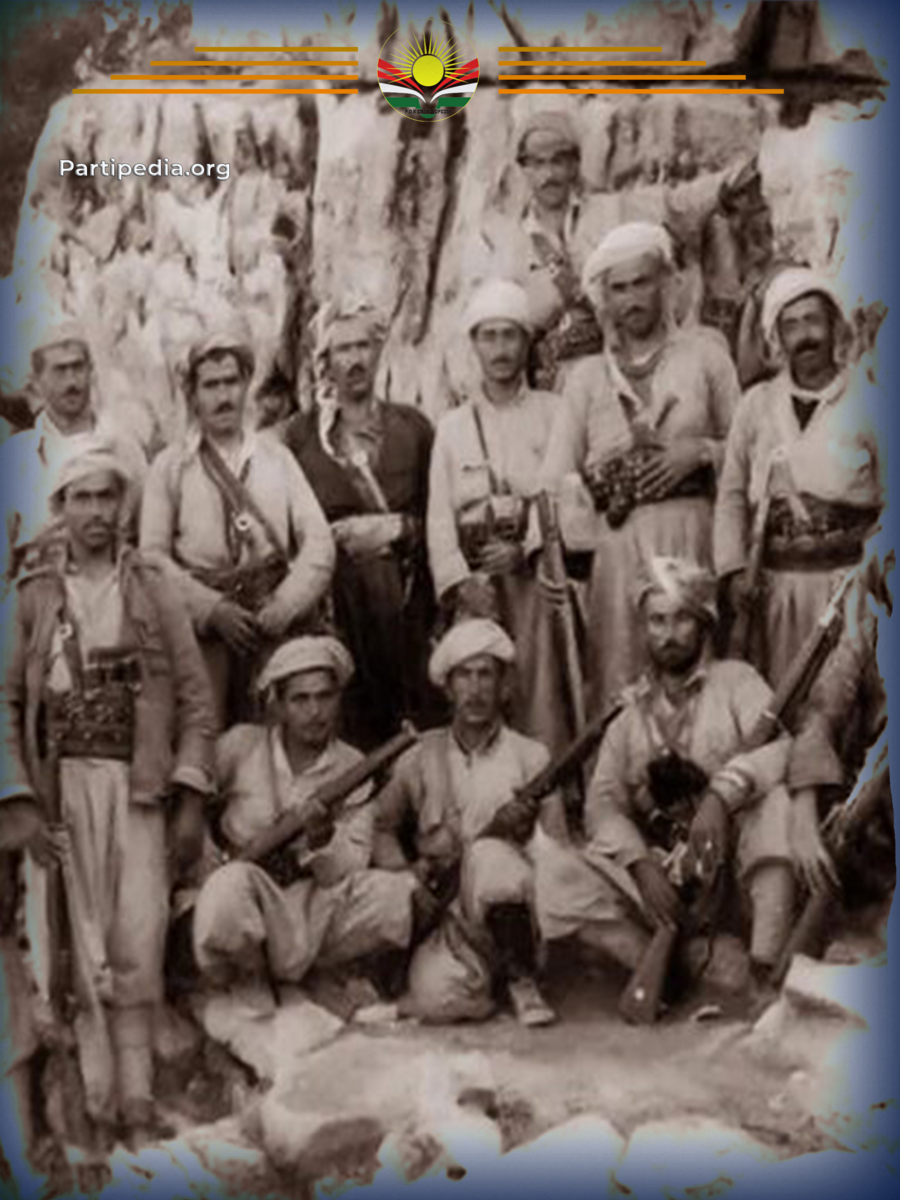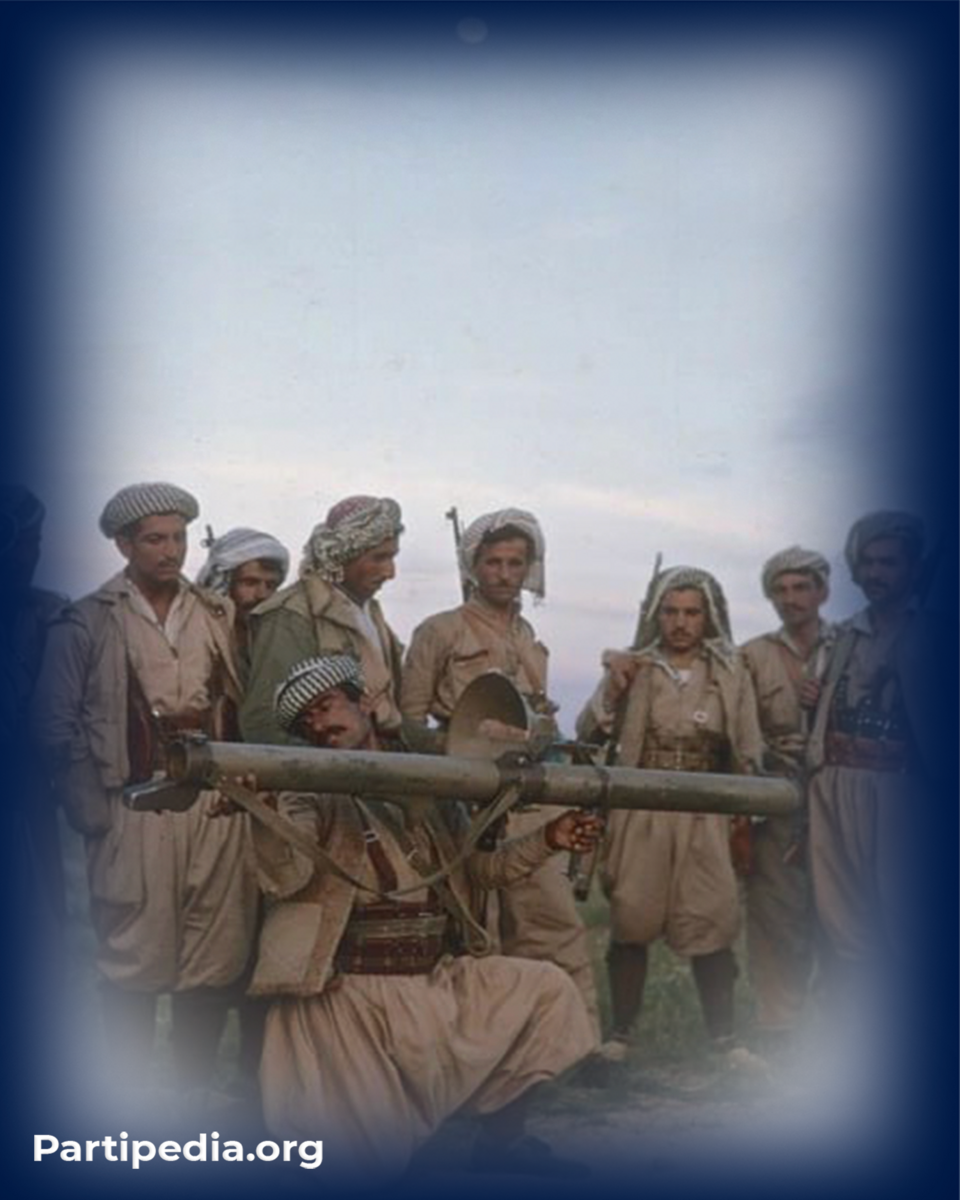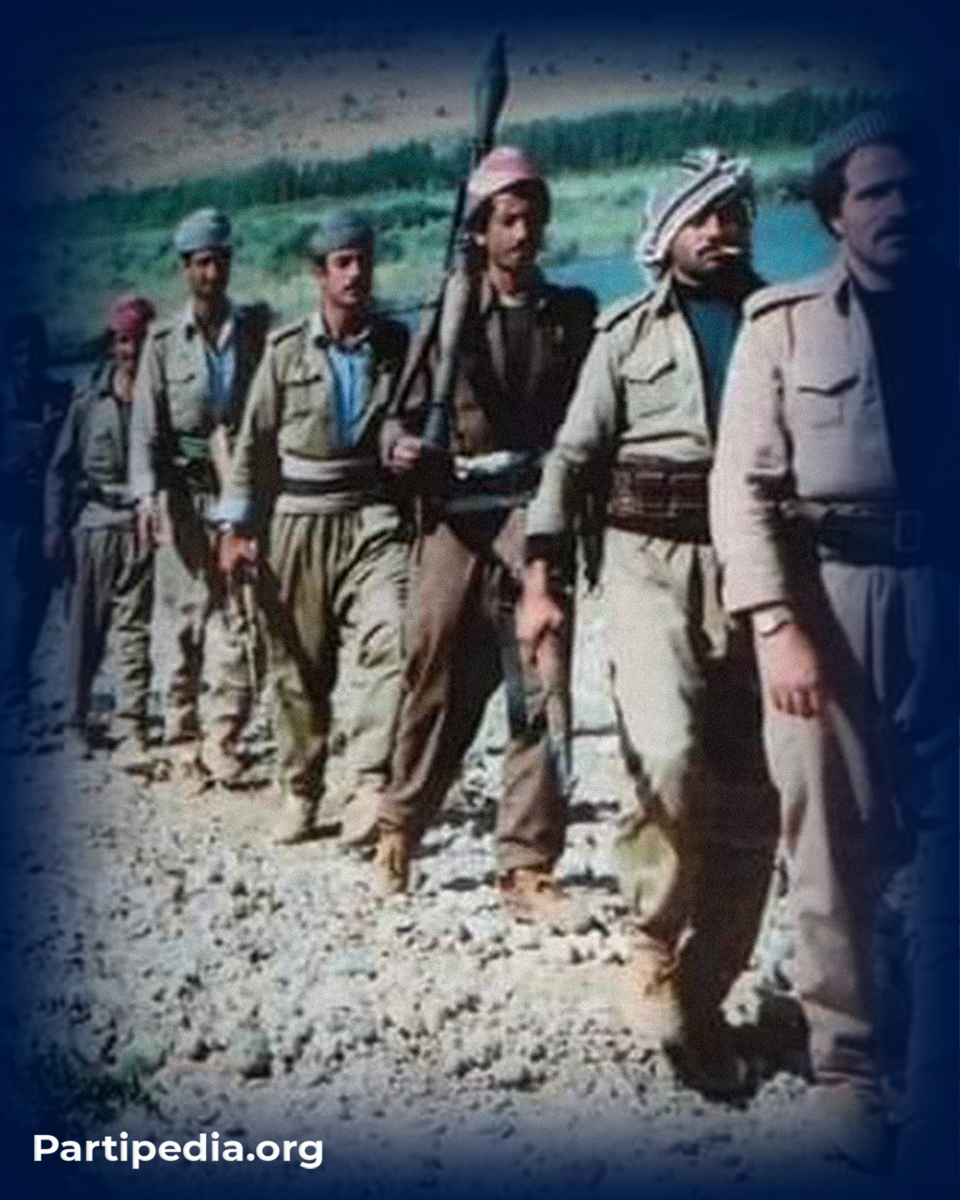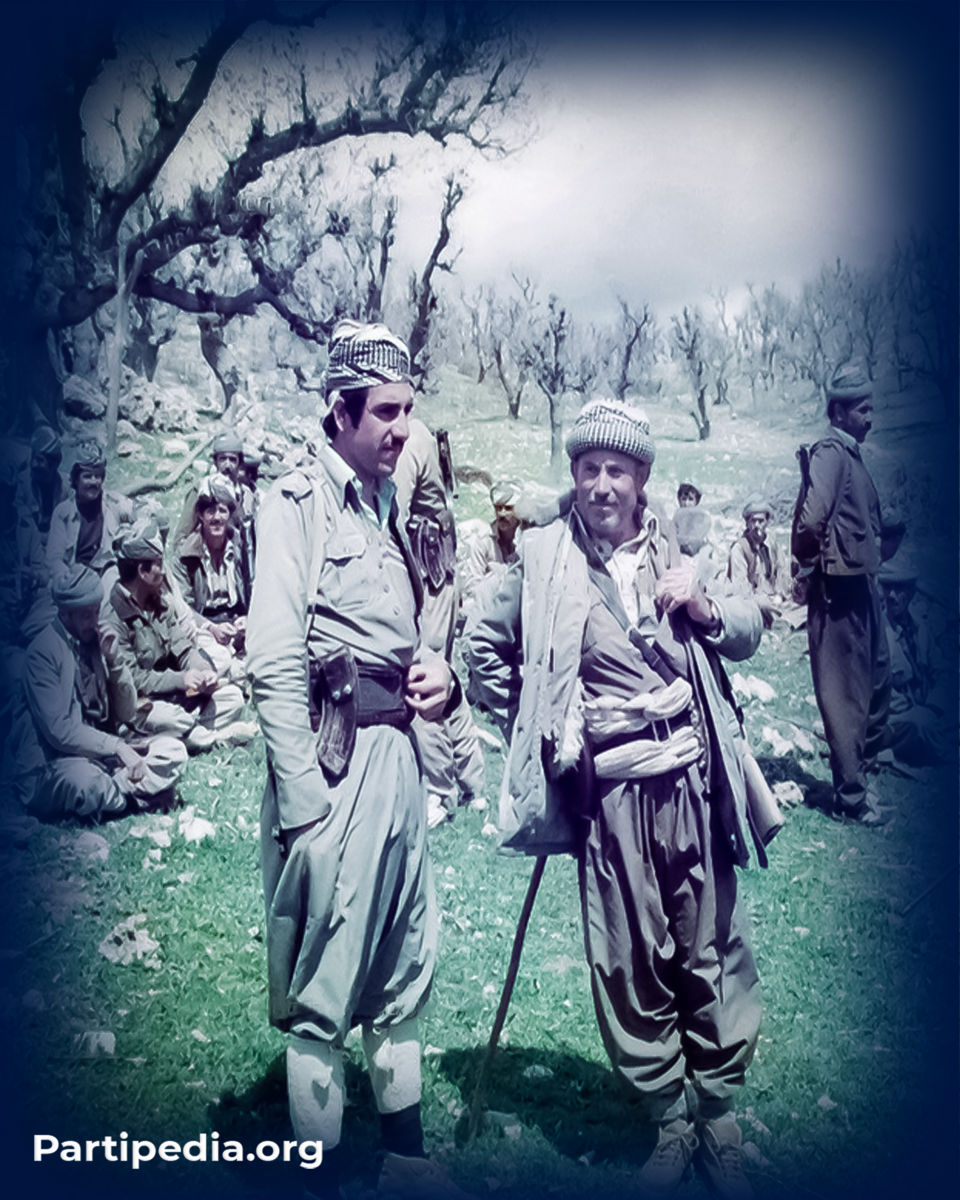



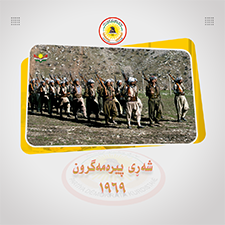
Leadership The September Revolution He believed that the Peshmerga forces should move from the defensive to the offensive and occupy the areas occupied by the Iraqi army with the support of air force, tanks, artillery, armored vehicles and fighters of the old political bureau In the autumn of 1969, the Peshmerga forces launched a series of campaigns against several areas of Sulaimani and Garmian, removing the government and the forces of the old Political Bureau and returning the areas under the control of the revolution.
The plan of the revolutionary leadership was to liberate Piramagrun and its surroundings. The Peshmerga forces, part of the Halgurd force, Karadag force and Shuan battalion were entrusted with the campaign Hussein, Abdul Rahim Barzani, Haji Sheikh Qadir and Sayed Asi. Sami Abdulrahman He was the general supervisor of the fighting, and the residents of the area expressed their readiness and cooperation to support the Peshmerga forces.
October 18, 1969 was the date of the start of the offensive. The plan of the campaign was designed in such a way that the Peshmerga were advancing from the beginning until they were able to capture Peramagrun in a short time Within 24 hours, the fighters of the Old Political Bureau, who were supported by the Iraqi army, were scattered like flour in a field. The government forces suffered heavy casualties, estimated at 120 dead, and their bodies were left on the battlefield.
The behavior of the forces of the old Political Bureau with the areas they occupied was such that they forced anyone who was able to carry weapons to their advantage This was an obvious reason for the fighters to leave the ranks of mercenaries and join the ranks of the revolution whenever they had the opportunity. This proves the fact that one of the results of this war and the return of revolutionary power to Piramagrun.
It is worth mentioning that due to the defeat of the Ba'athist government in late The September Revolution The state's situation had reached a stage where it could no longer tolerate the Kurdish war, due to the poor economic and financial situation, the state treasury was empty due to war expenses, and internal problems within the Ba'ath Party Because they had many opponents within these institutions, they had to think of other solutions, such as dialogue and peace agreements.
resources:
1- Sangar Ibrahim Khoshnaw, Military Events of the September Revolution 1970-1975, 1st Edition, Erbil, 2022.
2- Massoud Barzani, Barzani and the Kurdish Liberation Movement, Volume III, Part II, September Revolution 1961-1975, First Edition – Erbil, 2004.
3- Khoshaw Ali Kanialnji, Memoirs of Aziz Qazi Hamad Surchi, Danishfar Printing House, Erbil,
4- Ari Karim, several living pages in The September RevolutionDa, Khabat Printing House, Duhok
5- Karwan Jawhar Mohammed, Idris Barzani 1944- 1987 Life and political and military role in the Kurdish liberation movement, Hevi Printing House, Erbil,