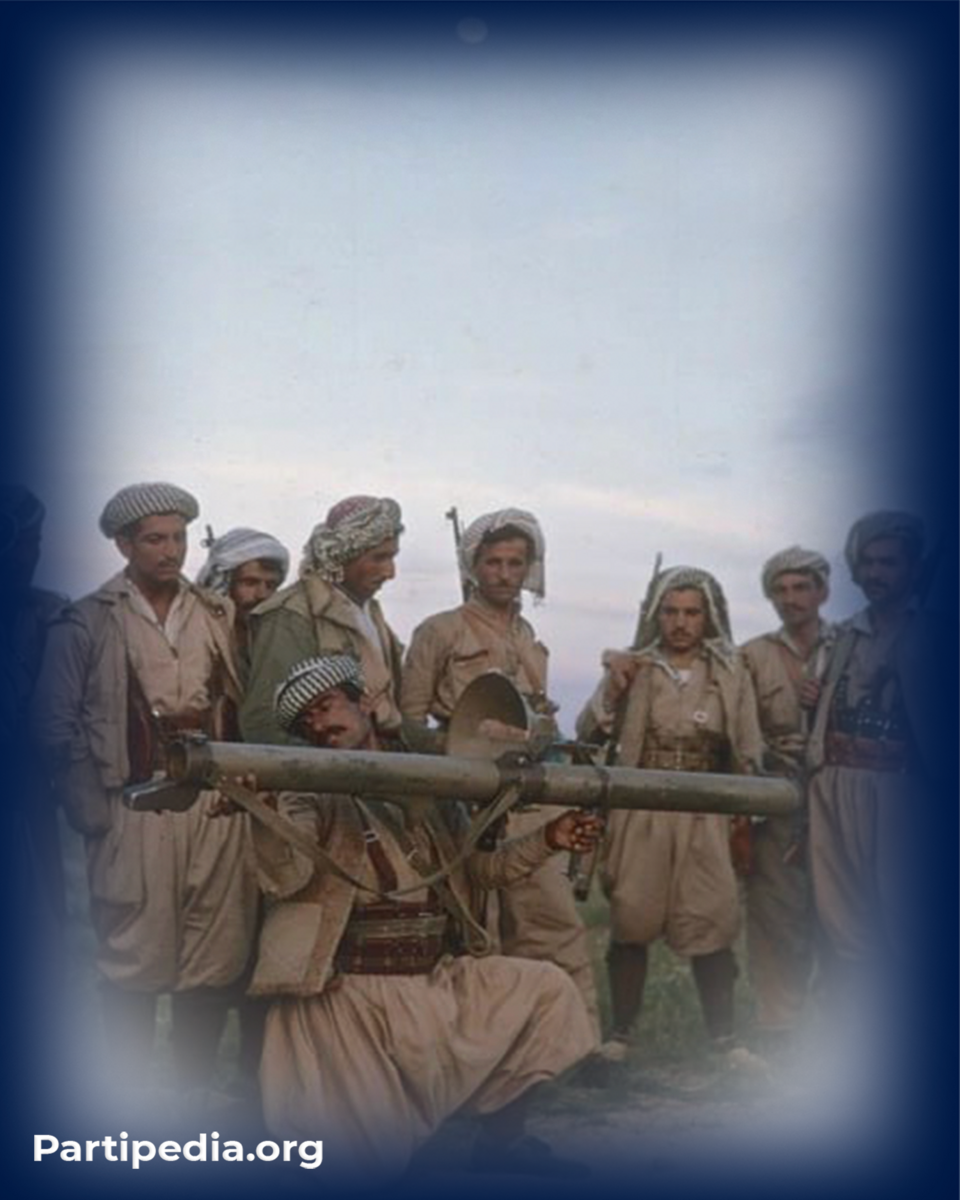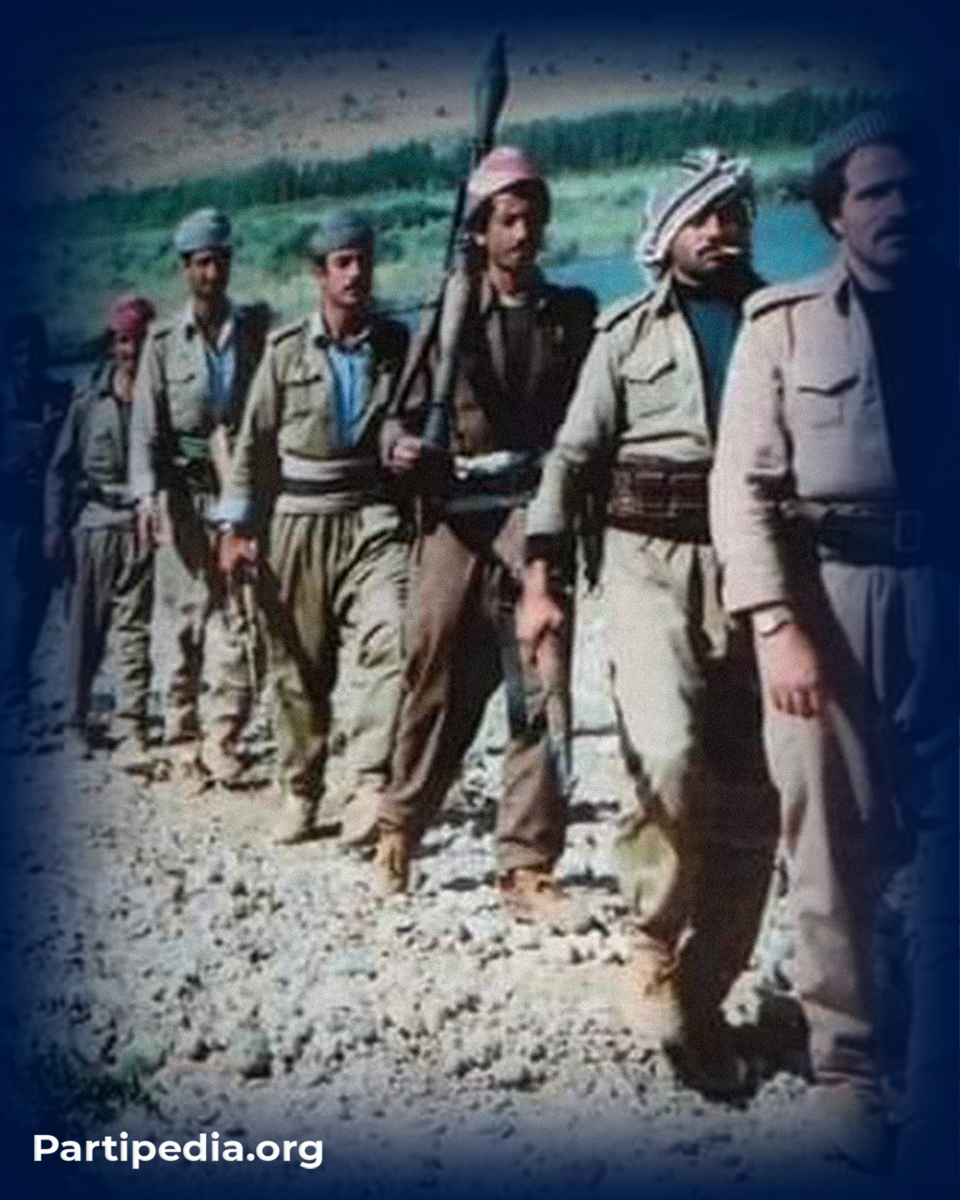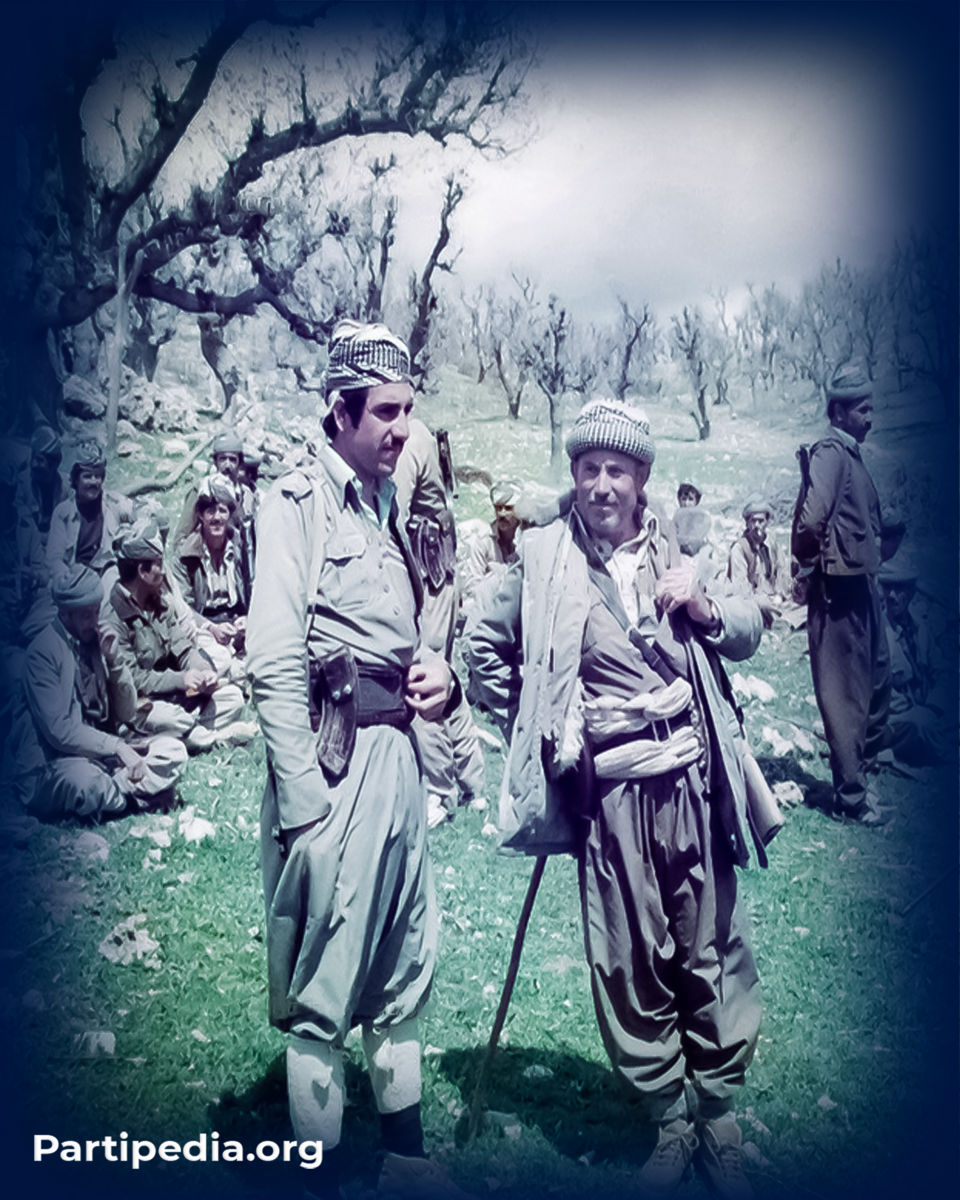


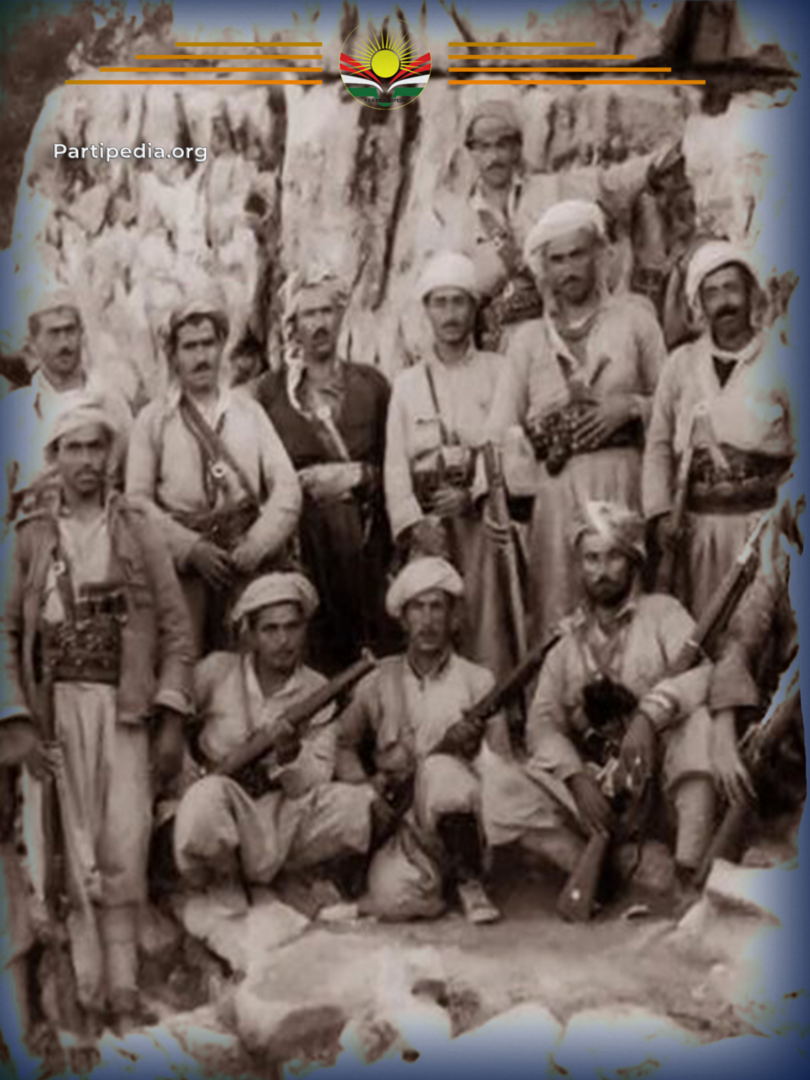
The summer of 1963 was a hot and bloody season, a difficult situation was going through Kurdistan. The Iraqi government deployed all its forces to fight the Kurds because it considered it a decisive war and hoped to abort the revolution and massacre the Kurdish people. To implement this plan, the government launched a brutal attack on Kurdistan with all its army and air force, burning wet and dry lands together, bombing villages and towns, burning agricultural crops and natural forests, and imposing an economic blockade He sent them into the cities and towns for mass torture and intimidation.
The Ba'ath regime, led by Abdul Salam Arif, took power in a coup d'etat on February 8, 1963, marking the beginning of a new era in Iraqi history Soon, on June 10, 1963, attacks on the revolutionary areas began.
The Kurdistan Peshmerga Forces were always ready to counter attacks and defend themselves, and sometimes carried out various activities in response to the army's attacks They received a convoy of the Iraqi army on the Jaloula-Darbandikhan road towards Baghdad. They decided to block the lower road of Darbandikhan and carry out a Peshmerga operation.
-
A Peshmerga force under the command of Mohammed Haji Wali Kalari was assigned to capture the height of Qatra Mountain to prevent the Iraqi army from backing them from the field barracks.
-
A group of Peshmergas were assigned to capture the mountain behind the village of Bani Khelani to prevent the army from advancing from the Darbandikhan military base and capturing the Gulan heights.
-
Another group was on alert below the village of Banikhelan.
-
The other force, commanded by Aziz Qazi, was stationed near the bridge of the Daradwina River on the main road, awaiting the arrival of the army convoy.
There were several positions in the heights near the main road. When the army convoy passed by, they sent a group of mercenaries (jash) to guard the main road. They were under the supervision of the Peshmerga.
At 9 am on July 15, 1963, the Iraqi army convoy reached the bridge. The Peshmerga first opened fire on the mercenaries (jash) and killed three of them The Iraqi army and mercenaries attacked the heights behind Qatra where the Peshmerga beat them and defeated them in a short time. Three mercenaries (jash) were killed and their bodies were left on the battlefield They attacked the Gulan Mountain, fled over the Peshmerga mine, killed several soldiers and returned to their barracks.
The fighting continued until 5 pm, both Maidan and Dabandikhan military bases and mercenaries of the Nawroli tribe participated in the fighting, the Iraqi army convoy could not pass that day and returned to the military base, but the next day managed to escape A soldier, two officers and six mercenaries (jash) were killed. Only one Peshmerga was slightly wounded.
resources:
1- Massoud Barzani, Barzani and the Kurdish Liberation Movement, Volume III, Part I, September Revolution 1961-1975, First Edition, (Erbil-2004).
2- Ibrahim Jalal, South Kurdistan and the September Revolution, Building and Destroying 1961-1975, Fourth Edition,
3- Shawkat Mullah Ismail Hassan, Rojane la mejwooy shorshi aylool, 1st edition, (Ministry of Education Printing House, Erbil, 2007).
4- Hawkar Karim Hama Sharif, September Revolution, 1st Edition, (Salahaddin University Printing House, Erbil, 2012).
5- Khoshaw Ali Kanialnji, Memoirs of Aziz Qazi Surchi, First Edition, (Danishfar Printing House, Erbil, 2023).