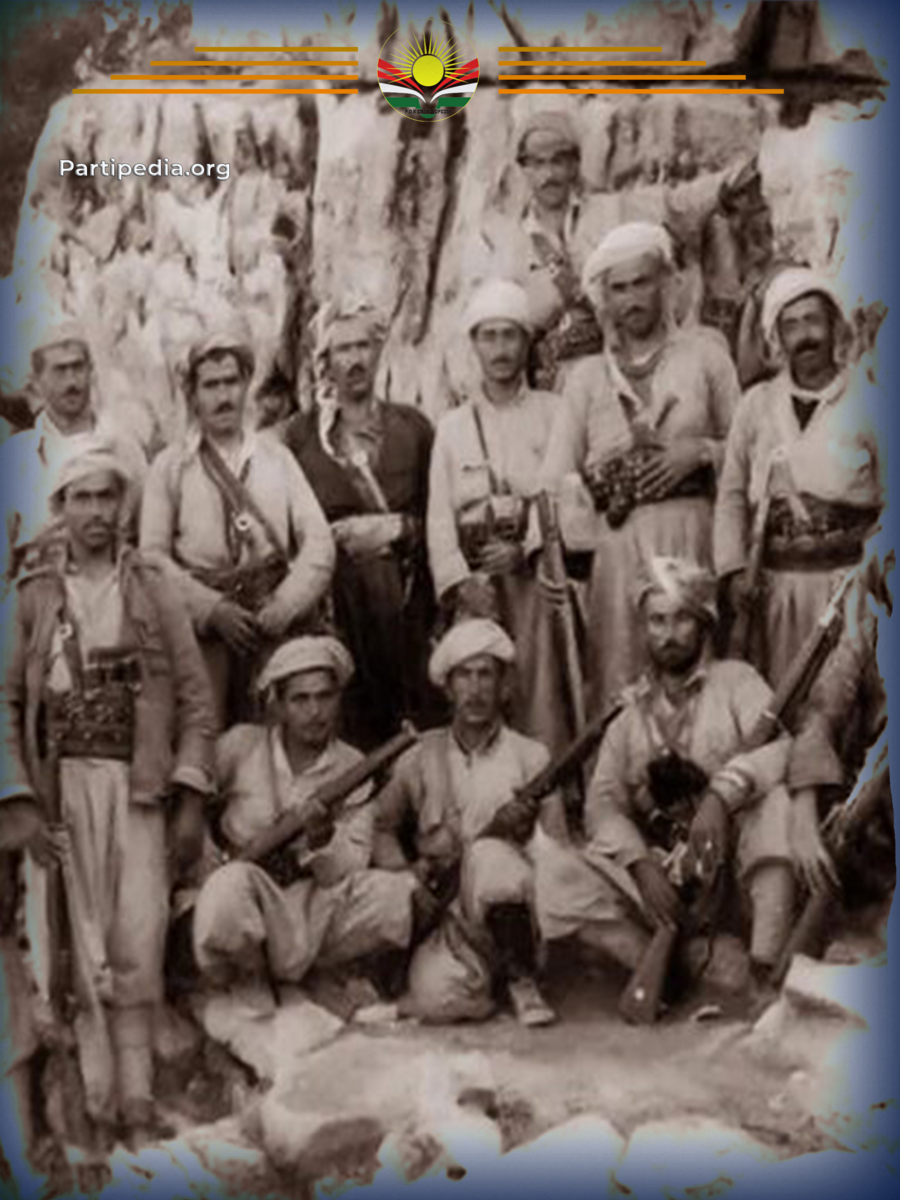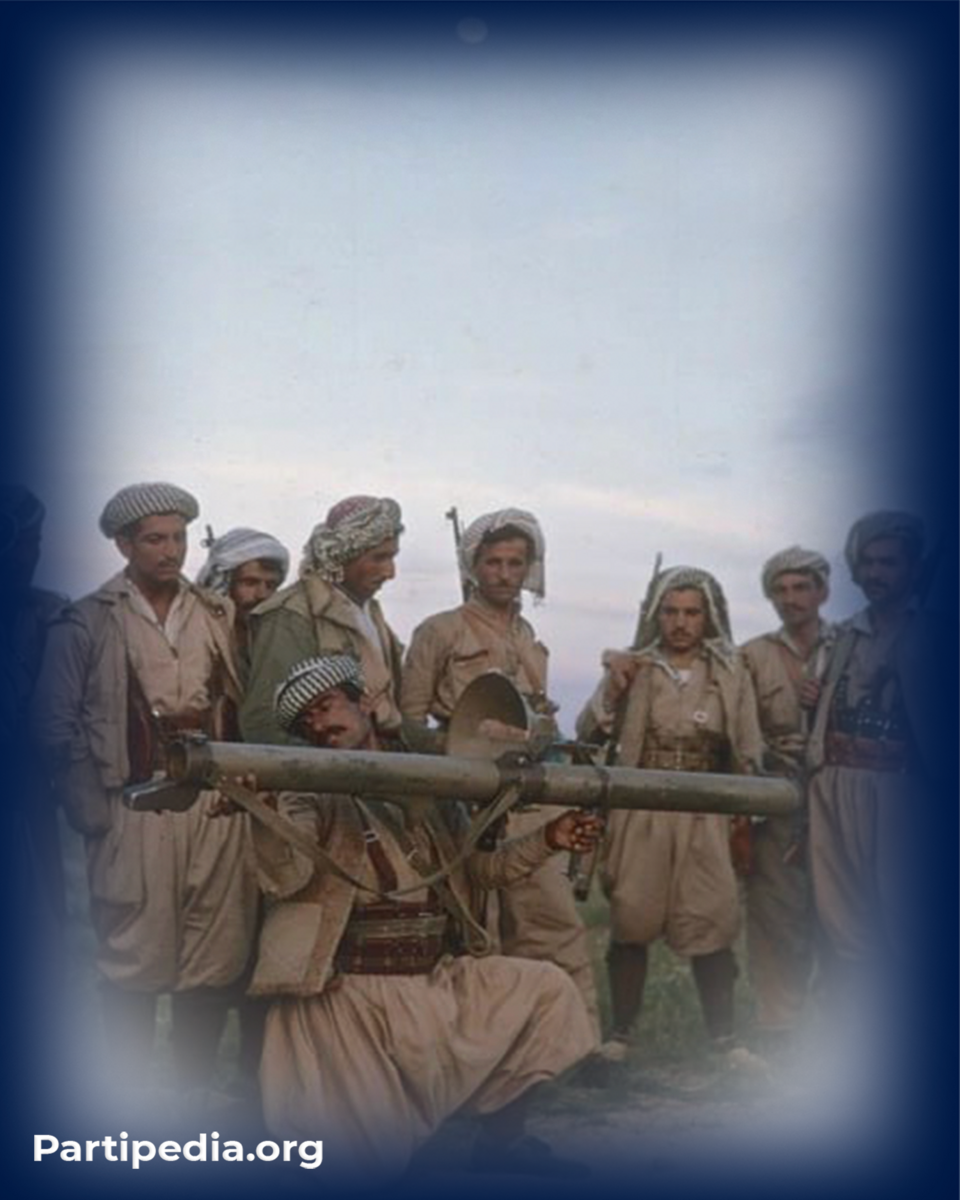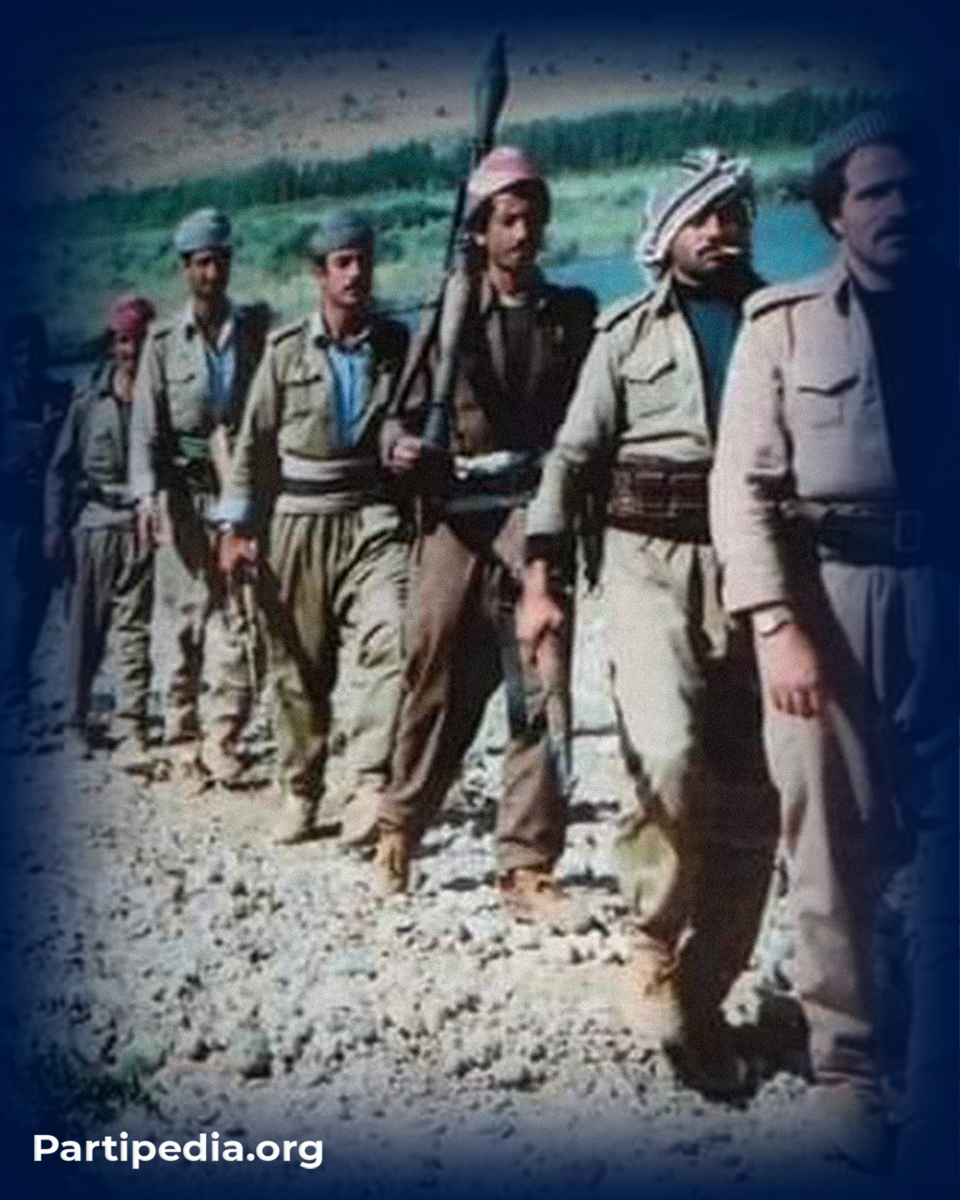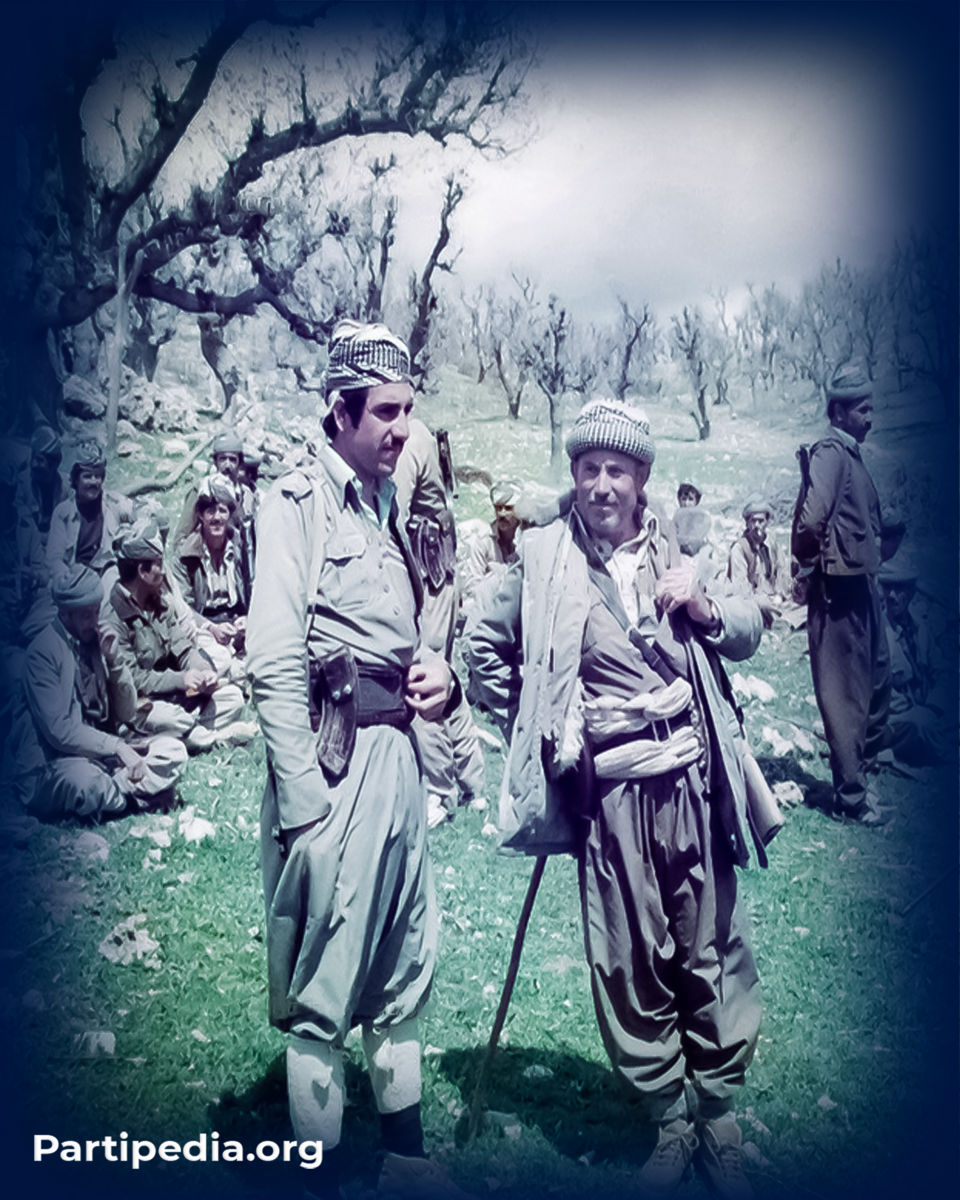



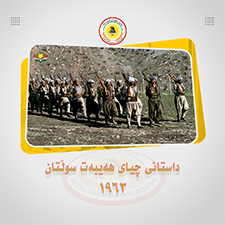
The story of Mount Haybat Sultan took place on June 25, 1963, when the Iraqi government resumed its military campaign against Kurdistan. Although the army and mercenaries suffered a major defeat in the first attack, they captured Mount Haybat Sultan in the second attack Ranya and Betwata.
In the summer of 1963, the Iraqi government re-imposed war on Kurdistan with a disastrous plan, rejected peace talks and resumed a campaign of destruction of Kurdish towns and villages, especially in areas under revolutionary control, after the Ba'athists seized power in a military coup take it in your hands.
After the occupation of Koya and the massacre of dozens of innocent civilians on the orders of Taha Shakarchi, the commander of the Iraqi army, the Peshmerga forces were forced to retreat to Mount Haibat Sultan to establish a line of defense Other Peshmergas went from the Pirar base to strengthen the line of defense, one under the command of Fars Bawa and the other under the supervision of Wso Dzeyi.
The Iraqi government was preparing for a major offensive against Mount Haibat Sultan on the eastern outskirts of Koya, led by Colonel Saeed Hamo, commander of the fifth brigade of the second division They were entrusted with the protection of the area.
On June 25, 1963, the Iraqi army, supported by a force of mercenaries (jash), several armored units and an artillery battalion, attacked the Peshmerga positions The army and the jashes suffered heavy casualties, leaving several dead bodies on the battlefield, while the Peshmerga forces had one martyr and three wounded.
After the victory, the commander of the battle front, Omar Dababa, sent a letter to Mustafa Barzani The Supreme Leader of the Kurdistan Democratic Party (KDP) and the Political Bureau of the Kurdistan Democratic Party (KDP) explained the situation and the results of the fighting.
After a while, the Iraqi army reorganized its forces and began to prepare for another attack. Two more infantry battalions came to their aid. They thought they could attack the Peshmerga positions again, but this time they resumed their attacks with great difficulty The Peshmerga positions were very difficult to resist, and the lack of ammunition and weapons was another problem of the Peshmerga, so they decided to leave the line of defense and retreat towards Betwata and Ranya. With the capture of the mountain, the government stopped attacking the area, and then some of the forces involved in the fighting joined the forces that attacked the Mergasur area.
After the end of the attack and the hit of the target by the Iraqi army for a while the fighting and attacks of the Iraqi army calmed down and the region saw some peace, which was a favorable opportunity for the Peshmerga forces to reorganize their forces were made.
resources:
1- Massoud Barzani, Barzani and the Kurdish Liberation Movement, Volume III, Part I, The September Revolution 1961-1975, first edition 2004.
2- Ibrahim Jalal, South Kurdistan and the September Revolution, Building and Destroying 1961-1975, Fourth Edition,
3- Khoshaw Ali Kanialnji, Memoirs of Aziz Qazi Surchi, Danishfar Printing House, Erbil,
4- Khurshid Shera, Khabat u Khoen, Memories of the Peshmerga Struggle Years, Third Edition, Erbil,
5- Sayed Kaka, Birwari Peshmergayek, Ministry of Culture Printing House, 1st Edition,
6- Ghazi Adel Gardi, Peshmerga in the Service of Barzani's Path, Haji Birokhi, Volume 1, Second Edition, Turkey,