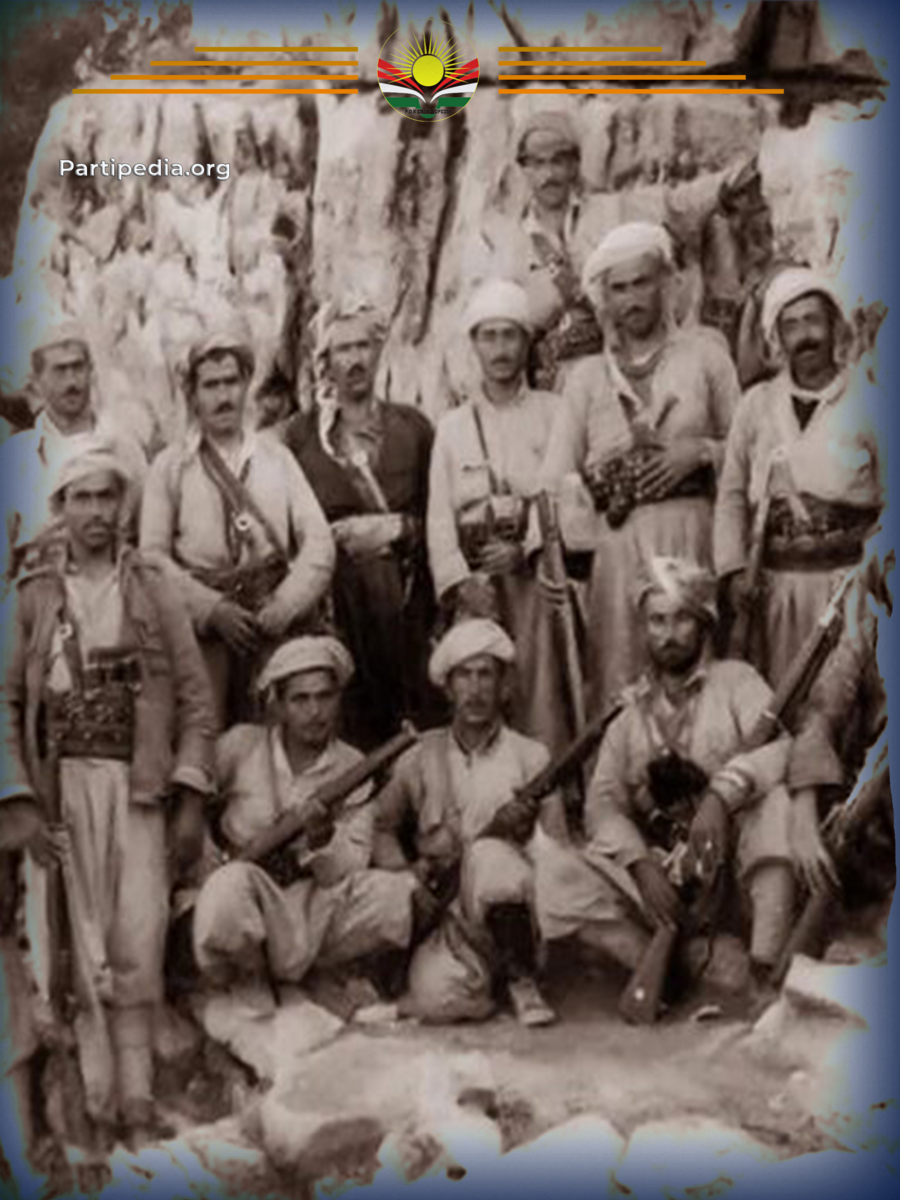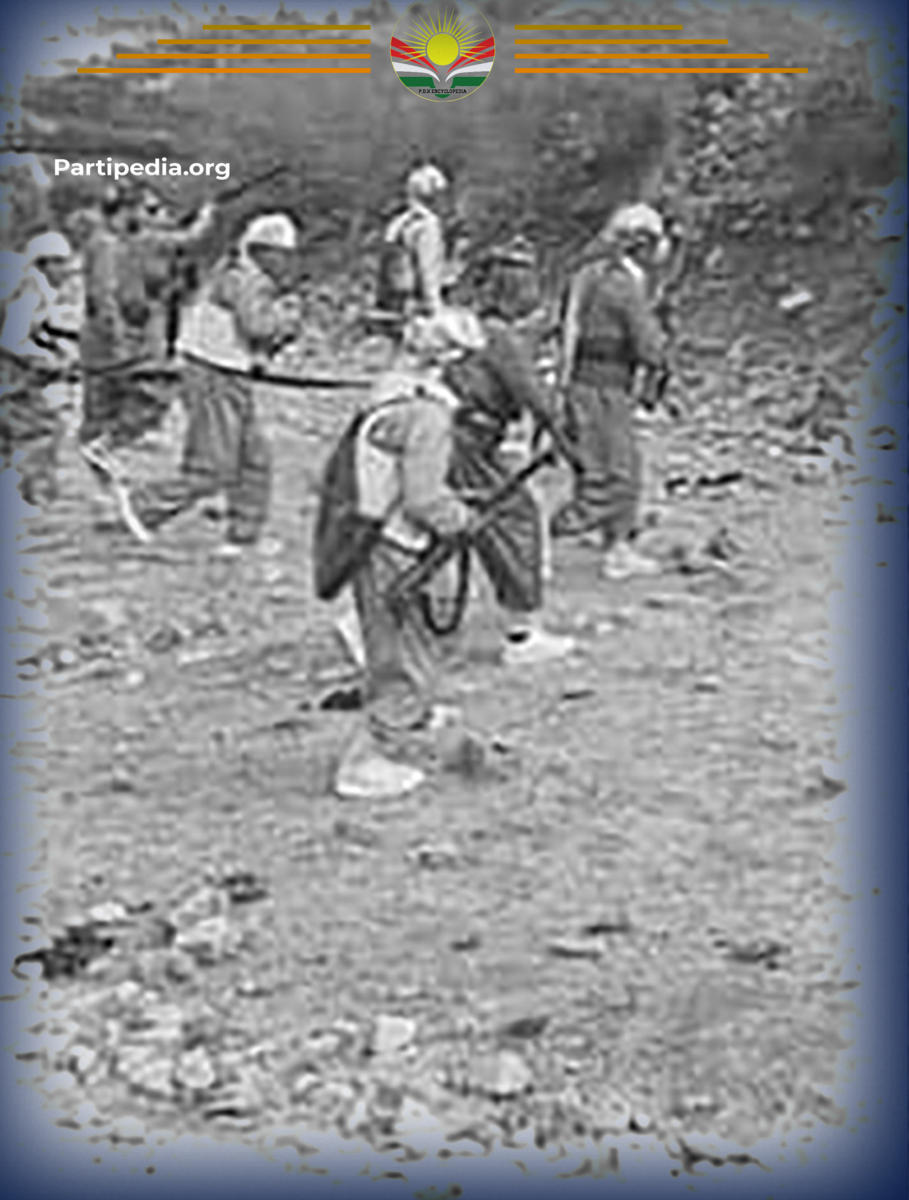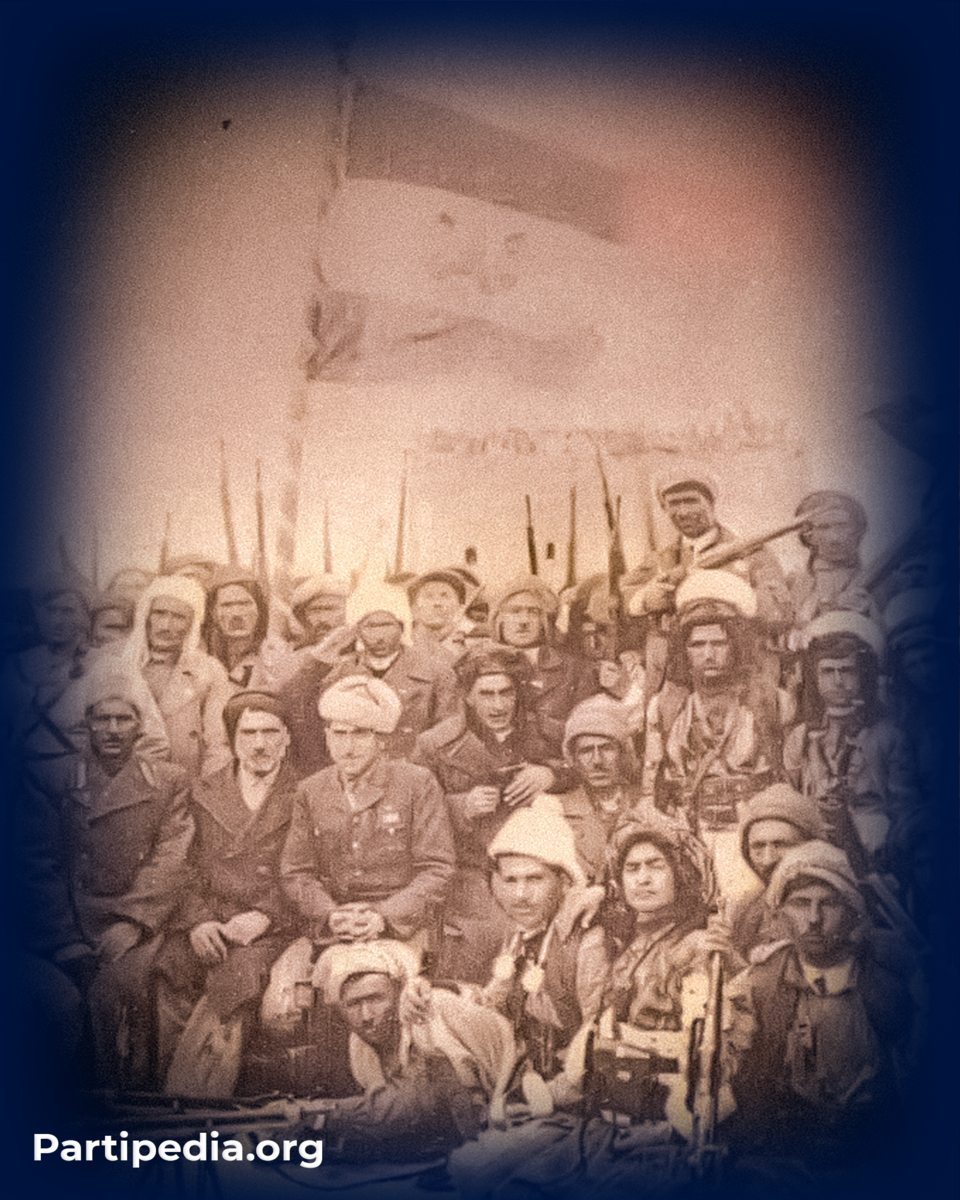



To seize control of the mountain, the revolutionary leader Barzani consulted with Peshmerga commanders (Rais Bakr, Muqaddam Aziz Akri, Haji Baroukhi, Mahmoud Kawani, Shakir Bek Oghzbek Zarni, Rahman Sheikh Wasani, and Mirka Agha Khailani) to devise a plan to attack the barracks located on the mountain. This mountain was a crucial point on the map of Kurdistan because it overlooked the Erbil Plain and was a strategic location connecting the regions of Erbil, Khoshnawti, Soran, and Balkayti. It also served as a gateway connecting Peshdar, Bitwin, and Sulaimaniyah. Therefore, the government consistently sought to control the area, believing that control of Mount Safin would pose a significant threat to the Balkayti region, which was the revolutionary command center.
There were several points that the Peshmerga forces considered crucial for launching the attack and implementing their plan to capture Mount Safeen by attacking them first. These included the barracks from Kani Shilana to Kani Kuiz. With the start of the raid on the barracks at 5:00 AM on August 23, 1962, the Peshmerga forces were able to capture the villages of Kani Shilana, Kani Kuiz, Baneh Nok, and Khoran in a short time. They also inflicted heavy losses on the Iraqi army, killing 52 soldiers, most of whose bodies were left on the battlefield and fell into Peshmerga hands. In the following days, they attempted to recover the bodies of their dead with the help of local religious figures and clerics. This battle for Mount Safeen was the first for the Peshmerga forces at the beginning of the war. September Revolution Three Peshmerga fighters were killed and three others were wounded.
After capturing Mount Safin, Peshmerga units began moving around the mountain, searching for positions to launch further attacks against the Iraqi government and carrying out other Peshmerga operations, including capturing army, police, and collaborator (Jash) bases. With the approval of the revolutionary leadership, the Peshmerga forces decided to seize the Komsapan police station and surrounded the fort. The commanders wanted to end the fighting without bloodshed or casualties. The policemen who had taken refuge inside were to surrender to the Peshmerga forces. They asked the village chief to visit the police station and speak with them about this.
However, the situation persisted for several days, and the siege lasted three days as they awaited the police's surrender. The police, led by Corporal Fayzi, seemed determined to defend themselves and not surrender, but they were in contact with their superiors for assistance. Therefore, the Iraqi army twice attempted to attack the area to break the siege of the fortress and rescue the police, but their efforts failed because the Peshmerga forces repelled their attacks each time. The Peshmerga had vowed to capture this police station at any cost.
The Iraqi army tried for the third time and adopted a cunning plan to control the Peshmerga forces in the rear and from there reach the police station and break the siege, but the Peshmerga forces were able to thwart the Iraqi army’s tactics, fire at them from behind, cancel their plan and expel them from the area.
The police's situation was deteriorating. When they despaired of the Iraqi army coming to their aid, they attempted to escape under cover of darkness. However, the Peshmerga forces realized their plan, approached the fortress, and tightened the siege. As darkness fell, the police opened the fortress gate, lined up, and tried to flee. At that moment, the Peshmerga opened fire. After one policeman was wounded, the others all raised their hands and surrendered. The Peshmerga then seized the fortress, entered the police station, and captured all the weapons, ammunition, and equipment stored there.
The battle to capture the Komsban police station fortress was led by military commanders Rashid Peshuni and Fikri Birukhi, as well as leaders Ahmed Mustafa Kanilnji and Mullah Amin Houstani. The entire Khoshnawti region fell under the control of the revolution, and the same organizational structures and activities implemented in Badinan, Bradost, and Balkayti were adopted, including party politics and the establishment of Peshmerga bases and headquarters. Barzani entrusted Khoshnawti to Bakr Abdul Karim and appointed Mahmoud Kawani as his assistant. Khoshnawti thus became a stronghold of the revolution, thanks to the people's support, generosity, loyalty, and unwavering support. However, the courageous Peshmerga commander Mahmoud Kawani was soon targeted by shelling and seriously wounded. After being transferred to Shorsh Hospital in Batwata, he succumbed to his injuries on Saturday, September 1, 1962. He thus bid farewell to the revolution and his homeland.
Sources:
1- Masoud Barzani, Barzani and Bazutni and Ezgari Khwazi Kurd, Barki Seyyim, Besh-e-Yekum, September 1961-1975, Chapi. Here they are 2004.
2- Khorshid Shireh, Khabat and Khuwayn, Persian Safani Khabatai Peshmergayti, Scientific Reports, Holler, 2015.
3- Ghazi Adel Ghardi, President of Khazmeet Ghazi Bazar Ghazi Adel Ghardi, President of Khezamette Barzanida Haji Beykhi, May God protect you, Turkey, 2021.
4- Aari Karim, the name of God, the name of Allah, the Most Merciful, the Most Merciful, the most beautiful, the most beautiful, the most beautiful, the most beautiful, the most beautiful, the most beautiful, the most beautiful, the most beautiful, the most beautiful, the most beautiful, the most beautiful, the most beautiful, the most beautiful, the most beautiful, the most beautiful, the most beautiful, the most beautiful, the most beautiful, the most important, the most beautiful, the most beautiful, the most beautiful, the most beautiful, the most beautiful, the most beautiful, the most beautiful, the most beautiful, the most beautiful, and the most beautiful, the most beautiful, and the most beautiful, and the most beautiful, and the most beautiful, and the most beautiful, and the most beautiful, and the most beautiful, and the most beautiful.
5- Shawkat Mala Ismail Hassan, “The Messenger of Allah, peace and blessings of God be upon him”, “However”, 2007.