

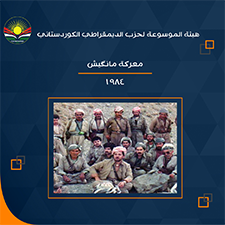
The Iraqi government was constantly engaged in military operations to impose its authority on all cities, towns and villages in Kurdistan, especially in areas where rumors circulated about the presence of Peshmerga forces. The Baath regime was responsible for the setback of one of the largest Kurdish revolutions in years, through an international plan on March 6, 1975. It thought that it could prevent the revolution from rising again. The Baath government was forming forces, organizing operations and launching military campaigns against the Peshmerga forces and organizations that appeared in every corner of the different regions, with the aim of eliminating them.
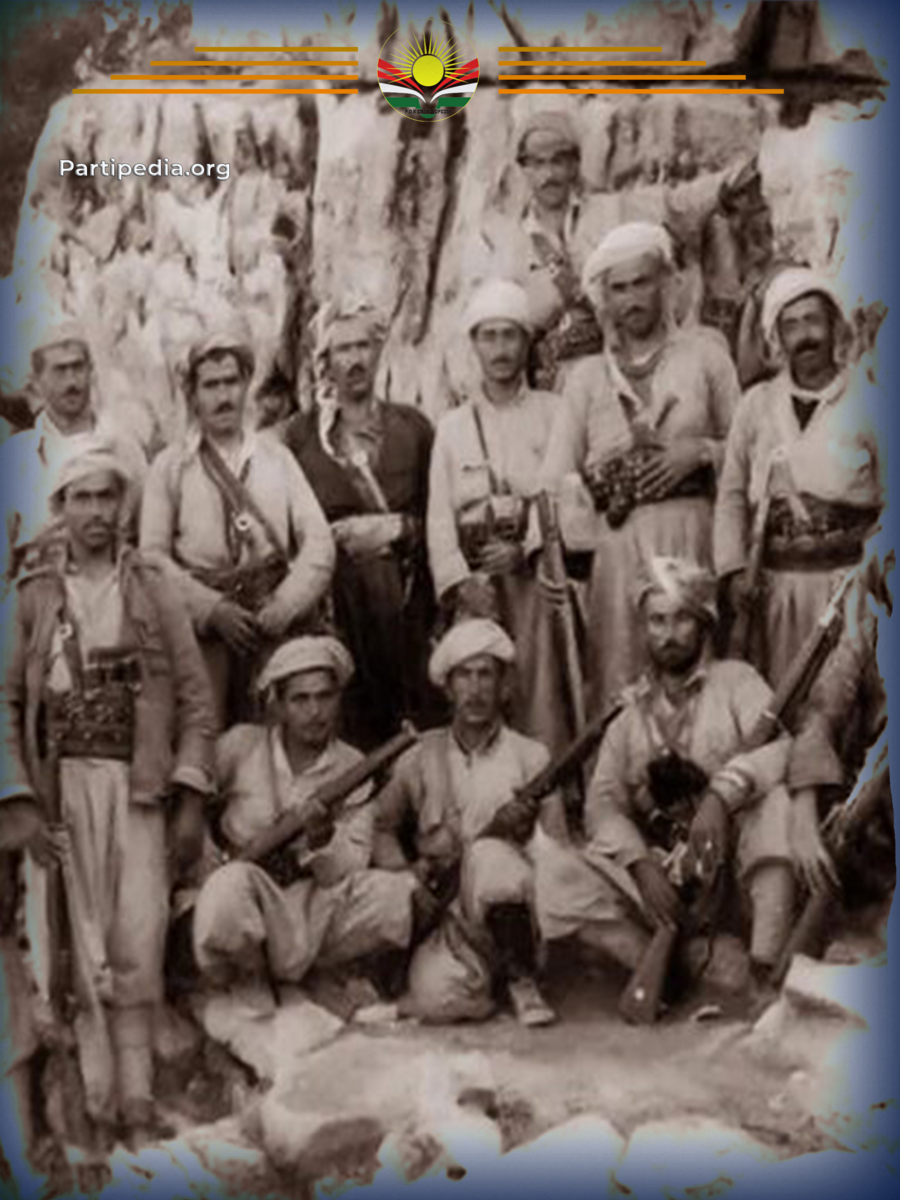
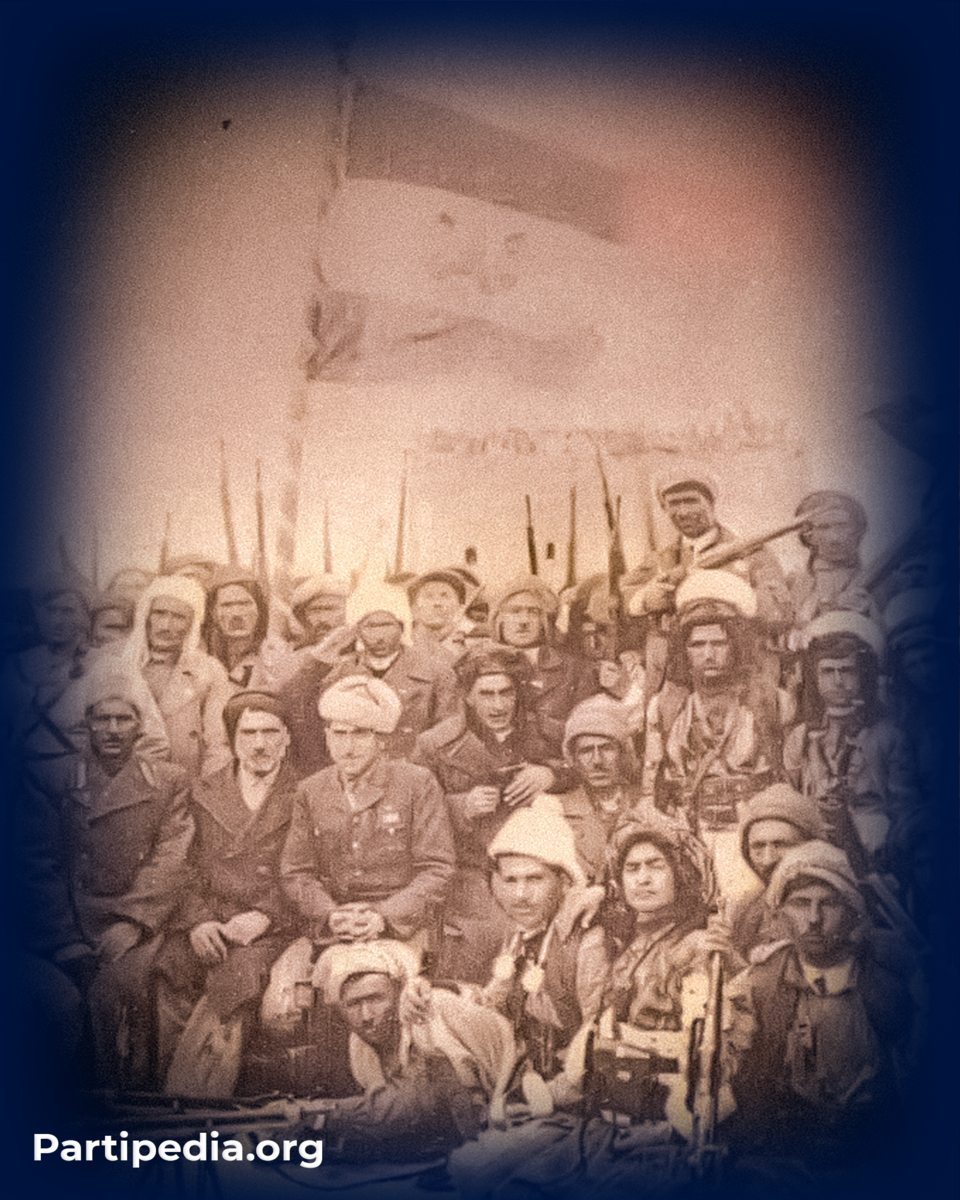
One of the military operations carried out by the Iraqi army to suppress the voice of the revolution, with the support of mercenaries (Jash), was the attack on the Mangesh area north of Dohuk. It was a large-scale attack on the borders of the Dohuk local committee of the Kurdistan Democratic Party in August 1984, with the aim of eliminating the Peshmerga forces and removing them from the area. However, the Peshmerga forces strongly resisted the attack and prevented the advance of the large government forces.
After a fierce battle, the Peshmerga forces inflicted heavy losses on the army and mercenaries, resulting in the death and injury of a large number of fighters and the capture of several others. In the battle that took place between the villages of Galnaski and Alandki, many mercenaries were killed, including Abdullah Zebari, the brother of Latif Zebari.
It appears that such military operations carried out by the Iraqi government against areas where revolutionary activities were taking place were a result of the echo and continuation of the struggle and revolution there. On the other hand, the government was unable to achieve the goal it had been fighting for for decades throughout successive regimes until the Baath Party came to power. All these wars and invasions caused great human and material losses for the Baath government.
Sources:
-
Mahsoud Barzani, Barzani and his wife, Khazgari Khwazi Kurd, Barghi Chowarham, 1975-1990 Shirshi Gohan, Bahshi Douham, Chapi Hekhem, Chapkhana Oksana, 2021.
-
And Hali Zubair Hasistani, Chand Dastan and Wudaw, and Bahsharatik has Shishsh and Abha Hinhkani Barzanda, the chapi of Hikam, Chapkhana, November 2017.