

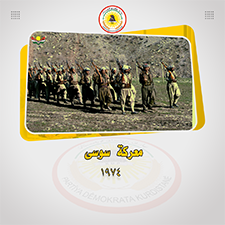
After the negotiations between the leadership ended September Revolution The Iraqi government reneged on the terms and articles of the agreement and imposed war on Kurdistan once again. The situation escalated and deteriorated, entering a phase of military confrontations. In April 1974, the Iraqi army launched its attacks on Kurdistan. These attacks began after the army amassed all its military capabilities, including soldiers, hundreds of modern tanks, and all types of air power, with the aim of crushing the revolution.
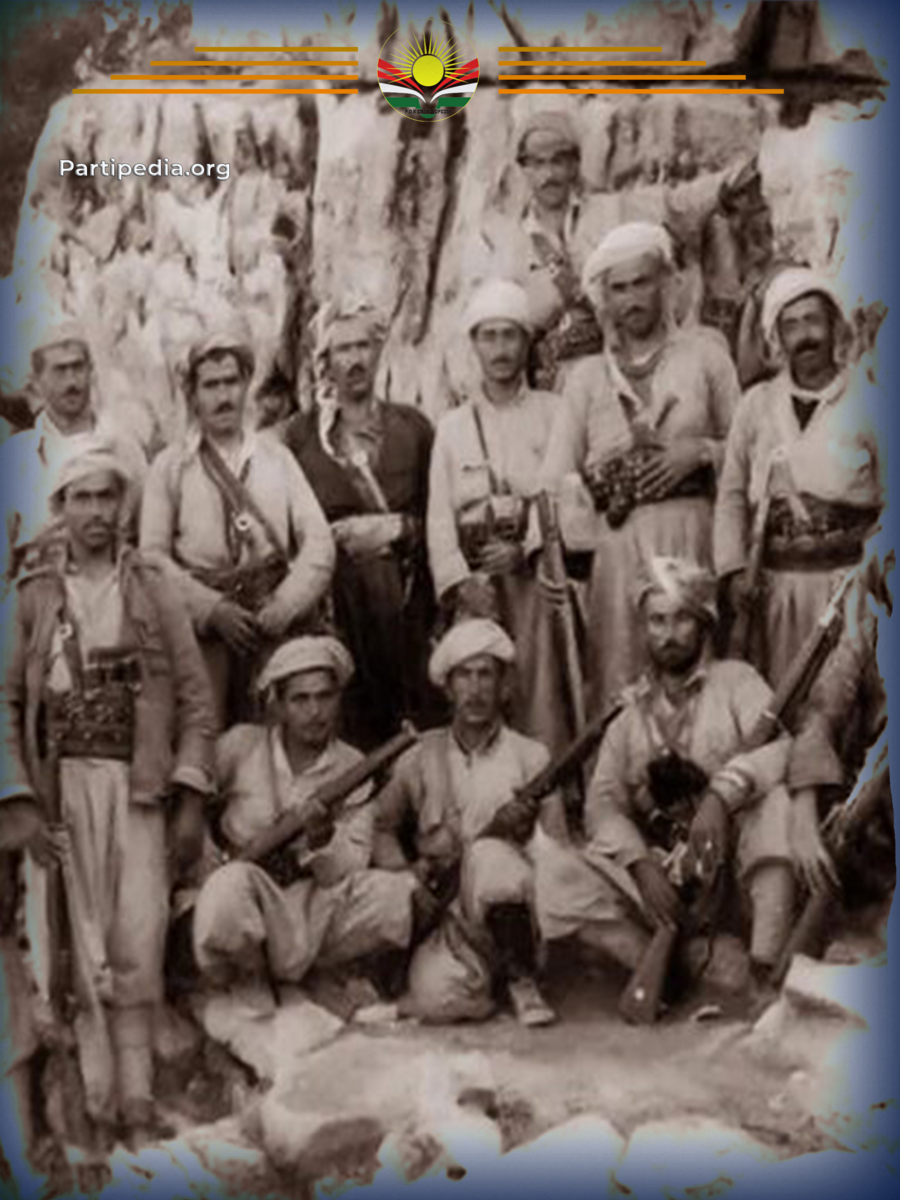
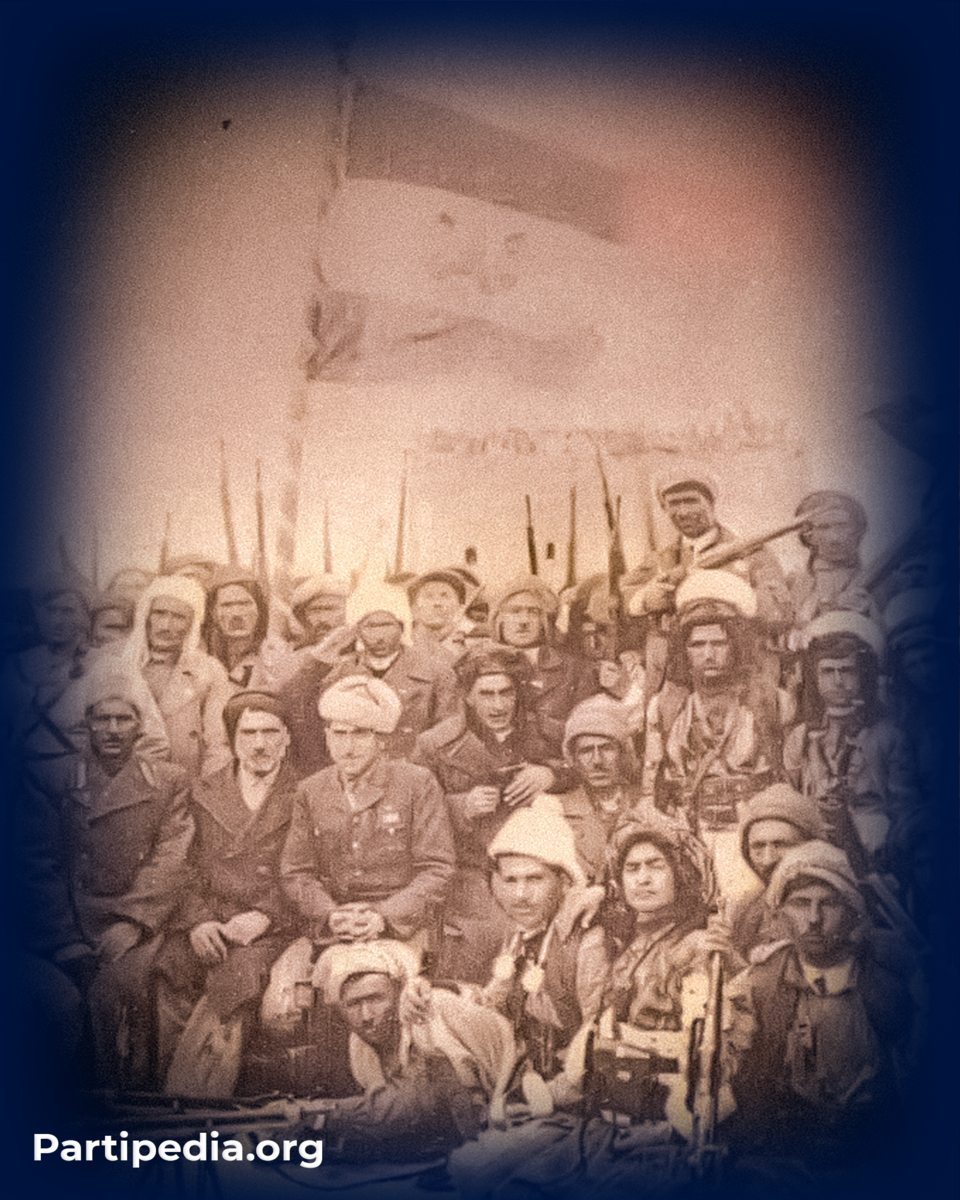
Before the battle began, the Kurdistan Peshmerga forces took a series of steps as a reaction, preparation, and response to the expected attack by the Iraqi army. Among these was the Third Regiment - Surdash, affiliated with the Rizgari Force. This regiment besieged the Susi camp, where a military unit of the Iraqi army was based. In May 1974, the Iraqi government tried to break the Peshmerga siege on this camp, and the army moved from Sulaymaniyah and Dukan towards the region. The Peshmerga forces consisted of the Third Regiment of the Rizgari Forces, led by Anwar Azur, and they put in place a plan to counter the Iraqi army's attack on the Sulaymaniyah-Dukan road.
The Kuikha Ismail Talane Company took up its positions and fortified itself in the village of Kanikhan, the Abdullah Haj Rashid Company in Tasluja, and the Omar Hama Ali Company was placed on alert at the village of Kalwanan. The regiment's headquarters was in the village of Khar Ziwi, and the Hama Tal Haj Qaderbek Company was fully prepared to repel the attack at the village of Khar Ziwi.
The Iraqi army launched its attack from Sulaymaniyah. Abdullah Haji Rashid's company, entrenched in Tasluja, confronted them, and bloody clashes ensued. The Peshmerga forces inflicted heavy losses on the Iraqi army, but they were unable to resist for long due to the overwhelming size of the Iraqi forces, both in terms of soldiers and tanks, and their own small numbers, especially after the martyrdom of company commander Abdullah Haji Rashid and platoon commander Sheikh Jaafar Kuliji. The Peshmerga forces withdrew from the position, and the Iraqi army continued its advance, targeting the Susi camp.
After the Iraqi army, supported by tanks and mercenaries (Jash), breached the Peshmerga's defensive lines in Tasluja and continued its advance towards the Susi camp, it believed there was no Peshmerga defense ahead. However, it was surprised when the Peshmerga forces, six kilometers from the Susi camp, launched an attack on the army, destroying two tanks with RPGs and killing a number of soldiers and Jash. The Peshmerga forces prevented the army from reaching the besieged camp, but after the martyrdom of two of their comrades, Ibrahim Kani Shaitan and Rahim Qamish, and the wounding of the battalion commander, and in order to avoid leaving the martyrs' bodies on the battlefield and preventing them from falling into the hands of the army and being taken to the rear positions, the Peshmerga forces withdrew. Thus, the way was open for the Iraqi army to break the siege of the Susi camp.
Sources:
-
Sehanghar Ebrahim Khishnaw: “Woodawah Sahrbazikani Shih Eyilul 1970-1975”, “Chapi Yehkeham”, “Chakhani Danishif”, Höller, 2022.
-
Shawkat Mulla Ismail Hussein: The Ministry of Foreign Affairs, 1961-1975, Ministry of Foreign Affairs, Holler - 2007.
-
Karwan Gohar Muhammad: Idris Barzani 1944-1987