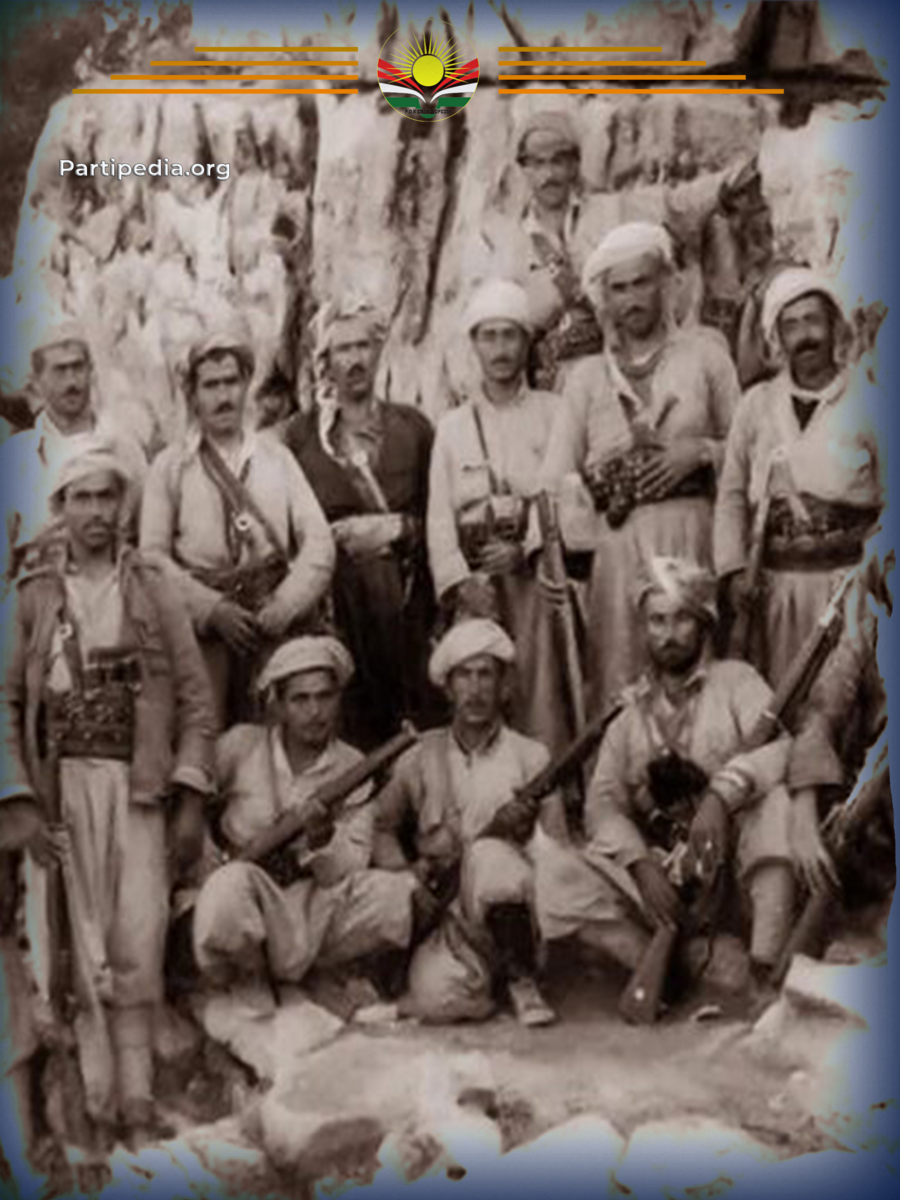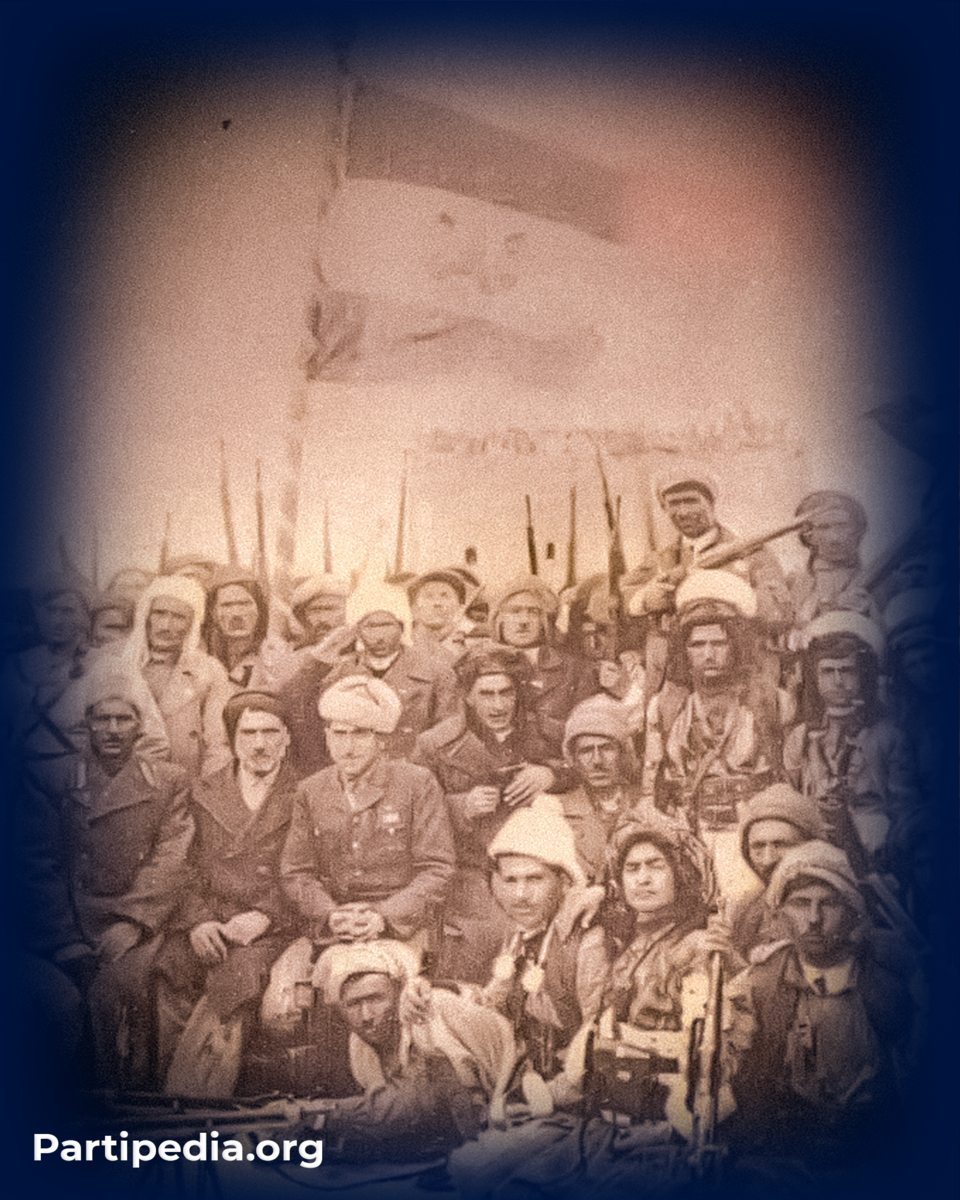



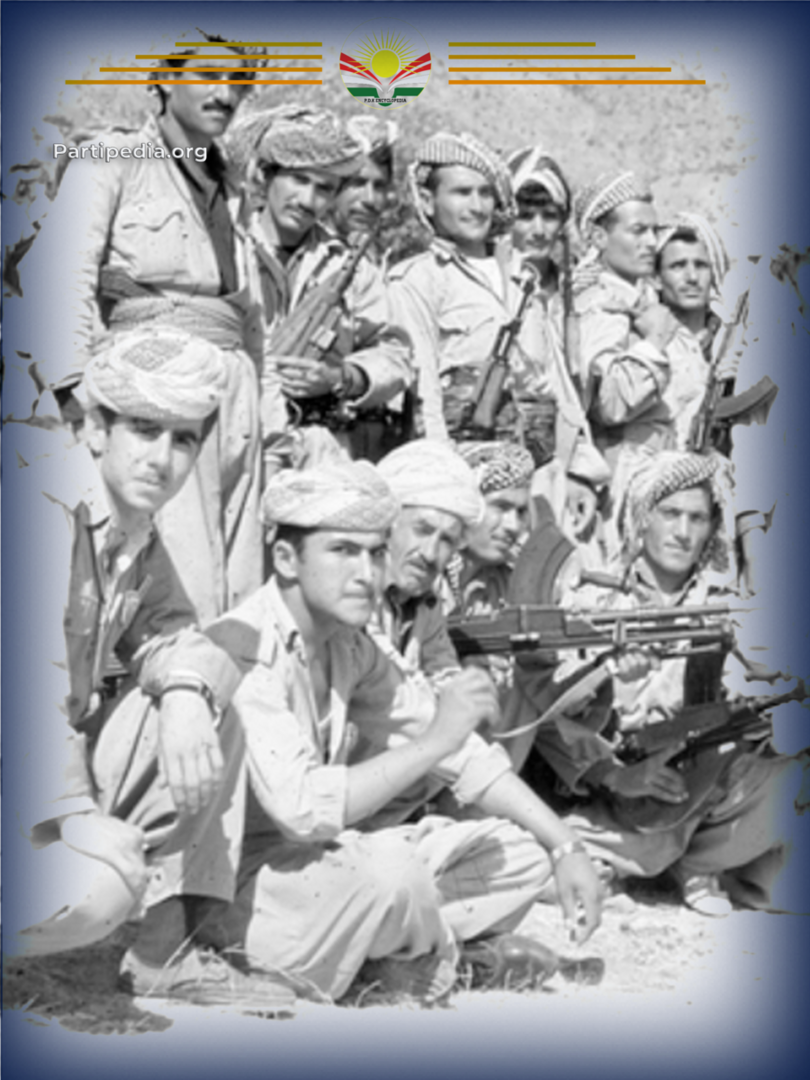
The relationship between the revolution and the Iraqi government under the Baath Party, which seized power for the second time, was going through a special situation, especially in late 1968 until the end of 1969. The reason for this was that the old Political Bureau clique had turned against the revolution and established relations with the government. Their forces, along with the Iraqi army forces, launched daily attacks on areas under the control of the revolution, and were somewhat advanced in the areas of Wadi Jafati, Siwil, Sharbazhir, Sarujk, Halabja, Bayara, Tawila, Dokan, Bitwin, Pishdar, and Ranya.
Government forces suffered heavy losses at the hands of the Peshmerga in their attacks on Surdash. Therefore, like rabid wolves, they attacked a different area each day—Jasna, Ganjina, and Qamchugha—in an attempt to regain control. However, their efforts were unsuccessful. After these defeats inflicted on the army by the Peshmerga, Hardan al-Tikriti, the Minister of Defense at the time, visited Kurdistan and devised a plan with the 1st and 2nd Divisions for a large-scale attack on the rebel-held areas within the Sulaymaniyah region. On October 25, 1969, government forces, supported by tanks, artillery, armored vehicles, warplanes, and a large number of mercenary fighters, attacked the areas of Qal'at Diza, Mount Asos, Marga, Kyursh, Wadi Shahidan, Zanirah, and Mount Azmar. A long and bloody battle ensued across a wide geographical area. In the Qal'at Diza area alone, the 7th, 14th, and 20th Brigades, along with a regiment, participated in the attack. And several companies of commandos.
Although the Iraqi army managed to reach Qaladzeh after numerous attempts and 14 days of resistance from the Peshmerga forces, it suffered heavy losses, particularly in the Shahidan Valley, where the battle raged for months, and at Mount Makuk, where government forces suffered a major defeat. In the Surdash region, the Iraqi army launched several successive attacks on Peshmerga positions in Qizlar, Qalqala Jasna, Ganjina, Qamchugha, and Mount Sara, but all these attacks failed, resulting in significant casualties. Furthermore, forces loyal to the old political bureau faction also launched attacks, in coordination with the Iraqi army, against the Peshmerga and areas under the control of the revolution.
In mid-November 1969, as part of the general offensive of the government forces, a large force from the aforementioned group advanced from the vicinity of Lake Dokan with the intention of attacking the Peshmerga forces and their command center in Mount Surdash towards the village of Barjalo. A force of Peshmerga led by Haji Sheikh Qadir, the battalion commander in the Rizgari force, confronted them fiercely and did not give up until they inflicted defeat upon them, leaving the bodies of 13 militants on the battlefield. The remnants of their force fled and took refuge in the army camp in Dokan.
This indicates the fact that the old political bureau faction continued to betray the September Revolution with the cooperation and support of the Baath regime. This was a plan and a test by the new Baath regime to understand the extent to which the aforementioned group could triumph over the Kurdistan Revolution and achieve their dreams, which were to disrupt the revolution, but their efforts did not succeed and failed.
Sources:
1- Ibrahim Jalal, Başuri Kurdistan, and the people of Kurdistan, 1961-1975, 2021.
2- Masoud Barzani, Barzani and his wife, Ezgari Khawazi Kurd, Barki Seyyem, Bash Douman, September 1961-1975, next to them, (Iraq - 2004).
3- Aari Karim, “Change Laptops,” (Dehsek - 1999)
4- Khishoy Ali Kani Linji, Persian Aziz Qazi Hamid Sourchi, (Channel Danishfar - Hewler - 2023).
5- Hawkar Karim Hama Sharif, SHORSHEY EYLOOL.