

Preparations:
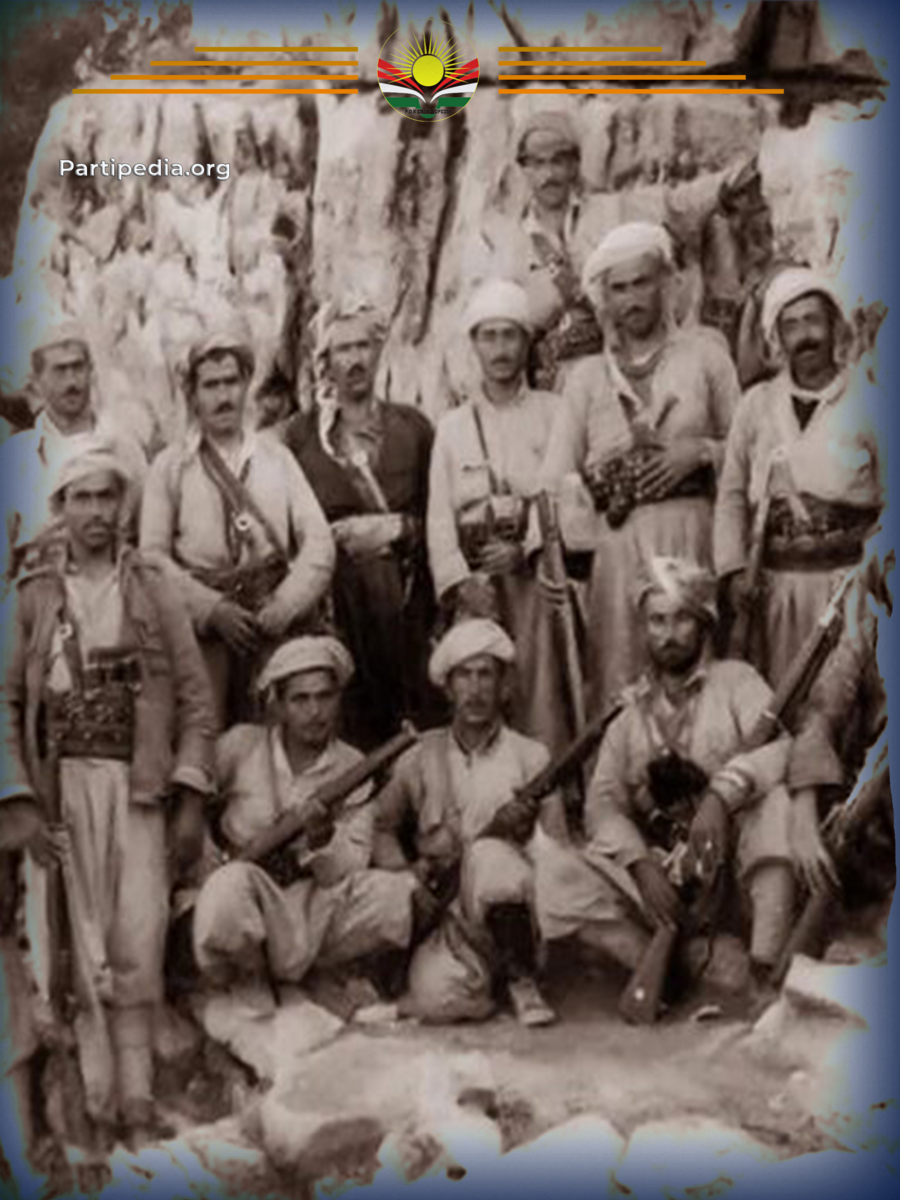
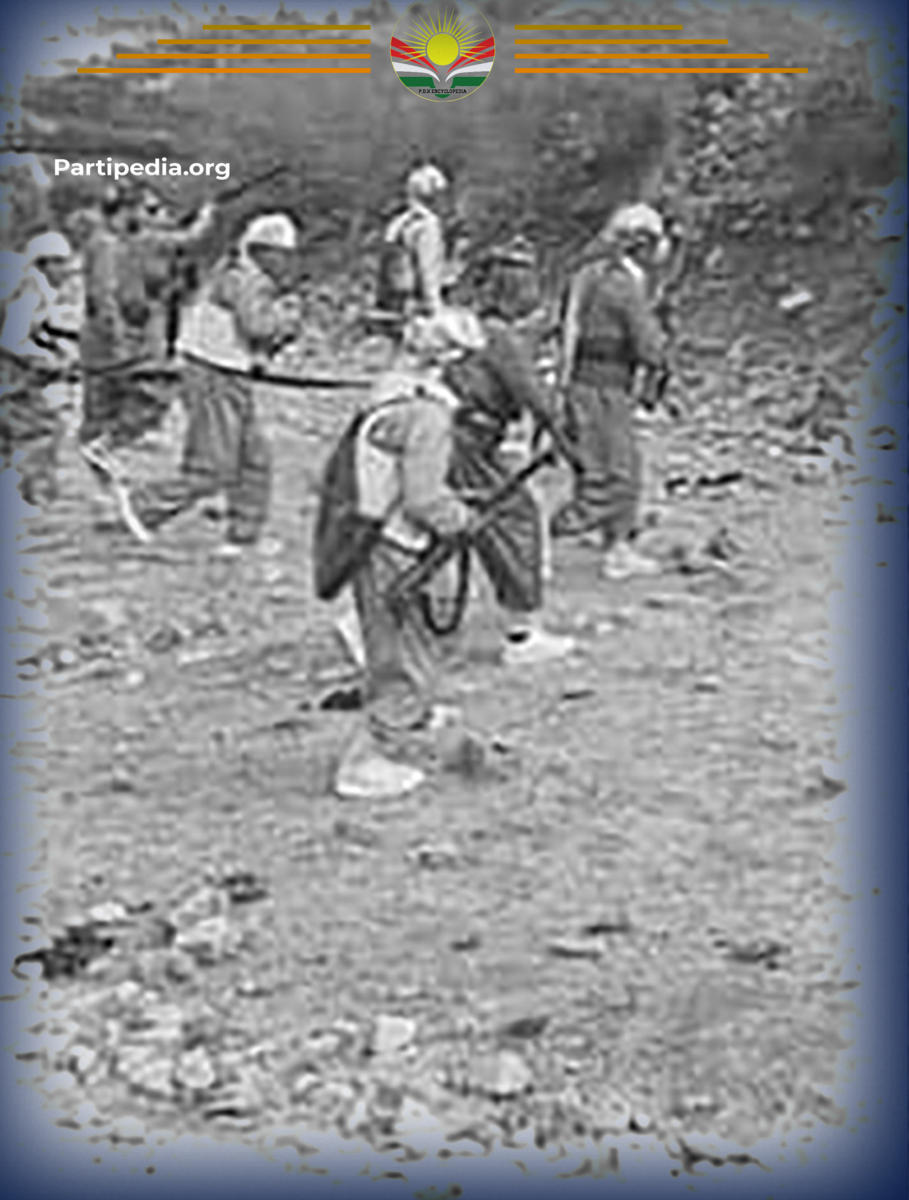
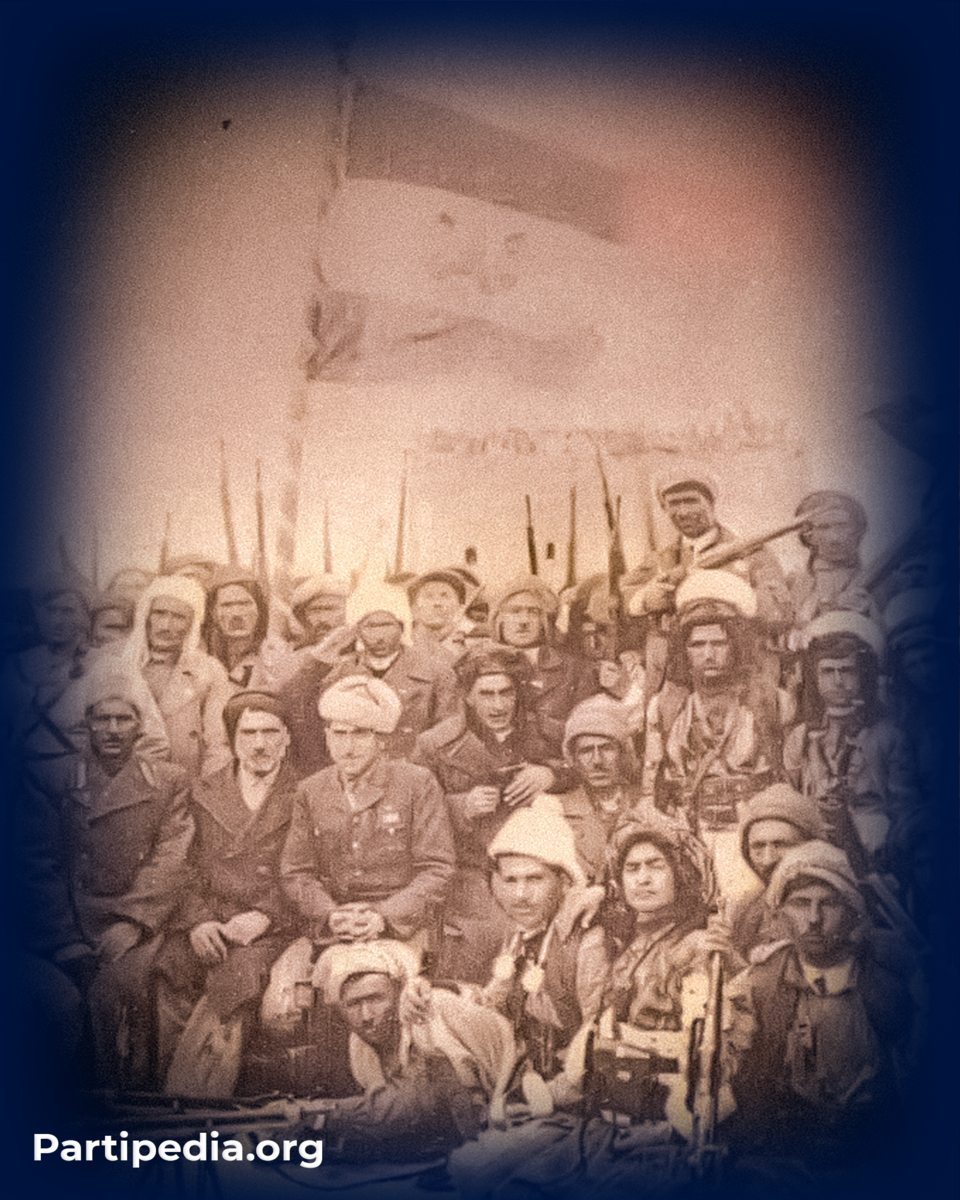
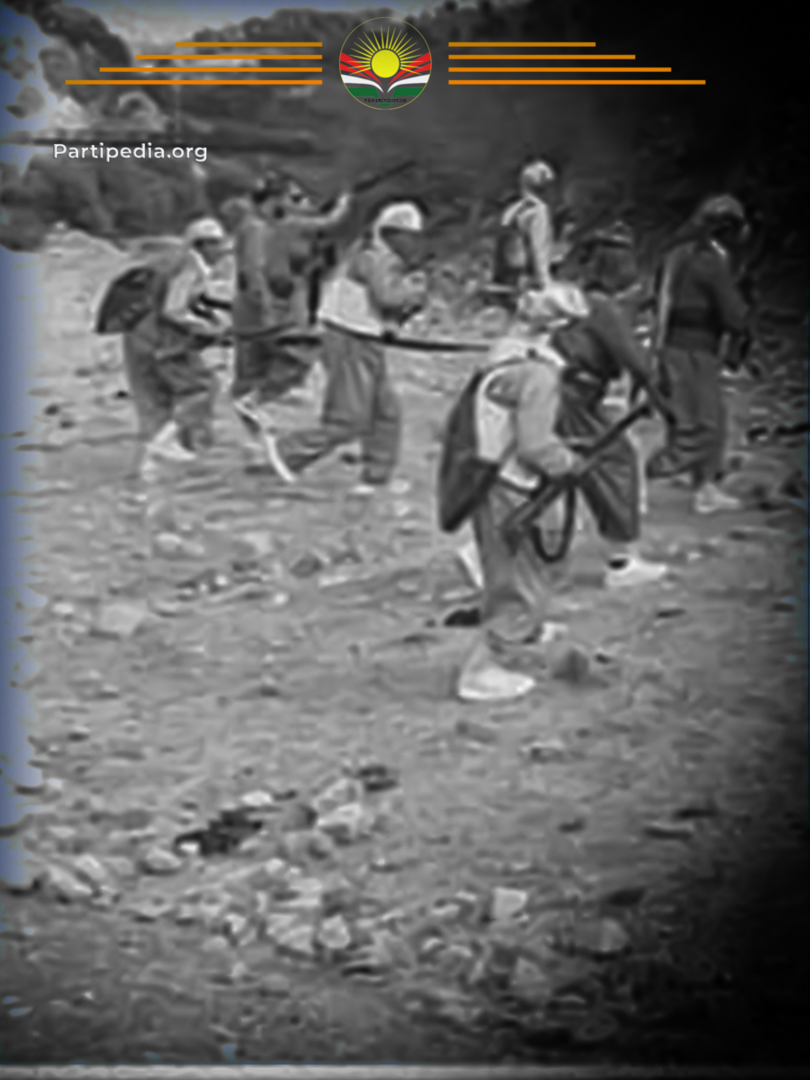
More than a year after the ceasefire between the Iraqi government and the September Revolution, Abdul Salam Arif's regime reneged on its promises in the ceasefire agreement, and in late March 1965 it reimposed war on Kurdistan, believing that the division Kurdistan Democratic Party The Kurdish revolution presented a suitable time to resume attacks and raids, which would increase their chances of achieving victory. In the autumn of 1965, the Iraqi army launched a major offensive on the Bani Harir and Zintar mountains, and a fierce battle ensued for three days, resulting in the deaths of a large number of soldiers and mercenary fighters.
During that battle, she played Revolutionary Artillery He played a significant and influential role in shelling Iraqi forces, especially camps and encampments in the Harir Plain, using 25mm cannons, which were supervised by an officer. Revolutionary Artillery Lieutenant Khader Abdullah al-Dabbagh, whose artillery inflicted heavy losses on the Iraqi army and caused widespread chaos in its camps. This is evident from the praise and appreciation expressed by Peshmerga commander Younis Rojbayani on the front lines, who thanked and congratulated them via radio for their performance.
The year 1965 and the year that followed were among the most difficult years in the life of the revolution, as it witnessed many fierce battles and great victories were achieved. In that same year, the leadership of the revolution was transferred from the Peshdar region to the Balkayti region until the setback of 1975. Therefore, the government directed most of its strength, energy, and the weight of its ground and air attacks towards that region, with the aim of reaching the leadership of the revolution as quickly as possible and achieving victory over it, and thus inflicting defeat upon it in the near future.
It is clear that those battles that took place during that period lasted for a whole year, without the government being able to achieve a decisive victory. Although it was able to control some cities and towns, the mountainous areas were more suitable for the Peshmerga forces to defend, as they were able to inflict heavy losses on the government forces. This is what actually happened. In general, the Iraqi army suffered heavy losses in those battles, as the bodies of many officers and soldiers were left on the battlefields, and dozens of pieces of different weapons fell into the hands of the Peshmerga forces. This led to the government being forced to increase the number of soldiers and military equipment on the battlefront.
Sources:
1- Hawkar Karim Hama Sharif, Sheikh Eilul, Shabi Yakim, (Chaphani Zanki Salahidin - Holer - 2012).
2- Masoud Barzani, Barzani and Bazutniyeh Ezgari Khwazi Kord, Barghi Seyyim, Bashhiyyikum, SHORSHEY EYLOOL 1961-1975, Chapi, (Holler - 2004).
3- Lieutenant Khadr Abdougou Dabagh, Director of the Ministry of Foreign Affairs, July 2020.
4- Karwan Jawhar Muhammad, Idris Barzani 1944-1987, Jian and Sarbazy’s political leader, the Ezgari Khwazi Kurdada, (Chanafian Hevi - Holer - 2019).