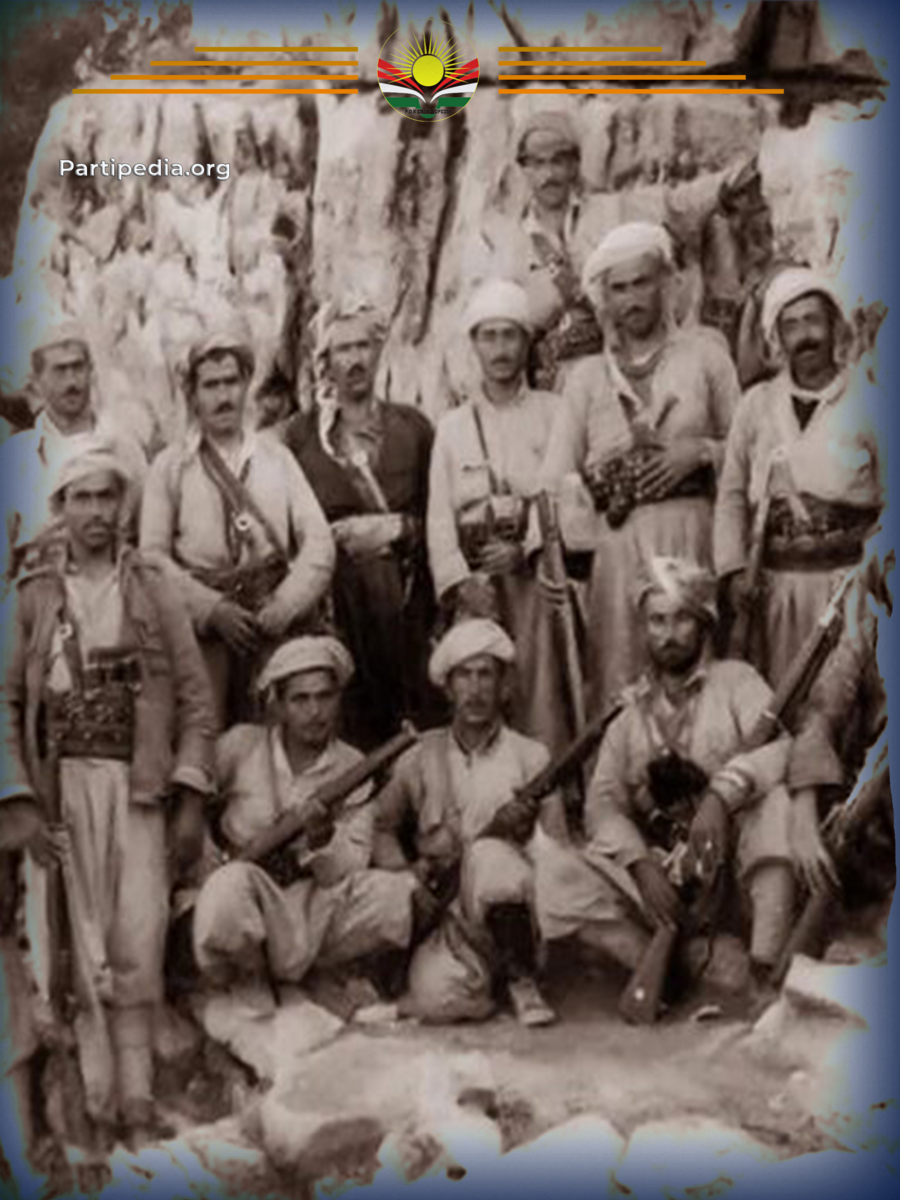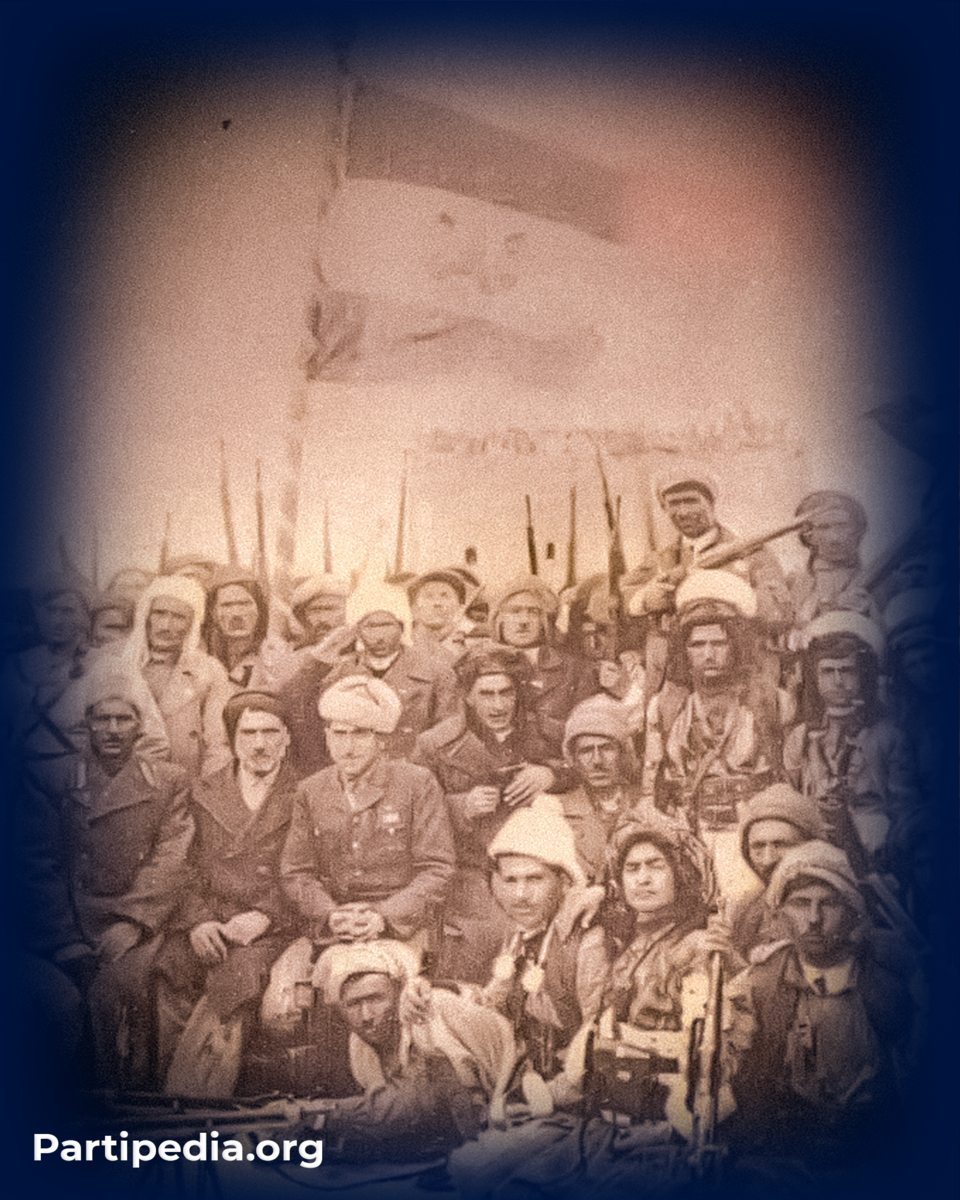


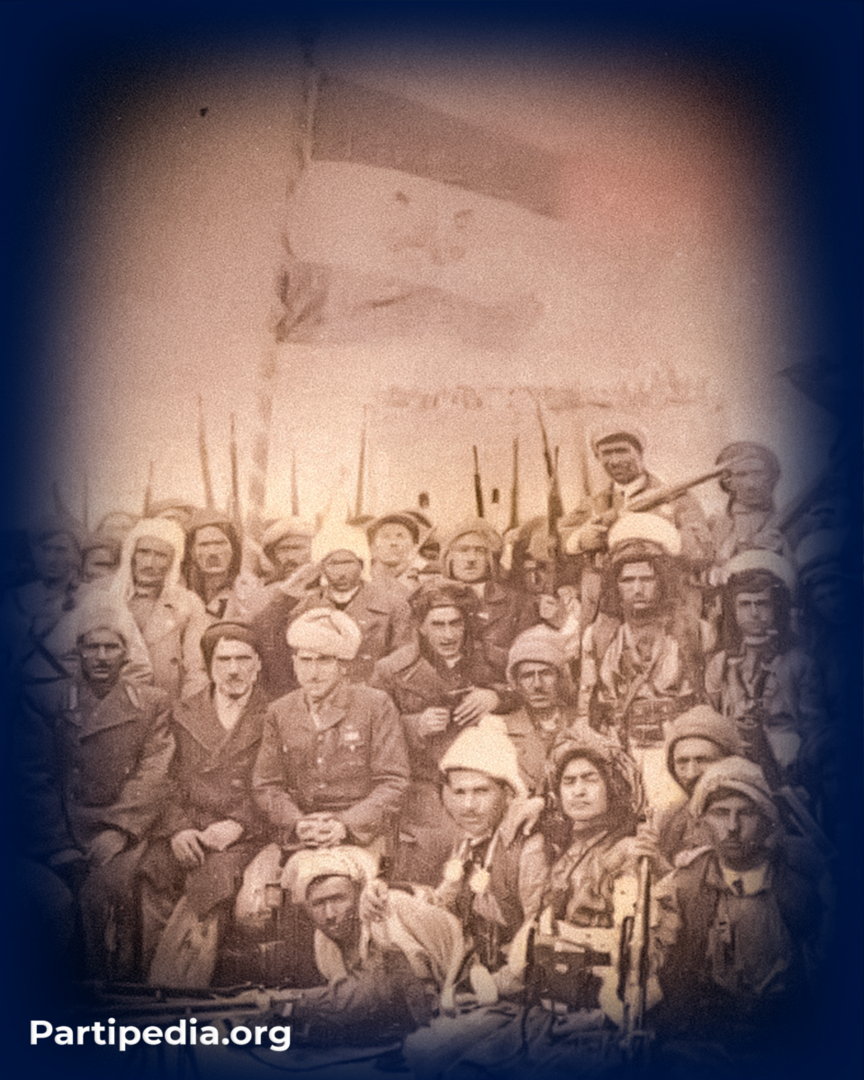
After the Republic of Kurdistan suffered a setback, the Barzani forces, led by Mulla Mustafa Barzani, decided to return to their homeland once again. During the return, they encountered a number of battles and clashes with the Iranian army forces and Kurdish and Turkish tribes loyal to the government. As a result of these battles and defenses, a number of Barzani were martyred and wounded. On the other hand, they were able to inflict significant damage on the Iranian forces. After the decision to wage war against the Barzanis was issued, the Iranian army, on March 15, 1947, taking advantage of the "Qarapakh" infantry force and the soldiers of the Kermanshah force, was able to occupy the heights of Qala Khan Tawus without a fight. This occupation allowed the Iranian army to take advantage of the importance of this location. At 11:00 AM, with the help of the artillery force, the "Wazneh" area was also occupied by the Iranian army. At that time, a number of Barzani’s forces who were in Darband Sheitanabad (1) arrived at that place, and set out from the heights of Wazna towards Khan Tawus Castle, and there they attacked the Iranian forces and the Turks of the “Qara Papakh” clan and inflicted defeat on them, and were able to kill and wound a number of them, including a commander in the Iranian forces named Timuri, but despite all the courage shown by Barzani’s forces in that battle, and because of the arrival of a support force consisting of the third branch of the “Kabiri” regiment led by First Lieutenant Nasiri Pour to “Wazna” and Khan Tawus Castle to provide support to the Iranian soldiers, as well as because of the artillery bombardment launched by the Iranian army on Barzani’s forces, these armed men retreated to the heights of “Pirnaser” and the village of “Darband” to protect their lives. In addition, the “Chwarbet” Castle (2) fell into the hands of the clans that were providing assistance to the state forces.
Continuing the battle that had raged across several areas, a contingent of Iranian forces, led by Colonel Ansari, attacked the village of Qalatan. During this battle, Iranian forces bombarded the area, and as a result of this bombardment, Sultan Agha, brother of Hamad Agha Mirgsuri, was killed. With the occupation of this area, a significant threat arose to the city of Shino and the villages of the Shino Plain, where the Barzanis resided.
Sources:
1- Hussein Ali Razm Ara, Farhang Geography of Iran (Abadiha), Astan 3 and 4, Azerbaijan, Publications of the Geography Department, Setad Arash, Tehran, 1330.
2- Abbas Ghazali Mirkhan, his Mahahabadah Ta-Gadhar, Hawallar, Shabi Douhm, (Chakhana Manara - 2007).
3- Sehabad Muhammad Kazemi, Sarhang 2, Manouchehr Alborz Stadium, History of the Punjah Saleh Nayrovi Zamini Shahenshahi, Iran, Tehran, 2535.
4- Zarar Suleiman Baghdad, 1943-1977, (1943-1977). 2002).
(1) Ceytan-abad: A village located in the “Mirdiyeh Dol” region of the border district in the city of Rezaiyeh, 46 kilometers southeast of Rezaiyeh - 2.5 kilometers west of the Rezaiyeh-Mahabad road, located at the foot of a mountain, and its inhabitants are Turks.
(2) Chawarbet: cahar-bot is a village in the border region of “Mirdi”, which belongs to the district of Shino in the city of Rezaieh, 16.5 kilometers southeast of Shino - 8.5 kilometers south of the Shino-Naghdeh road. It is a mountainous region with a cold climate and its inhabitants are Kurds.