


The government's attack on Bustana dates back to the spring of 1968, due to the killing of the leader of an armed Arab mercenary regiment called Sheikh Ansh, who was killed in an ambush on the Erbil-Kuweir road near the village of Turq on April 13, 1968. This Arab sheikh and his men raided Kurdish villages, carrying out acts of looting, harming and torturing Kurdish villagers. About 10 innocent Kurdish citizens were martyred at his hands. He and his armed men also had a prominent role in the attack on the village of Telkhim, located at the foot of Mount Qarachogh, on June 6, 1963, alongside the National Guard and other government forces, in which four Peshmerga and two villagers were martyred.
It appears that the reason for the killing of Sheikh Ansh, the head of the mercenaries, is due to his hardline and hostile stance and his attack on the interests of those citizens and villagers whom he dealt with in the manner mentioned, especially in revenge for the martyrdom of two brothers named Anwar and Taher in the attack on the village of Talkhim in 1963.
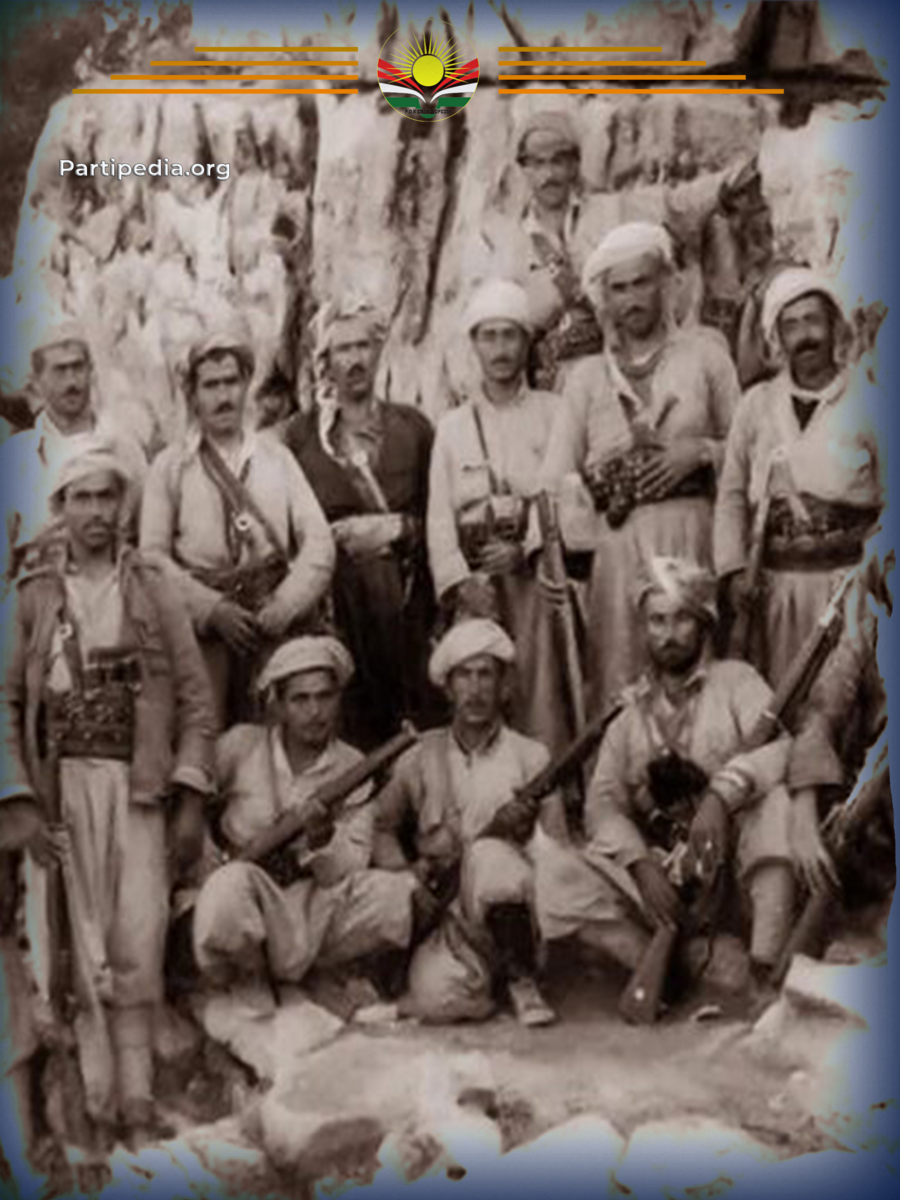
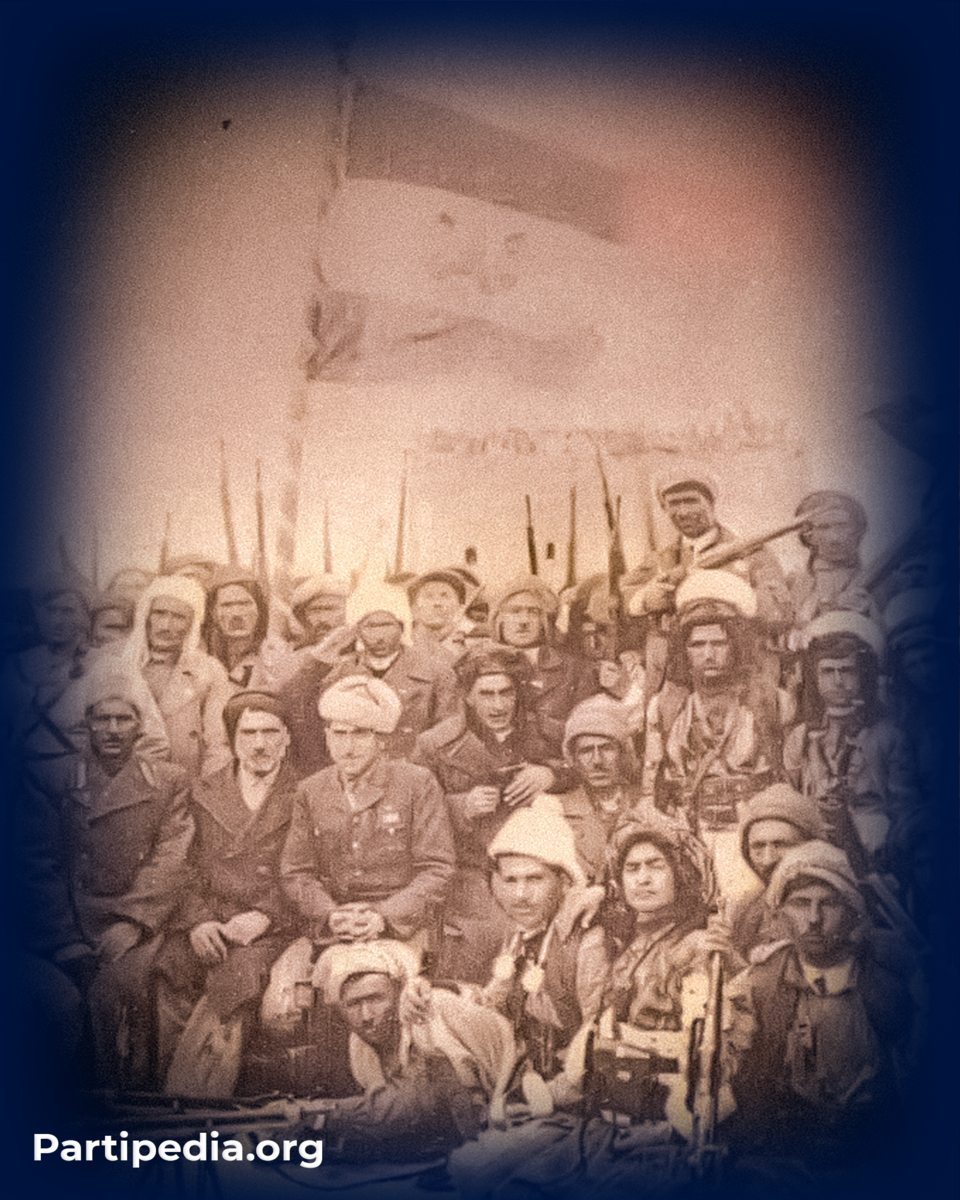
Regarding the Iraqi government's position on the incident, as soon as the aforementioned was killed, the Ministry of Defense issued a strongly worded statement and announced a surprise attack on the Peshmerga. On the same day, in the afternoon, the Third Brigade of the Iraqi Army attacked the Peshmerga in the village of Bustana, which belongs to the Erbil Plain, resulting in a fierce battle that lasted for three hours. However, the Peshmerga force of the Erbil Plain, led by Faris Bawa, strongly resisted them. After a fierce battle broke out, the Peshmerga were able to surround the Iraqi army force and kill many officers and soldiers. Then, through negotiations and an agreement, the Peshmerga forces allowed them to retreat, and their army returned defeated.
It should also be noted that a few days before the killing of Sheikh Ansh, specifically on March 5, 1968, a Kurdish mercenary leader named Hawiz Mam Yahya was ambushed near the city of Koisanjak and killed by the Peshmerga led by Corporal Othman Yousef and Dr. Khalid Saeed. He was a strong supporter of the government and a very hard-hearted person towards the Peshmerga, but the government did not take any position and did not talk about the matter, while all this fuss and attacks were caused by the killing of an Arab tribal sheikh.
Sources:
1- Masoud Barzani, Barzani and Bazutni and Ezgari Khwazi Kurd, Barki Seyyim, Besh-e-Yekum, September 1961-1975, Chapi. Yekm, 2004.
2- Sayyed Kaka, Peri Peshmerga, Chapi, (Chakhani Ministry of Reshneberi - 1997).
3- Aari Karim, the name of God, what is the matter with you, (Chapkhany Khabat - Dehchek 1999).
4- Khurshid Shireh, Khabat and Khwain, Persian Safari Khabatai Peshmergayati, Foreign Policy, (Holler - 2015).