

the biography
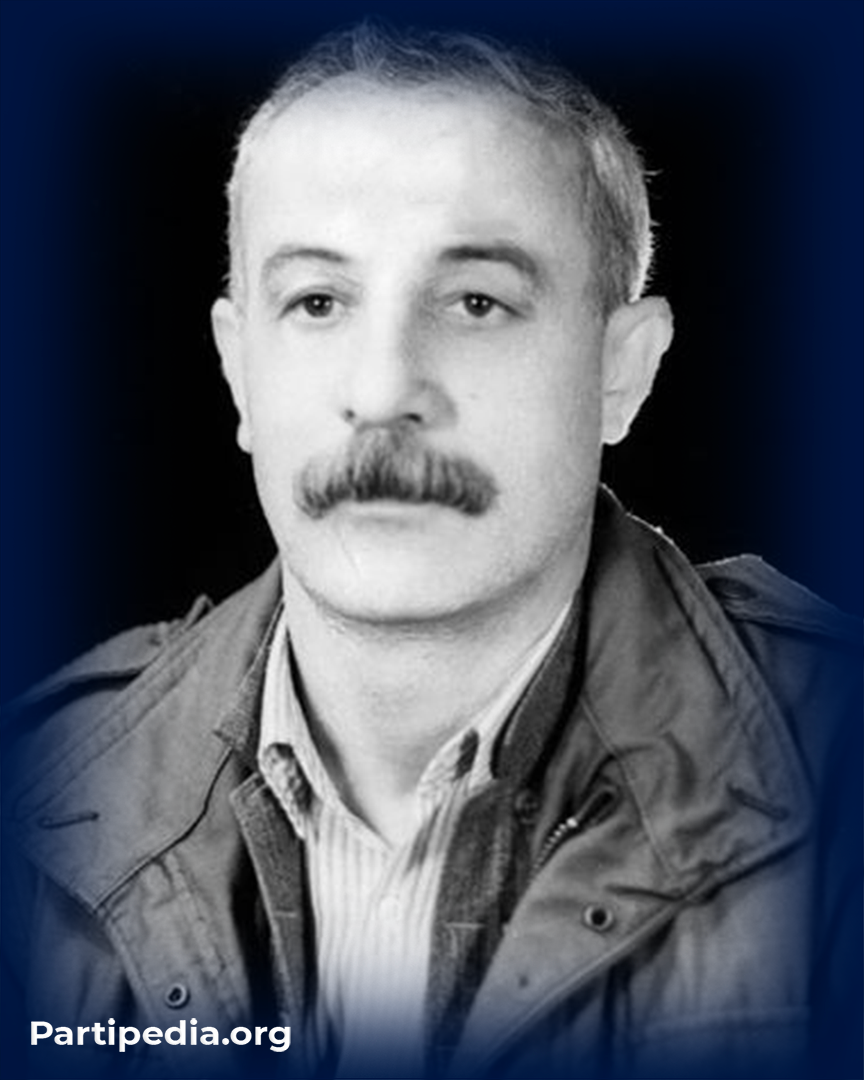
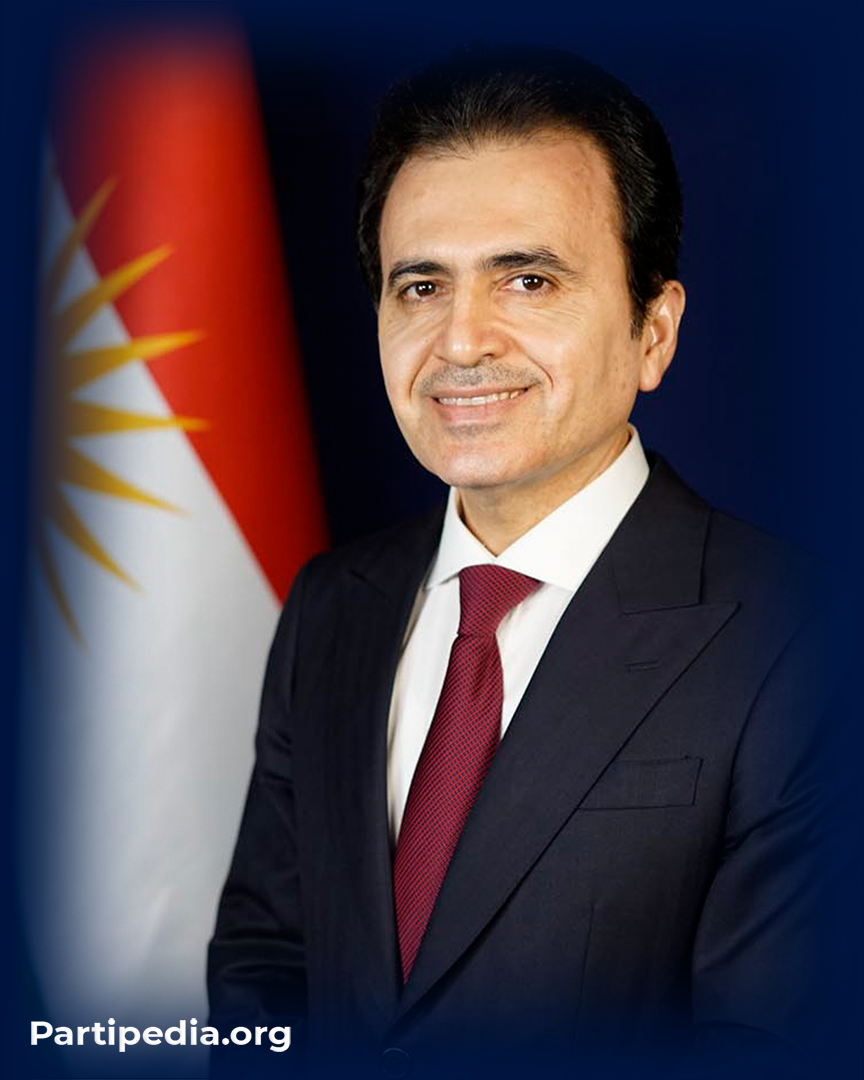
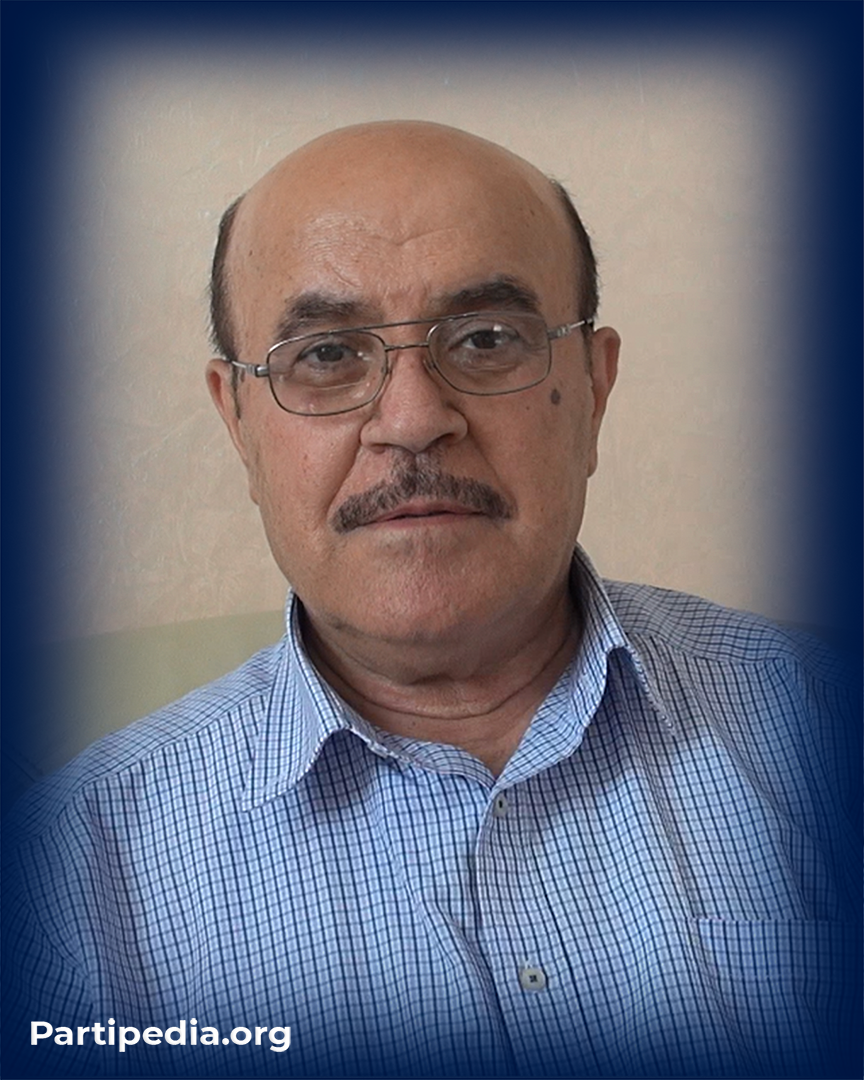
Abdul Rahman Othman Fattah Khader, known as Lieutenant Abdulrahman BidaouiHe was born in 1946 in the village of Bideh, formerly part of Mosul Governorate and now part of Dohuk. He completed his primary education in his village and his intermediate and secondary education in Dohuk, which was then part of Mosul Governorate. In 1968, he was accepted into the Kurdish Department at the University of Baghdad. He sought refuge in the Kingdom of Iran after the setback of the September Revolution in 1975 and resided in Mazandaran Province in northern Iran. On February 2, 1976, he traveled to the Kingdom of the Netherlands with 32 refugees from southern Kurdistan via Mehrabad Airport in Tehran. He retired with the rank of general. He is fluent in Kurdish, Arabic, and Dutch.
pages of struggle
He joined the Kurdistan Students Union in 1961. He was expelled from his studies in 1964 by a military court presided over by Ahmed Saleh Abdi for participating in student demonstrations, and was only allowed to continue his education in 1965. He joined the Kurdistan Democratic Party (KDP) in 1965. In 1968, he was in charge of a secret cell among students at Baghdad University. He enrolled in the Military College in Baghdad on the KDP list. In 1970, he was responsible for the KDP's organizational line at the Military College in Baghdad. He graduated on January 6, 1972, with the rank of Second Lieutenant from the Military College in Rustamiyah, Baghdad – Infantry Department – and received his Bachelor of Military Science degree in the 50th class. He joined the Peshmerga forces in 1972 and served as a company commander in the 1st Regiment (Zozak). In 1973, he was in the September Revolution As commander of the 3rd Regiment of the Qardagh Forces affiliated with the Kirkuk Forces in Sulaymaniyah Governorate, he supervised military training in the summer of 1973 at the summer camp held for the Kurdistan Students Union in Sheikhan, within Duhok Governorate. In 1973-1974, he was the commander of the 3rd Regiment of the Kirkuk Forces. In 1974, he participated in all the battles of Garmian and Qardagh against the Iraqi Army forces. He also participated in the September 1974 battle of Sartiz in Erbil Governorate against the Iraqi Army forces. He became a member of the provisional leadership of the Kurdistan Democratic Party (Berlin Conference) in 1976.
In 1976, he was elected as a member of the Netherlands Organizations Committee of the Sixth Branch Committee – Europe of the Kurdistan Democratic Party. He left the Netherlands on February 2, 1977, heading to the Federal Republic of Germany and from there to the Syrian Arab Republic, from where he was able to reach the liberated areas of southern Kurdistan. He wrote letters and reports to the President. Masoud Barzani Under the secret name (Jabbar) during the interim leadership of the Kurdistan Democratic Party, he left the territory of the Syrian Arab Republic on May 5, 1977, with a group of leaders, Peshmerga, and a shipment of weapons, heading towards northern Kurdistan and from there to southern Kurdistan. On November 15, 1977, he attended the expanded Bidwal meeting of the interim leadership of the Kurdistan Democratic Party with the aim of reorganizing the Peshmerga forces and activating party organizations. In 1977-1979, he was a member of the interim leadership of the Kurdistan Democratic Party during the Gulan Revolution and rejoined the ranks of the Peshmerga forces and became the head of the party's second region in 1977. In 1979, he participated in the expanded Shawana meeting of the interim leadership of the Kurdistan Democratic Party. He was a delegate to the ninth conference of the Kurdistan Democratic Party of Eastern Kurdistan in 1979. In 1988, he became the head of the Netherlands Organizations Committee affiliated with the Sixth Branch Committee of the party. He was chosen as the head of the local committee of the Netherlands in 1991. In the same year, he became a member of the Sixth Branch – Europe. In 1993, he was a delegate to the Eleventh Congress of the Kurdistan Democratic Party – Unified. He became a delegate to the Twelfth Congress of the Kurdistan Democratic Party in 1999, and in 2010, he became a delegate to the Thirteenth Congress of the Kurdistan Democratic Party.
Sources:
-
Archive of the Encyclopedia Authority of the Kurdistan Democratic Party
-
Hesul Khishnaw, Biography of Iranian Kurdish Interpretation, Bahshi Doohim, (Tehran - Chapkhana - 2020), no. 211-212.
-
Habib Muhammad Karim, Kirkuk and the Glorious September Revolution, Golan Al-Arabi Magazine, Golan Cultural Center, Issue 70, Year 6, Erbil, Ministry of Education Press, March 31, 2002, p. 39.
-
The name of Abdullah Hamman Ousman Fahtah Nasser and his father Abdullah Hamman Badawi Fawad Hahand, Permam, 12 January 2019, vol. 1.
-
Habib Muhammad Karim, History of the Kurdistan Democratic Party - Iraq (at major stations) 1946-1993, (Dohuk - Khabat Press - 1998 AD), pp. 147, 152.
-
Zahir Kahzbehiani How and how Kurdah, the name of your country, Kurdistan Democratic Party - Yehkgartu, Building 2340, Huller, Negashimah, April 29, 1997, vol. 4-5.
-
Omar Ousman, Zhiyani Kordik, Bahrakhi Yahkim, (Hawler - Chap Khaneh Haji Hashem - 2005g), no. 93.
-
Farouk Ibrahim Sharif, Kurdish officers in the Iraqi army since its establishment in 1921, Part One, (Turkey - Orka Matbaacilik Turkey - 2014 AD), p. 232.
-
Mohamed Ali Ismail, Beirut and Hariya Kanum Hafta Sahif Tahmhin and Ziyatr Lah New Sahda Khabat, (B. Shun - 2019g), LL 69, 73-74, 80.
-
Mohamed Murad Fahtah, Khabata Chia Perhatan and Sahrahattin Shursha Gohani (1976 - 1989), (Zakh - Chapkhana Kurdistan - 2007), no. 75.
-
What's wrong with Hammad Haji Imamrani, this evening, what's going on, 1976? What's wrong with you?!, next to them, (Hawler - Chapkhana Haji Hashem - 2013g), no. 52.