

the biography
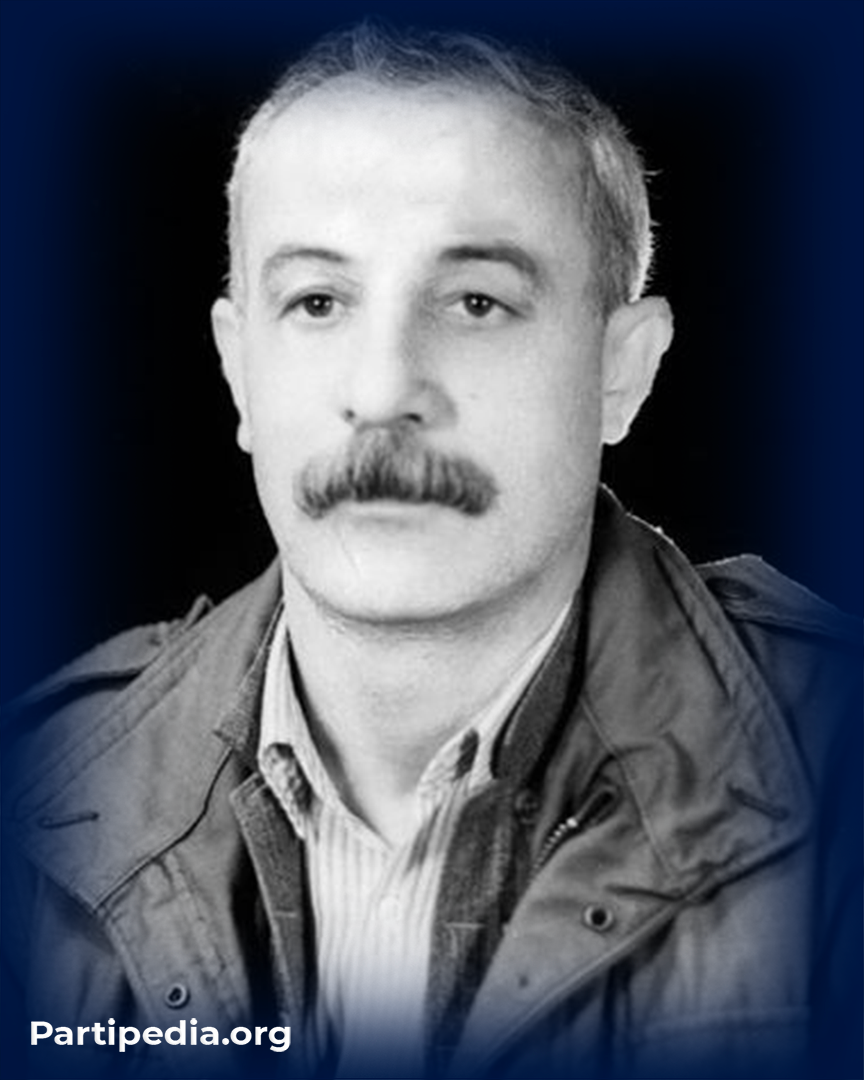
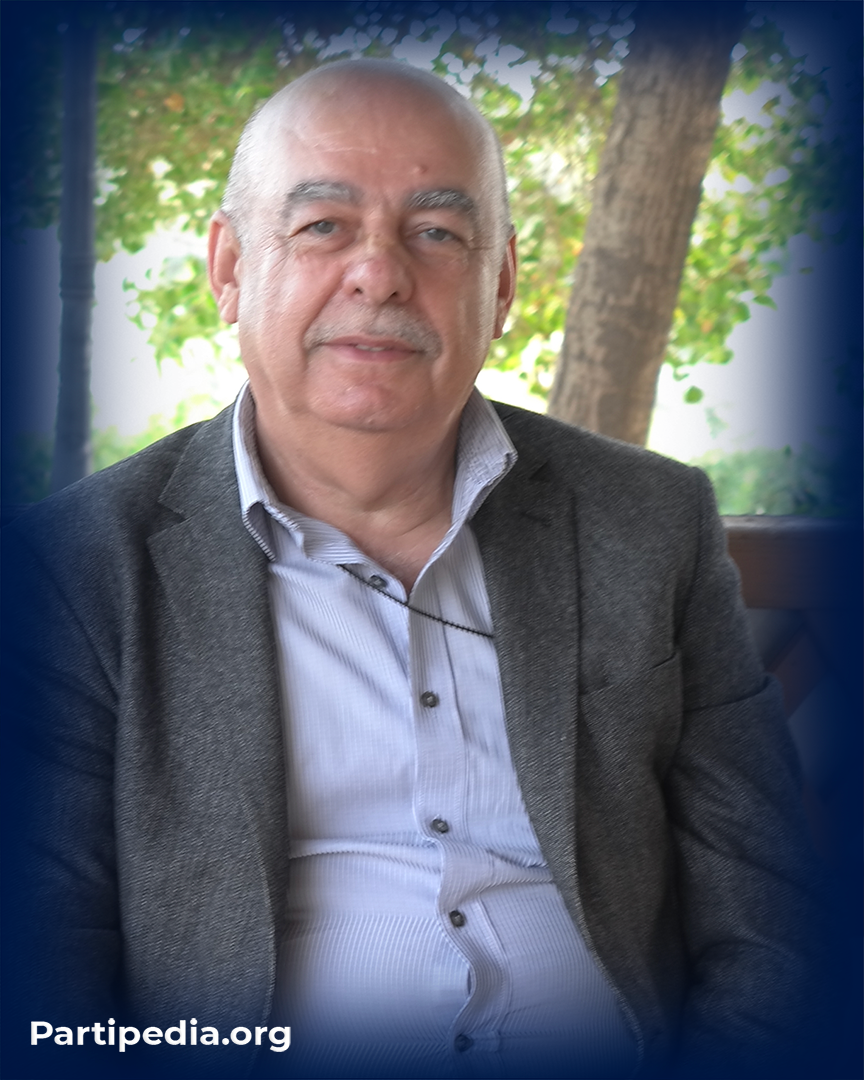
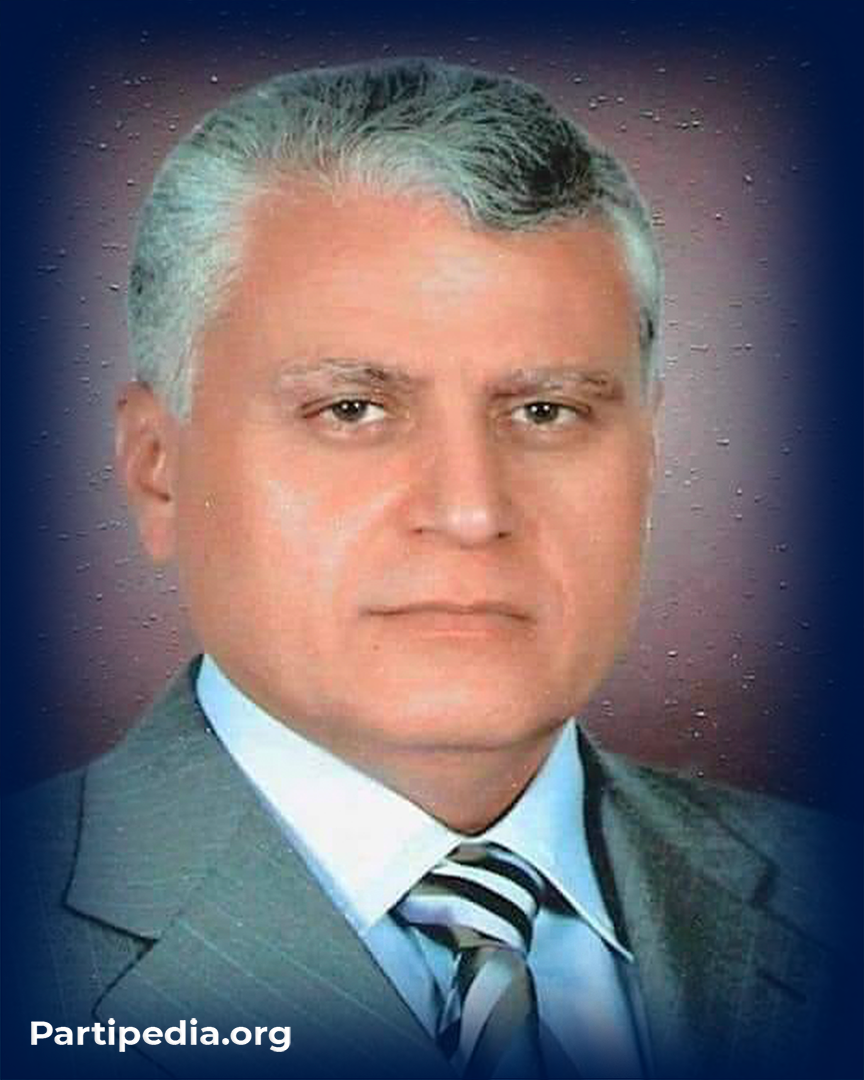
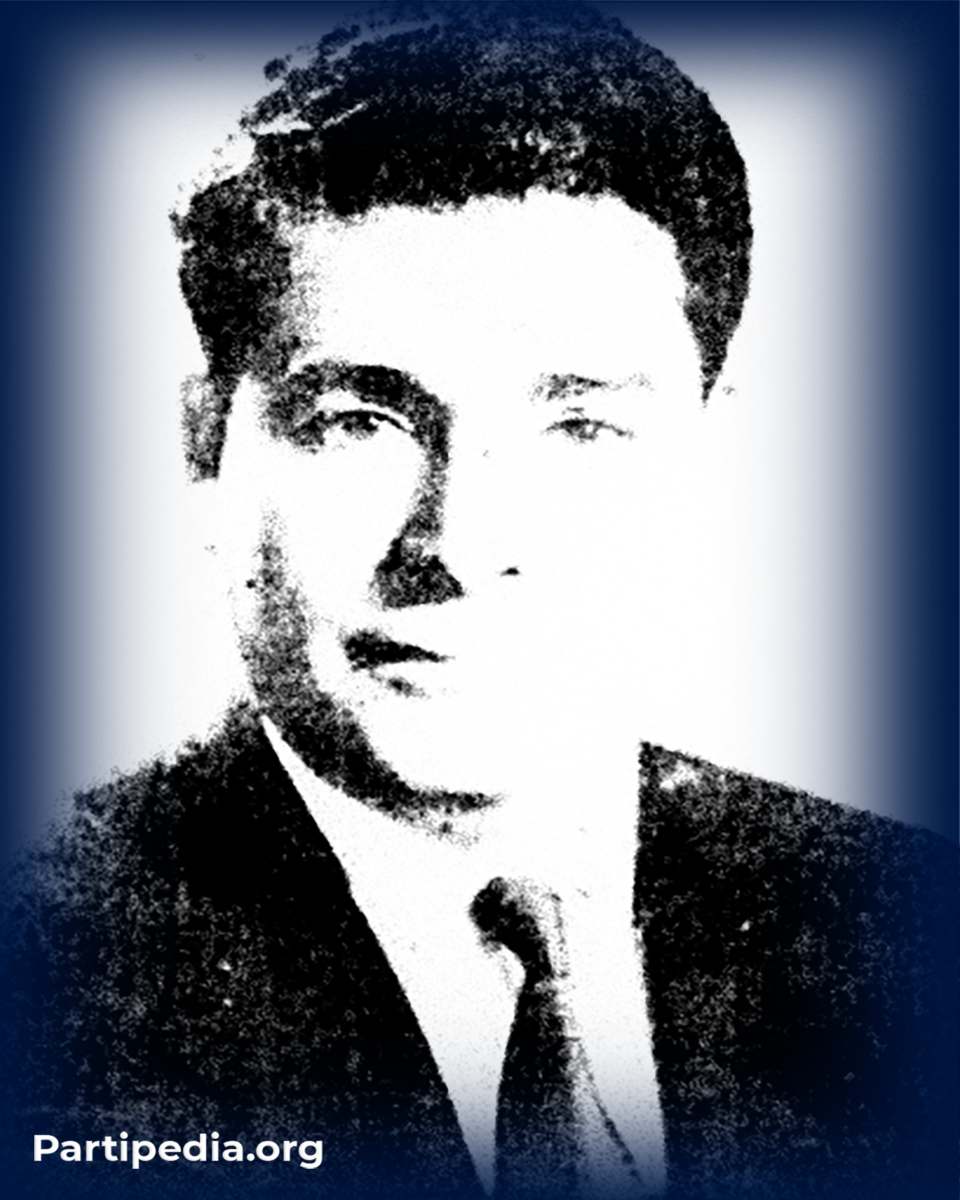
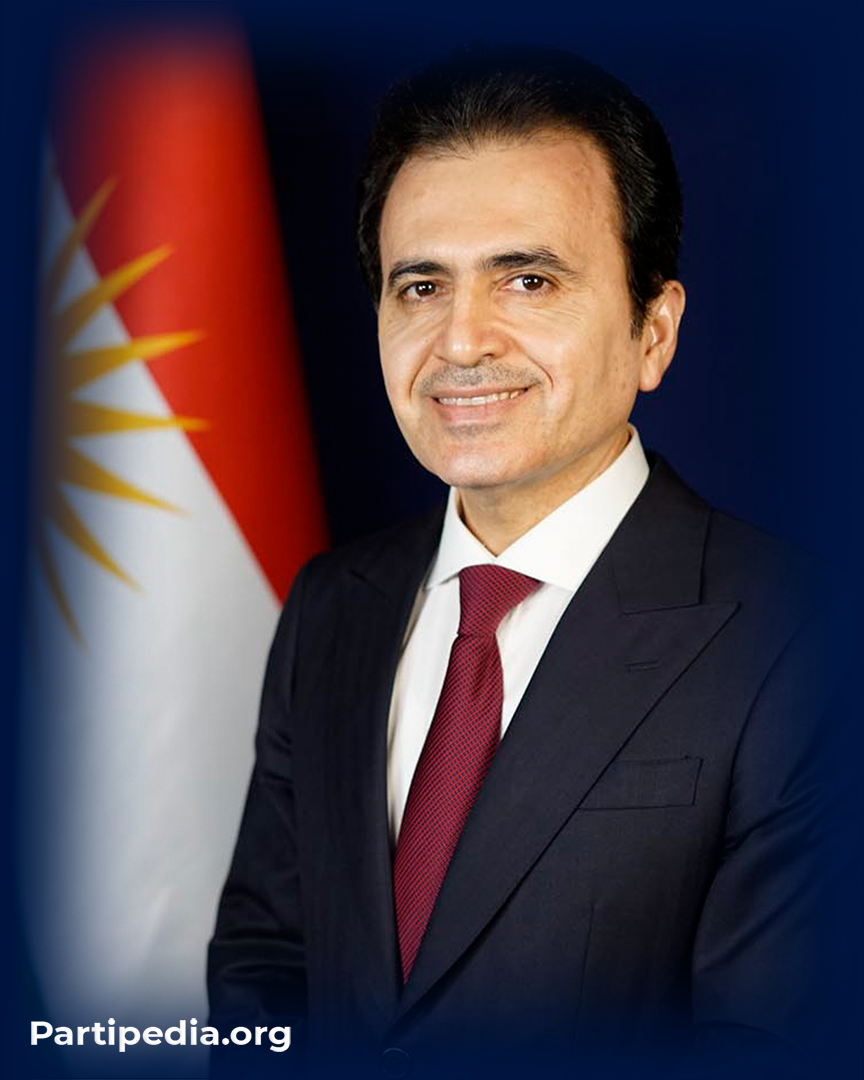
Saleh Rushdi Taher, known as Judge Saleh Rushdi, was born in the city of Dohuk in 1926. He was from the Mufti family of Amadiya. He completed his primary education in the Amadiya district and his intermediate and secondary education in the city of Sulaymaniyah. He graduated from the College of Law in Baghdad in 1951. He was appointed as a judge in the Amadiya court in Dohuk Governorate in 1957. He also served as a judge in the Shaqlawa district of Erbil Governorate in 1957. On November 24, 1958, he was appointed as a deputy judge in the Iraqi Civil Court by a presidential decree signed by the Iraqi Sovereignty Council.
He was arrested by Iraqi security forces from 1963 to 1964 and severely tortured. After his release from prison, he left Iraq in 1964 and settled in Lebanon, where he worked as a teacher. He spent years from 1965 to 1990 in Saudi Arabia, working in banking in the capital, Riyadh. He lived in the United States from 1990 to 1999. He died in 1999 in Kentucky, Pennsylvania, USA, where he was buried. He was fluent in Kurdish, Arabic, and English.
pages of struggle
He joined the Kurdish Revival Society (J.K.) at the beginning of its activities in Sulaimaniyah in 1944, and was one of its active members. He was a member of the Sulaimaniyah Preparatory School delegation to Baghdad to perform Kurdish songs and dances at the Higher Teachers' Training College in Baghdad, the Kurdish Victory Club, and the Iraqi Royal Palace. In 1945, he was a member of the Kurdish Revival Society (J.K.). He joined the Kurdish Democratic Party in Mosul in 1946. On June 19, 1947, he was a member of the delegation that received the bodies of the four martyred officers: Izzat Abdul Aziz Abdul Latif (1912-1947), known as Izzat Katani; Mustafa Mustafa Mustafa (1912-1947), known as Mustafa Khoshnaw; Khairallah Abdul Karim Abdullah (1912-1947), known as Khairallah Kurjizadeh; and Muhammad. Mahmoud Mohamed(1922-1947) Known as Muhammad Qudsi, he accompanied the body of Izzat Abdul Aziz to his final resting place in the village of Qulasanj, near the district of Amadiya.
In 1948, he was a delegate to the General Union of Iraqi Students' conference, and on January 21, 1948, he participated in the demonstrations that swept through the city of Baghdad against the Portsmouth Treaty. He was in charge of the Mosul branch of the Kurdistan Democratic Party (KDP) in 1948. He was elected to the KDP Central Committee (first conference in Baghdad) in 1950. He boycotted the KDP's second conference in 1951. He was imprisoned in the summer of 1953 at the Rashid military camp near Baghdad by the Iraqi monarchy authorities due to his Kurdish activities. He served in the leadership of the first branch of the unified Kurdistan Democratic Party (KDP) in 1957. In 1957, he began to revitalize and activate the KDP's organizations in the Khoshnawti region. He was among those who claimed to be part of the Iraqi National Democratic Front, joining the political forces on the scene after the July 14, 1958 coup. In August 1958, he was with a delegation from the unified KDP to welcome Sheikh Ahmed Sheikh Mohammed Sheikh Abdul Salam (1892-1969), known as Sheikh Ahmed Barzan, who had just been released from Basra prison in southern Iraq and arrived in Mosul by train. To raise the morale of the Kurds in Mosul, he chanted The slogans, in both Arabic and Kurdish, were dedicated to the leader Mustafa Barzani (1903-1979). This was significant at the time, as Arab chauvinism was prevalent in the city. He was elected president of the Employees' Club in Shaqlawa on January 10, 1959. On March 21, 1959, he oversaw the Nowruz celebration in Shaqlawa, where he delivered a speech on behalf of the Unified Kurdish Democratic Party. On June 19, 1959, he directed the commemoration of the four officers martyred in Shaqlawa: Izzat Abdul Aziz Abdul Latif (1912-1947), known as Izzat Katani; Mustafa Mustafa Mustafa (1912-1947), known as Mustafa Khoshnaw; Khairallah Abdul Karim Abdullah (1912-1947), known as Khairallah Kurjizadeh; and Muhammad. Mahmoud Mohamed(1922-1947), known as Muhammad Qudsi, was suspended from his leadership position at the Second Conference in Baghdad on June 30, 1950, due to his leftist leanings. He was expelled from the Kurdistan Democratic Party – Iraq by delegates at the party's Fourth Conference in 1959 for the same reason. In 1960, he worked as a judge in the city of Balad in Diyala Governorate. He was imprisoned and severely tortured in 1963-1964, following the February 8, 1963 coup, by order of the Arab Socialist Ba'ath Party and carried out by the National Guard militias.
Among his works:
1- Stories and Legends from Kurdish Literature - 1967.1-
2- The Kurdish Revolution.
3- Explanation of the Agrarian Reform Law.
4- Agricultural relations in the Agrarian Reform Law - 1960.
Sources:
-
E.D.E., File of Jamara AJ-54, May God protect you from the Democratic Party of Kurdistan, no. 1.
-
Mahdi Mahmad Qadir, by his name, Iraqi Kurdish politician, 1945-1958, (Soleimani-Sahinthari-Lakeenah) Kurdistan Strategist - 2005g), LL 66, 128.
-
Mustafa Nahariman, Fahrāhānī, Hadīb, and Nusārani Kurd, AH - 1986G, No. 69.
-
Jahmal Baban, Suleiman Sharah Ghashawahakhum, Barghi Jahkahm and Dawah, Shabi Dhazgay Chap and In Aras, Chap Khaneh, Aras, 2012, pp. 418-319.
-
Mam Jahlal, Prime Minister 58, Pingham, Soleimani, News Agency, April 10, 2002, vol. 6-7.
-
Mam Jahlal, Slovenian Khangarah Khwandkaran, Bahshi Pingham, Gevari Khak, Jamara 14, Slovenian Douham, Soleimani, Chapkhana. Finance, 10 Abi 1998, no. 8.
-
Jahlal's mother, what is the name of my party? What's going on with this?, Guevari Khak, Building 55, Panjam Street, Soleimani, Company Office, 10 December 2002g, l5.
-
E.D.E., Faile Jamara CH-64, Dehqi Chaobi Khouton Lahgh5 Doctor and Hafa Saheh and his halakhin Fouad Hohand, Dahik, October 12, 2016, April 1-3.
-
Elections in the city of Shahqawah, Guevari Hataw, Building 148, 5th District, Hawallar, Chap Khaneh of Kurdistan, Shahma, 31 January. Doohyme 1959, no. 24.
-
I'm sorry, I'm sorry, I'm sorry, I'm sorry, I'm sorry, I'm sorry, I'm sorry. Sahradhum - Chapkhana Dehzghai Hamdi - 2006, no. 178.
-
Jahni Nehruz has a smile, Givari Hataw, Building 153, 5th Street, Hawler, Chakhana of Kurdistan, Javashmeh, April 15, 1959, no. 17.
-
Fahhad Aouni, 36 years old, the author of the collection of poetry from, (Hol. Saḥahddin - 2019, no. 313.
-
Saleh Rushdi, The United National Democratic Front, Shafaq Magazine, Issue 9, Volume 1, Kirkuk, Kirkuk Press, October 1958, p. 5.
-
Jahmal Baban, Ghashtahkhah, Qotabyani Soleimani, Bah Shari Baghdad, Ghavari Soleimani, Sharawani Soleimani, Building 51, Khawla Douham, Soleimani, Chapkhana Dler, Tishreen Hikami 2004, 11-12.
-
Habib Muhammad Karim, History of the Kurdistan Democratic Party - Iraq (at major stations) 1946-1993, (Dohuk - Khabat Press - 1998 AD), pp. 42, 60-61.
-
Abdul Fattah Ali Al-Butani, Badinan Region 1925-1970: A Study of Political Events and Developments, Part Two, (Erbil - Kurdish Academy - 2017), p. 457.
-
Abdul Fattah Ali Al-Butani, Badinan Region 1925-1970: A Study of Political Events and Developments, Part One, (Erbil - Kurdish Academy - 2017), p. 312.
-
Latif Bahrzanji, November 2017, Ghavari Hetaw, Jamara 157, S56, Hawallar, Chakhana Kurdistan, Seshahma, 30 Hawza Irani 1959, vol. 19-20.
-
Mam Jalal, a fighter with good qualities, human traits, rare attributes and high morals, Al-Ittihad Newspaper, the central newspaper of the Patriotic Union of Kurdistan, Issue 384, Year 8, Sulaymaniyah, Friday, August 5, 2000, p. 3.
-
My mother, Jahlal, is the first person to remember the meaning of the song and how to change it. Jumara 58, Saudi Arabia, Soleimani, Office of the Ministry of Finance, April 10, 2002, no. 6.
-
Republican Decree No. 502, Iraqi Gazette, Ministry of Guidance in Iraq, Issue 102, First Year, Baghdad, Wednesday, January 31, 1958, p. 3.
-
He died, died, and died. Kurdish language, Arabic language, 2014, L.L. 130-131.