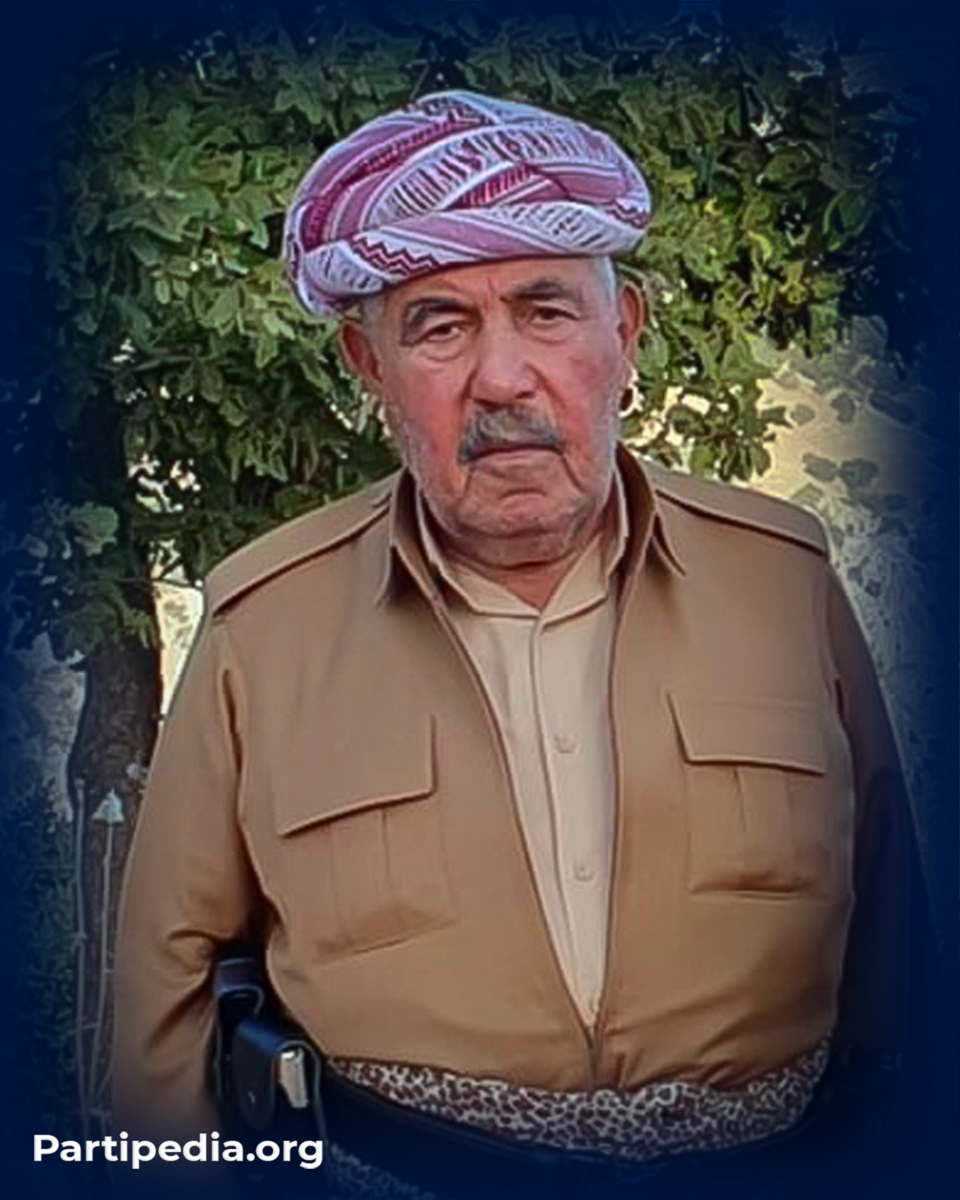


child Khaled Shali Born in 1943 in the village of Shali, in the Amadiya district, he joined the Peshmerga forces in 1962. He was transferred to the Zewa refugee camp in eastern Kurdistan, where he was responsible for the care of the camp's refugees. He was later transferred to Ahvaz province and the city of Shushtar. In 1991, he moved with the president. Masoud Barzani He went to the Diana district during the Kurdistan popular uprising, and participated in the popular uprising in southern Kurdistan. He then resided in Duhok Governorate. In 1998, he became a member of the Aylul Foundation, and in 2004, he became the head of the Aylul Foundation in Akre. He retired in 2013.
He was serving in the Iraqi army in 1962 when he joinedSeptember Revolution The Peshmerga forces in Barwari Zhiri were led by Commander Mahmoud Agha Jamanki. In the same year, after the expulsion of the Iraqi army and mercenaries from Badinan, Barzani organized the forces into three axes of forces and assigned responsibility for the region to Asad Khoshawi, and appointed Issa Swar, Ali Khalil and Haso Mirkhan as commanders of the three forces.
Khaled Shali became a wing commander in the Akri and Sheikhan forces led by Hasomir Khan. In 1973, he became a platoon commander in the First Regiment of the Sheikhan forces under the command of Regiment Commander Ismail Musa. In 1974, he assumed the position of Regiment Commander for the Popular Resistance Forces east of Mosul.
In 1979, he returned to the Zewa complex based on a recommendation from Idris Barzani. In the same year, after the ninth conference of the Kurdistan Democratic Party, he returned to the first branch in Komata on the southern and northern borders of Kurdistan with Dr. Jirjis Hassan, known as (Dr. Jirjis Khansi), and with 25 Peshmerga. In 1980, he was appointed as a member of the local committee of Sheikhan and as the head of the Martyr Fadhil Shali Organization in the Sheikhan region. They launched attacks against the enemy as mobile detachments and carried out many activities. He returned to Zewa in 1981. In 1987, he visited the first branch in the Nerwa and Dotaza region with President Barzani and a number of members of the Political Bureau. He returned to Zewa again in 1988. In the same year, he went to the Khwakurk region to participate in the Khwakurk epic and the battles of Sari Korawa and Qabr Zahir. After the end of this battle, he returned to the Zewa complex in eastern Kurdistan.
In 1991, on the eve of the Kurdish uprising, he came to Diana with the president Masoud BarzaniHe was then sent to the Rikan and Tudeh area in Zakho, leading a force of fifty men, and in 1992 he became the commander of the joint regiment between Kurdistan Democratic Party The Patriotic Union of Kurdistan in Sheikhan, and in September of the same year he became a military official in the Fifth Sheikhan Army, and in 1998 he was appointed a member of the September Foundation.
During his struggle in the ranks of the Peshmerga, Khalid Shali participated in many battles. He was wounded in 1981 during the battle of Kune Lajan and Darband in Urmia, eastern Kurdistan. His brother Hazem was martyred in the battle of Khwakurk (July 19 - September 5, 1988), and his other brother Jamil was martyred in 2014 at the beginning of the battle with ISIS (August 2, 2014 - October 17, 2017).
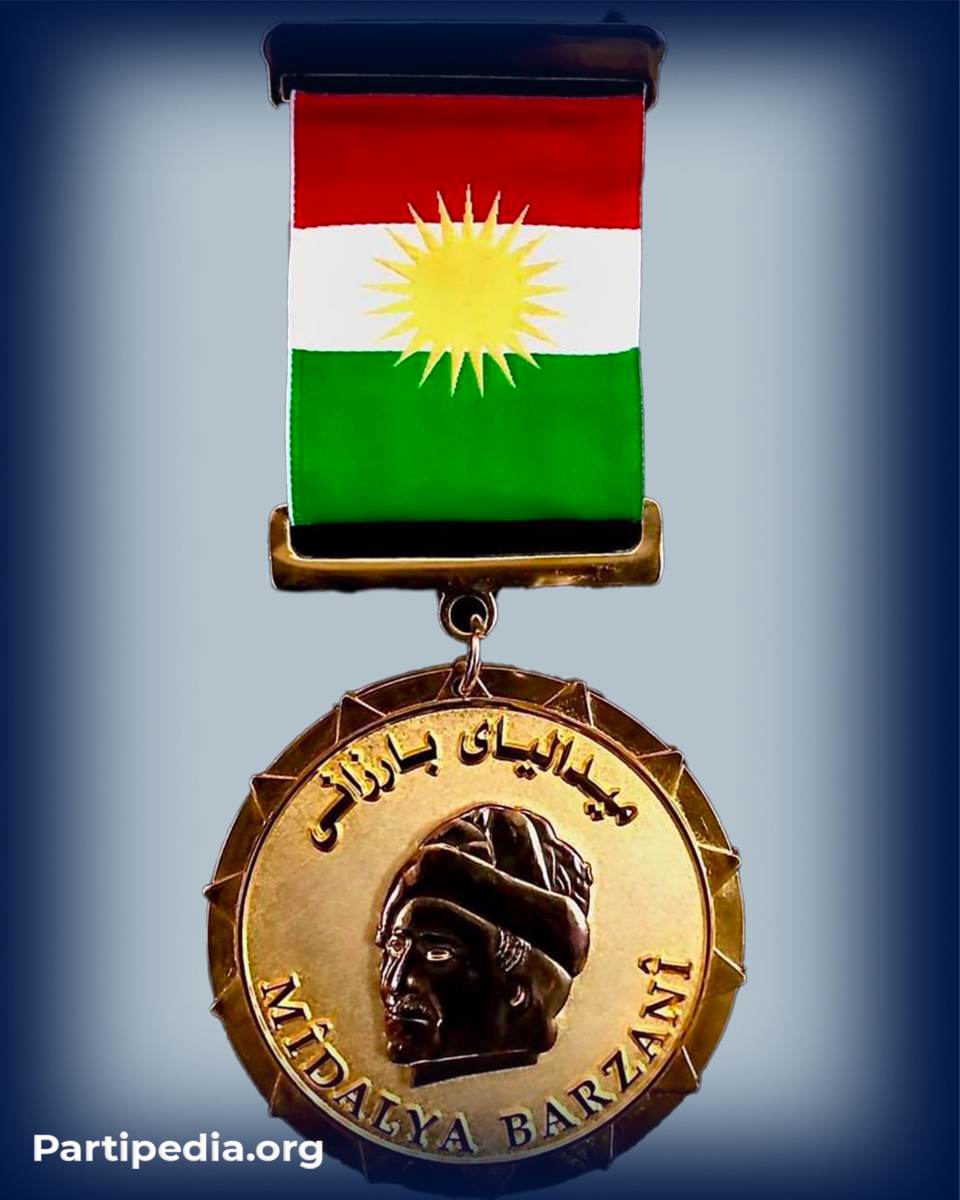
In recognition of his outstanding services to the Kurds, Kurdistan, and the Barzani approach, he was awarded the Barzani Medal by the President. Masoud Barzani On August 16, 1996, during the celebration of the golden jubilee of the Kurdistan Democratic Party, and in 2004 he was in charge of the Aylul Foundation in Akre, he retired in 2013.
Source:
1- Archive of the Encyclopedia Authority of the Kurdistan Democratic Party.