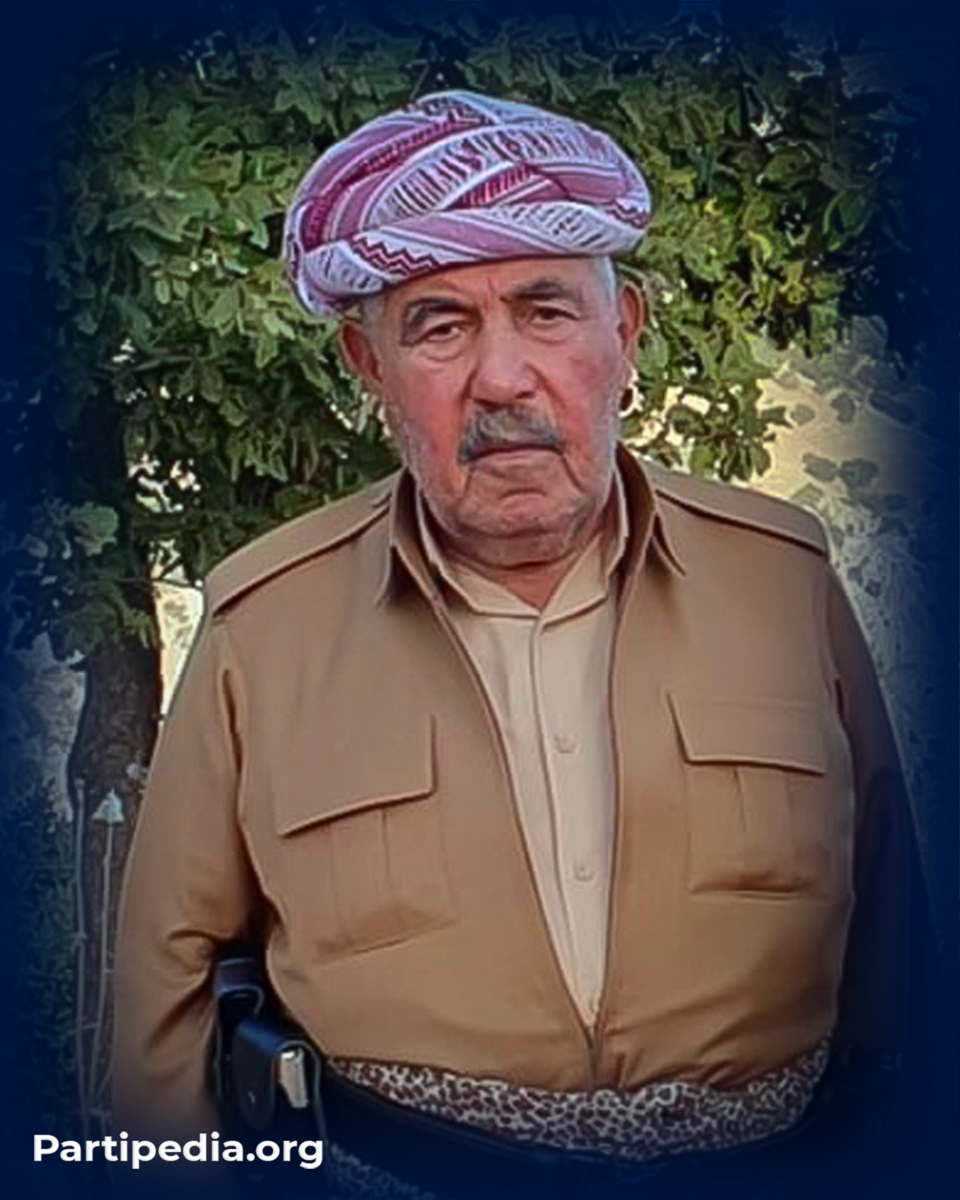



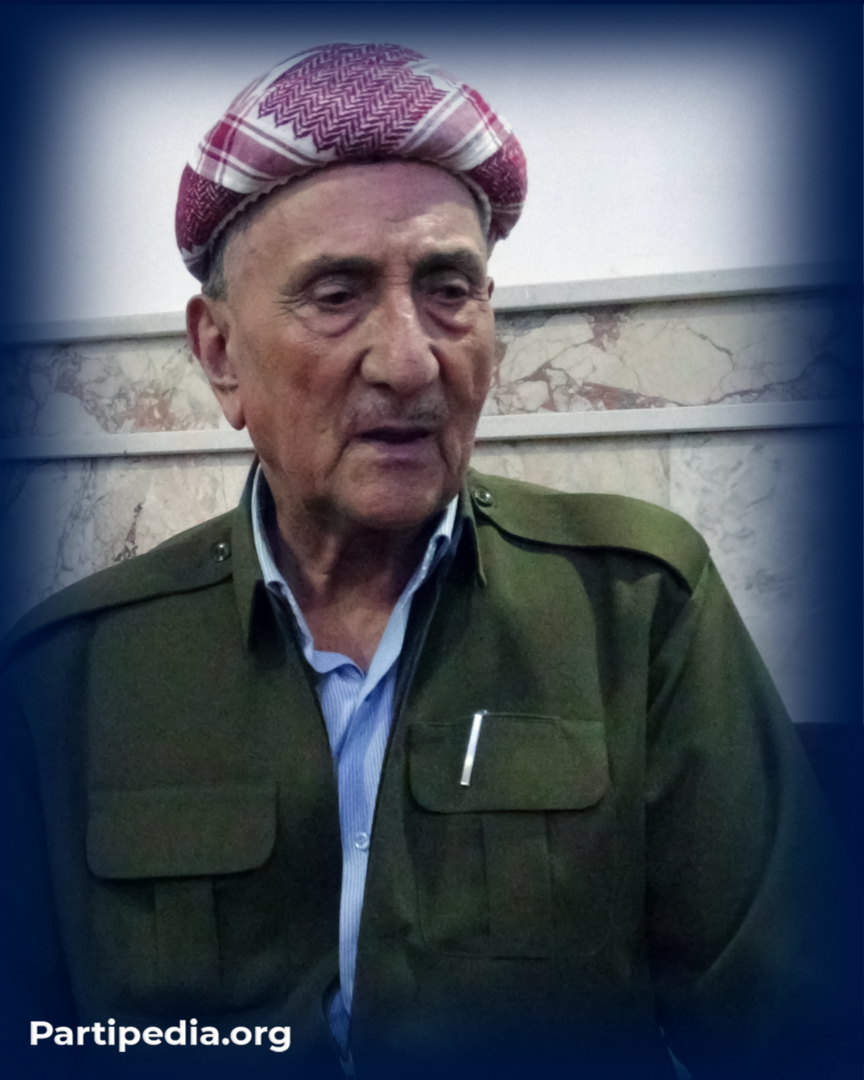
Hamid Khawasti Ismail was born in 1939 in the village of Bazangir, in the Sindian region of Zakho district, Dohuk Governorate. He was married. After the setback September RevolutionHe sought refuge in Iran in 1975, settling in the city of Shino in eastern Kurdistan. He was later transferred to Saraw and Nilufar in Kermanshah, then returned to Naghdeh. He then moved with his family to the Ziweh complex, and from Ziweh to the Rabat complex, and from there to the Jahrom complex in Fars Province (Shiraz) in southern Iran, and from there to Yazd Province in central Iran.
In 1961, he joined the Peshmerga forces affiliated withSeptember Revolution He became a member of the Peshmerga under his cousin Salman Sindi, and remained in the force until 1965. After the formation of the Ali Halo Battalion, he was promoted to platoon commander, and in 1967 he went to the Barwari Bala area and was appointed within the Asad Khoshawi force as deputy to Hamid Hafizullah Omar, who was the commander of the strike forces in the Dohuk, Sheikhan and Aqrah (Akri) areas.
Following the March 11, 1970 agreement, he served in the 3rd Battalion guarding Bamarni Airport for four years. In 1974, he became deputy commander of the strike force and participated in the battles of Balak, Gorez, and Hawdian. In 1976, he joined the Peshmerga forces. Gulan RevolutionHe headed from the borders of northern Kurdistan to the village of Hadish in the Uludere district, where he and his relatives, numbering about 25 people, formed a mobile detachment and began the struggle, and they stayed in the village of Komata, which was the temporary headquarters of the Kurdistan Democratic Party.
In 1979, he participated in the Ninth Congress of the Kurdistan Democratic Party. After the congress concluded, he returned to his post and was appointed military officer of the Zakho Local Committee. In 1984, he was transferred to the Amadiya Local Committee and became a member of the local committee and military officer. In 1986, he became a member of the First Branch and military officer of the branch. In 1988, after the Anfal campaign and the infamous chemical attacks on the Badinan region, Hamid Khwasti crossed into northern Kurdistan and remained there until 1991.
Following the 1991 uprising in southern Kurdistan, he was appointed a member of the First Branch in Duhok and simultaneously became deputy to Babakir Zebari, the commander of the Kurdistan Army in Zawita. In 2000, he and Mustafa Nerwayi founded the Aylul Foundation in Duhok. In 2003, the Aylul Foundation was opened in Zakho, and he was appointed its president.
Hamid Khawasti participated in dozens of battles in the September and Golan revolutions. In 1961, he participated in the disarmament of the Zakho police station. In 1972, he participated in the Battle of the Aqra Plain (Akri). In 1974, he participated in the Battle of Wadi Duhok. In 1985, he participated in the Battle of Amidi. On the 26th of Golan, 1987, he participated in the disarmament of the Bamarni Airport police station. In 1987, he participated in the epic of Kani Masi and many other battles.
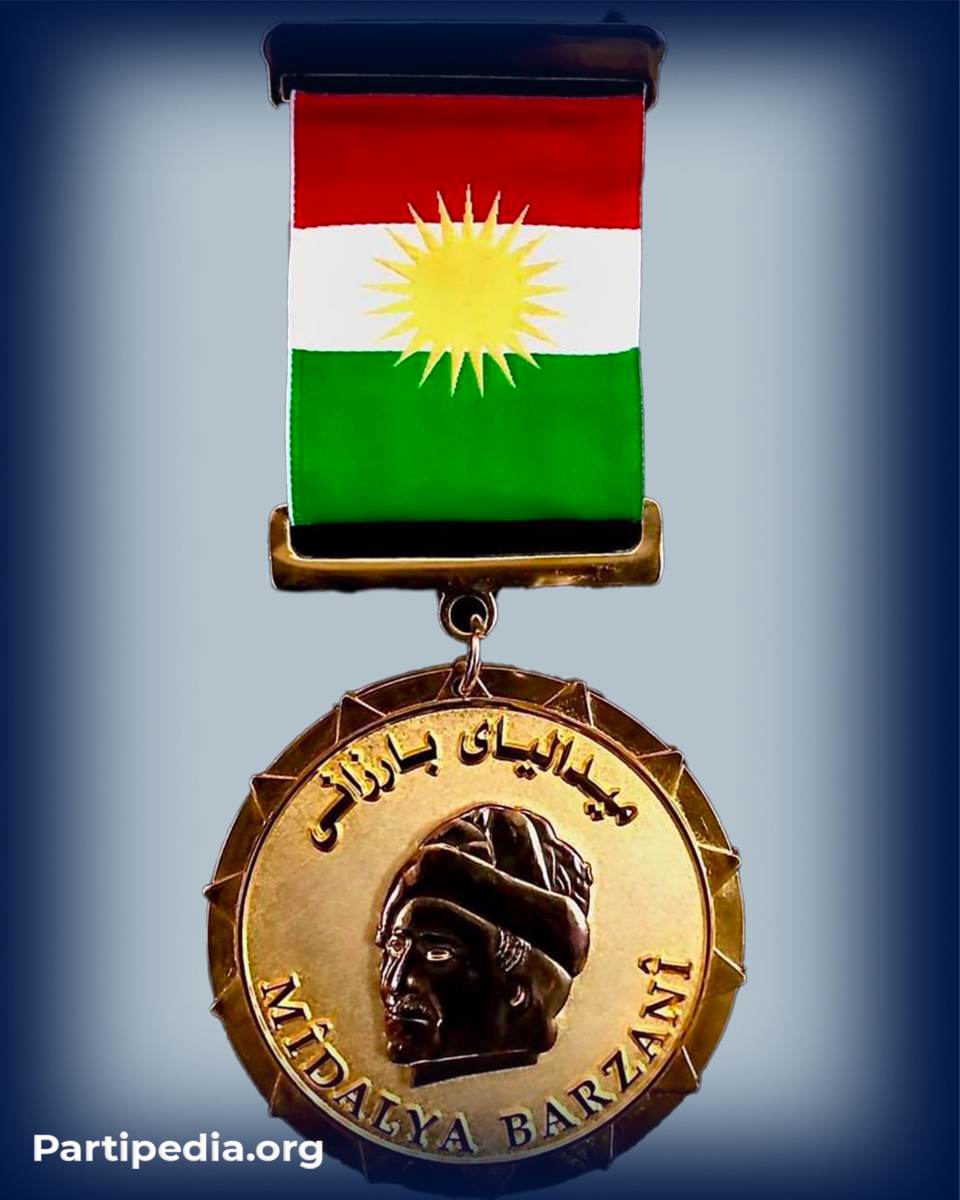
On August 16, 1996, on the occasion of the golden jubilee of the Kurdistan Democratic Party, he was awarded the Barzani Medal by the President Masoud Barzani For his services to the Kurds, Kurdistan, and the Barzani approach, he retired with the rank of Lieutenant General in 2013.
Source:
1- Archive of the Encyclopedia Authority of the Kurdistan Democratic Party