

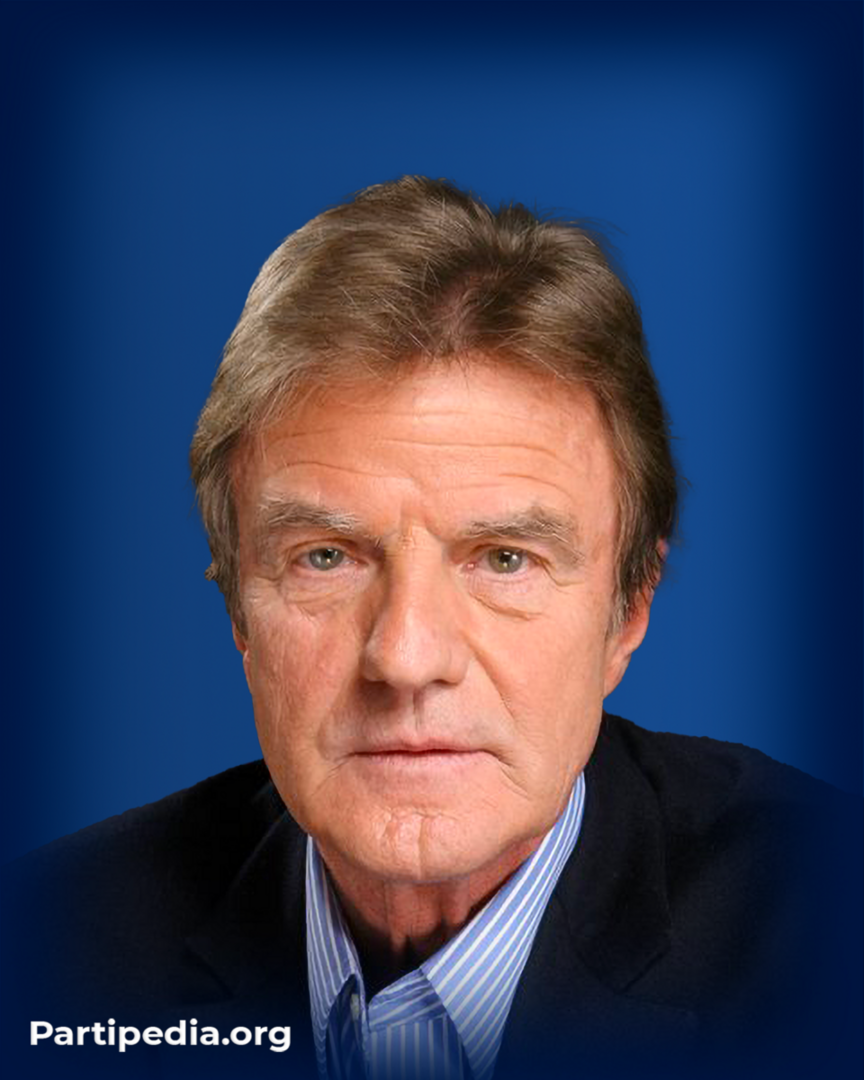
He joined the French Communist Party in his youth, and in 1964, at the age of 25, he visited Cuba and met Fidel Castro. He was expelled from the party in 1966 for attempting to remove the secretary of the French Communist Party. In 1968, he became a member of the International Committee of the Red Cross and went to Biafra on behalf of the Red Cross during the Nigerian Civil War.
In 1971, after gaining experience with the International Red Cross, he founded Doctors Without Borders, which helped the wounded and sick in areas besieged by governments during the civil war. He later left Doctors Without Borders due to disagreements with the organization's president.
In 1980, he founded another organization for the same purpose, Doctors of the World. Doctors of MondeIn 1980, during the Lebanese Civil War, when the refugee camp in East Beirut was under siege, he worked closely with the Shia community and Imam Musa al-Sadr. In 1983, he arrived in the Alana region between the borders of eastern and southern Kurdistan with a group and treated the wounded and sick at a hospital run by the Democratic Party of Iranian Kurdistan. In 1986, when fighting broke out in southern Kurdistan, Biafra, Ethiopia, and Sudan, Dr. Bernard Kouchner went to assist those affected in those areas. In Somalia, he delivered bags of rice to the starving to save them from death, actions that made him a beloved figure worldwide.
He joined the French Socialist Party in 1988 during the presidency of François Mitterrand. From 1992 to 1993, he served as Minister of Health in the French Socialist government. In 1994, he was elected to the European Parliament. In 1997, he was elected to the European Parliament representing France. That same year, after his term in the European Parliament, he was reappointed Minister of Health, a position he held until 1999.
From 1999 to 2001, he was the Special Representative of the President of the United Nations in Kosovo. From 2001 to 2002, he served again as Minister of Health in France.
In the 2007 French elections, Bernard Kouchner supported Marie Ségolène Royal against Nicolas Sarkozy. Marie lost the election to Sarkozy, and after the government was formed, Bernard was appointed French Foreign Minister, remaining in office until 2010.
Dr. Bernard Kouchner is considered a close friend of stateless peoples and the Kurdish nation. He has taken a stance on issues related to the Kurds and Kurdistan throughout various historical periods. For example, before the assassination of Abdul Rahman Ghassemlou, Bernard Kouchner realized that the Islamic Republic was plotting to assassinate him and advised him to be cautious and to have a bodyguard accompany him when he traveled. After the Anfal campaign began, Doctors Without Borders was able to reach the liberated areas and provide medical assistance to the Peshmerga forces. The organization's president, Bernard Kouchner, a close friend of the Kurds, along with Frédéric Tissot, became a pillar of support for Kurdistan.
In 1991, following the massive exodus of the people of South Kurdistan, Bernard Kouchner and Dr. Frederic Tissot played an influential role in drafting UN Security Council Resolution 688 to establish a no-fly zone in South Kurdistan.
Following the liberation of Iraq, diplomatic relations between the Kurdistan Regional Government and the French government entered a stronger phase. Bernard Kouchner, then French Foreign Minister, played a key role, and on June 1, 2008, he officially opened the French Representative Office in Erbil, the capital of the Kurdistan Region, a move welcomed by the President. Masoud Barzani Prime Minister of the Kurdistan Regional Government Nechirvan Barzani.
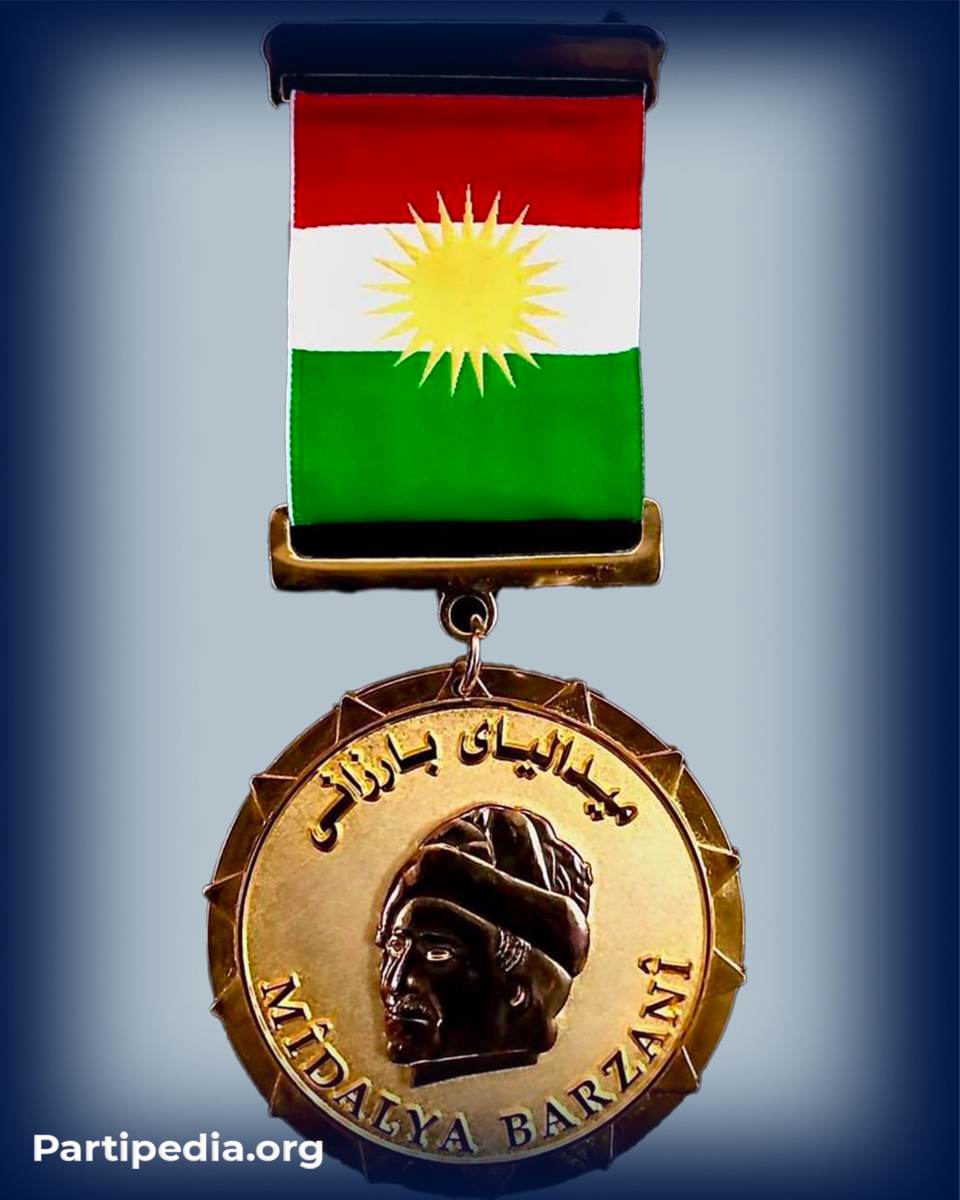
In May 2010, at the invitation of Bernard Kouchner, the film "Iranian Cats" was screened at the French Ministry of Foreign Affairs cinema in Paris, attended by 500 French cultural and political officials, media representatives, and advisors. Dr. Bernard Kouchner, a renowned French and international diplomat and politician, and a supporter of the Kurdish cause, was awarded the Barzani Medal on March 15, 2013, by the President. Masoud Barzani For his services and efforts for the freedom and independence of Kurdistan.
Source:
- Archive of the Encyclopedia Authority of the Kurdistan Democratic Party.