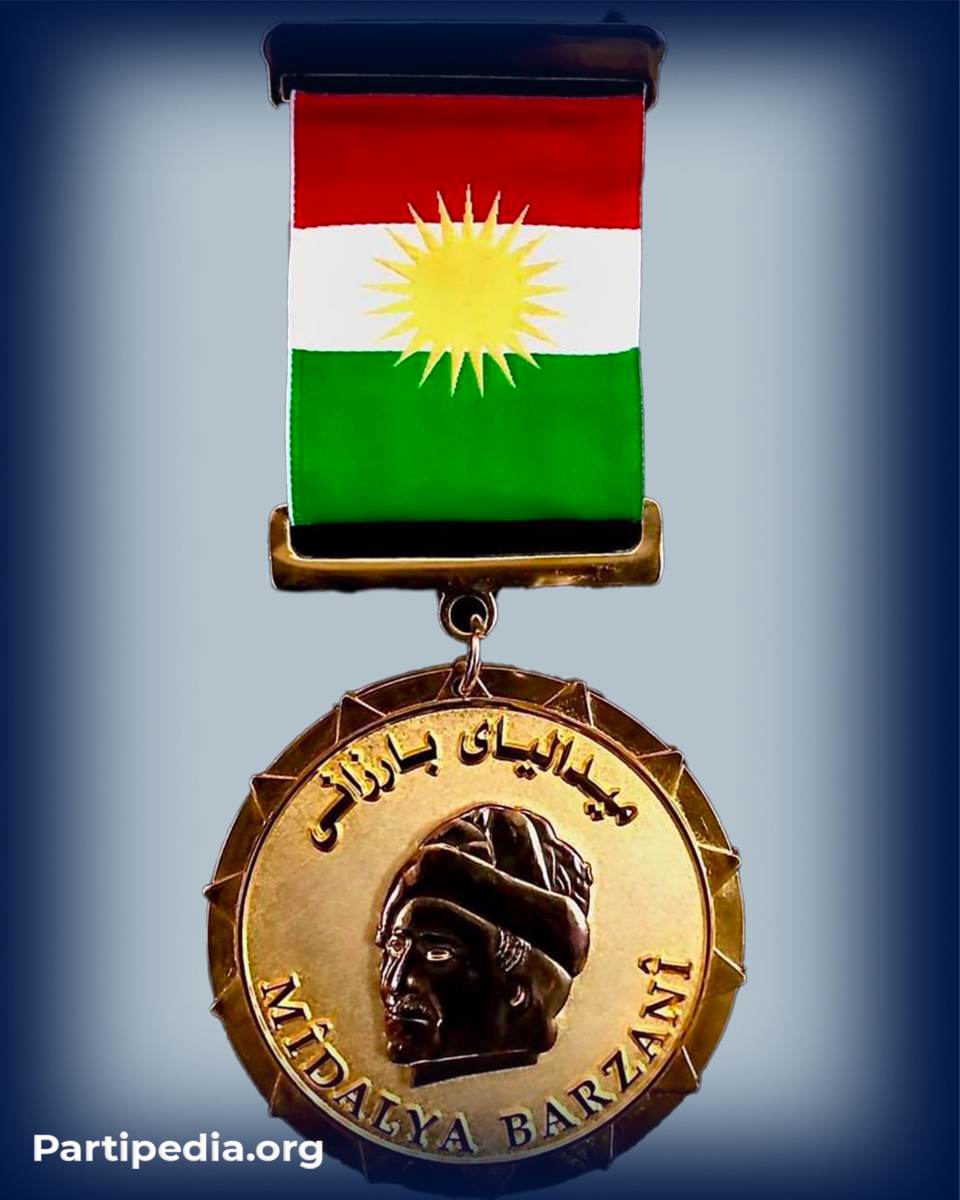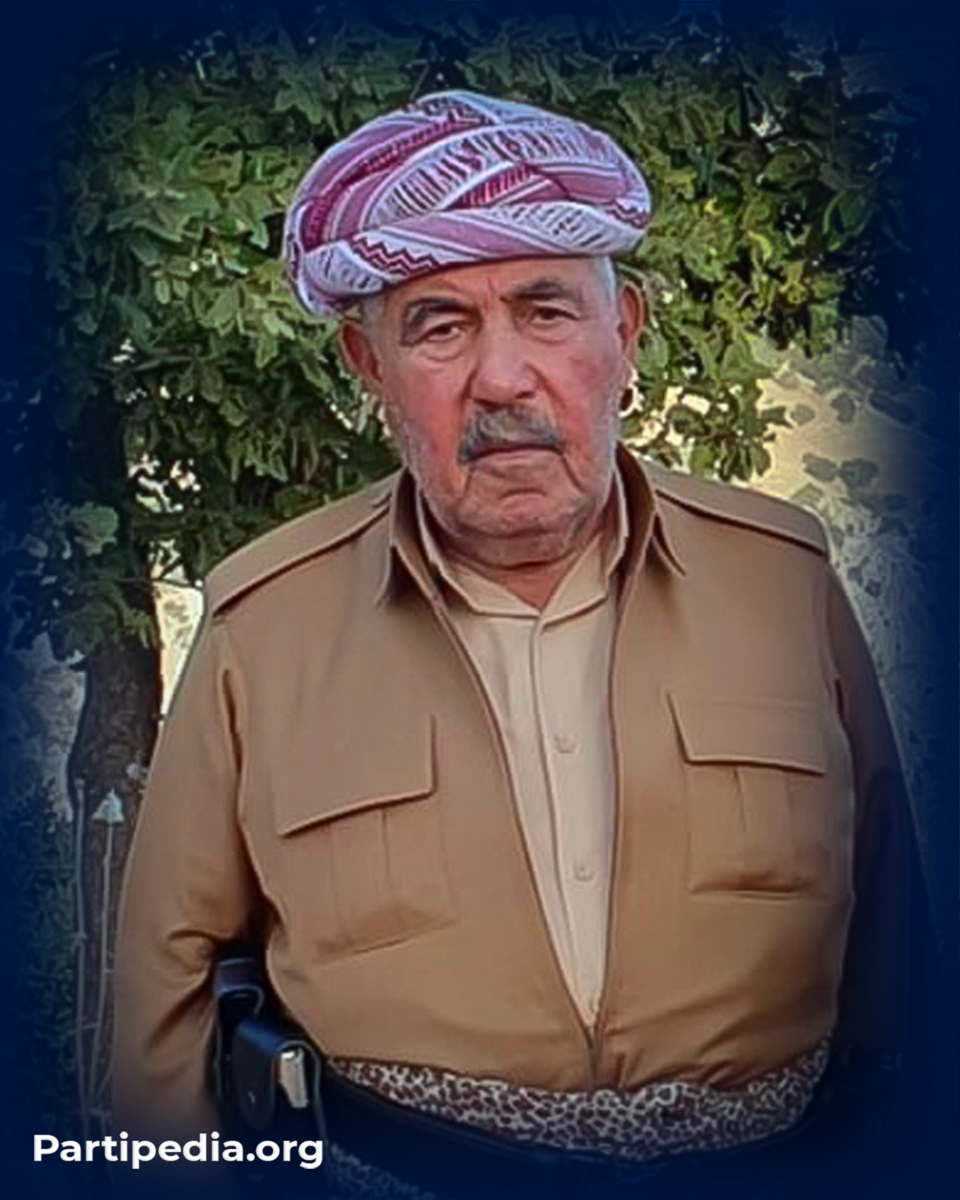


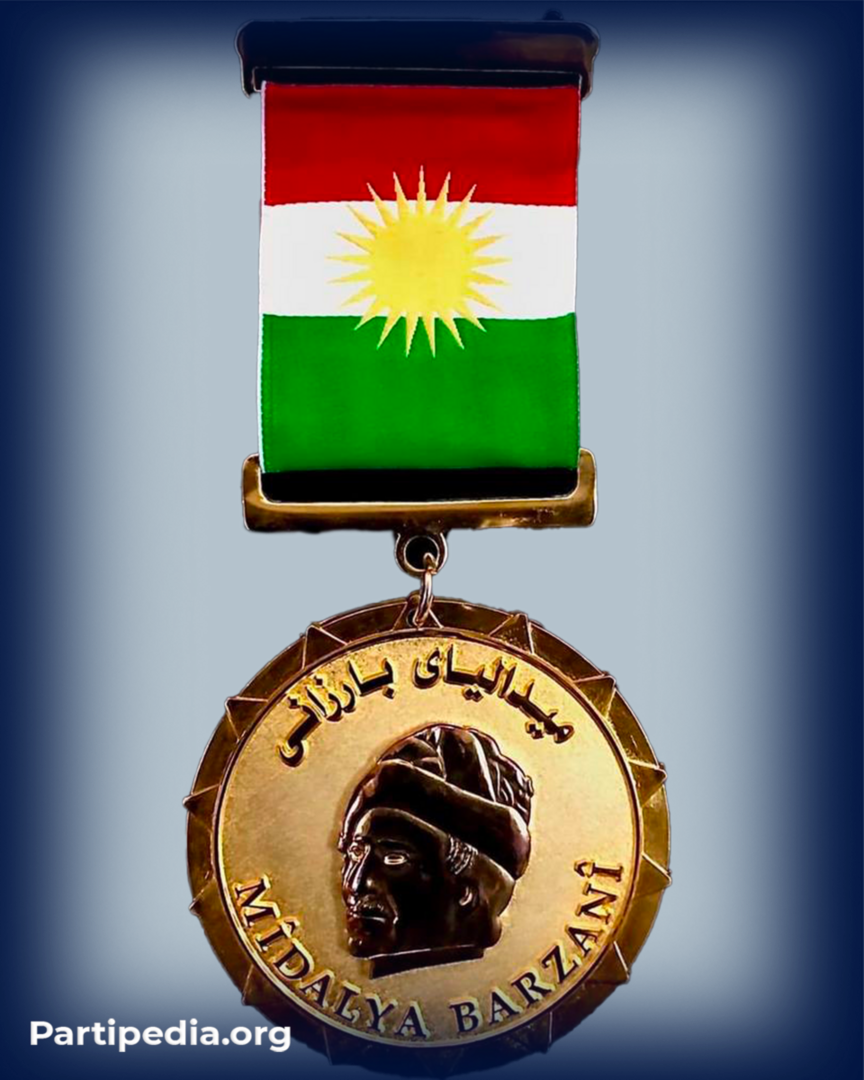
In 1976, he returned to the clandestine organization of the Kurdistan Democratic Party (KDP) in the Rizgari Organization, affiliated with Branch 1. In 1980, he rejoined the Peshmerga forces, serving in the Martyr Khader Mahmoud Organization, and later in the Salah al-Din al-Ayyubi Organization, where he became the organization's military deputy commander. In 1988, during the Anfal campaign and the infamous chemical attacks in the Badinan region, he went to northern Kurdistan with a large number of Peshmerga and local residents, and was later transferred to the Mosh refugee camp. In 1992, he returned to southern Kurdistan and became the commander of a Peshmerga unit in the Barwari Bala area of Duhok Governorate. He was then assigned command of the 3rd Battalion in Kasnazan, Erbil Governorate. In 1997, he was appointed commander of the 18th Brigade of the 14th Army. In 1998, he was appointed military commander of the Zeravani Forces in the Barwari Bala area. In 2000, he became commander of Force 7 of the 18th Army, and in 2002, he became commander of Force 6.. On August 14, 1998, while picking up a landmine in a football field in the village of Bitkar in Duhok Governorate, it exploded, causing him to lose his left eye and his hearing. During his life of struggle and service with the Peshmerga, he participated in approximately 25 battles and was wounded seven times. In September 1986, two brothers, two nephews, and his son Ismail Bitkar were killed in Iraqi regime airstrikes. Another brother, Izzat, was killed in December of the same year, and his father, Sadiq Bitkar, was poisoned. He was a Peshmerga fighter. September RevolutionIn the Mosh refugee camp, Ismail Betkari retired with the rank of major general due to his disability and now lives in Duhok Governorate. In 2010, he received the Barzani Medal from the President. Masoud Barzani At the 13th Congress of the Kurdistan Democratic Party.
sources:
1- Archive of the Kurdistan Democratic Party Encyclopedia.