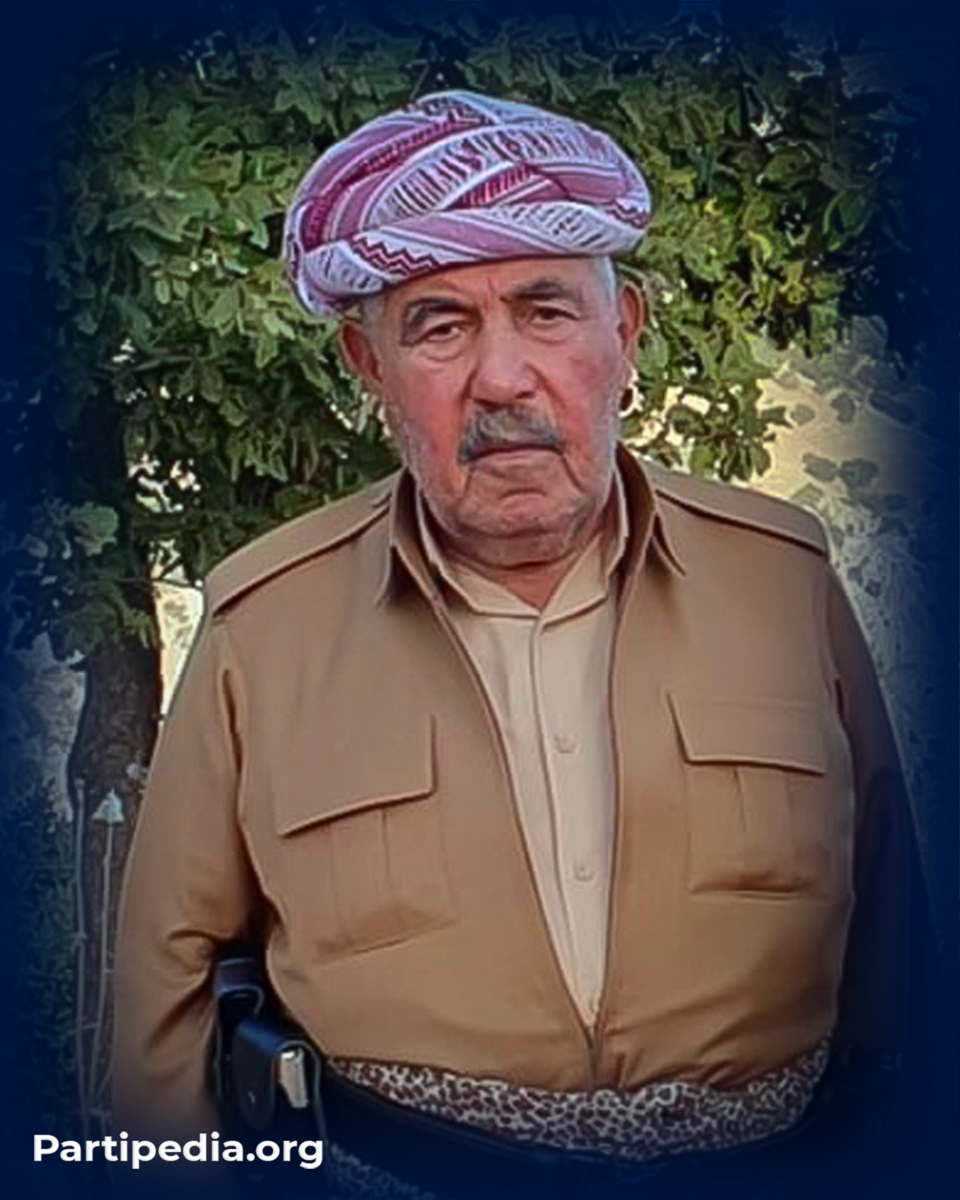


Dr. Frédéric Tissot was born in Algeria in 1951. He returned to France in 1962 and settled in the French city of Lyon. He completed his studies in France and became a doctor in 1980. For several years, he ran a rural health center in the Aït Boukoumiz Valley and helped his patients. As a French doctor, he decided to help people in remote, war-torn countries who had not received any assistance.
Dr. Frederick Tissot lived a life full of adventures, and in 1982, he went to Eastern Kurdistan and worked as a Peshmerga in the village of Mazri in the Alan region of Sardasht in Eastern Kurdistan at a hospital. Kurdistan Democratic Party The Iranian, where he provided his services to the sick and wounded during the Iranian government's war.
to get to know Dr. Frederick Tissot A member of Doctors Without Borders, Dr. Frédéric Tissot became involved with the Kurdish cause in 1981 through Kendal Nazan, the head of the Kurdish Institute in Paris. Having lived through the suffering of the Kurdish people, after leaving Kurdistan and returning to France, he supported the Kurdish liberation movement in every way possible. In 1984, he met Bernard Kouchner in the mountains of Kurdistan. Dr. Tissot was against the infighting among Kurdish parties and consistently tried to mediate between them. Later that year, he returned to Morocco, where he worked in the health sector for five years, assisting patients.
In 1989, he attended a conference in Paris on the Kurdish issue, where he stated that Turkey, Iraq, Iran, and Syria were dissatisfied with the conference. In 1991, he worked with Bernard Kouchner to draft UN Security Council Resolution 688, which established a no-fly zone and a safe zone for the people of Iraqi Kurdistan. Also in 1991, he visited Iraqi Kurdistan several times.
He suffered a serious accident in Port-au-Prince, the capital of Haiti, on July 12, 2006. An electric arc threw him into the air after an accident on a high-voltage power line and broke his spine. Since then, he has been using a wheelchair.
On September 23, 2007, France opened its consulate in Erbil, with Dr. Frédéric Tissot as the first French consul. Since then, he has officially represented his country in the Kurdistan Region. A diplomat deeply sympathetic to the Kurdish cause, he has consistently strived to strengthen his country's relations with the Kurdistan Region. He says, "I wasn't a diplomat when I was appointed my country's consul in Kurdistan, but I became involved in politics through my medical work."
Dr. Frédéric Tissot remained in Kurdistan until 2012, participating in numerous events and celebrations organized by the Kurdistan Regional Government and serving as a strong bridge between Kurdistan and France. He frequently laid wreaths at the memorials of martyrs and victims of the Anfal campaign in Barzan, Halabja, Garmian, Badinan, Balisan, and other areas of Kurdistan.
On September 30, 2012, he returned to his country after completing his term as French Consul in Erbil. A reception was held in his honor at the Martyr Saad Abdullah Hall by the Kurdistan Regional Government, attended by several high-ranking government officials. They expressed the gratitude and appreciation of the government and the Kurdish people for his services to the legitimate Kurdish cause during his three years in the region. During the reception, Dr. Frédéric Tissot thanked the President Masoud Barzani AndNechirvan BarzaniHe expressed his happiness at having served the just cause of the Kurdish people as a diplomat. He emphasized that he would continue to serve oppressed peoples as a friend of the Kurds and would remain their friend.
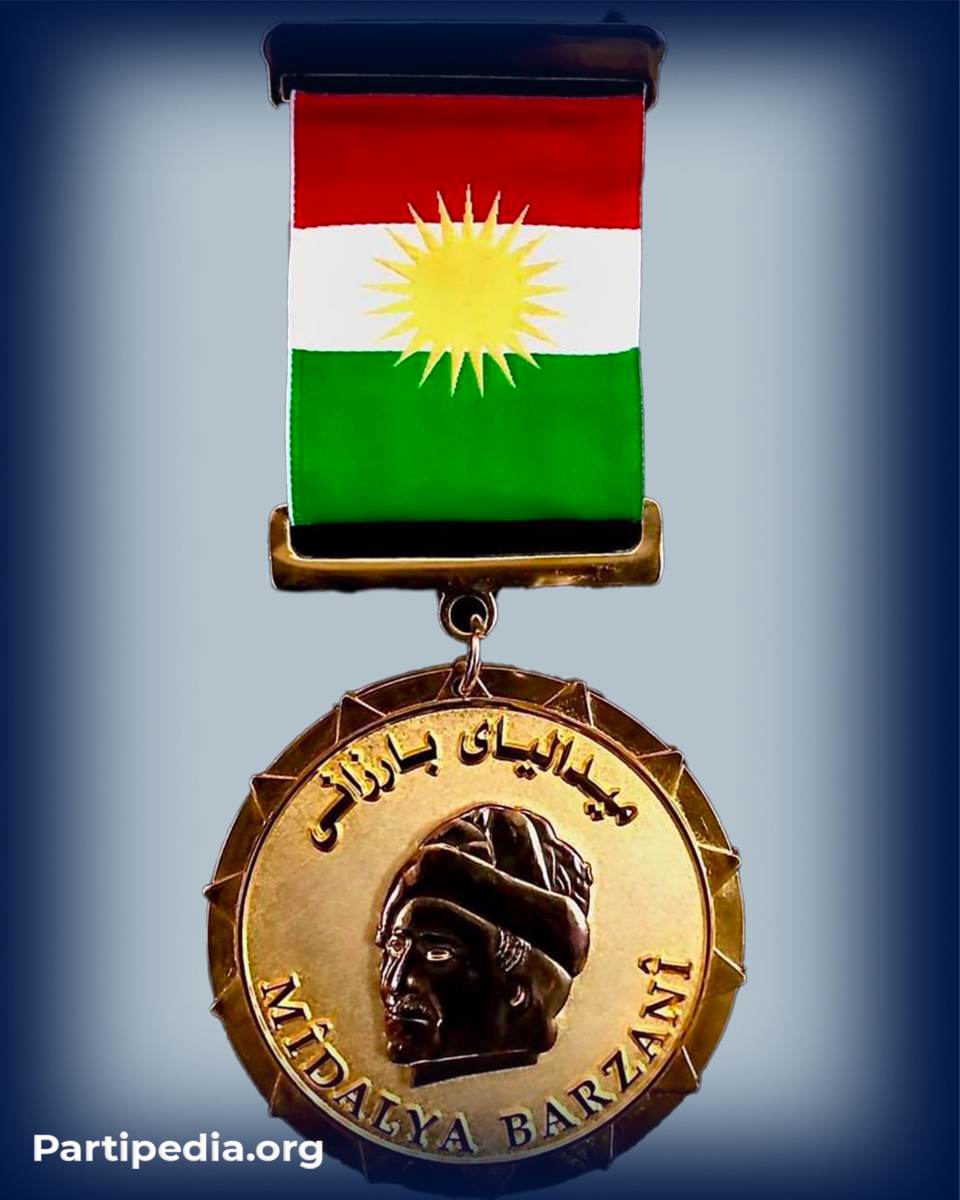
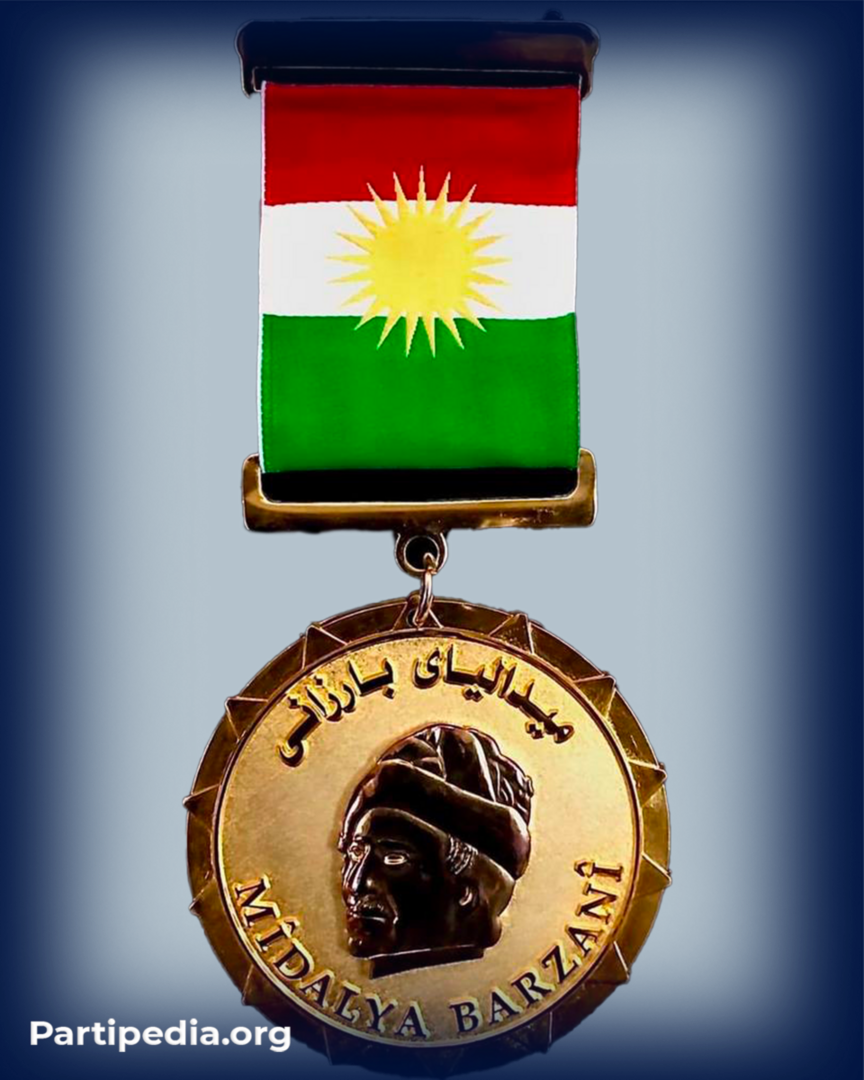
On March 15, 2013, the President granted it Masoud Barzani The Barzani Medal was awarded for his services to the Kurdish people at the level of Kurdistan, France and the world.
Source:
Archive of the Encyclopedia Authority of the Kurdistan Democratic Party.