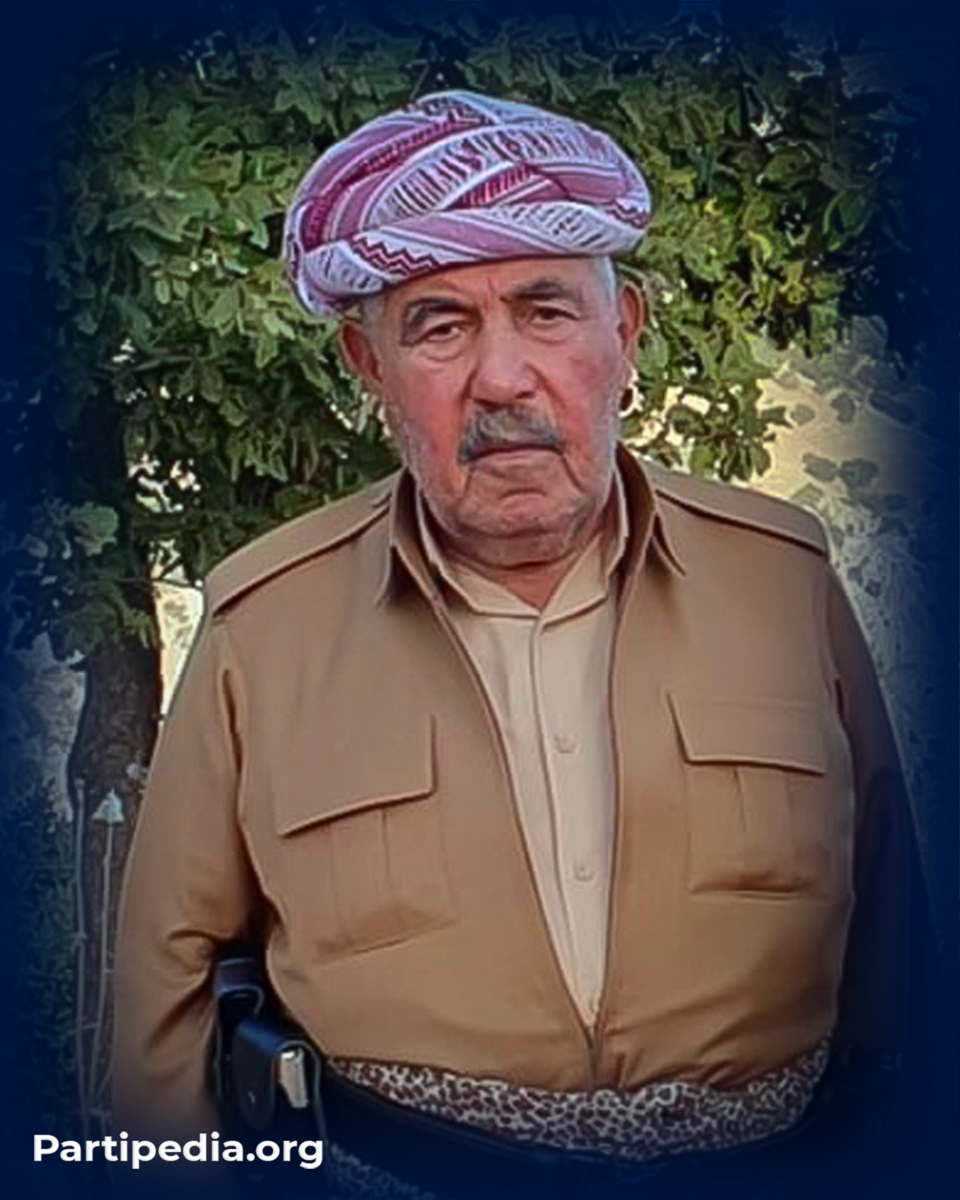


After Barzani crossed from Badinan to Soran, Haji Rasul was one of the Peshmerga who attacked the Rayat Castle on July 11, 1962, and captured all the soldiers and armed men inside the castle. He then participated in the battles of Bani Harir, the Bankilan Bridge and Kosbi Spi on the Hamilton Road. He remained a guard in the political office in the village of Nawberdan until 1975.
In 1975, after the setback September RevolutionHe moved to the village of Kosartan and stayed there. In 1977, he and his family were deported by the Iraqi government to the Bastoura complex in the city of Erbil.
In 1979, his son Ibrahim Haji was martyred in the Kartalan Mountains in the village of Kosartan, which belongs to the district of Choman. After his son's martyrdom, he and three of his other sons and relatives moved to eastern Kurdistan. On April 12, 1979, he managed to reach eastern Kurdistan via the Shini and Qasmirsh roads and contacted the interim leadership of the Kurdistan Democratic Party again, and joined the ranks of the Peshmerga forces with his sons and relatives. Gulan RevolutionHe participated through mobile detachments in Gulan Revolution In the Balkayti area.
In 1991, he returned to southern Kurdistan and participated in the uprising of the people of Kurdistan in the Khoshnawti region. He continued the struggle in the ranks of the Peshmerga of Kurdistan until he reached the age of eighty-five. In 1992, he returned to the village of Kosartan in the district of Choman and lived in the aforementioned village until he passed away.
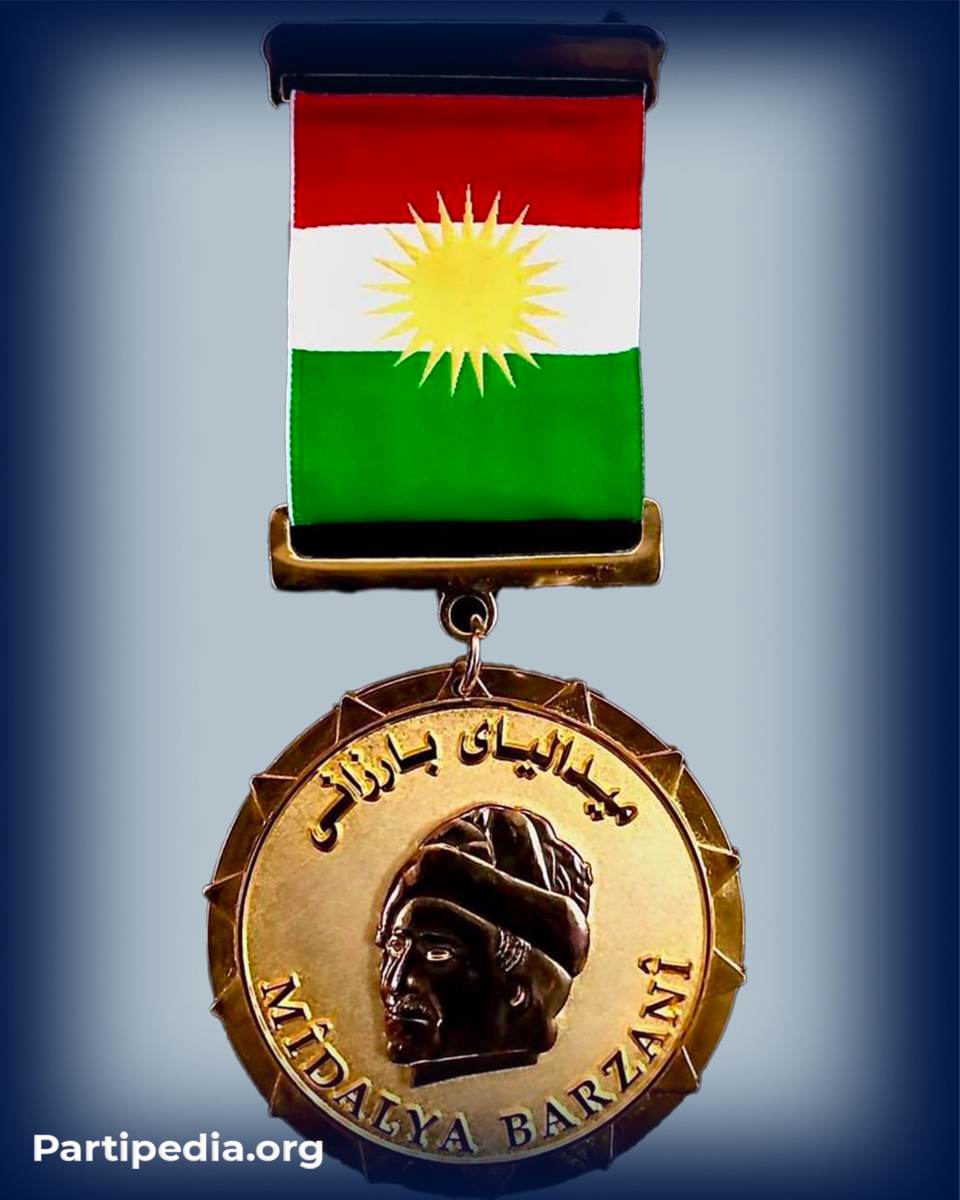
In recognition of his distinguished services, he was awarded the Barzani Medal by the President on August 16, 1996. Masoud Barzani During the celebration of the golden jubilee of the Kurdistan Democratic Party.
He died on July 12, 2002.
Source:
1- Archive of the Encyclopedia Authority of the Kurdistan Democratic Party.